 flip
flipPelanos with Honey, the Offering of the Dionysia
Pelanos with Honey, the Offering of the Dionysia
Why this dish? Before each comedy competition at the Theater of Dionysus, the god was honored with offerings. Aristophanes, whose plays were themselves performed in honor of Dionysus, knew these offering cakes (pelanos) placed on the altar. This cake evokes that pious gesture which opened the festivals where his glory was at stake.
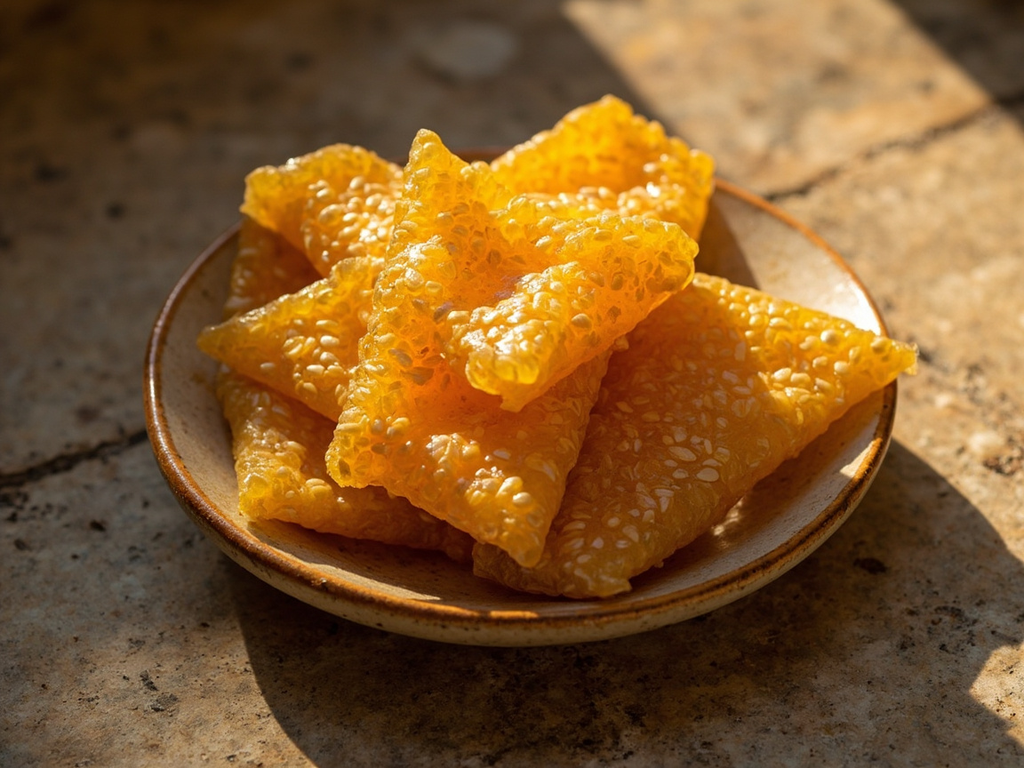
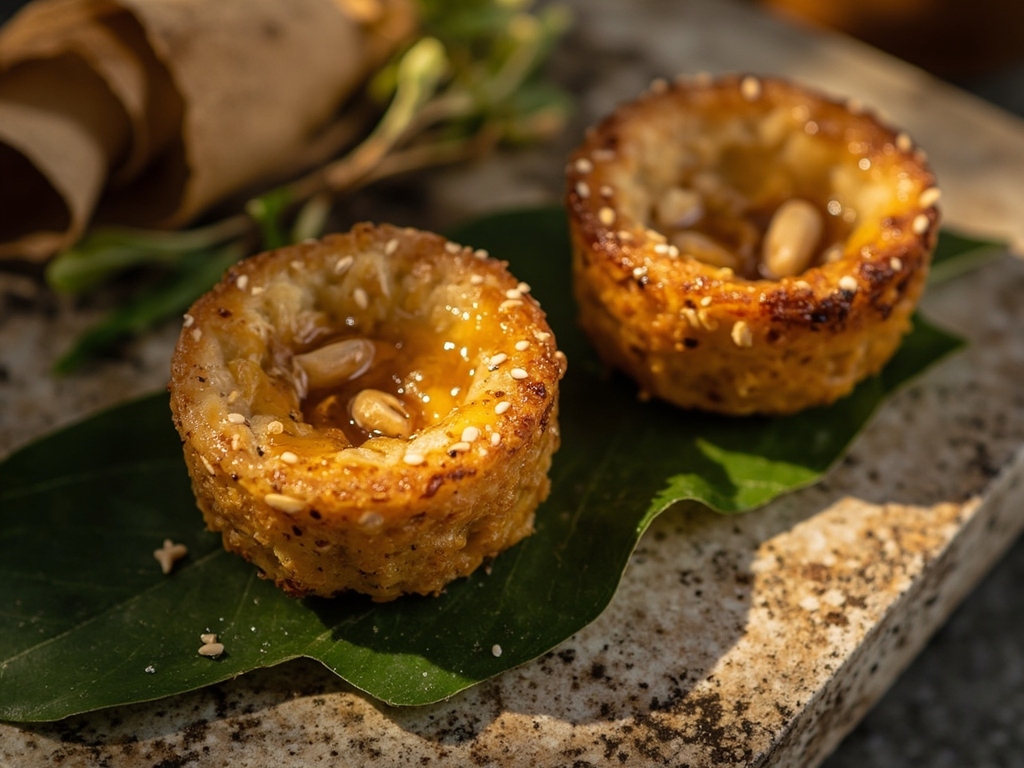
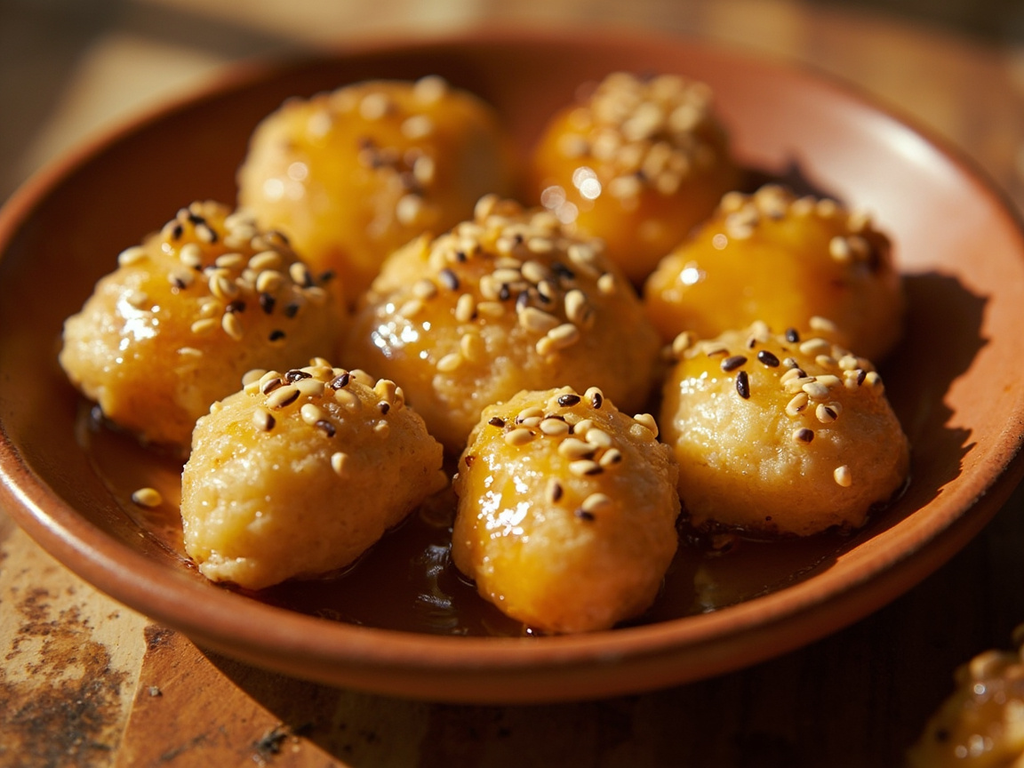
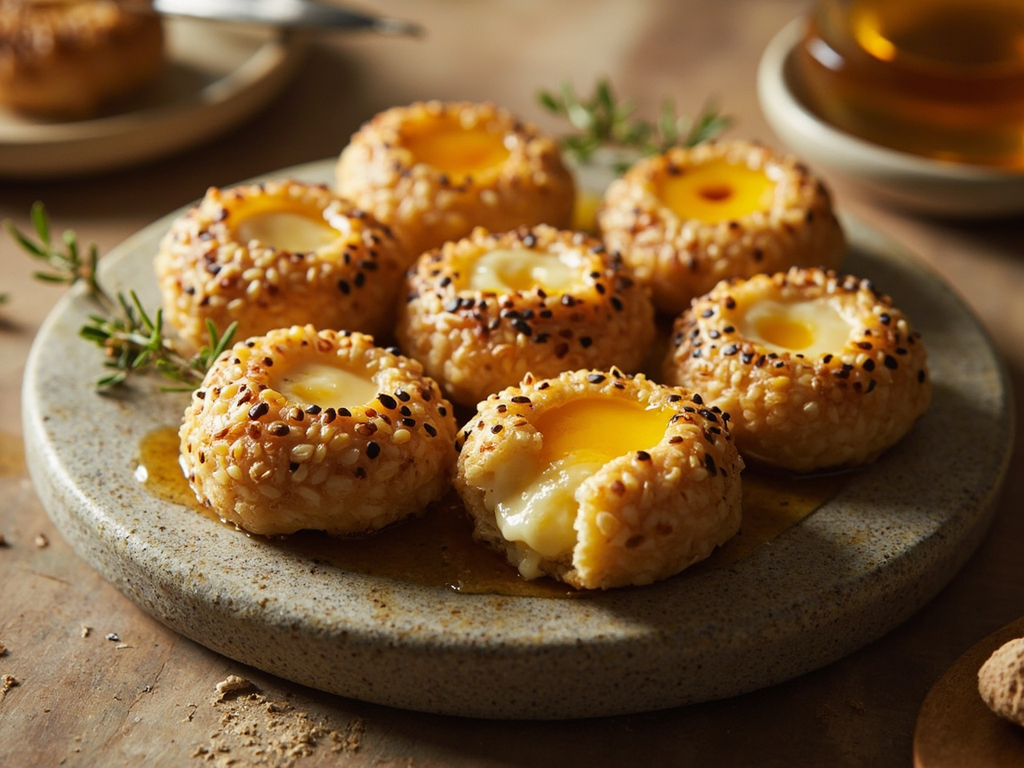
A small sweet flatbread made of barley or wheat flour bound with honey and drizzled with oil, sprinkled with sesame — the type of plant offering placed on altars. Simple, fragrant, entirely sweetened by honey.
Before the herald announces my comedy and the audience laughs or hisses, we honor Dionysus as is proper. I knead this flatbread of flour and honey, pour oil and sesame on it, and place it on the altar without tasting a crumb — for what belongs to the god is not for the poet's mouth. May Dionysus accept my offering and guide the laughter of the Athenians toward my victory! Inspired by this ancient gesture, make it, you, a cake to share.
- •Barley or wheat flour — a measure (base)
- •Thyme honey — generously (sweet binder)
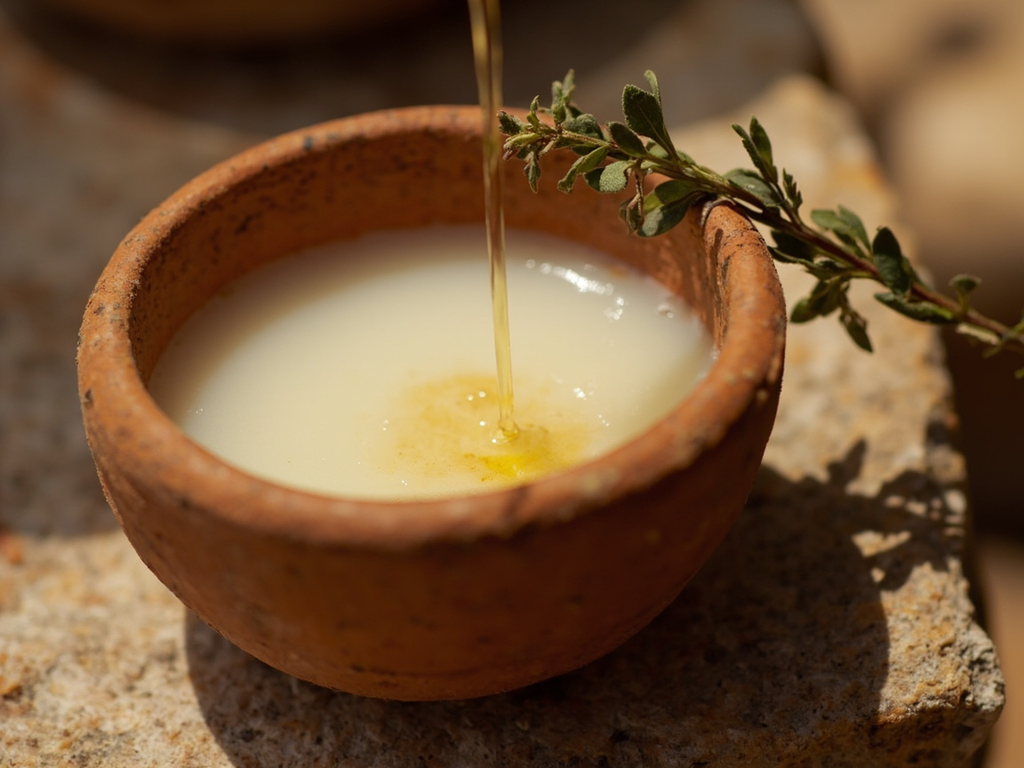
- •Olive oil — a drizzle (moistness)
- •Sesame seeds — a pinch (decoration and crunch)
- •Water — a little (binder)
Pelanos with Honey, the Offering of the Dionysia
A small sweet flatbread made of barley or wheat flour bound with honey and drizzled with oil, sprinkled with sesame — the type of plant offering placed on altars. Simple, fragrant, entirely sweetened by honey.
Why this dish? Before each comedy competition at the Theater of Dionysus, the god was honored with offerings. Aristophanes, whose plays were themselves performed in honor of Dionysus, knew these offering cakes (pelanos) placed on the altar. This cake evokes that pious gesture which opened the festivals where his glory was at stake.
Before the herald announces my comedy and the audience laughs or hisses, we honor Dionysus as is proper. I knead this flatbread of flour and honey, pour oil and sesame on it, and place it on the altar without tasting a crumb — for what belongs to the god is not for the poet's mouth. May Dionysus accept my offering and guide the laughter of the Athenians toward my victory! Inspired by this ancient gesture, make it, you, a cake to share.
Ingredients (period version)
- Barley or wheat flour — a measure (base)
- Thyme honey — generously (sweet binder)
- Olive oil — a drizzle (moistness)
- Sesame seeds — a pinch (decoration and crunch)
- Water — a little (binder)
Ingredients
- Wheat flour (or half barley) — 200 g (base)
- Thyme honey — 80 g (sweet binder)
- Extra virgin olive oil — 3 tbsp (moistness)
- Sesame seeds — 2 tbsp (decoration and crunch)
- Water — about 60 ml (binder)
Method
- Preheat oven to 180 °C. Mix flour and sesame (reserve some for topping).
- Add honey, oil, then water little by little until a soft, non-sticky dough forms.
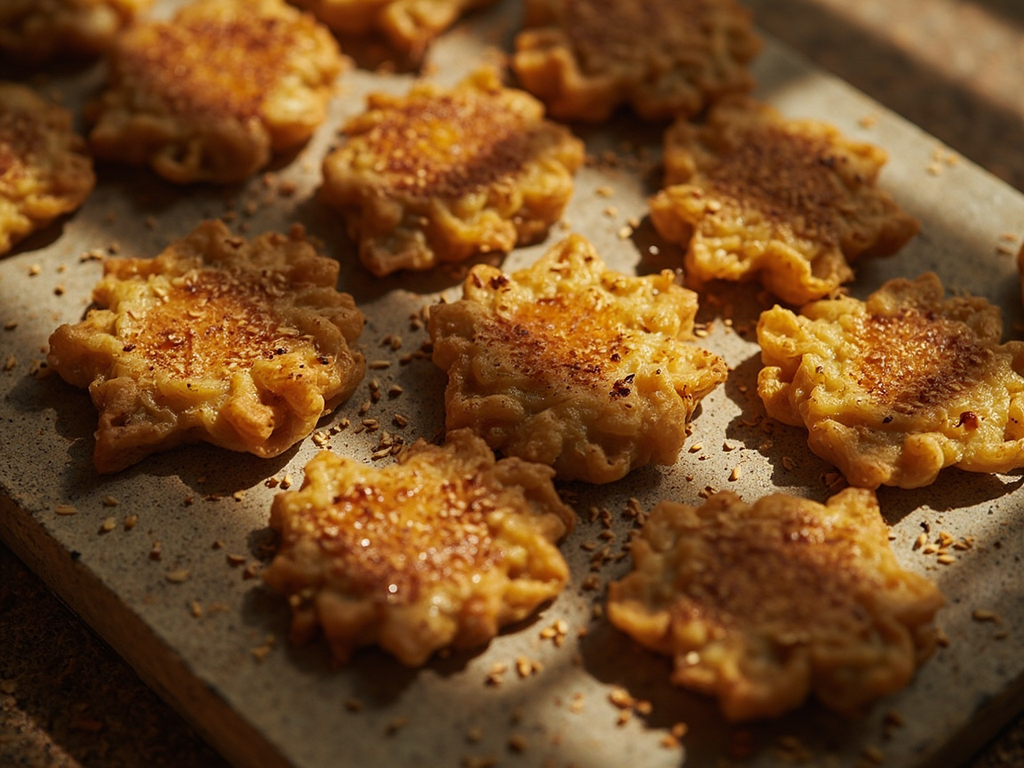
- Shape small round flat cakes, place on a baking sheet, sprinkle with remaining sesame.
- Bake 18-20 minutes until golden and fragrant.
- Let cool slightly and, if desired, drizzle with extra honey. Share, in memory of the offerings of the Dionysia.
How it was made : The Greeks placed plant offerings (pelanos, popana) on altars — flatbreads of flour and honey — alongside or instead of animal sacrifices, which were more costly. These offering cakes were sometimes marked with symbolic imprints. The festival of the Great Dionysia, setting for theater competitions, opened with ceremonies in honor of the god of wine and theater.
The contemporary twist : Press a comedy mask imprint with the back of a spoon onto each cake before baking: a nod to the Theater of Dionysus, serve at the end of the meal.
Aristophanes · Charactorium