 flip
flipSekanjabin for the Wake (Honey and Vinegar Oxymel)
Sekanjabin for the Wake (Honey and Vinegar Oxymel)
Why this dish? Azrael watches at the bedside, and the wake is long. Sekanjabin—a syrup of honey and vinegar perfumed with mint—was the medicinal drink of the medieval Islamic world: it was drunk diluted with cool water to soothe fever, calm the heart, and keep the one watching over a sick person awake. It is the drink that accompanies waiting, on the threshold between life and death.
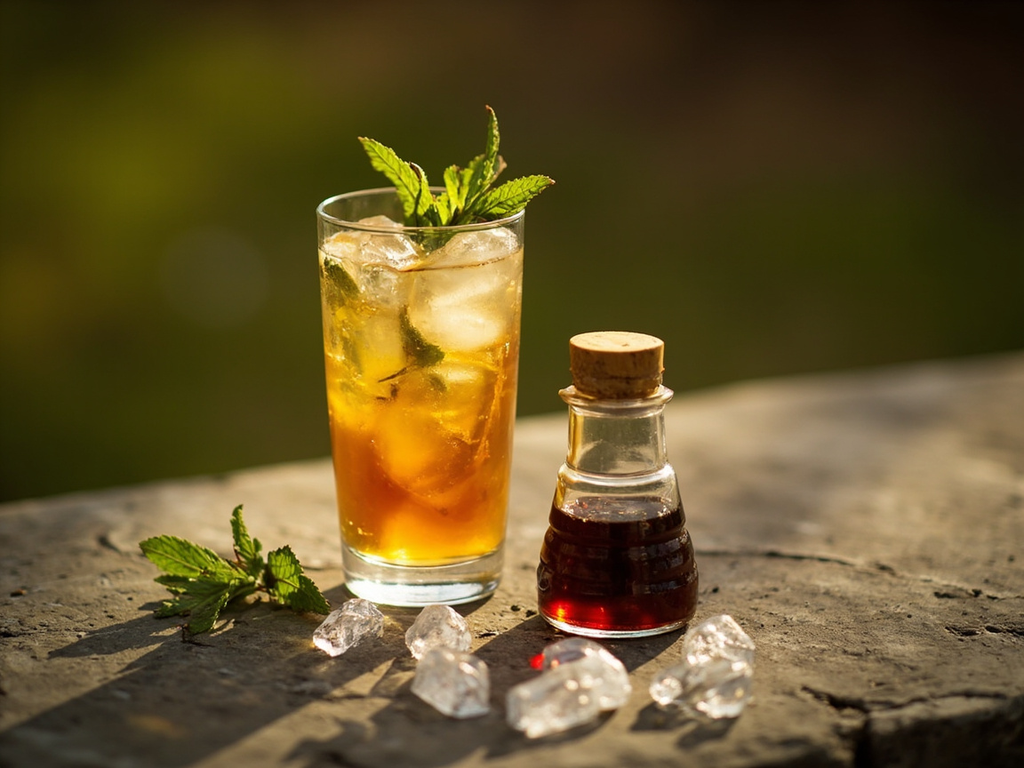
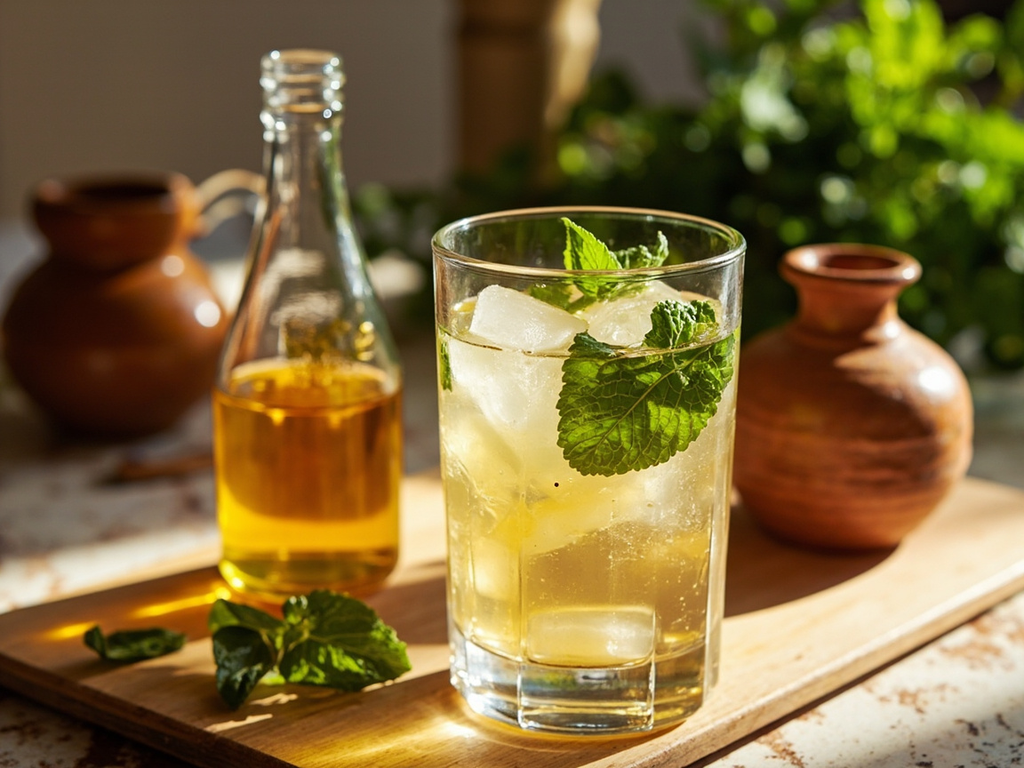
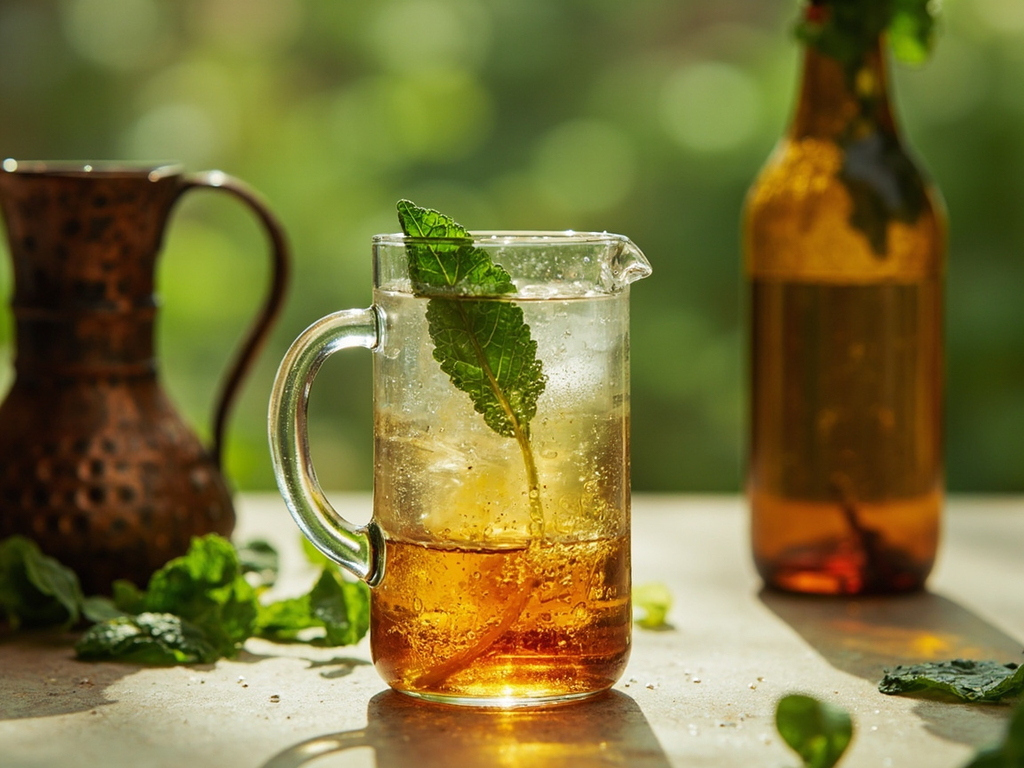
A clear syrup of honey and vinegar, simmered then perfumed with fresh mint, diluted in cold water. Tangy, sweet, and refreshing, it is the thirst-quenching remedy for those keeping vigil and the drink of waiting.
The vigil by the sickbed is long, and I know waiting better than anyone, I who wait at the foot of every bed until the appointed hour. The wise mixed honey and vinegar, let them sing over the fire, drowned mint in them, and the one keeping vigil drank it, lengthened with spring water, to cool his heart and keep his eye open. Drink of it, you who watch over a loved one: may this sweet-sourness keep you awake until my hour has not yet come.
- •Honey — two parts (sweet and medicinal base)
- •Wine vinegar — one part (acidity)
- •Fresh mint — a bunch (flavor and cooling virtue)
- •Spring water — for dilution at serving (dilution)
Sekanjabin for the Wake (Honey and Vinegar Oxymel)
A clear syrup of honey and vinegar, simmered then perfumed with fresh mint, diluted in cold water. Tangy, sweet, and refreshing, it is the thirst-quenching remedy for those keeping vigil and the drink of waiting.
Why this dish? Azrael watches at the bedside, and the wake is long. Sekanjabin—a syrup of honey and vinegar perfumed with mint—was the medicinal drink of the medieval Islamic world: it was drunk diluted with cool water to soothe fever, calm the heart, and keep the one watching over a sick person awake. It is the drink that accompanies waiting, on the threshold between life and death.
The vigil by the sickbed is long, and I know waiting better than anyone, I who wait at the foot of every bed until the appointed hour. The wise mixed honey and vinegar, let them sing over the fire, drowned mint in them, and the one keeping vigil drank it, lengthened with spring water, to cool his heart and keep his eye open. Drink of it, you who watch over a loved one: may this sweet-sourness keep you awake until my hour has not yet come.
Ingredients (period version)
- Honey — two parts (sweet and medicinal base)
- Wine vinegar — one part (acidity)
- Fresh mint — a bunch (flavor and cooling virtue)
- Spring water — for dilution at serving (dilution)
Ingredients
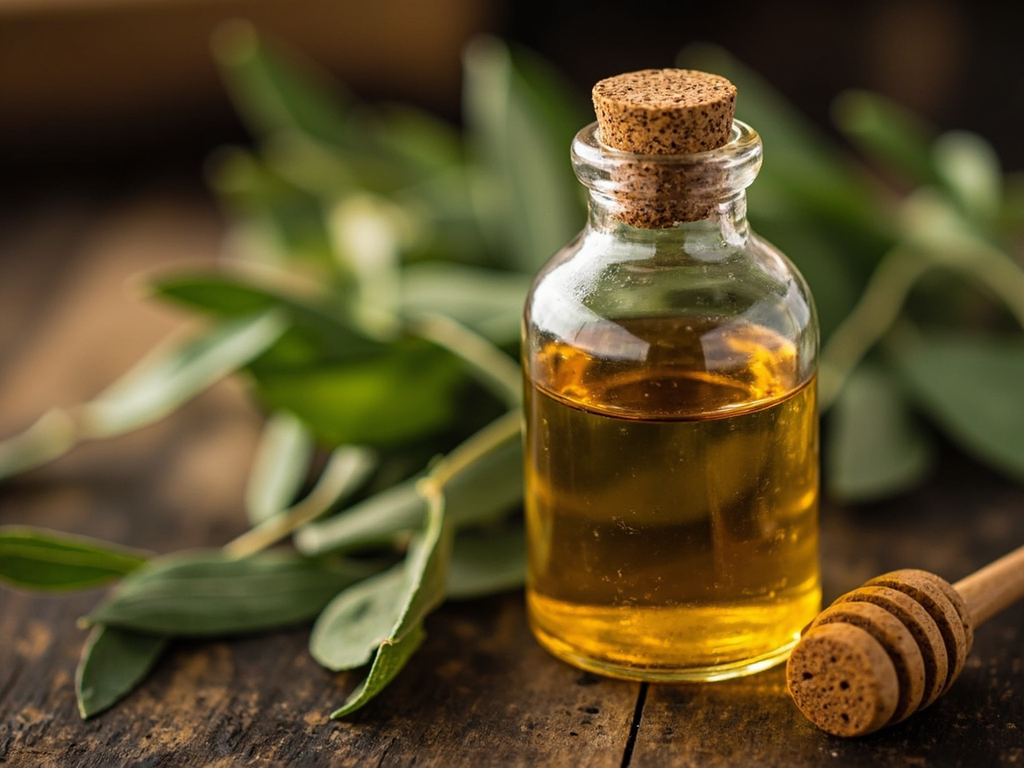
- Honey — 300 g (base)
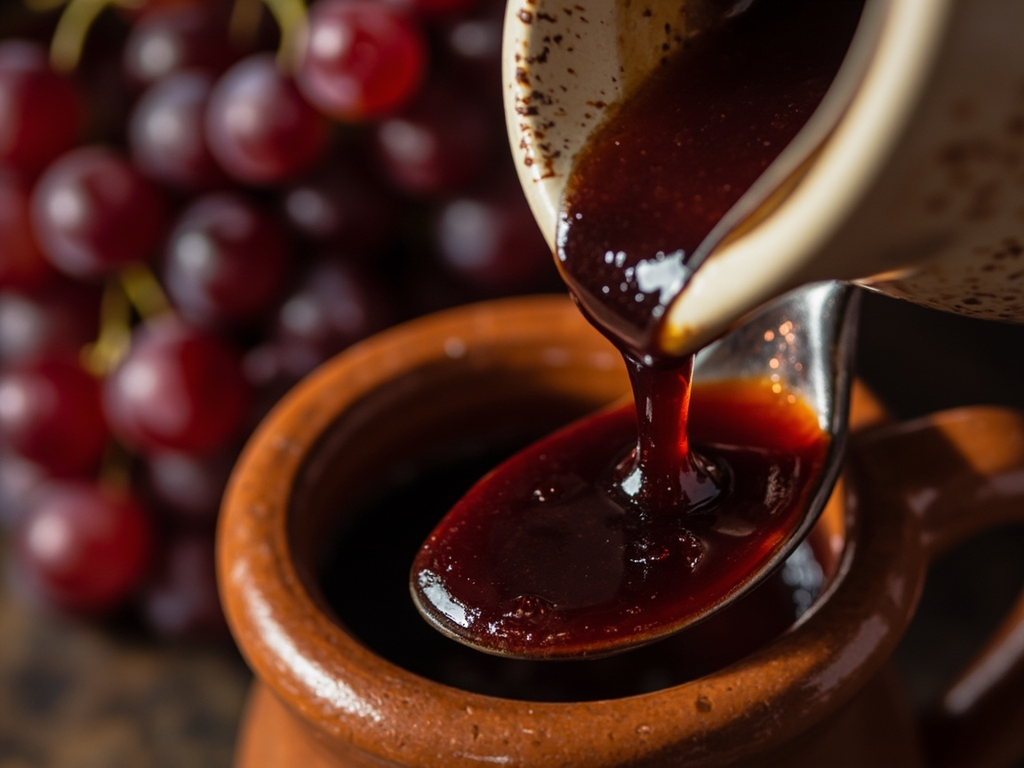
- White wine vinegar — 120 ml (acidity)
- Fresh mint — 1 large handful (flavor)
- Water — 200 ml (syrup) + cold water for serving (cooking and dilution)
Method
- In a saucepan, combine honey and water; bring to a simmer and skim.
- Add the vinegar and reduce over low heat for 15-20 minutes until a slightly syrupy consistency.
- Remove from heat, add fresh mint to the warm syrup, and let steep until cool.
- Remove the mint, pour the syrup into a clean bottle (keeps for several weeks in the fridge).
- For serving, use about 1 part syrup to 4-5 parts very cold water; add a mint leaf.
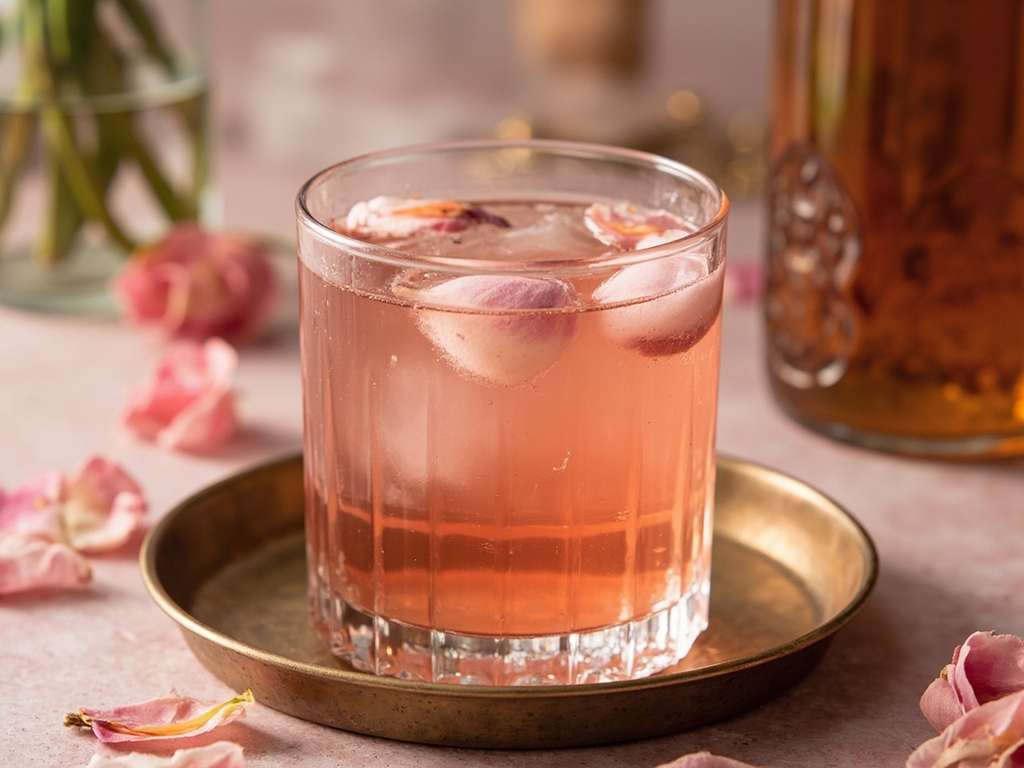
How it was made : Sekanjabin (from Arabo-Persian sik, vinegar, and angabin, honey) is an oxymel—a mixture of honey and vinegar—recommended by Greco-Arab medicine, notably by Ibn Sina (Avicenna) in the Qanun, as a cooling and fever-reducing remedy. It was prepared as a concentrated syrup, stored for a long time, then diluted as needed. A possible winter variant uses a dash of rose water instead of mint.
The contemporary twist : Served over crushed ice with a long cucumber ribbon, it is a medieval shrub before its time—a tangy artisanal soda that is all the rage in summer.
Sources : Ibn Sina (Avicenna), al-Qanun fi al-tibb · al-Warraq, Kitab al-Tabikh (syrup recipes, Baghdad 10th century)
Azrael · Charactorium