 flip
flipQuince Paste (Physician's Cotignac)
Quince Paste (Physician's Cotignac)
Why this dish? As a man of medicine, Vesalius knew the virtues that his era attributed to quince: a firm paste, cotignac, was prescribed to "tighten" the stomach and aid digestion after rich meals. It is both a preserved treat that lasts through winter and a remedy from the apothecary of scholars.
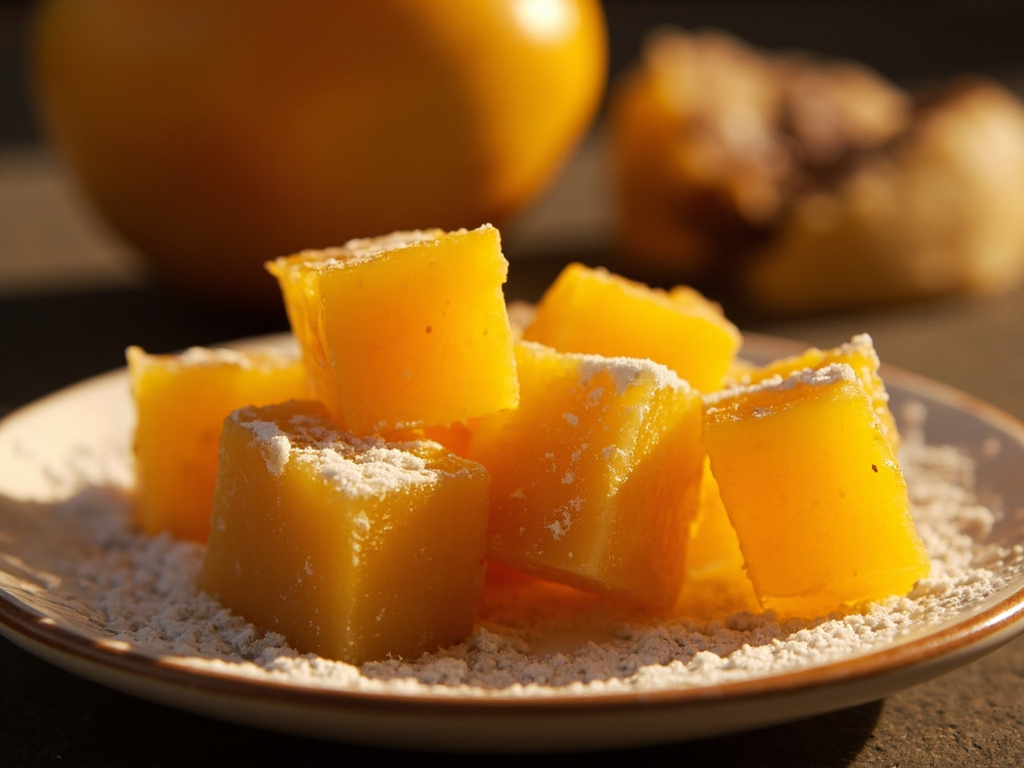
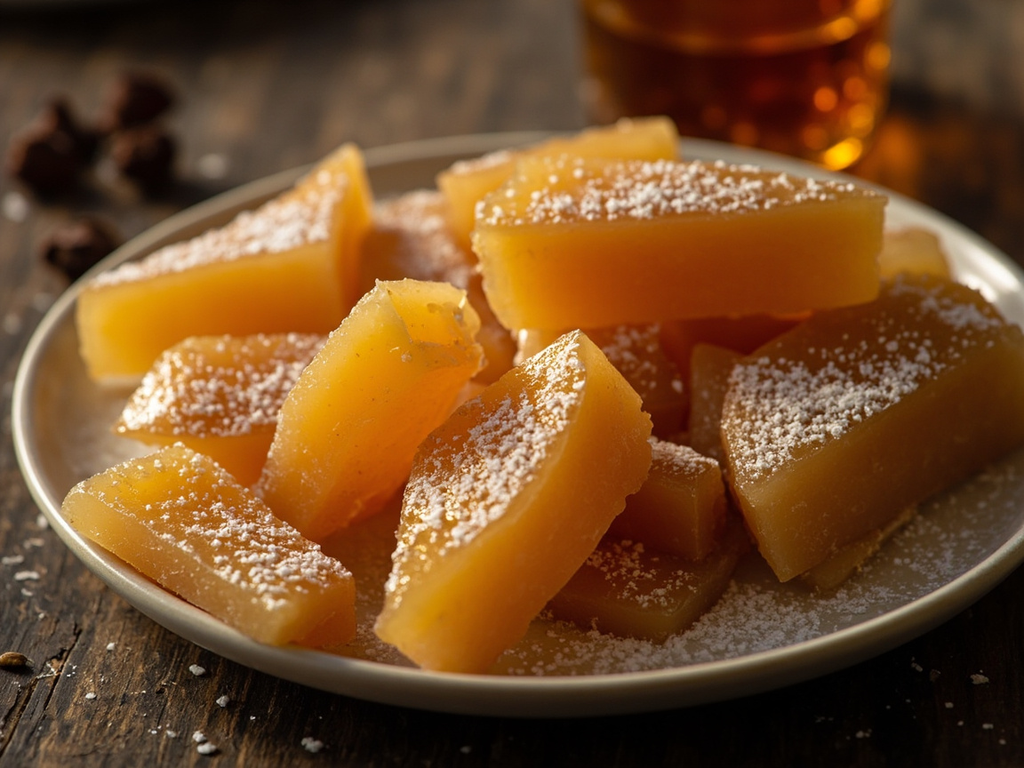
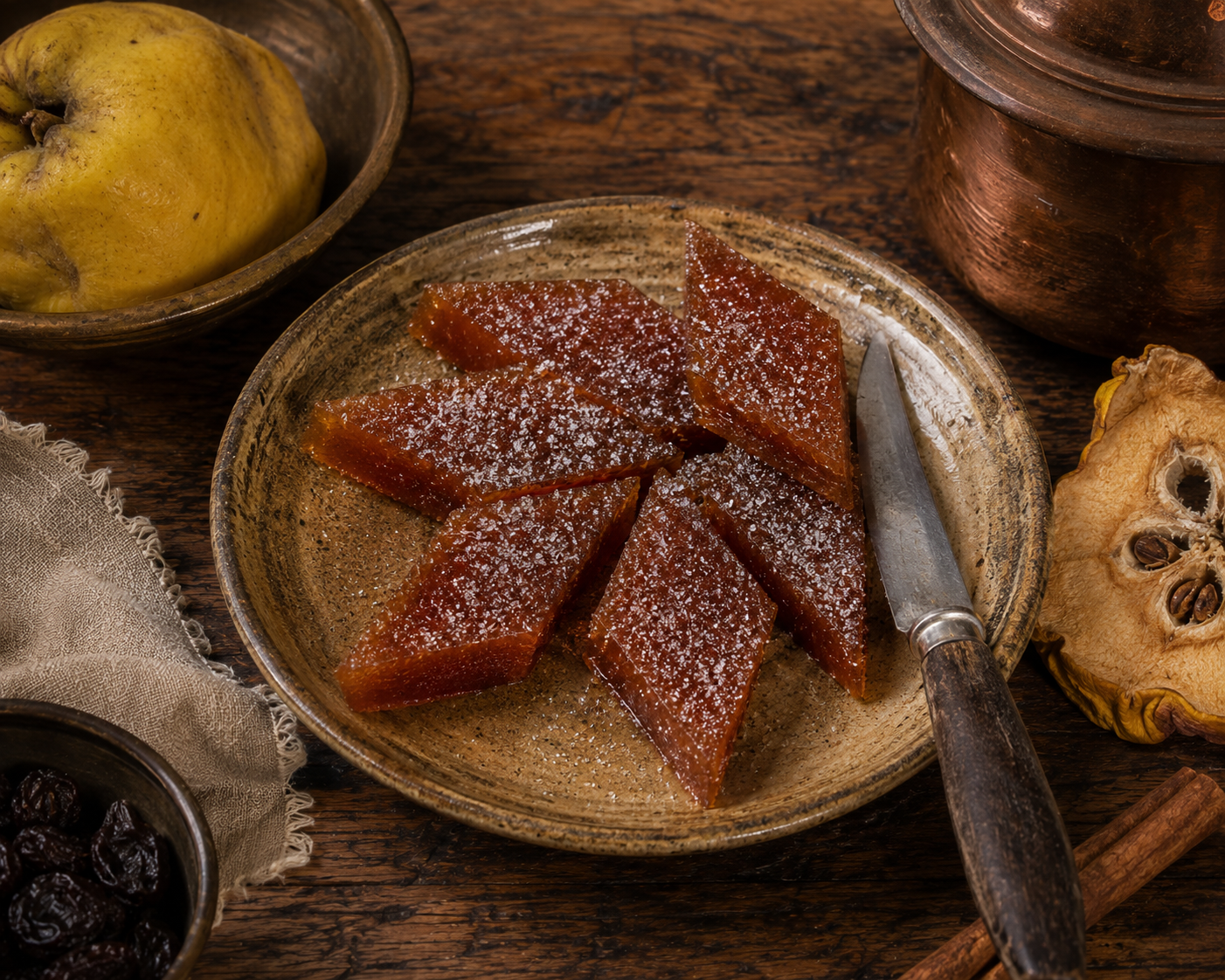
A thick, translucent quince paste, cooked long with sugar and just touched with a hint of cinnamon: sweet, tart, it keeps for months and is cut into diamonds. Confection and remedy at once, at the border of cuisine and apothecary.
Here is a thing that every man of study should keep in his box. The quince, raw, is harsh and inedible; but cooked long with sugar, it becomes this firm, vermeil paste called cotignac. I would take a small diamond after leaving the table, for the ancients and experience agree: it tightens the stomach and calms the winds that trouble the mind during study. Cut it small, keep it dry, and it will keep you company all winter without spoiling.
- •Ripe quinces — several (base fruit)
- •Sugar (or honey) — equal weight to pulp (preservation and sweetness)
- •Cinnamon — a hint (signature spice)
Quince Paste (Physician's Cotignac)
A thick, translucent quince paste, cooked long with sugar and just touched with a hint of cinnamon: sweet, tart, it keeps for months and is cut into diamonds. Confection and remedy at once, at the border of cuisine and apothecary.
Why this dish? As a man of medicine, Vesalius knew the virtues that his era attributed to quince: a firm paste, cotignac, was prescribed to "tighten" the stomach and aid digestion after rich meals. It is both a preserved treat that lasts through winter and a remedy from the apothecary of scholars.
Here is a thing that every man of study should keep in his box. The quince, raw, is harsh and inedible; but cooked long with sugar, it becomes this firm, vermeil paste called cotignac. I would take a small diamond after leaving the table, for the ancients and experience agree: it tightens the stomach and calms the winds that trouble the mind during study. Cut it small, keep it dry, and it will keep you company all winter without spoiling.
Ingredients (period version)
- Ripe quinces — several (base fruit)
- Sugar (or honey) — equal weight to pulp (preservation and sweetness)
- Cinnamon — a hint (signature spice)
Ingredients
- Quinces — 1 kg (base fruit)
- Sugar — about 700 g (weight of pulp) (preservation and sweetness)
- Lemon juice — 1 tbsp (tangy freshness)
- Cinnamon — 1/2 tsp (signature spice)
Method
- Wash the quinces, cut them, and cook in water until tender.
- Pass the flesh through a sieve to obtain a smooth purée; weigh it.
- Cook the purée with an equal weight of sugar (and lemon juice) over low heat, stirring constantly.
- Continue for 30 to 45 minutes until the paste thickens, pulls away from the bottom, and takes on an amber hue; add cinnamon.
- Spread the paste 1.5 cm thick in a lined dish, smooth, and let dry for 1 to 2 days.
- Cut into diamonds; optionally roll in a little sugar and store in a dry place.
How it was made : Cotignac (from Latin cydonium, quince) has long been attested as both a confectionery and a remedy: apothecaries made pastes and "marmalades" reputed to be astringent and digestive. Quince, rich in pectin, sets into a firm jelly without any modern additives — an ideal preserve before refrigeration.
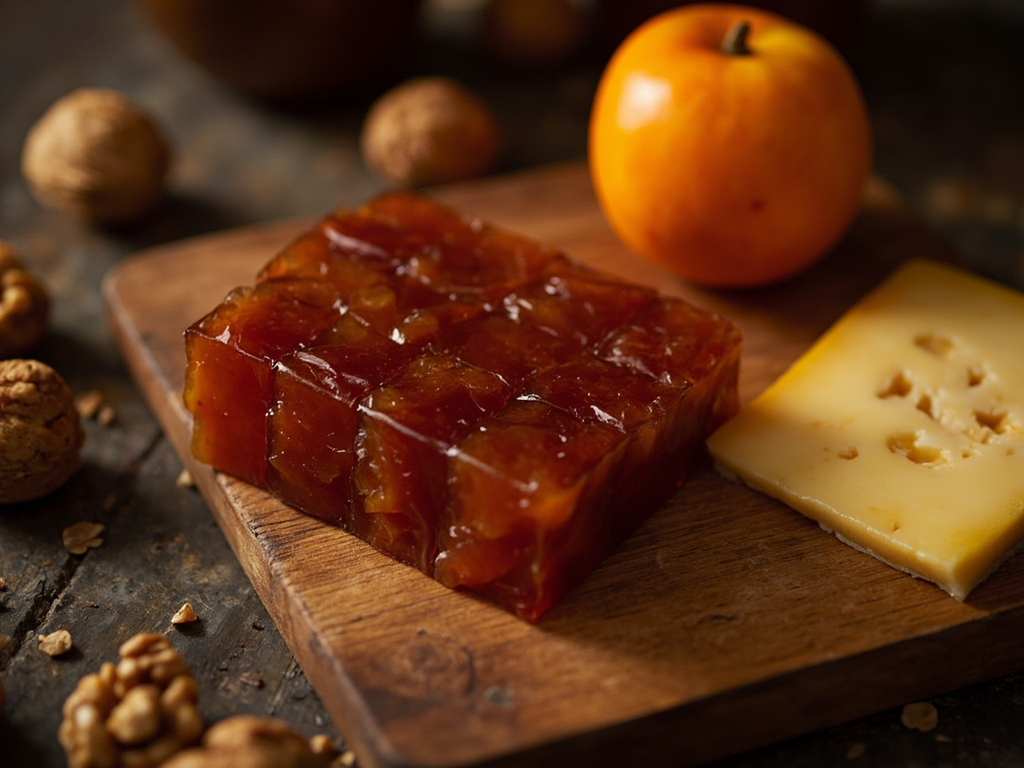
The contemporary twist : Cut into small cubes rolled in sugar, like fruit jellies, and serve with aged cheese — the quince-and-cheese pairing is a very contemporary nod to a 16th-century remedy.
Andreas Vesalius · Charactorium