 flip
flipCup of Wine Mixed with Water for Libation
Cup of Wine Mixed with Water for Libation
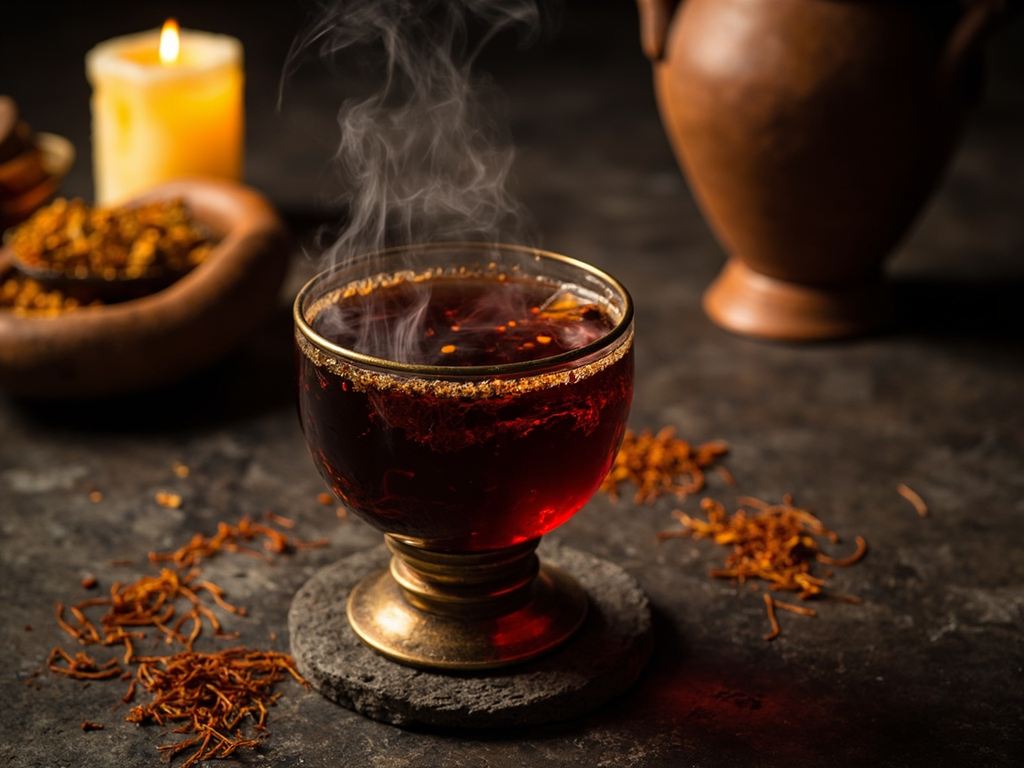
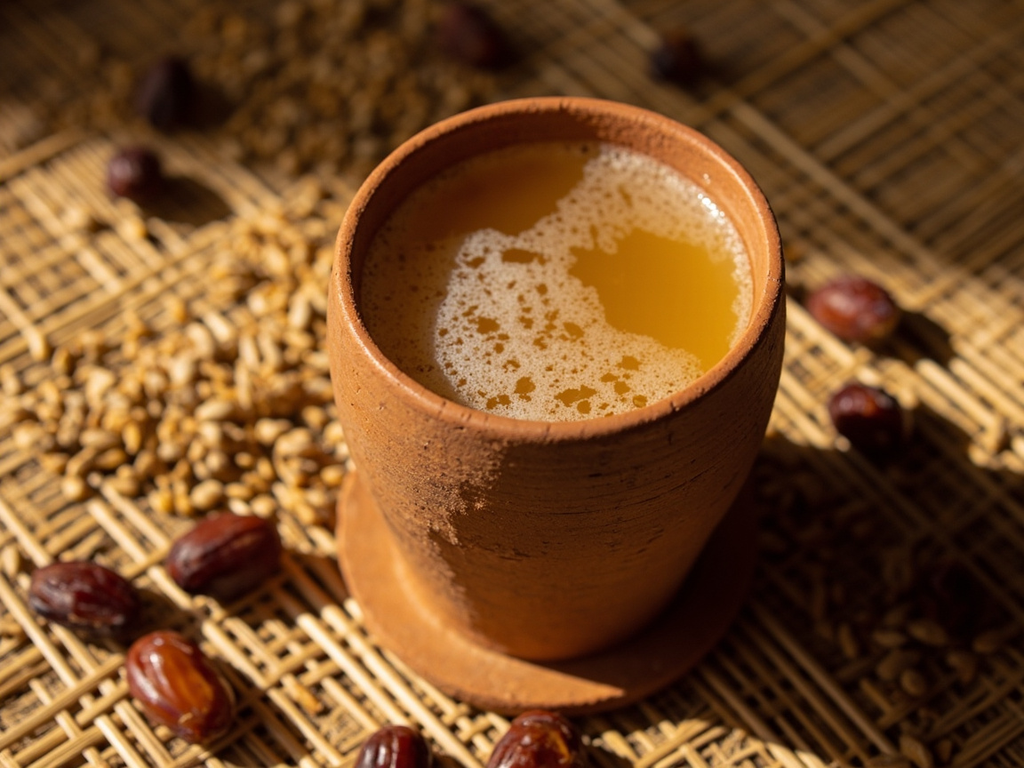
Why this dish? Wine held a central ritual place in the cult of Baal: before each banquet, a portion was poured as a libation for the god, on the altar or stele, before the guests drank the rest. The libation vessel is among the typical objects associated with Baal. This drink — inspired by the gesture, without reproducing the sacred rite — connects the faithful to their god of fertility.
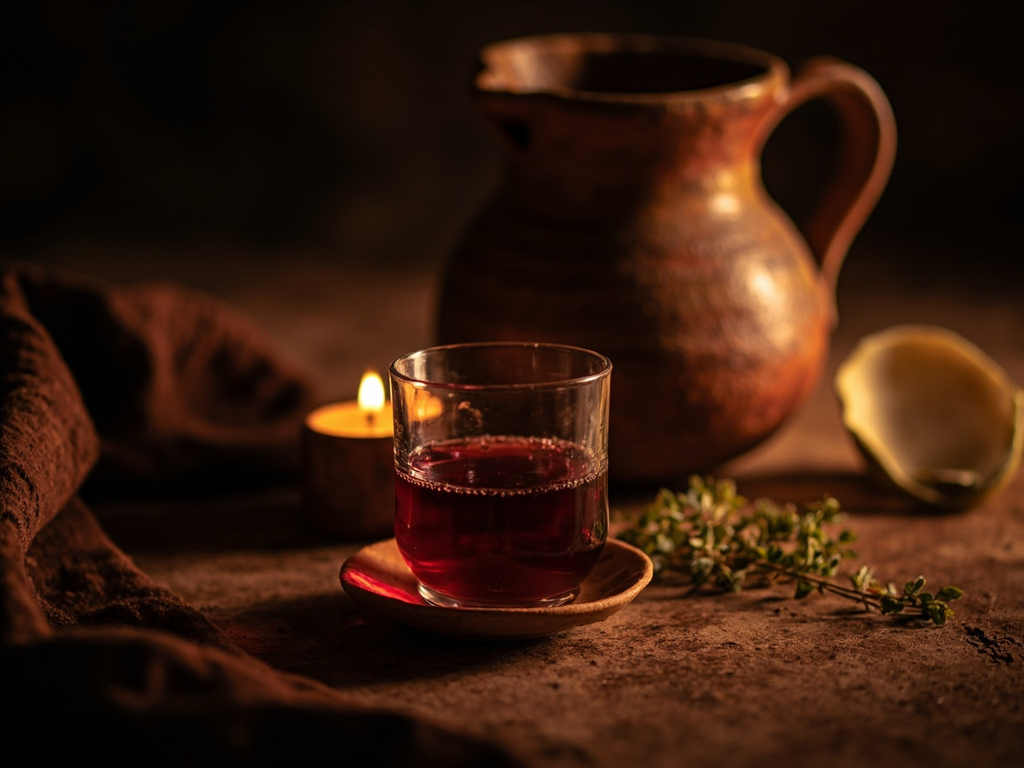
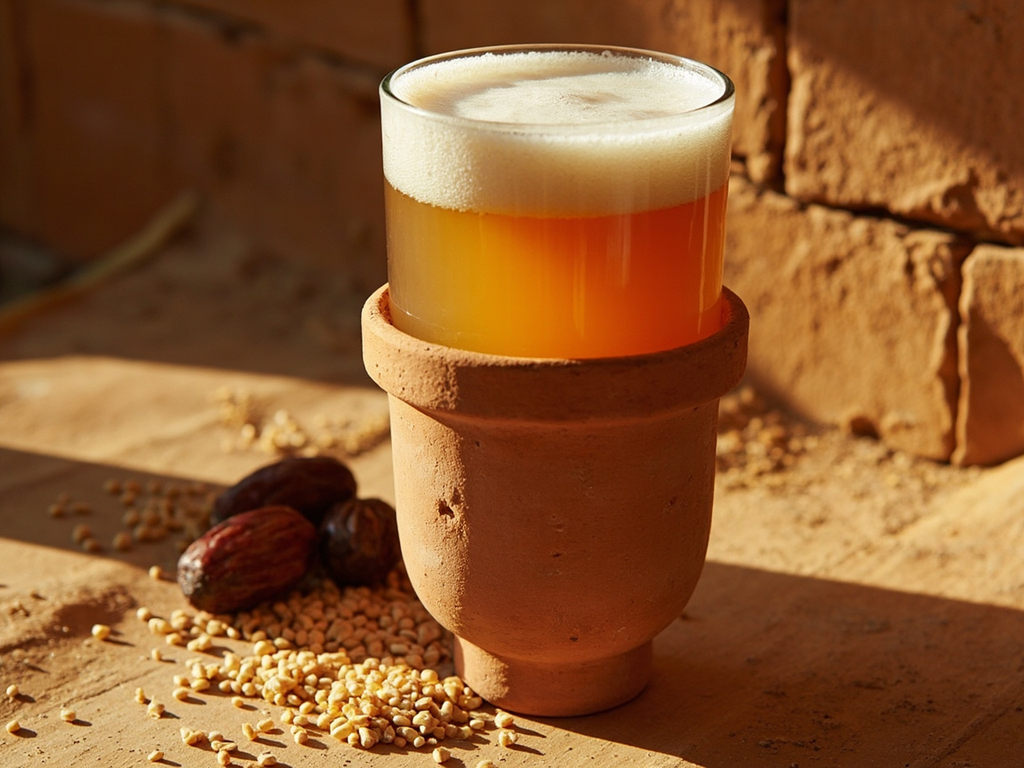
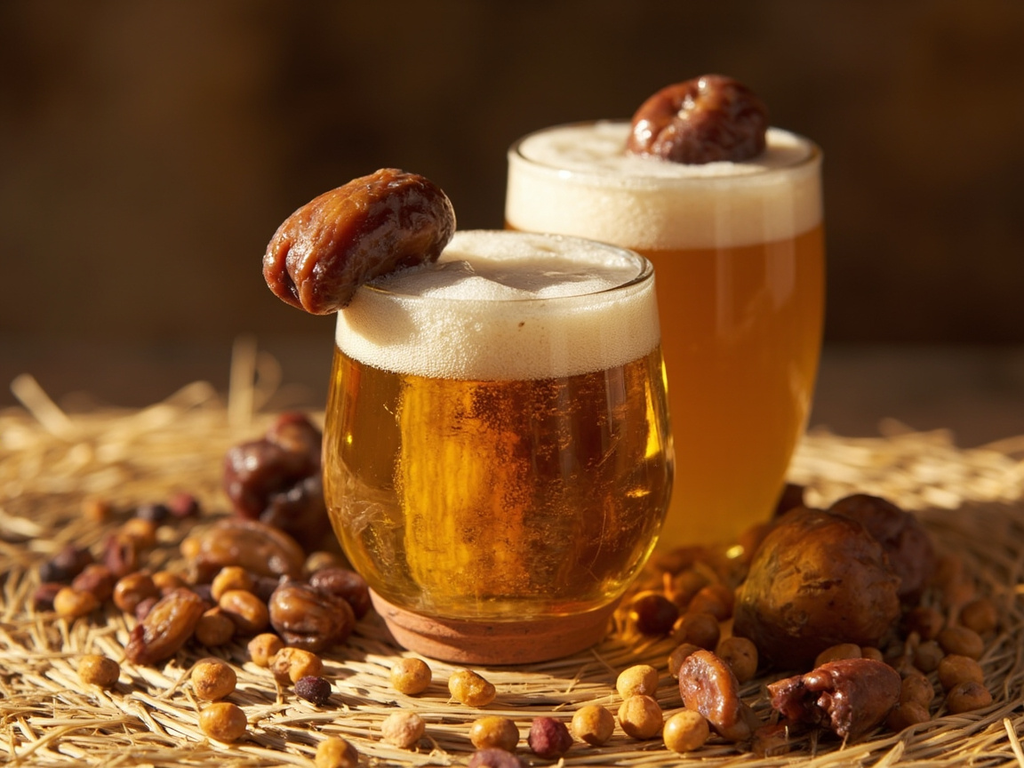
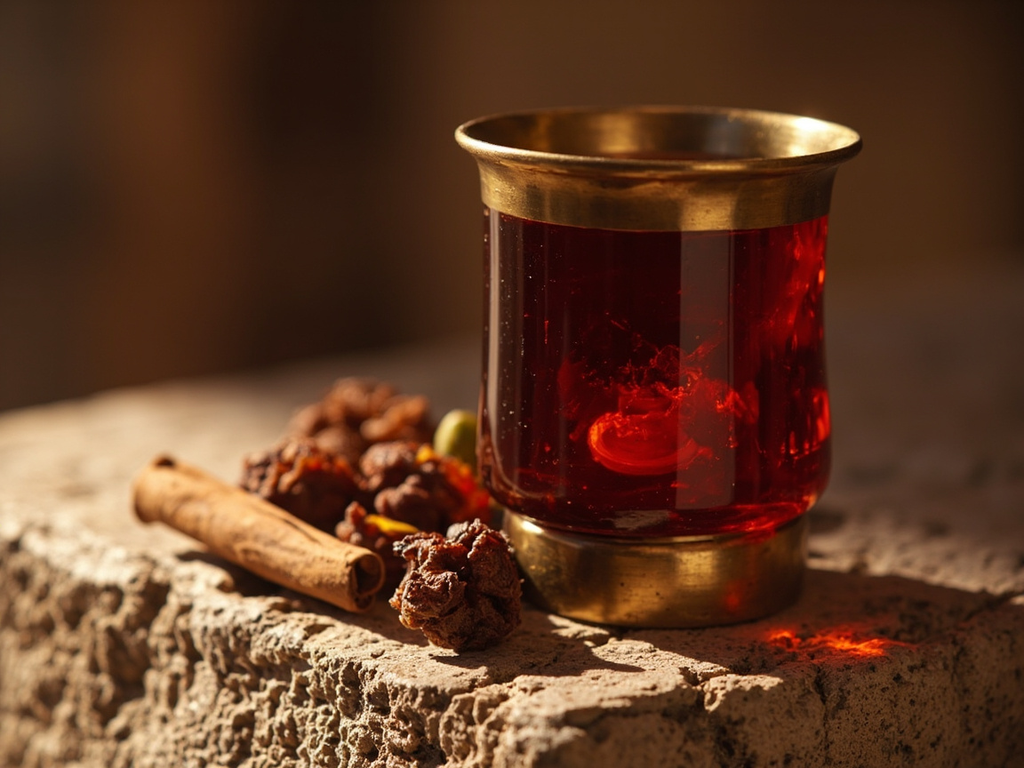
A wine flavored with honey and spices, diluted with water as it was drunk in antiquity (pure wine was considered harsh, even dangerous). Served in a cup, a few drops were first poured as an offering before drinking the rest. Sweet, tangy, and lightly spiced.
Before you bring the cup to your lips, mortal, pour me a few drops on the stone: it is my portion, and such is the custom. Never drink wine pure like a barbarian — cut it with spring water, sweeten it with a little honey, scent it with a fragrant bark. Then raise the cup, and may the vine that my rain makes climb rejoice your heart without clouding your head.
- •Wine — one part (base)
- •Spring water — two parts (dilution)
- •Honey — a spoonful (sweetness)
- •Cinnamon or fragrant bark — a fragment (flavor)
Cup of Wine Mixed with Water for Libation
A wine flavored with honey and spices, diluted with water as it was drunk in antiquity (pure wine was considered harsh, even dangerous). Served in a cup, a few drops were first poured as an offering before drinking the rest. Sweet, tangy, and lightly spiced.
Why this dish? Wine held a central ritual place in the cult of Baal: before each banquet, a portion was poured as a libation for the god, on the altar or stele, before the guests drank the rest. The libation vessel is among the typical objects associated with Baal. This drink — inspired by the gesture, without reproducing the sacred rite — connects the faithful to their god of fertility.
Before you bring the cup to your lips, mortal, pour me a few drops on the stone: it is my portion, and such is the custom. Never drink wine pure like a barbarian — cut it with spring water, sweeten it with a little honey, scent it with a fragrant bark. Then raise the cup, and may the vine that my rain makes climb rejoice your heart without clouding your head.
Ingredients (period version)
- Wine — one part (base)
- Spring water — two parts (dilution)
- Honey — a spoonful (sweetness)
- Cinnamon or fragrant bark — a fragment (flavor)
Ingredients
- Red or white wine — 150 ml (base)
- Water — 300 ml (dilution)
- Honey — 1 tablespoon (sweetness)
- Cinnamon stick — 1 small (flavor)
- Rose water (optional) — a few drops (flavor)
Method
- Warm the water with the honey and cinnamon until the honey dissolves, without boiling.
- Let infuse for 10 minutes, then remove the cinnamon.
- Mix with the wine in a large pitcher (about 1 part wine to 2 parts water).
- Serve cool or warm in cups; add a few drops of rose water at serving time if desired.
- To respect the spirit of the ancient gesture, one may symbolically pour a first drop before drinking.
How it was made : Throughout the ancient Near East and Mediterranean, wine was drunk diluted with water; drinking it pure was considered a sign of excess. Honey and spices were used to correct the acidity of often rustic and unstable wine. Libations — pouring a portion of the drink for the deity — preceded ritual meals, as attested by the texts of Ugarit and the iconography of libation vessels.
The contemporary twist : Serve well chilled over ice in a very simple glass, garnished with a dried orange peel — an 'ancient spritz' version without strong alcohol.
Baal · Charactorium