 flip
flipBiancomangiare of capon with almonds and rose water
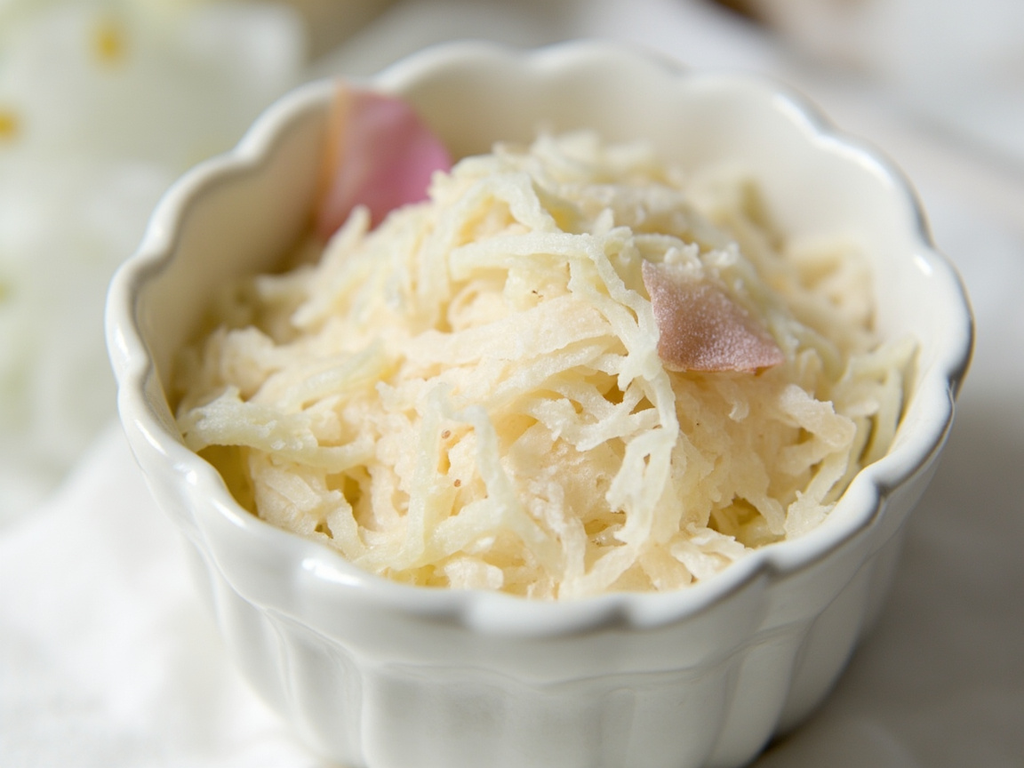
Biancomangiare of capon with almonds and rose water
Why this dish? The *biancomangiare*, white and sweet, was the dish offered to delicate guests and the sick in all Italian courts. Castiglione, a man of the study and chancellery often traveling between Urbino, Rome, and Mantua, must have more than once restored himself with this blancmange, reputed to be strengthening and easy to digest.
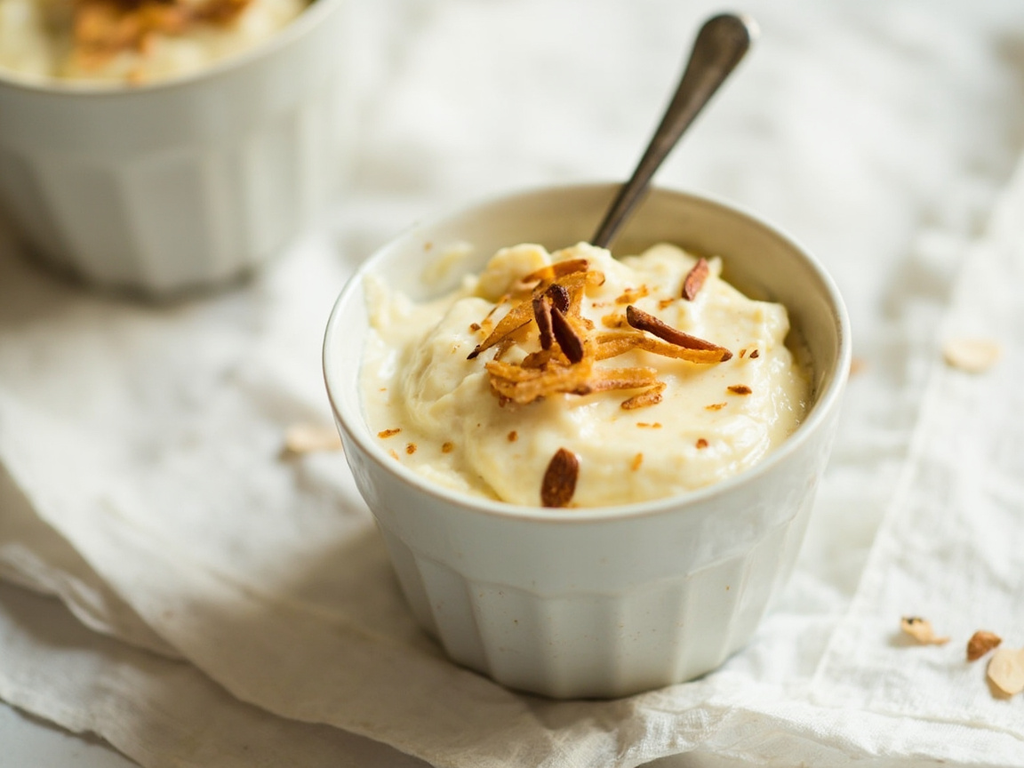
A creamy, pearly white cream of shredded capon breast, almond milk, rice flour, and sugar, scented with rose water. Soft, melting, without any sharp spice: the comfort food of the Renaissance, considered nourishing and healthy.
When the body is weary from riding or fever comes, nothing beats this blancmange. One pounds the whitest flesh of a capon with almond milk and a little rice, all sweetened with sugar and perfumed with rose water. See how white it is: no fiery spice, nothing that heats, for it suits the sick as well as the delicate lady. I have often taken it upon returning from long roads, and it has restored my strength without weighing on the stomach.
- •Capon breast — the flesh of one breast (shredded base)
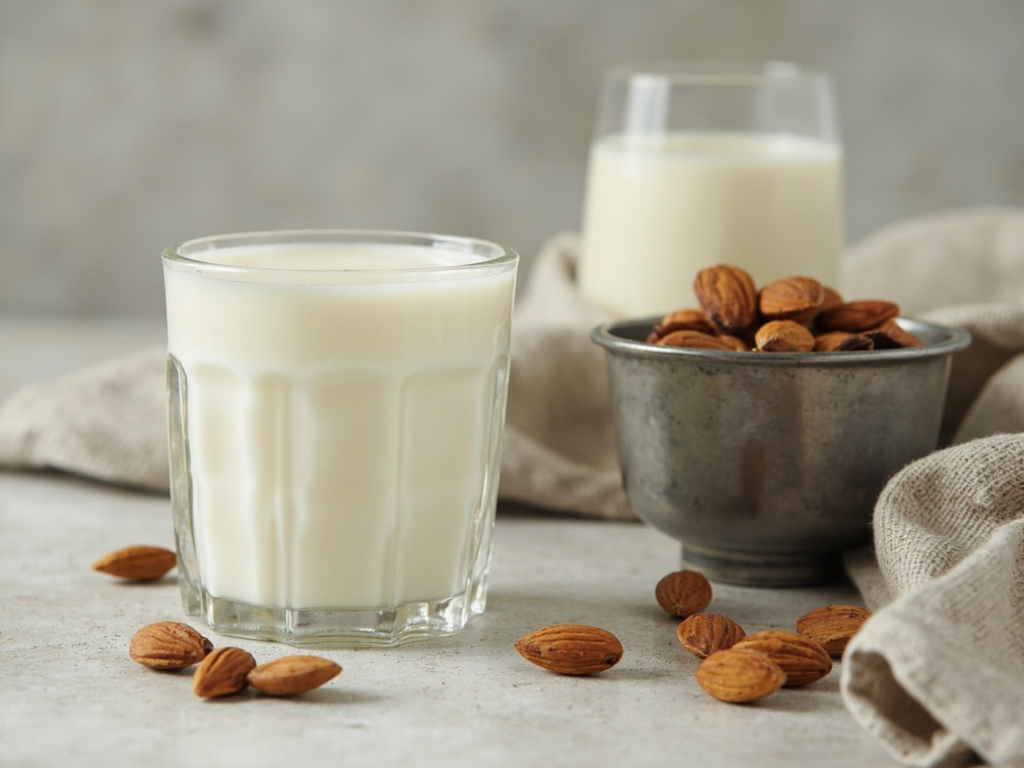
- •Sweet almonds — a good handful (almond milk)
- •Rice flour — a few spoonfuls (thickener)
- •Sugar — to taste (sweetness)
- •Rose water — a dash (flavoring)
Biancomangiare of capon with almonds and rose water
A creamy, pearly white cream of shredded capon breast, almond milk, rice flour, and sugar, scented with rose water. Soft, melting, without any sharp spice: the comfort food of the Renaissance, considered nourishing and healthy.
Why this dish? The *biancomangiare*, white and sweet, was the dish offered to delicate guests and the sick in all Italian courts. Castiglione, a man of the study and chancellery often traveling between Urbino, Rome, and Mantua, must have more than once restored himself with this blancmange, reputed to be strengthening and easy to digest.
When the body is weary from riding or fever comes, nothing beats this blancmange. One pounds the whitest flesh of a capon with almond milk and a little rice, all sweetened with sugar and perfumed with rose water. See how white it is: no fiery spice, nothing that heats, for it suits the sick as well as the delicate lady. I have often taken it upon returning from long roads, and it has restored my strength without weighing on the stomach.
Ingredients (period version)
- Capon breast — the flesh of one breast (shredded base)
- Sweet almonds — a good handful (almond milk)
- Rice flour — a few spoonfuls (thickener)
- Sugar — to taste (sweetness)
- Rose water — a dash (flavoring)
Ingredients
- Poached free-range chicken breast (or capon) — 250 g (shredded base)
- Ground almonds / blanched almonds — 150 g (almond milk)
- Water — 500 ml (for almond milk)
- Rice flour — 40 g (thickener)
- Sugar — 60 g (sweetness)
- Rose water — 1 tsp (flavoring)
- Salt — 1 pinch (balance)
Method
- Prepare almond milk: blend the almonds with warm water, let steep for 20 minutes, then strain through a cloth.
- Finely shred the poached poultry breast into almost thread-like filaments.
- Dissolve the rice flour in a little cold almond milk.
- Bring the remaining almond milk to a simmer with the sugar and a pinch of salt, add the dissolved rice flour and the shredded poultry, then stir constantly over low heat for 15-20 minutes until a thick, coating cream forms.
- Off the heat, flavor with rose water.
- Serve warm or cold in a white bowl, optionally dusted with a little sugar.
How it was made : The *biancomangiare* appears in almost all medieval and Renaissance cookbooks (Martino, Platina). Its complete whiteness — white meat, almond, rice, sugar — reflected humoral dietetics: a 'temperate' dish recommended by physicians for convalescents and weak stomachs.
The contemporary twist : Served chilled in a verrine with a few crystallized rose petals, it becomes a puzzling cream dessert for guests who never guess it contains chicken.
Sources : Maestro Martino, *Libro de arte coquinaria* (c. 1465) · Bartolomeo Platina, *De honesta voluptate et valetudine* (1474)
Baldassare Castiglione · Charactorium