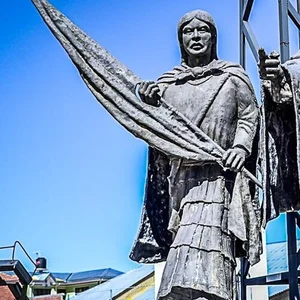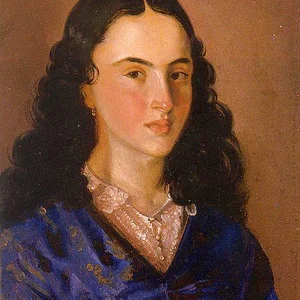

Heroine of Colombian independence (c. 1795–1817), nicknamed "La Pola". A seamstress and patriot spy, she recruited soldiers for the independence cause. Captured by the Spanish, she was executed by firing squad in Bogotá on November 14, 1817.
Policarpa Salavarrieta(1795 — 1817)
Policarpa Salavarrieta
Grande Colombie
8 min read
Frequently asked questions
Famous Quotes
« "Pueblo indigno! ¡Cómo distinta sería vuestra suerte si conocierais el precio de la libertad!" (words attributed by tradition to the moment of her execution, November 14, 1817)»
Key Facts
- Born around 1795 in Guaduas (New Granada, present-day Colombia), into a modest Creole family
- Worked as a seamstress in Bogotá, which allowed her to move freely and gather intelligence for the insurgents
- Recruited royalist soldiers and convinced them to defect to the patriot army
- Arrested in 1817 by Spanish authorities during Pablo Morillo's Reconquista
- Executed by firing squad on November 14, 1817, in Bogotá; her defiant last words to the crowd have been passed down through oral tradition
Works & Achievements
Policarpa organized and ran a clandestine network for gathering military intelligence within the royalist capital itself. Her work enabled the transmission of valuable intelligence to the forces of Simón Bolívar and Francisco de Paula Santander operating in the Llanos.
Under the cover of her work as a seamstress, Policarpa persuaded numerous young men to desert the royalist army or join the independence forces. This activity was one of the main charges brought against her at her trial.
Policarpa's final words — "¡Pueblo indigno! ¡Llorad vuestra suerte y la mía!" (Unworthy people! Weep for your fate and mine!) — were passed down orally and became a rallying cry for the Colombian independence cause.
Though not created by her, Policarpa's face adorned the Colombian ten-peso banknote for decades, making her one of the nation's official symbols. Her image became the embodiment of women's resistance against colonial oppression.
The figure of Policarpa inspired several generations of Colombian activists who claimed her legacy as their own. Women's organizations, schools, and streets throughout the country bear her name in tribute to her courage.
Anecdotes
Policarpa Salavarrieta used her trade as a seamstress as the perfect cover for her espionage activities. Working in the homes of royalist families in Bogotá, she sewed uniforms and clothing while listening to confidential military conversations, which she then passed on to the insurgent patriots.
The nickname "La Pola" was given to her by the Colombian people and became a symbol of resistance. The name grew so popular that patriot women who committed themselves to independence were often called "las Polas" in her honor, a testament to the admiration she inspired during her lifetime.
Arrested on November 14, 1817, Policarpa refused to repent or denounce her accomplices despite pressure from the Spanish authorities. Led to the execution site at the Plaza Mayor in Bogotá, she faced the firing squad shouting words of encouragement for the patriot cause until her very last moment.
Her companion Alejo Sabaraín was shot the same day. According to contemporary accounts, Policarpa refused to be blindfolded or turned away from the soldiers, insisting on dying while facing her executioners — an act of courage that made a profound impression on those who witnessed her execution.
Primary Sources
La rea Policarpa Salavarrieta, alias La Pola, ha sido encontrada culpable de espionaje y sedición contra la Corona española, habiendo reclutado soldados para las fuerzas insurgentes y transmitido informaciones militares a los enemigos del Rey.
La vi caminar hacia el patíbulo con paso firme y sereno, sin mostrar el menor signo de arrepentimiento, lanzando palabras de fuego en favor de la independencia. Su valentía dejó una impresión indeleble en cuantos la presenciamos.
En la mañana del 14 de noviembre de 1817 fueron ejecutados en la Plaza Mayor de Santafé varios insurgentes, entre ellos la costurera Policarpa Salavarrieta, condenada por actividades de espionaje y reclutamiento para las fuerzas rebeldes.
The women of the neighborhood told how La Pola hid secret messages in the hems of the dresses she sewed, and that the Spanish soldiers never thought to search the garments she delivered to royalist households.
Key Places
The likely birthplace of Policarpa Salavarrieta, located between Bogotá and Honda. A museum dedicated to her memory stands in this town, which honors her as a national heroine.
The site of Policarpa's execution on November 14, 1817. It was on this central square in Bogotá that she was shot alongside several patriot companions, becoming a martyr of independence.
Bogotá's historic colonial quarter where Policarpa lived and worked as a seamstress. The stone houses and narrow alleyways of this neighborhood formed the backdrop for her activities as a spy.
A strategic river town near Guaduas and an important crossing point on the Magdalena River. It served as a hub for the patriot networks of which Policarpa was a part.
The place where Policarpa was held following her arrest in October 1817. She was imprisoned here before her summary trial and execution, refusing to the very end to betray her fellow conspirators.
Typical Objects

Everyday tools of Policarpa's trade as a seamstress — a cover she used to conceal her work as a spy. These humble instruments allowed her to enter royalist homes without raising suspicion.

Policarpa sewed uniforms and clothing for royalist families, which gave her access to confidential military information that she passed on to insurgent patriots.

Small slips of paper on which military intelligence was recorded — troop positions, soldier movements — that Policarpa collected and smuggled to independence forces.

A traditional Colombian garment worn by common women in the early 19th century. The ruana was useful for concealing documents or objects while moving through the streets of Bogotá.

A devotional object commonly carried by women in New Granadan society. According to tradition, Policarpa wore one and held it during her final moments before her execution.

A church record attesting to the existence of the Salavarrieta family in the Guaduas region. These archives are among the few documentary sources on Policarpa's origins.
School Curriculum
Vocabulary & Tags
Key Vocabulary
Tags
Daily Life
Morning
Policarpa rose at dawn in her modest home in the La Candelaria neighborhood, reciting her Catholic prayers — an essential cover in colonial society — before preparing her sewing materials. She would plan her visits to the wealthy royalist families whose homes she worked in as a seamstress.
Afternoon
Her afternoons were spent working at her royalist clients' homes, where she sewed and mended clothing while carefully listening to conversations about troop movements. Back home, she would encode the information she had gathered and look for discreet opportunities to pass it along to patriot contacts.
Evening
In the evenings, by candlelight in the shadowy colonial houses, Policarpa held clandestine meetings with her patriot accomplices to relay intelligence and coordinate the recruitment of soldiers. These secret gatherings, conducted in hushed voices, were extremely dangerous under General Morillo's reign of terror.
Food
Policarpa's daily diet was that of a common woman from New Granada: ajiaco (a soup made with Andean potatoes and chicken), corn in all its forms, black beans, arepa (corn flatbread), and tropical fruits. Chicha (a fermented corn drink) was the common beverage, often accompanied by herbal infusions made from Andean plants.
Clothing
Policarpa wore the simple garments of Bogotá's common women: a dark, long-sleeved cotton dress, a shawl or ruana for outings, and a black mantilla for church. Her work clothes were functional and understated, perfectly suited to her role as a seamstress — the cover identity she depended on.
Housing
Policarpa lived in a single-story adobe house in the colonial La Candelaria district, with thick walls, an interior patio typical of Hispanic American architecture, and iron-barred windows. The simple interior held a small domestic altar, a sewing frame, and little furniture — the modest circumstances of a craftswoman living under military occupation.
Historical Timeline
Period Vocabulary
Visual Style
Style visuel baroque colonial andin : architecture espagnole blanchie, lumière dramatique des Andes, palette sombre rehaussée de bleu patriote, évoquant les peintures de Goya dans leur tension entre oppression et résistance.
Sound Ambience
Ambiance sonore de Bogotá coloniale : cloches d'église, marché animé, sabots sur les pavés, et le murmure discret des réunions clandestines dans les maisons du quartier La Candelaria.
Liens externes & ressources
Références
Œuvres
Recrutement de soldats pour l'armée patriote
1816–1817
Paroles prononcées avant son exécution
14 novembre 1817
Portrait symbolique de la nation colombienne
XIXe–XXe siècles
Inspiration du mouvement féministe colombien
XIXe–XXe siècles