 flip
flipBarley Flatbreads with Figs and Honey from the Altar of Peor
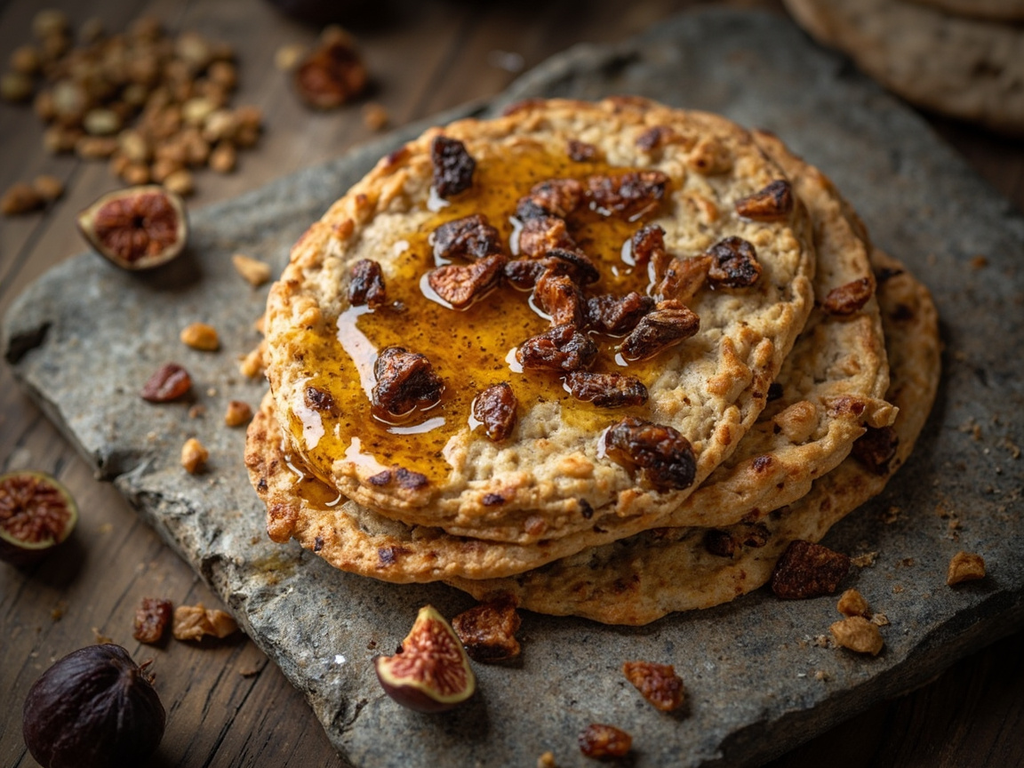
Barley Flatbreads with Figs and Honey from the Altar of Peor
Why this dish? The name Belphegor derives from Baal-Peor, a Moabite deity honored on Mount Peor. The Book of Numbers (chapter 25) recounts that offerings were shared there; these sweet flatbreads, inspired by the cereal *minha* of the ancient Levant, evoke what was placed to win the favor of the mountain god.
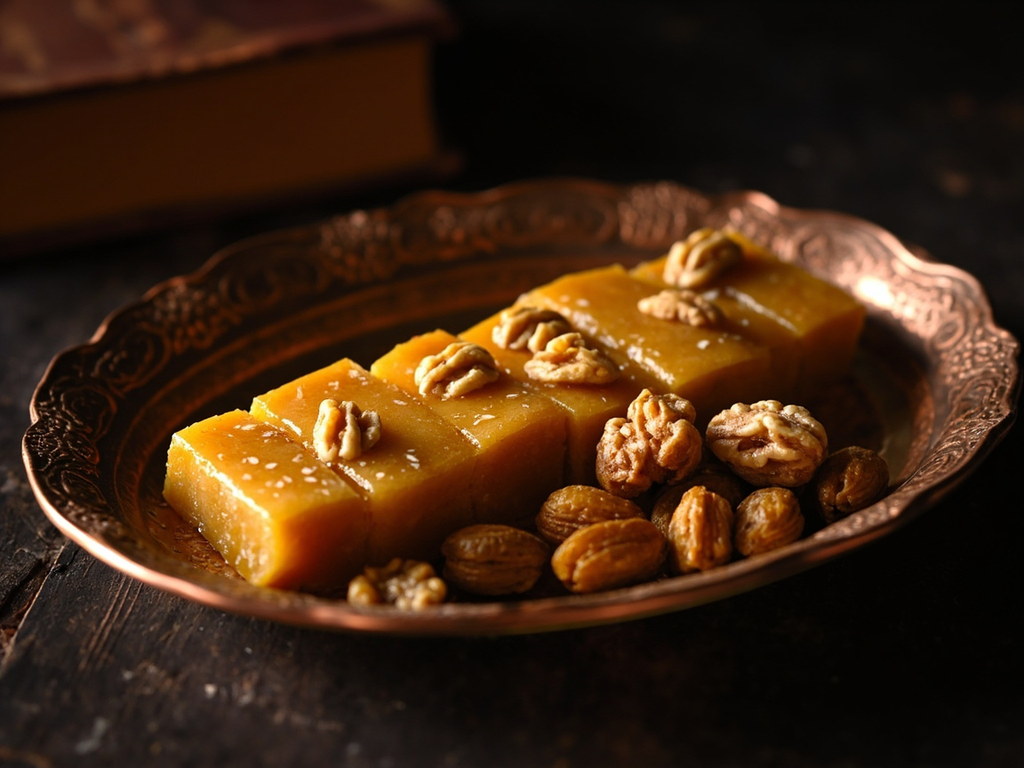
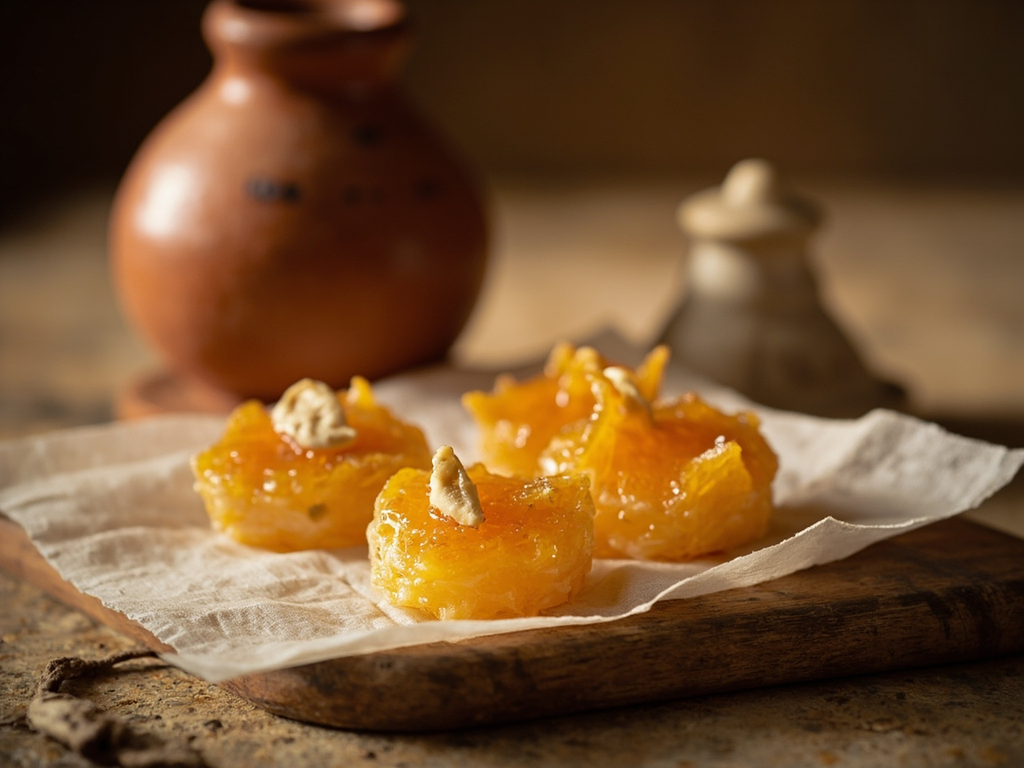
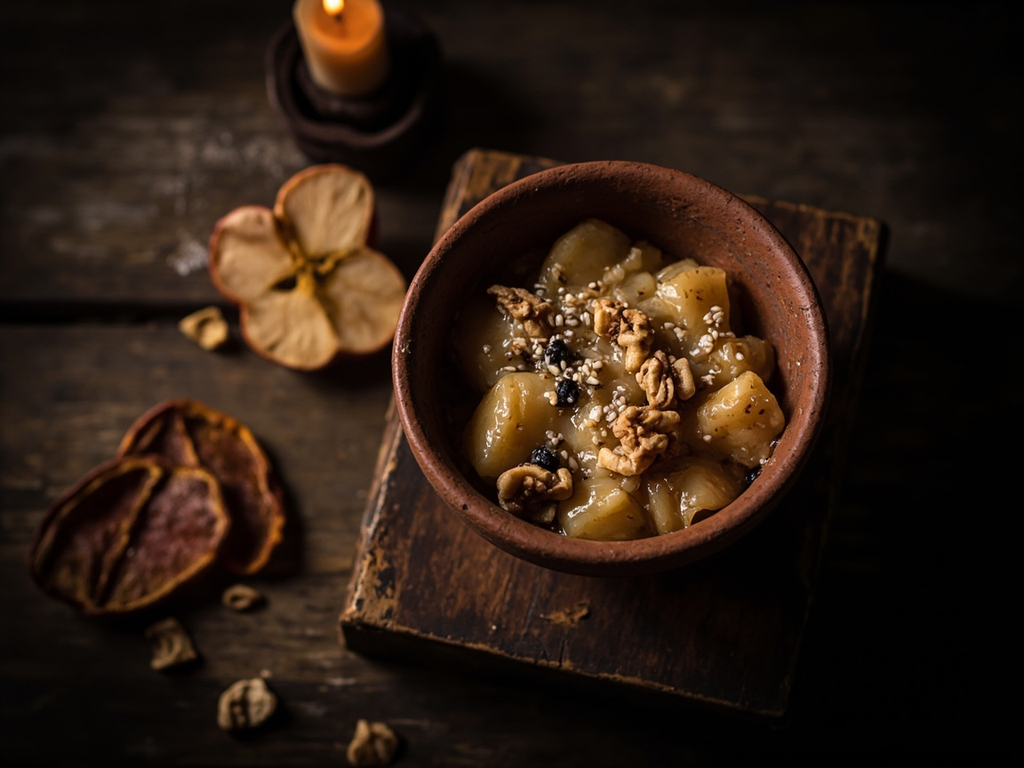
Thin unleavened barley flatbreads, studded with dried figs and drizzled with honey: effortless sweetness laid on a hot stone. The tempter's bread, promising immediate satiety.
Approach, mortal, and do not weary yourself: see how this flatbread cooks on a simple stone, without oven or labor. I saw the people of Moab climb Peor to offer me such things, thinking to buy gold and rest from me. Trust the prince of laziness: just press the fig into the dough, pour the honey, and let the hearth work in your place. Everything gained without effort tastes better — that is my whole teaching.
- •Barley flour — two handfuls per person (base of the flatbread)
- •Dried figs — a good pinch, chopped (sweetness and chew)
- •Wild honey — as needed (binder and topping)
- •Olive oil — a drizzle (dough suppleness)
- •Spring water — as needed (hydration)
- •Salt — a pinch (seasoning)
Barley Flatbreads with Figs and Honey from the Altar of Peor
Thin unleavened barley flatbreads, studded with dried figs and drizzled with honey: effortless sweetness laid on a hot stone. The tempter's bread, promising immediate satiety.
Why this dish? The name Belphegor derives from Baal-Peor, a Moabite deity honored on Mount Peor. The Book of Numbers (chapter 25) recounts that offerings were shared there; these sweet flatbreads, inspired by the cereal *minha* of the ancient Levant, evoke what was placed to win the favor of the mountain god.
Approach, mortal, and do not weary yourself: see how this flatbread cooks on a simple stone, without oven or labor. I saw the people of Moab climb Peor to offer me such things, thinking to buy gold and rest from me. Trust the prince of laziness: just press the fig into the dough, pour the honey, and let the hearth work in your place. Everything gained without effort tastes better — that is my whole teaching.
Ingredients (period version)
- Barley flour — two handfuls per person (base of the flatbread)
- Dried figs — a good pinch, chopped (sweetness and chew)
- Wild honey — as needed (binder and topping)
- Olive oil — a drizzle (dough suppleness)
- Spring water — as needed (hydration)
- Salt — a pinch (seasoning)
Ingredients
- Barley flour — 250 g (base of the flatbread)
- Dried figs — 150 g, chopped (sweetness and chew)
- Honey — 3 tbsp (+ for drizzling) (binder and topping)
- Olive oil — 2 tbsp (dough suppleness)
- Warm water — 120 to 150 ml (hydration)
- Salt — 1 pinch (seasoning)
Method
- Mix the barley flour, salt, oil, and honey, then add the water little by little until you get a soft, non-sticky dough.
- Fold in the chopped figs and let the dough rest for 15 minutes under a cloth.
- Divide into balls and roll out into thin flatbreads, 4 to 5 mm thick.
- Cook for 2 to 3 minutes per side on a very hot cast-iron pan (or griddle) without fat, until golden spots appear.
- Drizzle with honey upon removal and serve warm.
How it was made : In the ancient Levant, barley — less noble than wheat — fed the common people and served as a modest offering. These flatbreads were baked on heated stones or clay slabs over the fire, unleavened because the dough was prepared and baked on the spot.
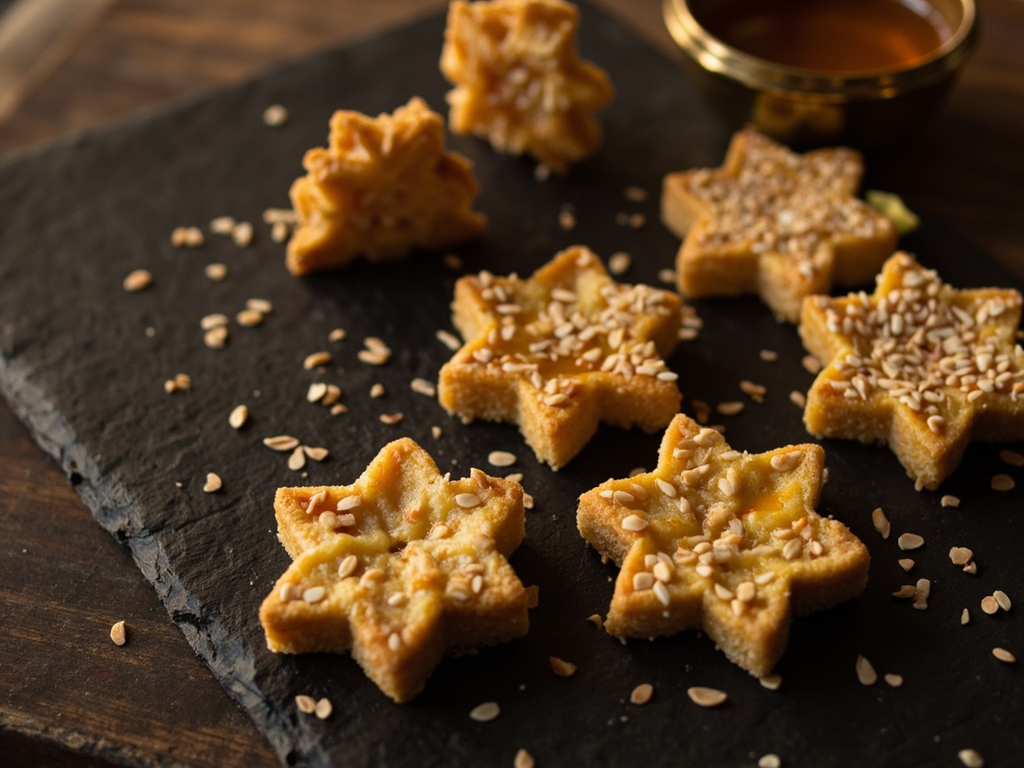
The contemporary twist : Served stacked like a rustic mille-feuille, with honey flowing between each flatbread and a few toasted sesame seeds on top.
Sources : Bible, Book of Numbers 25 (episode of Baal-Peor) · Nathan MacDonald, What Did the Ancient Israelites Eat? Diet in Biblical Times, Eerdmans, 2008
Belphegor · Charactorium