 flip
flipInlagd sill — Scanian Pickled Herring
Inlagd sill — Scanian Pickled Herring
Why this dish? Birgit Nilsson often said that, far from the constraints of performance nights, she returned to the simple flavors of her childhood: pickled herring, potatoes, and dark rye bread. Pickled herring is the cornerstone of every Scanian table.
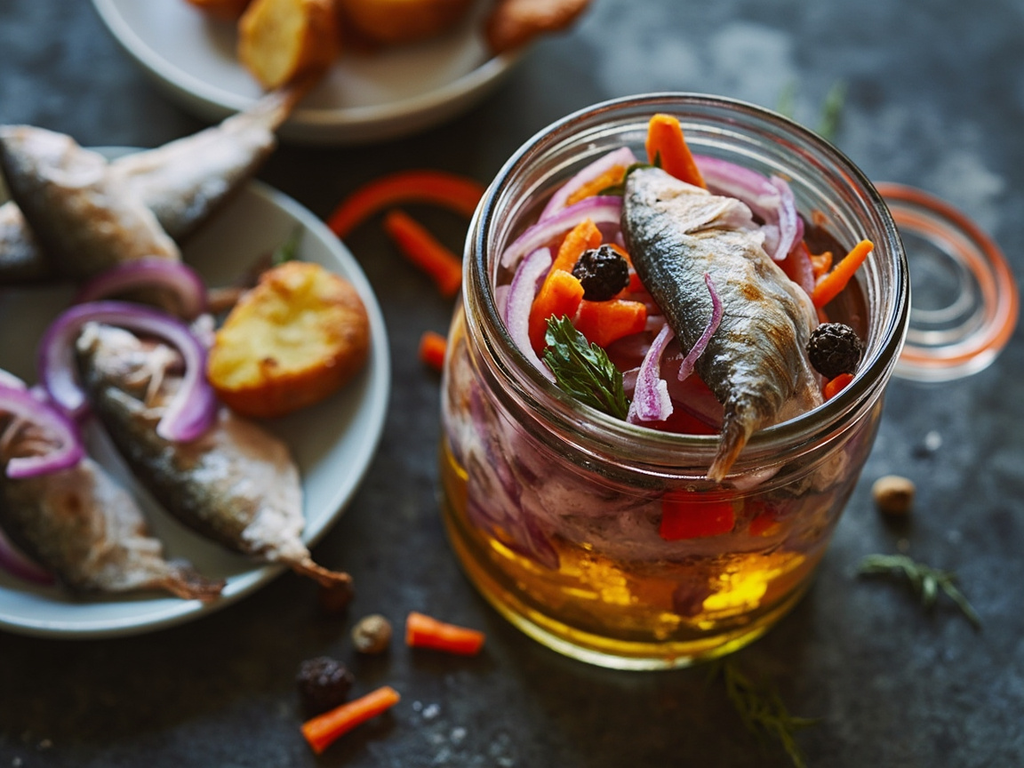
Desalted herring fillets marinated in a sweet vinegar syrup with onion, carrot, and juniper berries. Tangy, fresh, it keeps for weeks in the cool — the iconic preserve of the Swedish peasant.
Back home in Scania, we always had herring in the cellar! My mother would soak it overnight to remove the coarse salt, then we'd layer it in the jar with onion, carrot, and juniper. You know, after a performance in Bayreuth, what I wanted wasn't champagne — it was this, my herring and a good potato, just like at the farm. The secret is not to be stingy with patience: you have to let it rest three days before touching it.
- •Salt-cured Baltic herring — a good armful (base fish, salt-preserved)
- •White vinegar — to taste (acidity, preservation)
- •Sugar — in equal parts to sweeten (balance the vinegar)
- •Yellow onion — a few (aromatic)
- •Juniper berries and allspice — a pinch (Nordic spices)
- •Bay leaf — a few (fragrance)
Inlagd sill — Scanian Pickled Herring
Desalted herring fillets marinated in a sweet vinegar syrup with onion, carrot, and juniper berries. Tangy, fresh, it keeps for weeks in the cool — the iconic preserve of the Swedish peasant.
Why this dish? Birgit Nilsson often said that, far from the constraints of performance nights, she returned to the simple flavors of her childhood: pickled herring, potatoes, and dark rye bread. Pickled herring is the cornerstone of every Scanian table.
Back home in Scania, we always had herring in the cellar! My mother would soak it overnight to remove the coarse salt, then we'd layer it in the jar with onion, carrot, and juniper. You know, after a performance in Bayreuth, what I wanted wasn't champagne — it was this, my herring and a good potato, just like at the farm. The secret is not to be stingy with patience: you have to let it rest three days before touching it.
Ingredients (period version)
- Salt-cured Baltic herring — a good armful (base fish, salt-preserved)
- White vinegar — to taste (acidity, preservation)
- Sugar — in equal parts to sweeten (balance the vinegar)
- Yellow onion — a few (aromatic)
- Juniper berries and allspice — a pinch (Nordic spices)
- Bay leaf — a few (fragrance)
Ingredients
- Salted herring fillets (matjes or sill) — 500 g (base fish)
- White vinegar 12% — 100 ml (acidity)
- Water — 200 ml (dilution of the marinade)
- Sugar — 150 g (balance)
- Red onion — 1 large (aromatic, color)
- Carrot — 1 (sweetness, color)
- Juniper berries — 8 (Nordic fragrance)
- Allspice — 8 grains (spice)
- Bay leaves — 2 (fragrance)
Method
- If the herring are very salty, soak them for 8-12 hours in cold water, changing the water, then drain and cut into 2 cm pieces.
- Prepare the syrup: bring water, vinegar, and sugar to a simmer until dissolved, then cool completely.
- Slice the red onion into thin rings and the carrot into rounds.
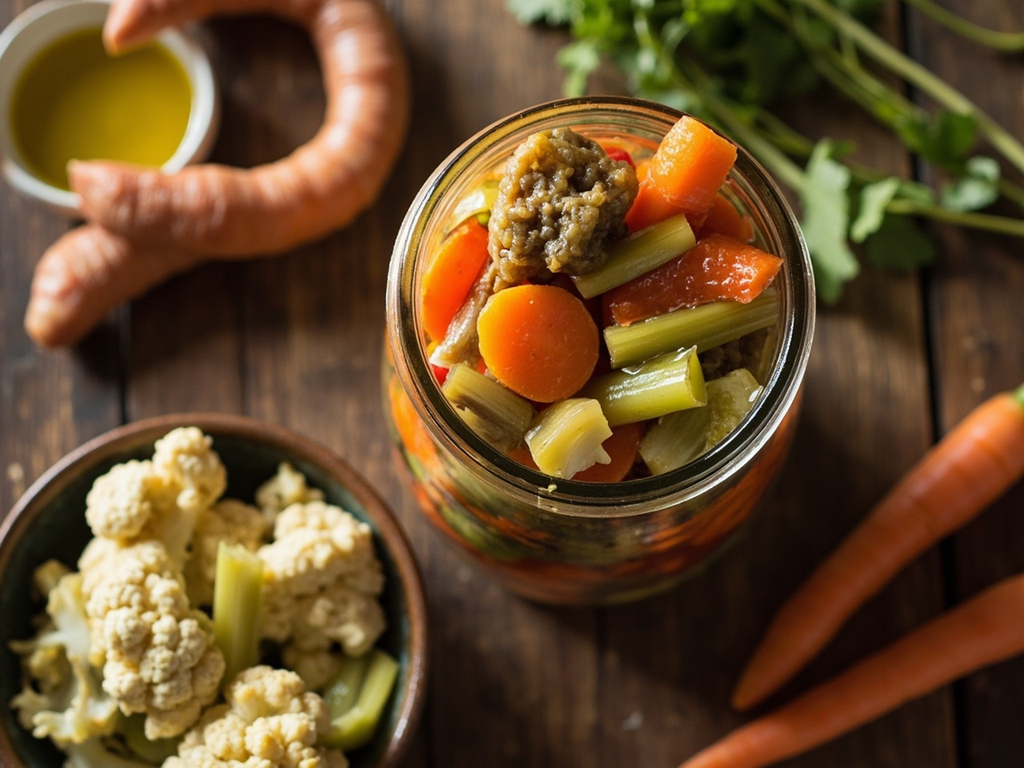
- In a sterilized jar, layer herring, onion, carrot, juniper berries, allspice, and bay leaves.
- Pour the cold syrup over to cover completely, seal, and refrigerate.
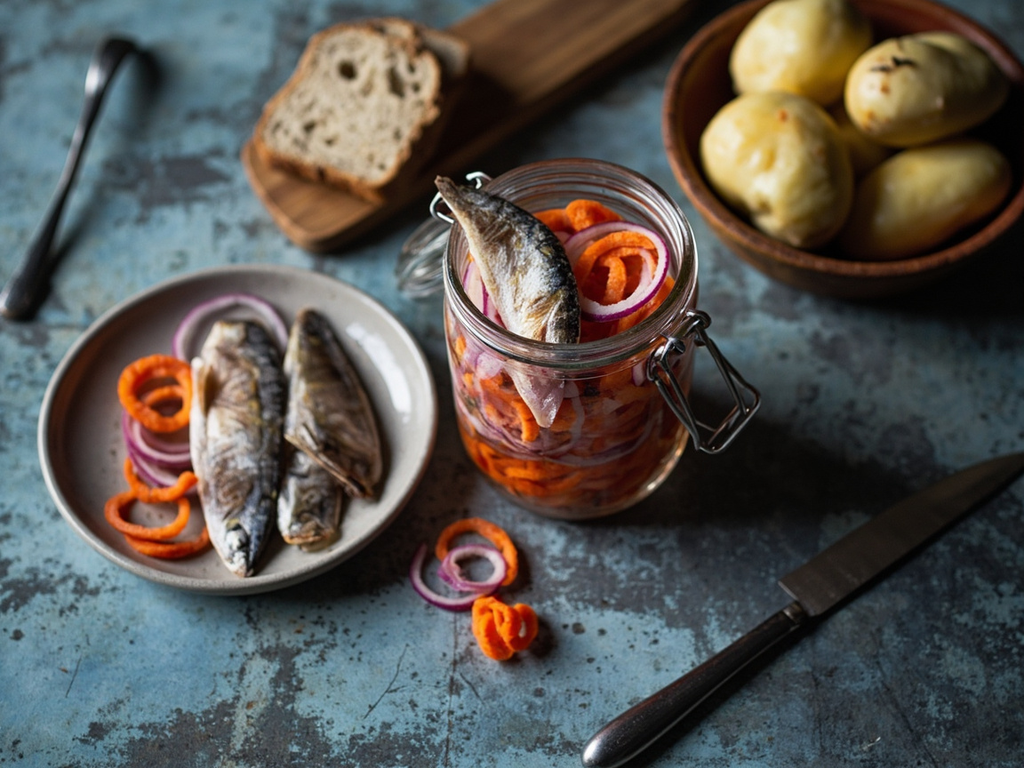
- Marinate for at least 3 days before serving with warm potatoes and rye bread.
How it was made : Before refrigeration, salting the herring caught in large numbers in the Baltic Sea and the Øresund was a vital necessity to get through winter. Desalting and then marinating in sweet vinegar (inläggning) transformed this austere reserve into a festive dish. Every Scanian farm had its own jar recipe.
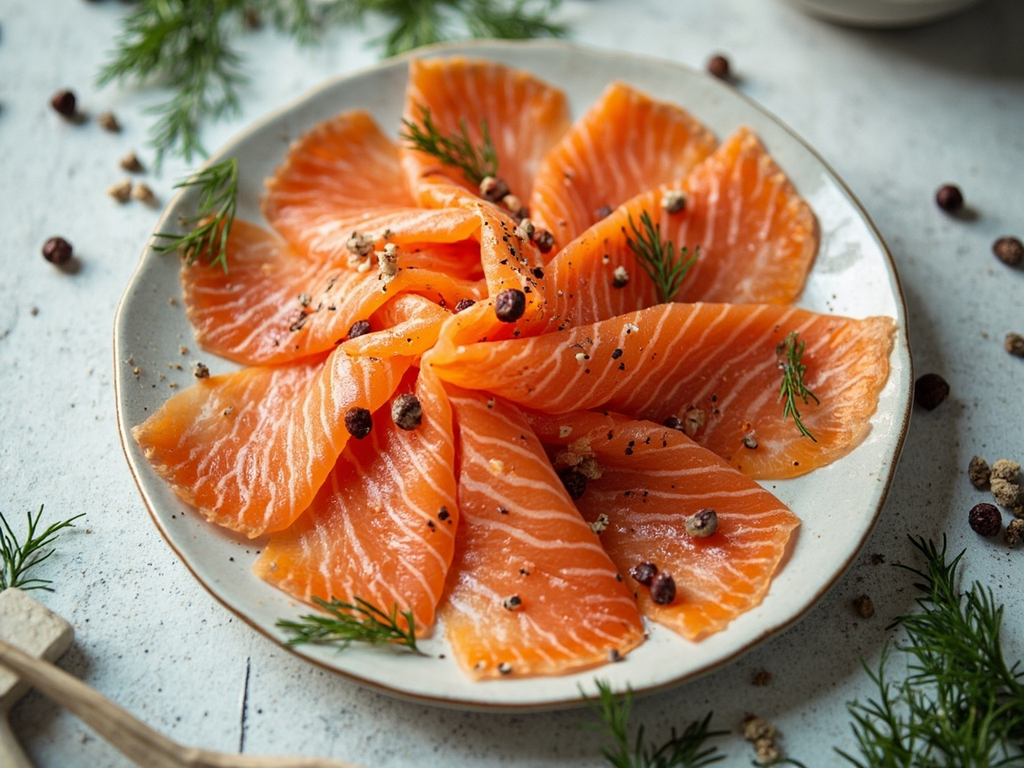
The contemporary twist : Arrange the pieces on an appetizer spoon with a dollop of sour cream and a micro dill sprig — a Swedish 'snaps-bite' for toasting.
Birgit Nilsson · Charactorium