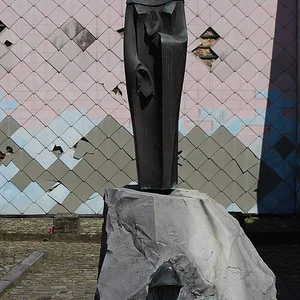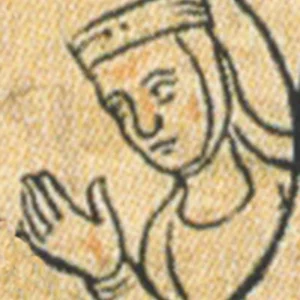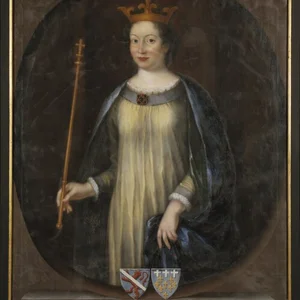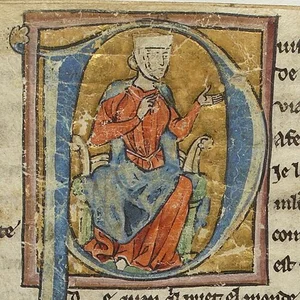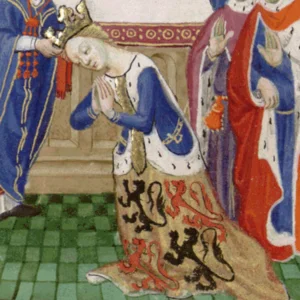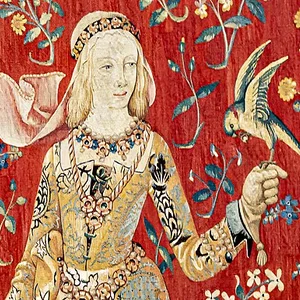

Blanche of Lancaster (c. 1341–1368) was the daughter of Henry of Grosmont, first Duke of Lancaster, and the wife of John of Gaunt, son of King Edward III of England. Her early death inspired her husband to commission the poem *The Book of the Duchess* from Geoffrey Chaucer.
Blanche of Lancaster(1342 — 1368)
Blanche of Lancaster
royaume d'Angleterre
8 min read
Frequently asked questions
Key Facts
- c. 1341: born, daughter of Henry of Grosmont, first Duke of Lancaster
- 1359: married John of Gaunt, son of Edward III of England
- 1368: died of the Black Death at around age 27
- Her death inspired Geoffrey Chaucer's *The Book of the Duchess* (c. 1368–1374)
- She passed on to her descendants the rights to the Duchy of Lancaster, laying the foundation for the future royal House of Lancaster
Works & Achievements
Through her inheritance upon the death of her father Henry of Grosmont in 1361, Blanche conveyed to her husband John of Gaunt one of the greatest feudal estates in England. This major patrimonial act consolidated Lancaster power for generations and shaped the course of English royal history.
John of Gaunt, in memory of Blanche, founded anniversary masses celebrated each year at St Paul's Cathedral. This pious foundation ensured Blanche a lasting commemoration within the religious institutions of fourteenth-century England.
The life and death of Blanche were the direct inspiration behind John of Gaunt's commissioning of Chaucer's poem, one of the earliest great poetic texts in Middle English. Without Blanche, this foundational work of English literature would never have come into being.
Anecdotes
Blanche of Lancaster was one of the most sought-after heiresses in England. Upon the death of her father Henry of Grosmont in 1361, she inherited the vast Lancaster fortune, comprising dozens of castles and estates. This exceptional wealth made her and her husband John of Gaunt one of the most powerful couples in the kingdom, almost rivalling the royal family itself.
Her marriage to John of Gaunt, son of King Edward III, was celebrated with great pomp at Reading in May 1359. The ceremony brought together the cream of the English nobility, and the couple received lavish gifts from the king himself. This union cemented Lancaster power within the Plantagenet royal family.
Blanche died on 12 September 1368, most likely carried off by a plague epidemic, at barely twenty-six years of age. Her death plunged her husband John of Gaunt into deep grief. To honour her memory, he commissioned the young poet Geoffrey Chaucer to write a verse work, *The Book of the Duchess*, one of the first great poems of medieval English literature.
Although she died young, Blanche left a remarkable royal legacy. Her son Henry of Bolingbroke, born in 1367, later became King Henry IV of England, founding the royal House of Lancaster. Her daughter Philippa married King John I of Portugal, becoming the ancestor of many European dynasties.
John of Gaunt had Blanche's tomb erected in St Paul's Cathedral in London and endowed anniversary masses celebrated there each year in her memory. This enduring devotion from her husband towards a woman who had been dead for years speaks to the genuine bond that united this noble couple, far beyond mere political interest.
Primary Sources
I have gret wonder, be this lyght, / How that I lyve, for day ne nyght / I may nat slepe wel nygh noght... She was redy to withstonde / That her thoughte to do good.
The Duke of Lancaster mourned deeply for the death of his lady and duchess, who had been a woman of great virtue and beauty, who passed away in the year of grace one thousand three hundred and sixty-eight.
Indentura facta inter Johannem ducem Lancastriae et procuratores suos pro anniversario et missis pro anima Blanchae quondam uxoris suae ducissae Lancastriae celebrandis in ecclesia Sancti Pauli Londinii.
Key Places
A Lancastrian fortress where Henry of Bolingbroke was born in 1367, son of Blanche, and future **Henry IV** of England. This castle was one of the centres of Lancastrian power in England.
The town where Blanche's marriage to John of Gaunt was celebrated in May 1359, in the presence of King **Edward III** and the entire English court. This event marked Blanche's official entry into the royal Plantagenet family.
A great Lancastrian residence inherited by Blanche, which became one of John of Gaunt's principal homes after their marriage. This castle embodies the ducal Lancastrian power that Blanche brought with her.
The burial place of Blanche of Lancaster, where she was interred with great ceremony in September 1368. John of Gaunt arranged for anniversary masses to be held there in her memory every year, a testament to his lasting devotion.
The historic seat of the Dukes of Lancaster, where Blanche likely spent part of her childhood and her years as duchess. This castle was the symbolic heart of the family patrimony she brought to her husband.
Typical Objects

An illuminated manuscript of daily prayers, an indispensable devotional object for a noblewoman of the 14th century. Blanche, like all great ladies of her rank, doubtless owned a finely decorated Book of Hours for her morning and evening prayers.
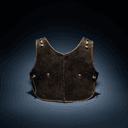
A wax seal bearing the arms of Lancaster (three golden lions on a red field), used to authenticate official documents and ducal correspondence. As duchess, Blanche possessed her own personal seal.
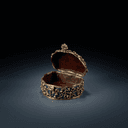
A precious container holding the jewels given during the royal wedding and court festivities. The accounting records of the Duchy of Lancaster mention numerous jewels offered by John of Gaunt to Blanche.
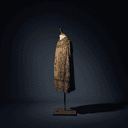
A large woven piece adorning the walls of castle halls to keep out the cold and display seigneurial power. The Lancastrian residences were decorated with tapestries depicting hunting and chivalry scenes.
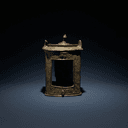
A precious casket containing saints' relics, a very common devotional object among the medieval nobility. Piety was an essential virtue for great ladies, and Blanche was unanimously described as a woman of great virtue.

A sumptuous garment of silks and velvets in vivid colors, trimmed with precious furs such as ermine. At royal ceremonies, Blanche displayed the colors and arms of Lancaster, a mark of her exceptional rank.
School Curriculum
Vocabulary & Tags
Key Vocabulary
Tags
Daily Life
Morning
Blanche began her day with matins prayers, often in the company of her ladies-in-waiting and her personal chaplain. She would read — or have read aloud — her book of hours before attending daily Mass in the castle chapel. These morning devotions typically lasted one to two hours, in keeping with the customs of the medieval nobility.
Afternoon
The afternoon was devoted to managing the estate: receiving petitioners, overseeing accounts with the steward, and corresponding with the many Lancaster officers. She also welcomed noble visitors and took part in hunting parties or walks through the castle's enclosed gardens when the season allowed.
Evening
Evenings were spent in the great hall of the castle, with banquets on feast days and more intimate suppers on other nights. Musicians, jugglers, and storytellers enlivened these convivial gatherings. Blanche would retire for vespers prayers before bed, in keeping with the pious habits of the medieval nobility.
Food
The diet of a fourteenth-century duchess was rich in meats — venison, poultry, and fish on fast days — along with fine white wheaten bread, reserved for the elite. Imported spices (pepper, saffron, ginger) were abundant at the lord's table, a mark of wealth and prestige. Blanche and her court also enjoyed pastries, candied fruits, and French wines.
Clothing
Blanche wore gowns of velvet, silk, and fine wool cloth, often trimmed with precious furs such as ermine or vair, reserved for the high nobility. Her garments bore the colors and arms of Lancaster, and on ceremonial occasions she wore a ducal coronet and jewels set with precious stones. Sartorial splendor was an essential marker of social rank in the fourteenth century.
Housing
Blanche resided in great fortified castles such as Kenilworth, Bolingbroke, and Leicester, furnished with vast halls, private chapels, and enclosed gardens. The ducal apartments, despite the apparent austerity of stone, were adorned with tapestries, carved furniture, and monumental fireplaces. She moved frequently between the estate's various residences with her entire household, following the rhythms of the seasons and the obligations of lordship.
Historical Timeline
Period Vocabulary
Liens externes & ressources
Références
Œuvres
Transmission et consolidation du duché de Lancastre
1361-1362
Fondation d'un anniversaire liturgique à Saint-Paul de Londres
1369
Inspiration du 'Livre de la Duchesse' de Geoffrey Chaucer
vers 1368-1374