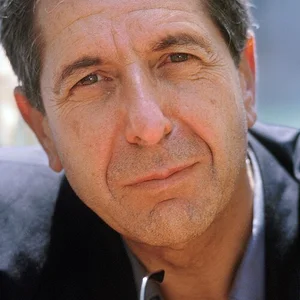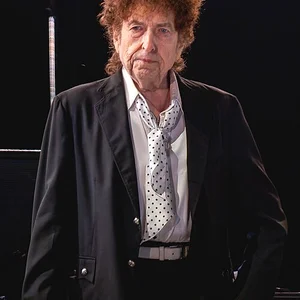

American singer-songwriter born in 1941, a major figure in 20th-century folk and rock music. His socially engaged songs became anthems of the civil rights and anti-war movements. He received the Nobel Prize in Literature in 2016.
Bob Dylan(1941 — ?)
Bob Dylan
États-Unis
6 min read
Frequently asked questions
Famous Quotes
« How many roads must a man walk down before you call him a man?»
« The answer, my friend, is blowin' in the wind»
« The times they are a-changin'»
Key Facts
- Born on May 24, 1941, in Duluth, Minnesota
- Release of the album The Freewheelin' Bob Dylan featuring “Blowin' in the Wind” in 1963
- Controversial switch to the electric guitar at the Newport Folk Festival in 1965
- The single “Like a Rolling Stone” and his turn toward rock in 1965
- Nobel Prize in Literature in 2016, the first awarded to a singer-songwriter
Works & Achievements
A song that became a universal anthem of civil rights and peace, raising questions about justice.
The album that revealed Dylan as a great writer of protest songs and propelled him onto the international stage.
A manifesto song heralding the social upheavals of the 1960s.
A rock track over six minutes long that revolutionized the format of popular song.
A landmark album of his electric period, blending rock, blues, and poetry.
An intimate and acclaimed album, regarded as one of his artistic peaks.
A memoir in which Dylan looks back on his early days in New York and his journey as an artist.
Anecdotes
In 1961, the young Robert Zimmerman arrived in New York with his guitar and renamed himself "Bob Dylan
a name he reportedly chose in tribute to the Welsh poet Dylan Thomas. He played in the cafés of Greenwich Village and visited his ailing idol, the folk singer Woody Guthrie.
On 25 July 1965, at the Newport Folk Festival, Dylan took the stage with an electric guitar instead of his usual acoustic one. Part of the audience, devoted to the purity of folk, booed him loudly: this concert became a legendary moment in Dylan's "electric" turn.
In 1966, after a motorcycle accident near his home in Woodstock, Dylan vanished from public view for several months. This forced break led him to slow down an exhausting touring schedule and marked a turning point in his career.
In 2016, Bob Dylan received the Nobel Prize in Literature "for having created new poetic expressions within the great American song tradition." Surprised by the choice, he took days to respond and did not attend the award ceremony, sending a speech to be read on his behalf.
His song "Blowin' in the Wind
(1963) became an anthem of the civil rights movement. It was notably sung at major gatherings
and its refrain questioning justice and peace left a mark on an entire generation.
Primary Sources
How many roads must a man walk down / Before you call him a man? [...] The answer, my friend, is blowin' in the wind.
Come gather 'round people / Wherever you roam [...] For the times they are a-changin'.
If a song moves you, that's all that matters. I don't have time to think about what a song means.
I was there to find singers, the ones I'd heard on record [...] New York City was a city where you could be frozen to death in the midst of a busy street and nobody would notice.
Key Places
Bob Dylan's birthplace, in the northern United States, near Lake Superior. He was born here in 1941 before growing up in the nearby town of Hibbing.
Mining town where Dylan spent his childhood and teenage years. Here he discovered the radio, rock'n'roll, and the blues that would shape his calling.
Bohemian New York neighborhood where Dylan got his start in folk clubs in the early 1960s. It was there that he made a name for himself and recorded his first albums.
Town that hosts the famous Newport Folk Festival. Dylan stirred up controversy here in 1965 by playing with an electric guitar for the first time.
Swedish capital where the Nobel Prize in Literature is awarded. Dylan was honored here in 2016, although he did not attend the ceremony.
Typical Objects
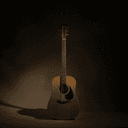
Iconic instrument of Dylan's early folk years, accompanying him in the cafés of Greenwich Village. It symbolizes the intimate, socially engaged song.
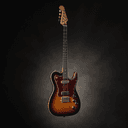
Adopted in 1965, it marks Dylan's turn toward rock and scandalized part of the folk audience. It embodies his refusal to be confined to a single genre.
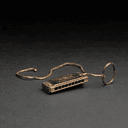
A small wind instrument held by a metal brace around the neck, allowing Dylan to play the harmonica while strumming his guitar. It became an iconic image of the singer.
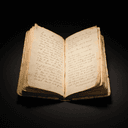
A notebook in which Dylan writes lyrics and snippets of songs, a witness to his work as a poet. His manuscripts are now carefully preserved.
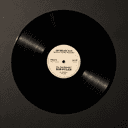
The medium on which his albums, such as *The Freewheelin' Bob Dylan*, were released. Vinyl spread his music around the world during the 1960s.
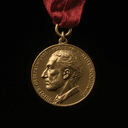
An award given to Nobel Prize laureates, granted to Dylan in 2016 for literature. It established song as a form of poetry in its own right.
School Curriculum
Vocabulary & Tags
Key Vocabulary
Tags
Daily Life
Morning
Often a night owl who stays up late, Dylan rarely starts his days early. In his early years, he spends his mornings resting after the previous night's concerts or listening to blues and folk records to fuel his inspiration.
Afternoon
The afternoon is devoted to writing lyrics, composing on the guitar, and rehearsing. During recording periods, he spends long hours in the studio searching for the right sound.
Evening
The evening is the time for concerts in clubs and venues. On the folk scene of Greenwich Village, Dylan plays one set after another before an attentive audience, sometimes late into the night.
Food
Dylan embraces the simple lifestyle of the traveling musicians of the 1960s: quick meals in American diners and popular restaurants. On tour, his eating habits are irregular, dictated by the pace of travel.
Clothing
At first, he cultivates a folk vagabond look inspired by **Woody Guthrie**: jeans, a shirt, and a cap. From **1965** onward, he adopts a more rock style with dark glasses, fitted jackets, and boots, becoming an icon of youth fashion.
Housing
After a childhood in a house in the mining town of **Hibbing**, he lives in modest apartments in Greenwich Village. Once success arrives, he settles into a house in **Woodstock**, in New York State.