 flip
flipMakgeolli (fermented rice wine)
Makgeolli (fermented rice wine)
Why this dish? In Korean cinema, the end of the day is often sealed around a bowl of makgeolli shared among the crew, accompanied by a jeon (pan-fried pancake). This milky, fizzy rice wine, democratic and popular, is the companion of long discussions — the kind from which the stories Bong Joon-ho loves to tell are born.
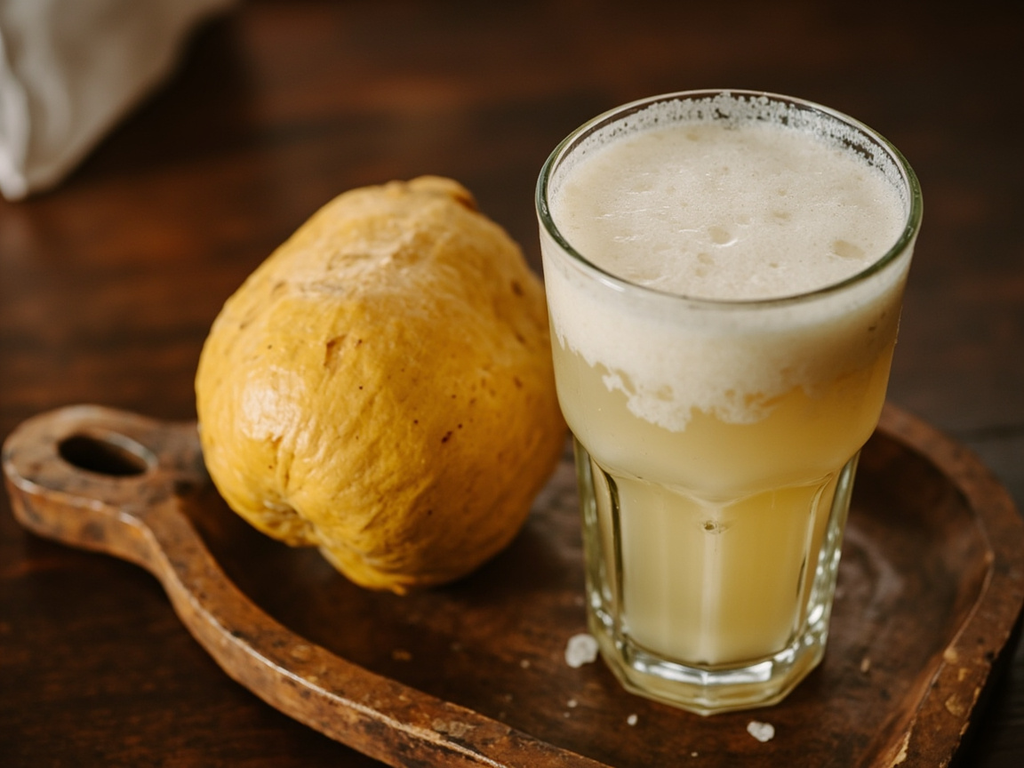
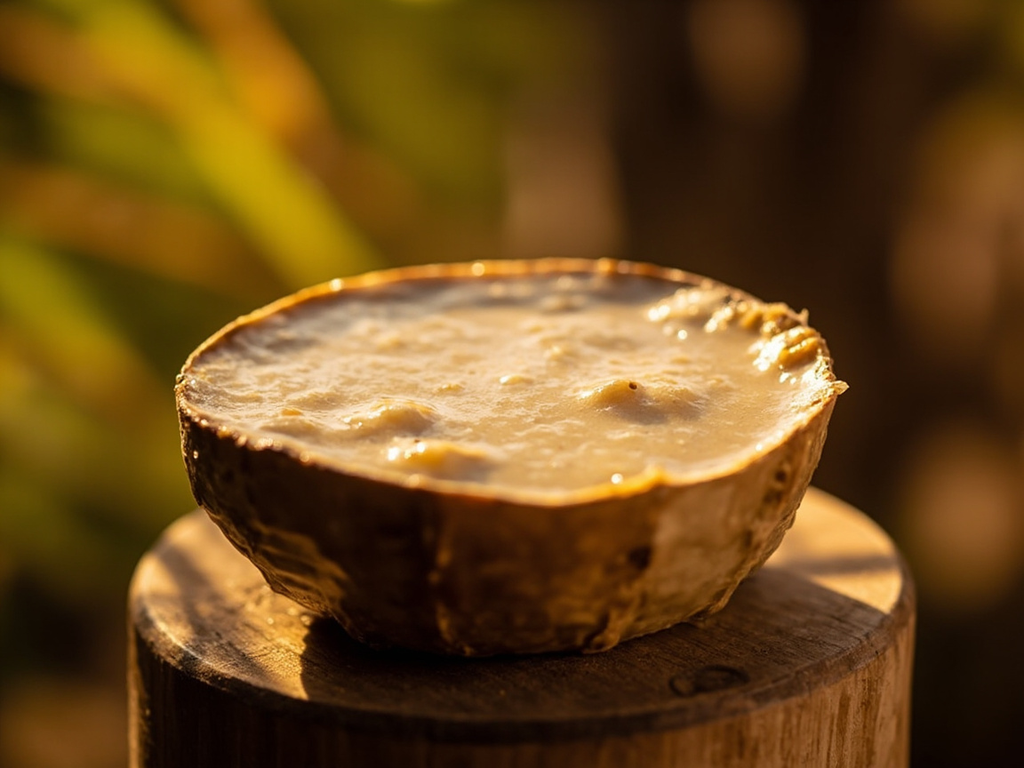
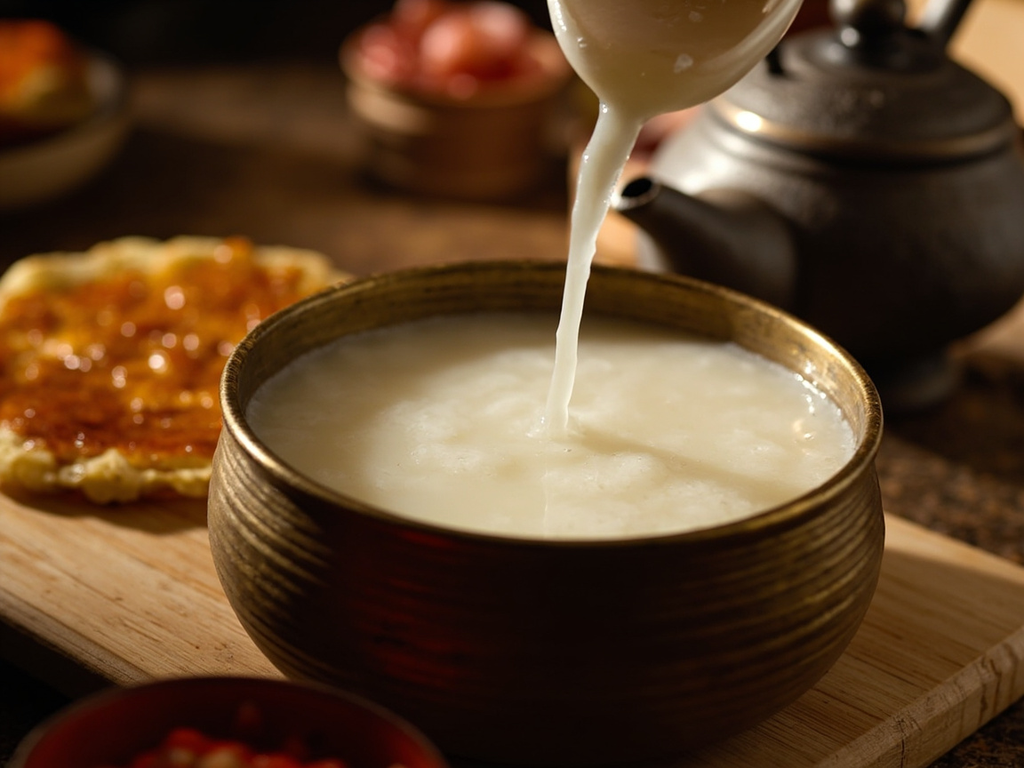
A white rice wine, cloudy and slightly sparkling, sweet-sour and low in alcohol. It is served cold in a wide bowl that you fill for your neighbor, never for yourself, in a typically Korean gesture of conviviality.
After the last take, we don't go home right away: we sit down, we bring out the bowls, and the youngest pours makgeolli for the elders — never for himself, that's the rule. We gently shake the bottle to wake up the sediment, we toast, and then, around this milky drink and a crispy pancake, the real conversations begin. Many of my films were born from those evenings, I assure you.
- •Steamed glutinous rice — a large amount (fermentable sugar)
- •Nuruk (Korean fermentation starter) — according to tradition (leaven and enzymes)
- •Spring water — in proportion (fermentation medium)
Makgeolli (fermented rice wine)
A white rice wine, cloudy and slightly sparkling, sweet-sour and low in alcohol. It is served cold in a wide bowl that you fill for your neighbor, never for yourself, in a typically Korean gesture of conviviality.
Why this dish? In Korean cinema, the end of the day is often sealed around a bowl of makgeolli shared among the crew, accompanied by a jeon (pan-fried pancake). This milky, fizzy rice wine, democratic and popular, is the companion of long discussions — the kind from which the stories Bong Joon-ho loves to tell are born.
After the last take, we don't go home right away: we sit down, we bring out the bowls, and the youngest pours makgeolli for the elders — never for himself, that's the rule. We gently shake the bottle to wake up the sediment, we toast, and then, around this milky drink and a crispy pancake, the real conversations begin. Many of my films were born from those evenings, I assure you.
Ingredients (period version)
- Steamed glutinous rice — a large amount (fermentable sugar)
- Nuruk (Korean fermentation starter) — according to tradition (leaven and enzymes)
- Spring water — in proportion (fermentation medium)
Ingredients
- Glutinous rice (sweet rice) — 500 g, cooked and cooled (fermentable sugar)
- Nuruk (Korean fermentation powder) — 150 g (leaven and enzymes)
- Baker's yeast (optional) — 1/2 tsp (fermentation kickstart)
- Filtered water — 1 liter (fermentation medium)
Method
- Steam the glutinous rice and let it cool to room temperature (essential step).
- In a large clean jar, mix the rice, nuruk, yeast, and water, crushing well with clean hands.
- Cover with a cloth and let ferment at room temperature (20-25°C) for about a week, stirring daily.
- When the fizzing stops and the liquid clears above the sediment, strain through a cheesecloth.
- Dilute with a little water to adjust strength, bottle, and refrigerate.
- Serve well chilled, after gently shaking the bottle to suspend the sediment; fill your neighbor's bowl.
How it was made : Makgeolli is one of Korea's oldest alcohols, long a peasant drink because cheap and nourishing. Fermentation relied on nuruk, a cereal cake loaded with molds and wild yeasts, prepared on the farm. To be consumed only by adults.
The contemporary twist : Seoul bars now offer artisanal flavored makgeolli (chestnut, flower) served in brass teapots — a chic comeback for a drink once considered rustic.
Sources : Korean Food Foundation, Korean Cuisine · Robert J. Fouser, writings on Korean fermented beverages
Bong Joon-ho · Charactorium