 flip
flipSaktu — Roasted Barley Flour for the Traveler
Saktu — Roasted Barley Flour for the Traveler
Why this dish? Saktu — flour of roasted grains mixed without cooking — has been since Vedic times the food of the walker and pilgrim. Brahmagupta traveled between Bhinmal, Ujjain, Nalanda, and his work reached Baghdad; on those long dusty roads, saktu was carried dry, prepared without fire, and nourished quickly. It is the 'no-cook meal' for the scholar on the move.
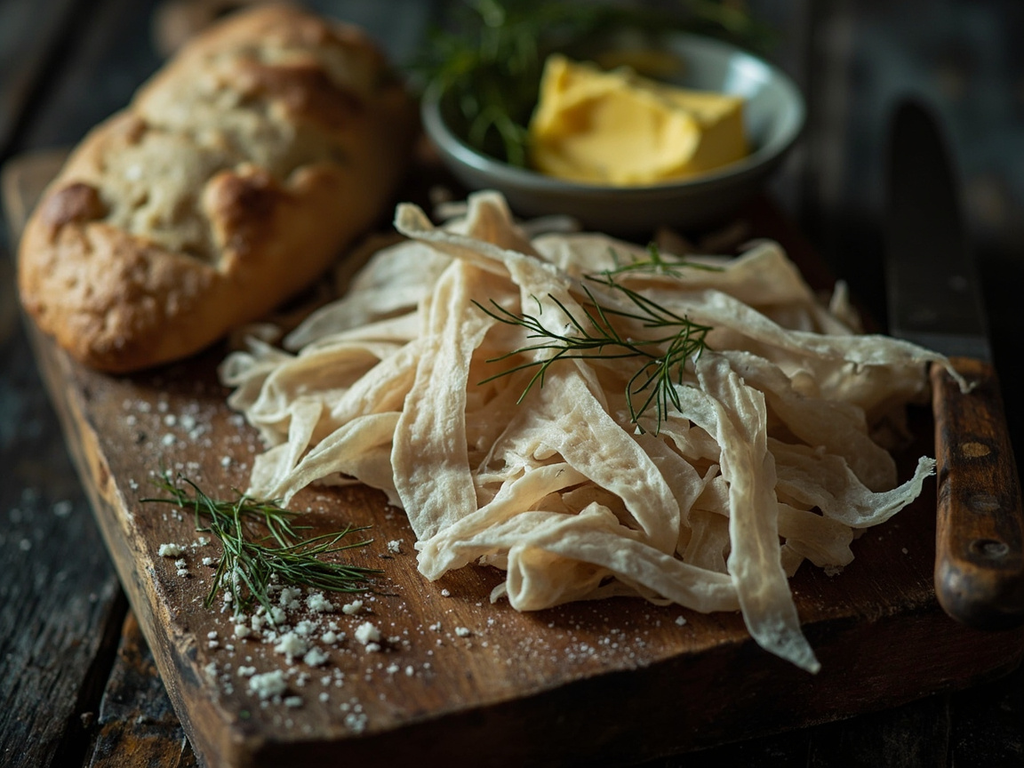
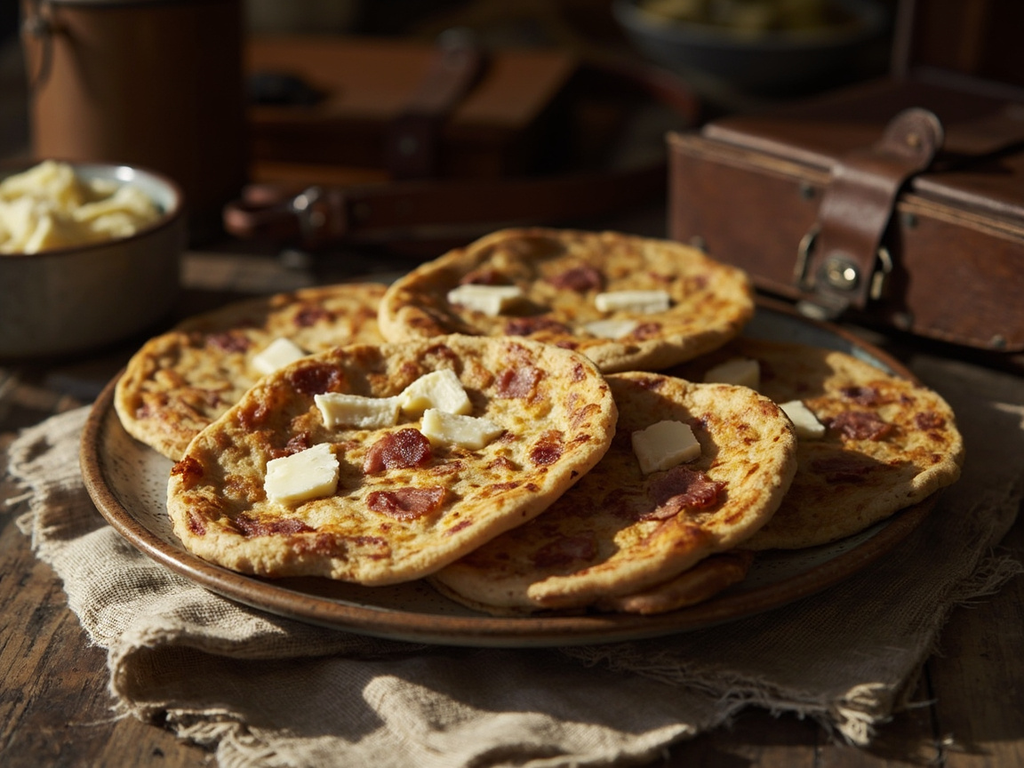
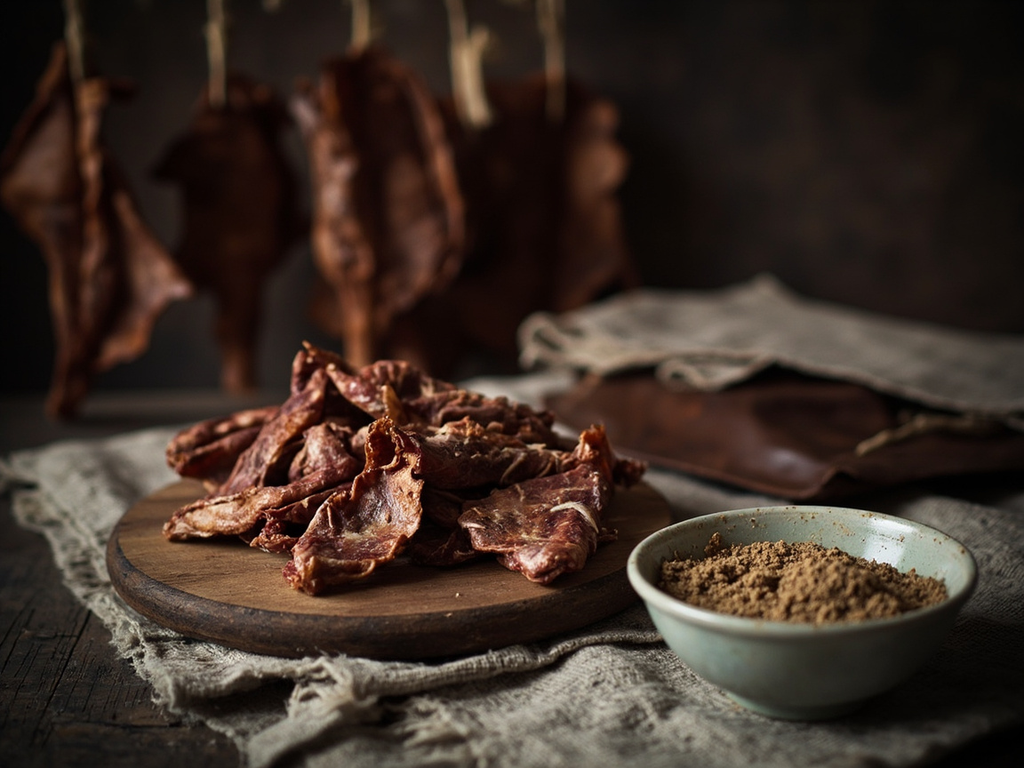
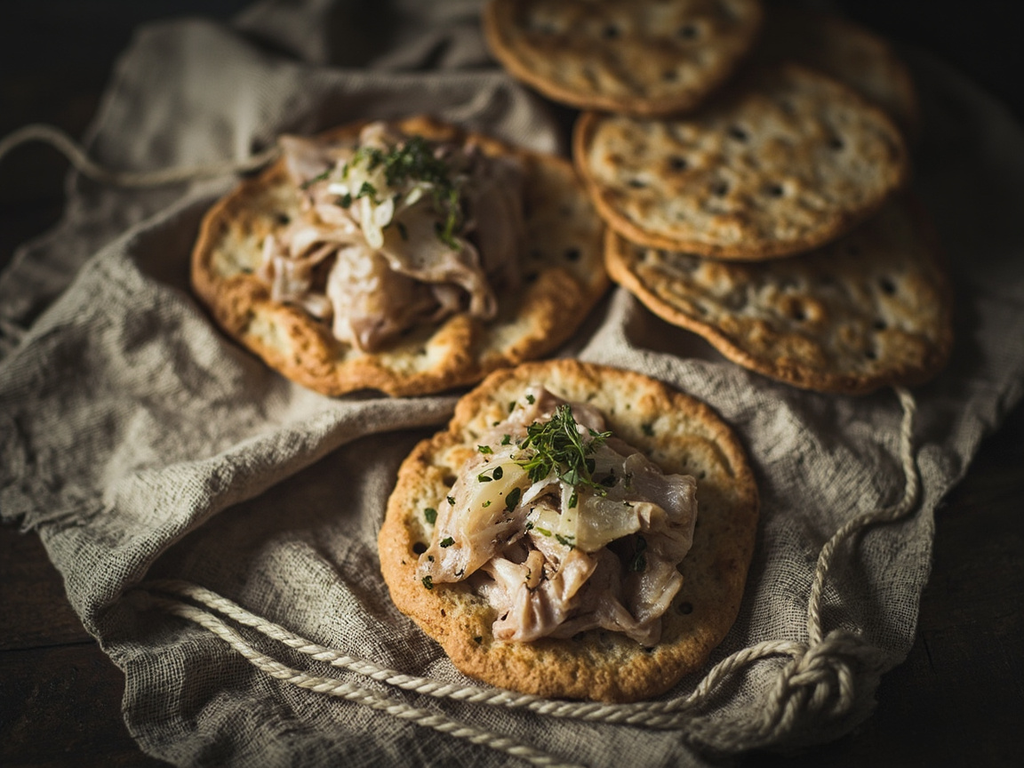
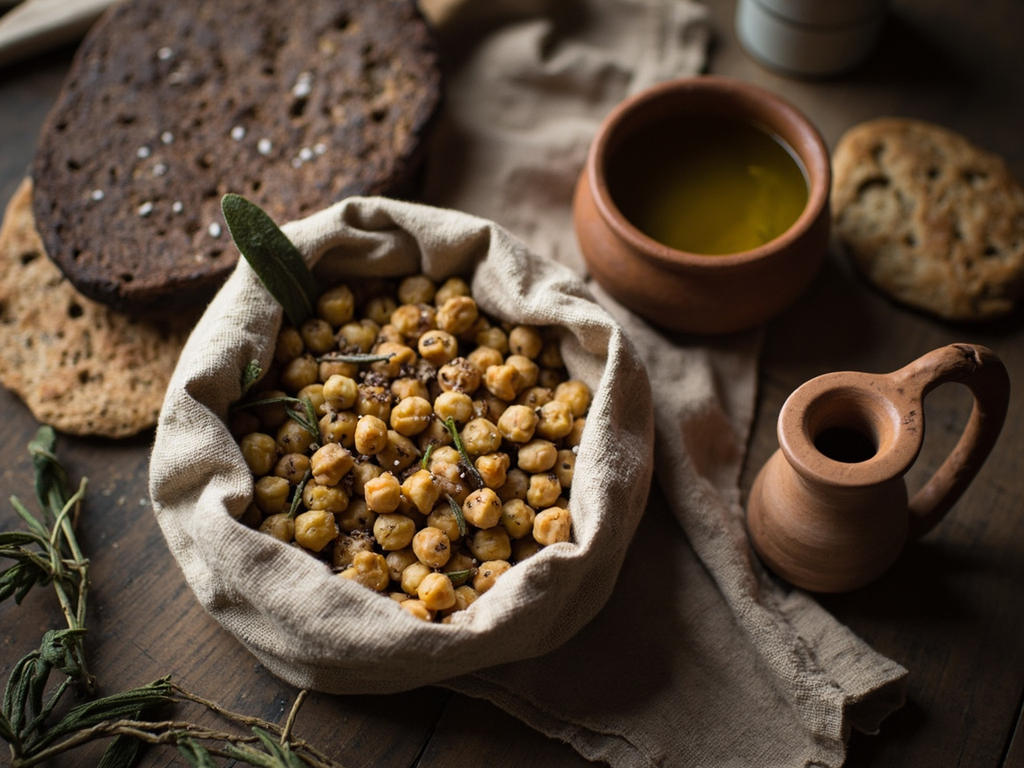
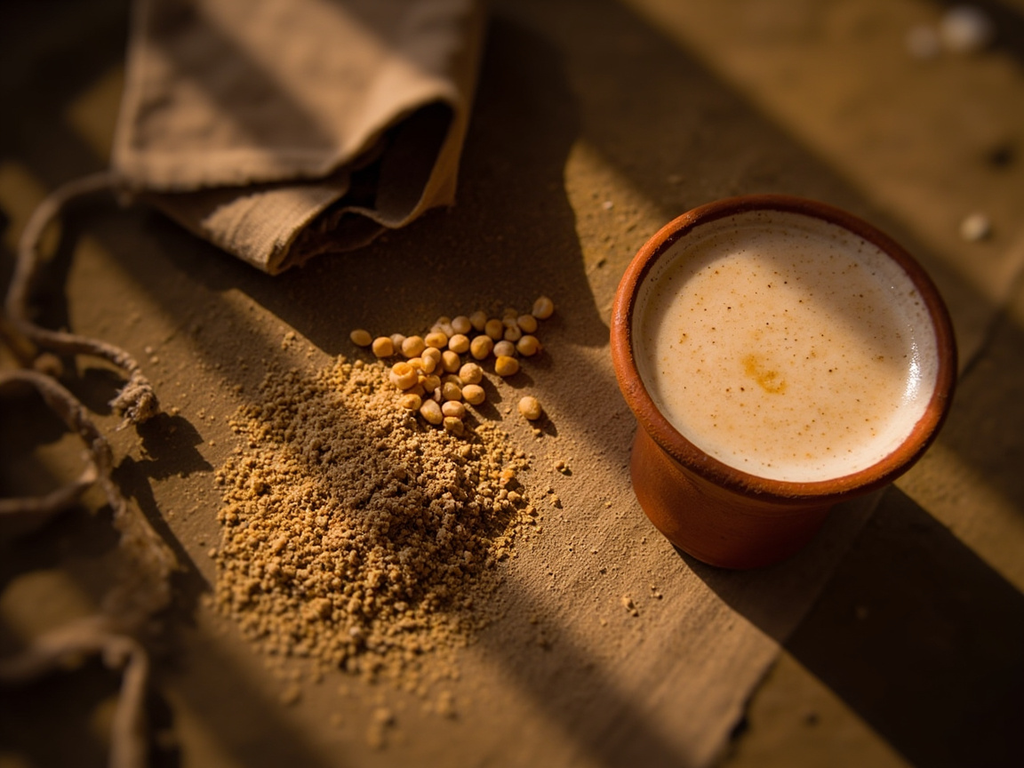
Barley (and chickpeas) roasted then ground to a fine flour, mixed with water, salt, and a little ginger to form a paste or thick drink. Light to carry, instant to prepare: the ancient Indian travel snack.
When the road is long from Bhinmal to Ujjain and no hearth burns, I draw saktu from my bag. The barley has already met the fire, you see — it is roasted and ground; all that remains is to marry it to well water and a grain of salt. Knead quickly, or drink it thick: this is the traveler's meal, needing neither pot nor waiting. I have carried it to the gates of Nalanda while thinking of my equations, and it never betrayed me.
- •Roasted barley (yava saktu) — two handfuls (cereal base)
- •Roasted chickpeas (chanaka) — a handful (protein)
- •Rock salt — a pinch (seasoning)
- •Dried ginger (shunthi) — a touch (heat)
- •Water — as needed (mixing)
- •Jaggery (sweet option) — a piece (optional sweetness)
Saktu — Roasted Barley Flour for the Traveler
Barley (and chickpeas) roasted then ground to a fine flour, mixed with water, salt, and a little ginger to form a paste or thick drink. Light to carry, instant to prepare: the ancient Indian travel snack.
Why this dish? Saktu — flour of roasted grains mixed without cooking — has been since Vedic times the food of the walker and pilgrim. Brahmagupta traveled between Bhinmal, Ujjain, Nalanda, and his work reached Baghdad; on those long dusty roads, saktu was carried dry, prepared without fire, and nourished quickly. It is the 'no-cook meal' for the scholar on the move.
When the road is long from Bhinmal to Ujjain and no hearth burns, I draw saktu from my bag. The barley has already met the fire, you see — it is roasted and ground; all that remains is to marry it to well water and a grain of salt. Knead quickly, or drink it thick: this is the traveler's meal, needing neither pot nor waiting. I have carried it to the gates of Nalanda while thinking of my equations, and it never betrayed me.
Ingredients (period version)
- Roasted barley (yava saktu) — two handfuls (cereal base)
- Roasted chickpeas (chanaka) — a handful (protein)
- Rock salt — a pinch (seasoning)
- Dried ginger (shunthi) — a touch (heat)
- Water — as needed (mixing)
- Jaggery (sweet option) — a piece (optional sweetness)
Ingredients
- Roasted barley flour (or hulled barley to roast) — 60 g (cereal base)
- Roasted chickpea flour (sattu) — 30 g (protein)
- Salt — 1 pinch (seasoning)
- Dried ginger powder — 1 pinch (heat)
- Cold water — 150 ml approx. (mixing)
- Grated jaggery (sweet version) — 1 tsp (optional sweetness)
Method
- If using whole grains, dry-roast barley and chickpeas in a pan until golden and fragrant, cool, then grind finely.
- Mix flours with salt and dried ginger.
- For savory version: add a little water to form a soft dough, shape into balls.
- For drink version: add more water and whisk into a thick beverage.
- For sweet version: replace salt with dissolved jaggery.
- Consume immediately — no cooking needed.
How it was made : Saktu (sattu) is attested in Vedic texts as a travel food and offering. Roasted grains kept for weeks as dry flour and required no fire — a decisive advantage for pilgrims, merchants, and students traveling to great universities like Nalanda.
The contemporary twist : Sattu today is an ancient 'protein powder': mixed fresh with lemon, it is the sharbat of Bihar — but in Brahmagupta's time, it was soured with buttermilk, not lemon.
Sources : K.T. Achaya, Indian Food: A Historical Companion, Oxford University Press, 1994
Brahmagupta · Charactorium