 flip
flipHoney Liba — Offerings to Asclepius
Honey Liba — Offerings to Asclepius
Why this dish? Caracalla, haunted by illness and guilt after the murder of his brother Geta, traveled the Empire seeking healing: he venerated Serapis and went to supplicate Asclepius, god of medicine, at the great sanctuary of Pergamon. Liba, small cheese-and-honey cakes, were the votive offerings placed on Roman altars.
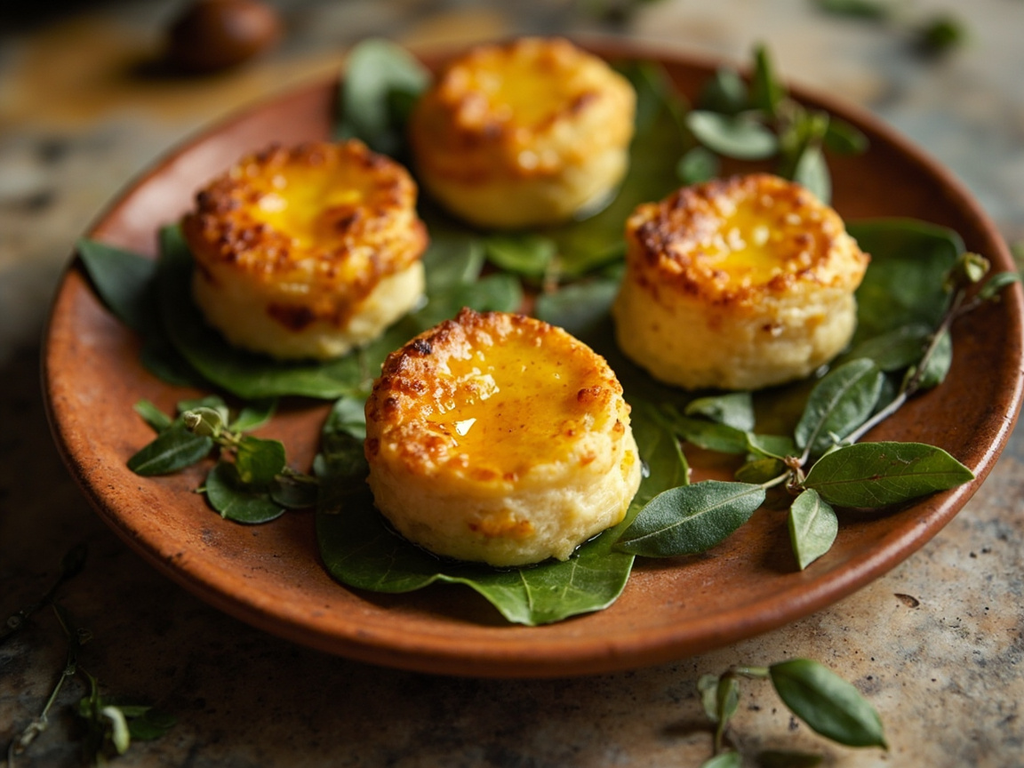
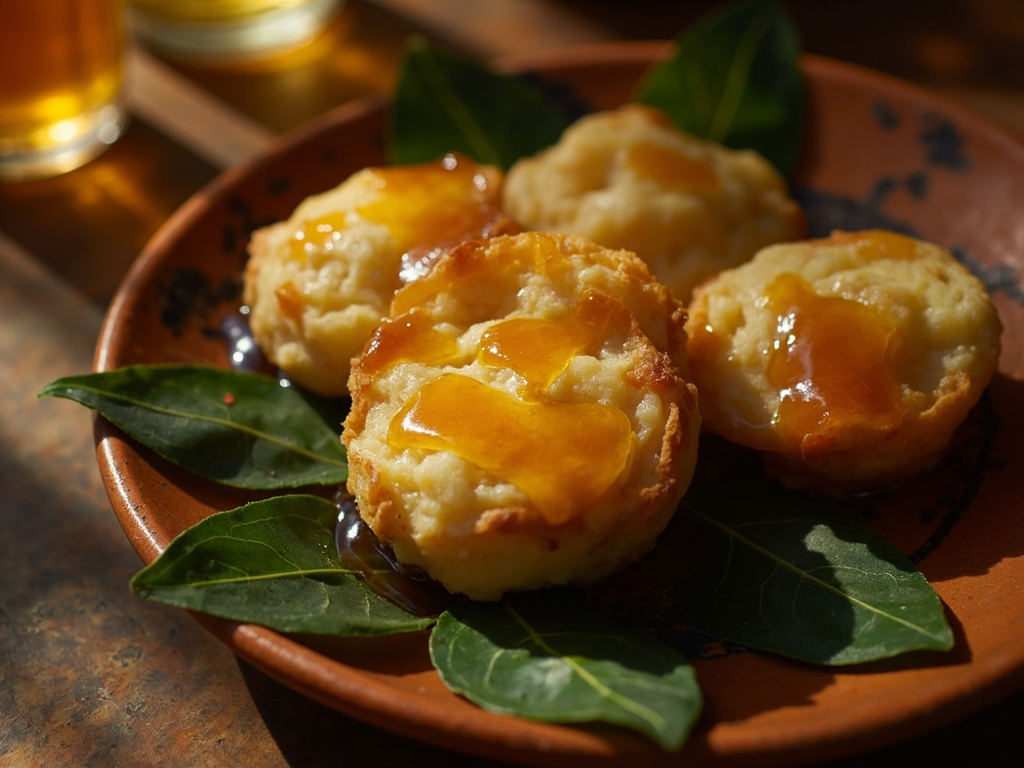
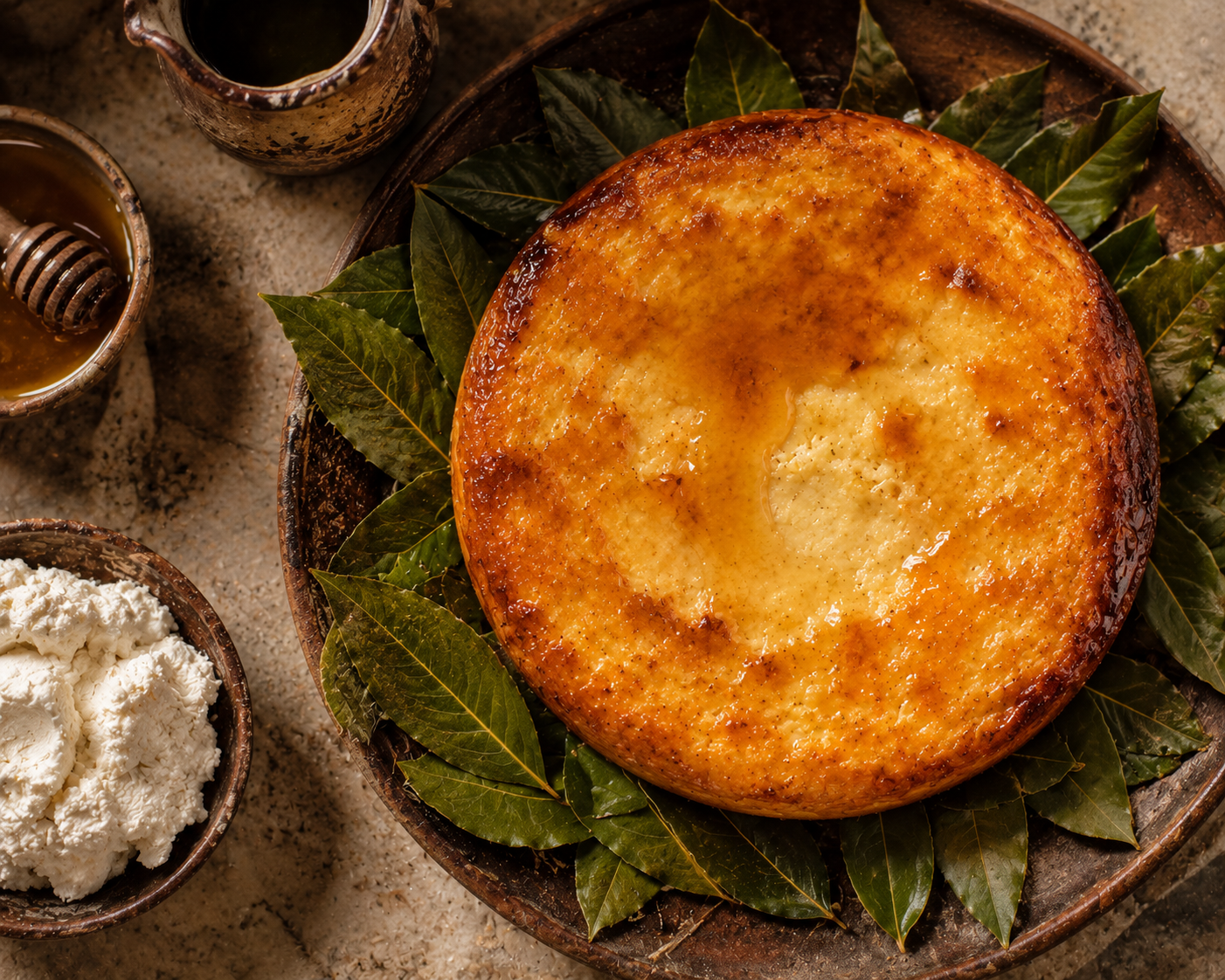
Small soft cakes of fresh cheese bound with flour and egg, baked golden and drenched in warm honey—the sweetness that Romans offered to the gods before sharing it, inspired by Cato's votive liba.
They think I am all iron, but my brother's shadow follows me and my body betrays me. So I go to the temples: to Serapis of Alexandria, to Asclepius of Pergamon, I bring liba—fresh cheese, fine flour, an egg, and honey poured hot. They are placed on the altar, we pray for the health of the Augustus, then we eat them in sharing with the god. Take one, stranger: may the gods be kinder at your table than they have been at mine.
- •Fresh cheese — a good portion (soft base)
- •Fine flour (far/spelt) — a little (binder)
- •Egg — one (binder)
- •Honey — generously (sweet glaze)
- •Bay leaves — a few (fragrant baking support)
Honey Liba — Offerings to Asclepius
Small soft cakes of fresh cheese bound with flour and egg, baked golden and drenched in warm honey—the sweetness that Romans offered to the gods before sharing it, inspired by Cato's votive liba.
Why this dish? Caracalla, haunted by illness and guilt after the murder of his brother Geta, traveled the Empire seeking healing: he venerated Serapis and went to supplicate Asclepius, god of medicine, at the great sanctuary of Pergamon. Liba, small cheese-and-honey cakes, were the votive offerings placed on Roman altars.
They think I am all iron, but my brother's shadow follows me and my body betrays me. So I go to the temples: to Serapis of Alexandria, to Asclepius of Pergamon, I bring liba—fresh cheese, fine flour, an egg, and honey poured hot. They are placed on the altar, we pray for the health of the Augustus, then we eat them in sharing with the god. Take one, stranger: may the gods be kinder at your table than they have been at mine.
Ingredients (period version)
- Fresh cheese — a good portion (soft base)
- Fine flour (far/spelt) — a little (binder)
- Egg — one (binder)
- Honey — generously (sweet glaze)
- Bay leaves — a few (fragrant baking support)
Ingredients
- Ricotta (or drained fresh cheese) — 250 g (base)
- Spelt or wheat flour — 120 g (binder)
- Egg — 1 (binder)
- Honey — 5 tbsp (glaze)
- Bay leaves — a few (baking fragrance)
- Pinch of salt — 1 (balance)
Method
- Mash the fresh cheese with the egg, salt, and flour until a soft, non-sticky dough forms.
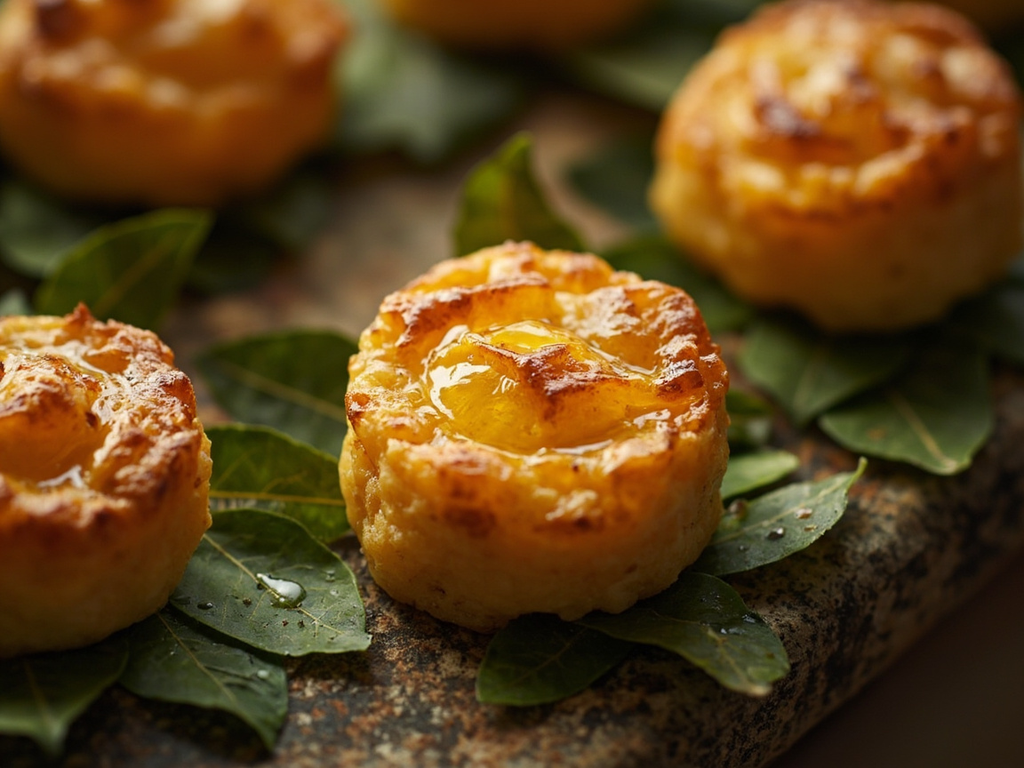
- Shape into small domes and place each on a bay leaf on the baking sheet.
- Bake at 180°C for about 25 minutes until golden and firm.
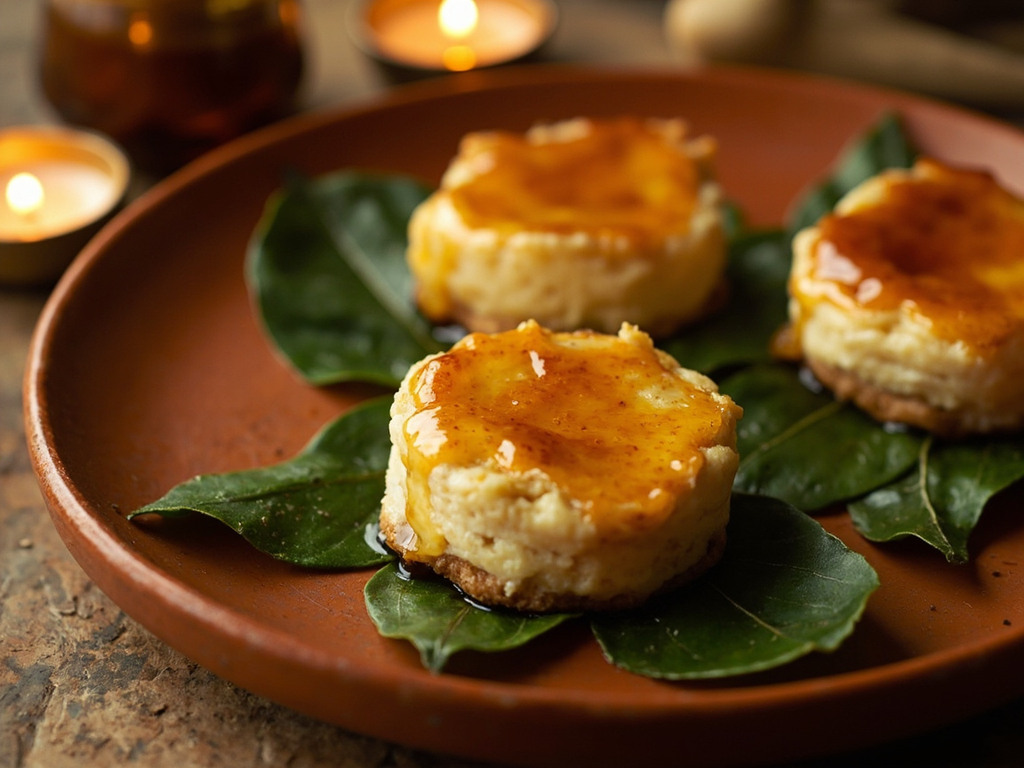
- Warm the honey and generously drizzle over the liba while still hot. Serve warm.
How it was made : Cato (De agricultura) gives the recipe for liba: cheese, flour (far), and egg, cakes baked then drizzled with honey, intended as offerings to the household gods. Baking on bay leaves perfumed the dough. Presented here as an “inspired by” evocation of these votive cakes, not a reproduction of a ritual.
The contemporary twist : Plate them as mini ancient cheesecakes with flowing honey at the center and walnut bits, a “gourmet offering” to close a Roman-themed meal.
Sources : Cato, De agricultura, 75-76 (libum) · Herodian, History (Caracalla's devotion to Serapis and Asclepius)
Caracalla · Charactorium