 flip
flipAbacha (cassava salad with ugba)
Abacha (cassava salad with ugba)
Why this dish? Cassava is one of the pillars of his Igbo table. Abacha — fine dried cassava strips — is the 'African salad' of the markets of southeastern Nigeria, the convivial snack handed in a leaf to passersby: the popular food of Achebe's youth in Ogidi and the Onitsha region.
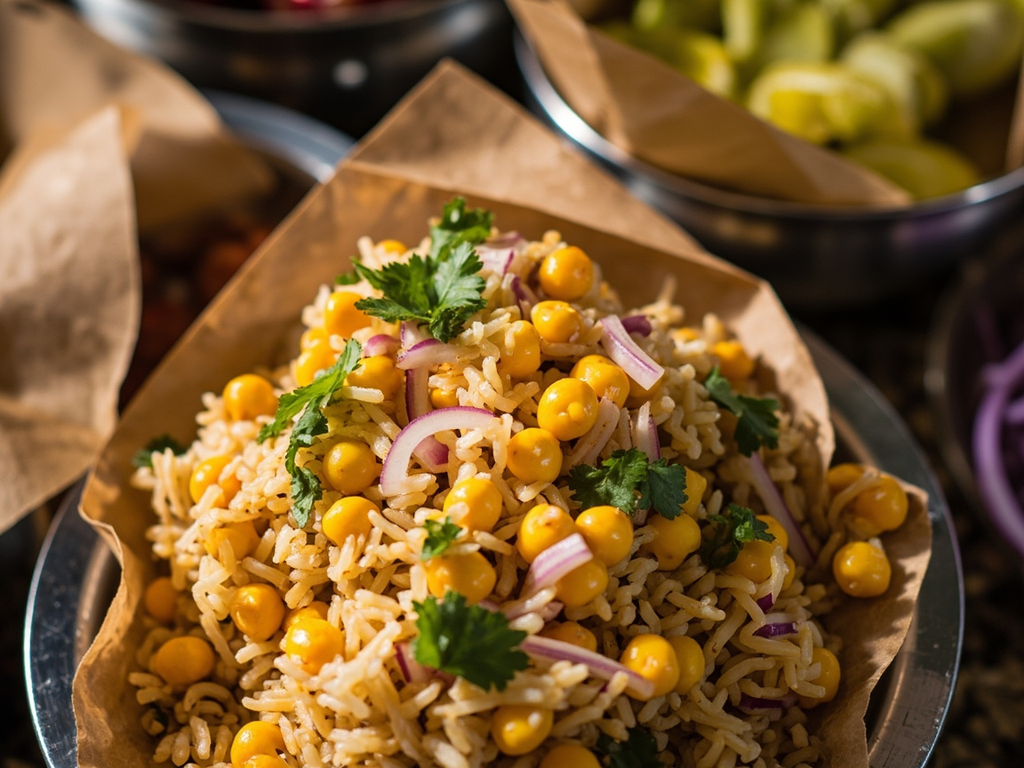
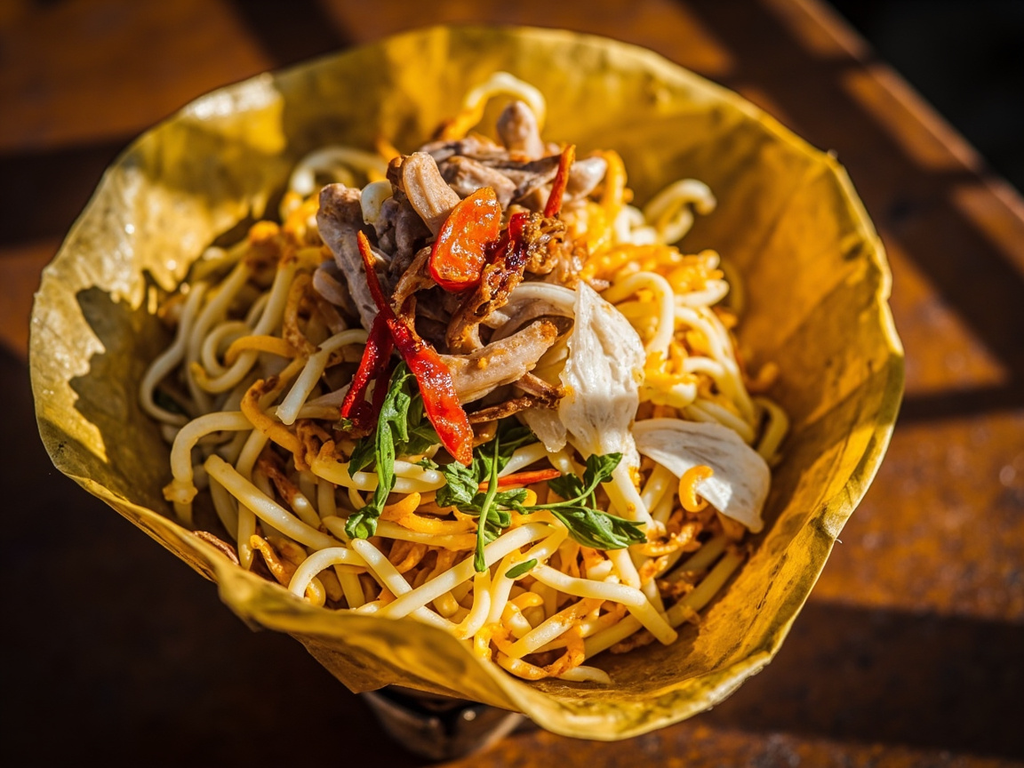
Rehydrated dried cassava strips, seasoned with a palm oil dressing, spiked with fermented oil bean seeds (ugba), chili, dried fish, and leaves, all tangy and bright. Eaten cold, at any hour.
You're hungry but it's not soup time? Here's what we get at Onitsha market, quick, in a leaf. Abacha is cassava shavings dried in the sun; you soak them in water, then mix with yellowed palm oil, ugba that smells of good ferment, and a chili that wakes you up. It's everyday food, required by no ceremony and loved by all. Eat with your fingers, and drink a little water: it bites like a good joke.
- •Abacha (dried cassava strips) — two handfuls (base)
- •Ugba (fermented oil bean seeds) — a handful (signature fermented note)
- •Red palm oil — one ladle (creamy binder)
- •Akanwu (potash salt) or acidic juice — a little (oil emulsification and acidity)
- •Dried fish, chili, onion — to taste (garnish and heat)
- •Shredded ugu leaves or garden egg leaves — a handful (greens and freshness)
Abacha (cassava salad with ugba)
Rehydrated dried cassava strips, seasoned with a palm oil dressing, spiked with fermented oil bean seeds (ugba), chili, dried fish, and leaves, all tangy and bright. Eaten cold, at any hour.
Why this dish? Cassava is one of the pillars of his Igbo table. Abacha — fine dried cassava strips — is the 'African salad' of the markets of southeastern Nigeria, the convivial snack handed in a leaf to passersby: the popular food of Achebe's youth in Ogidi and the Onitsha region.
You're hungry but it's not soup time? Here's what we get at Onitsha market, quick, in a leaf. Abacha is cassava shavings dried in the sun; you soak them in water, then mix with yellowed palm oil, ugba that smells of good ferment, and a chili that wakes you up. It's everyday food, required by no ceremony and loved by all. Eat with your fingers, and drink a little water: it bites like a good joke.
Ingredients (period version)
- Abacha (dried cassava strips) — two handfuls (base)
- Ugba (fermented oil bean seeds) — a handful (signature fermented note)
- Red palm oil — one ladle (creamy binder)
- Akanwu (potash salt) or acidic juice — a little (oil emulsification and acidity)
- Dried fish, chili, onion — to taste (garnish and heat)
- Shredded ugu leaves or garden egg leaves — a handful (greens and freshness)
Ingredients
- Dried abacha (African grocery) — 200 g (base)
- Ugba (fermented oil bean) — 100 g (fermented note)
- Red palm oil — 100 ml (binder)
- Food-grade potash (akanwu) or lemon juice — 1 pinch or 1 tsp (emulsifier/acidity)
- Flaked smoked fish — 100 g (garnish)
- Scotch bonnet chili, onion, bouillon cube — 1 chili, 1/2 onion, 1/2 cube (seasoning)
- Shredded fresh greens (spinach or arugula) — 1 handful (greens)
Method
- Soak the abacha in warm water for 10 to 15 minutes until it swells and softens, then drain well.
- Dissolve a pinch of potash in a little water (or set aside the lemon juice); whisk the palm oil with this liquid until it turns yellow and thickens into an emulsion.
- Stir in the chopped chili, sliced onion, crumbled cube, and smoked fish into the oil.
- Add the ugba and drained abacha, mix gently to coat thoroughly.
- Finish with the shredded greens, adjust salt and acidity; serve at room temperature.
How it was made : Cassava, dried into fine strips and stored for a long time, was a hedge against famine: it was rehydrated as needed. The palm oil emulsion was made with akanwu (natural potash), which whitens and thickens the oil — a market skill passed down by women vendors.
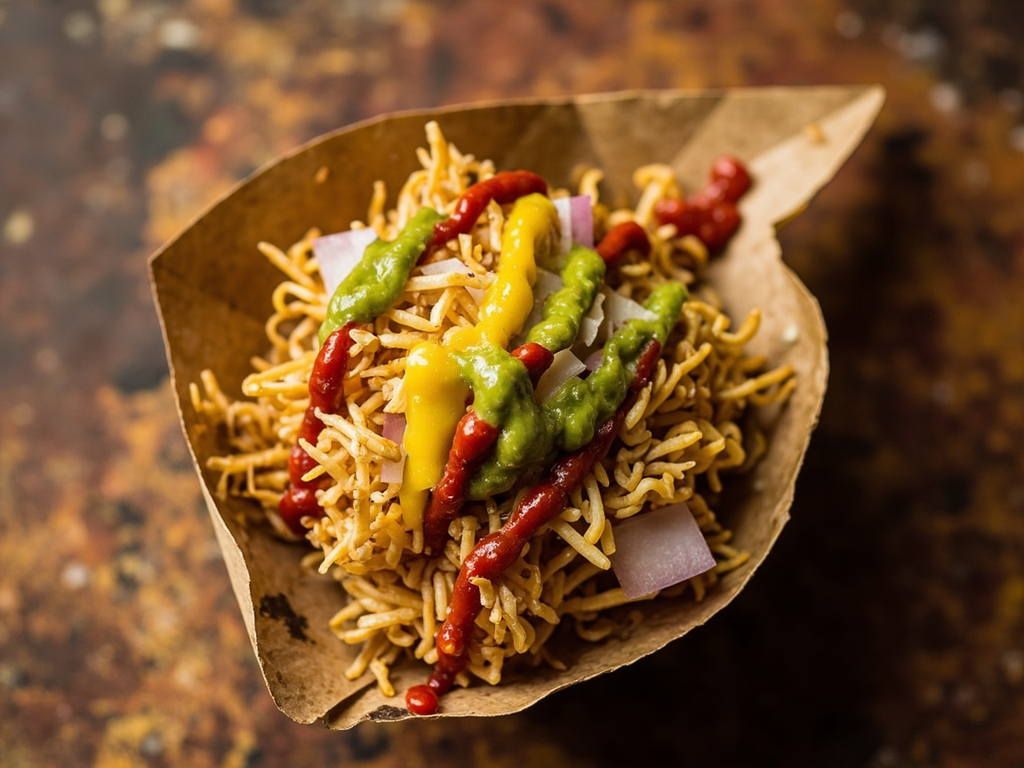
The contemporary twist : Mound the abacha into a small dome in a banana-leaf cone to recreate the 'street food' of Onitsha on an appetizer board.
Chinua Achebe · Charactorium