 flip
flipHard Rye Bread and Juniper Meat for the Road
Hard Rye Bread and Juniper Meat for the Road
Why this dish? In 1654, Christina abdicated and left for Rome; for part of the journey she traveled disguised as a man, under the name Count Dohna, across Europe to Innsbruck. For long stages on horseback, nothing beats hard rye bread and dried meat, which never spoil.
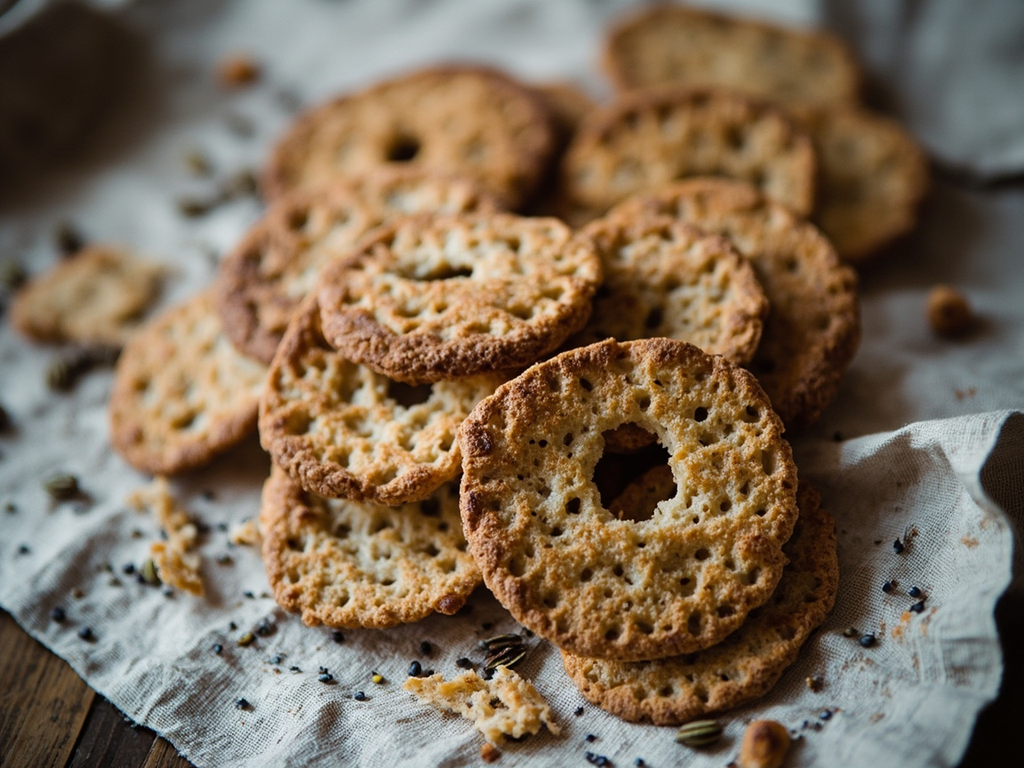
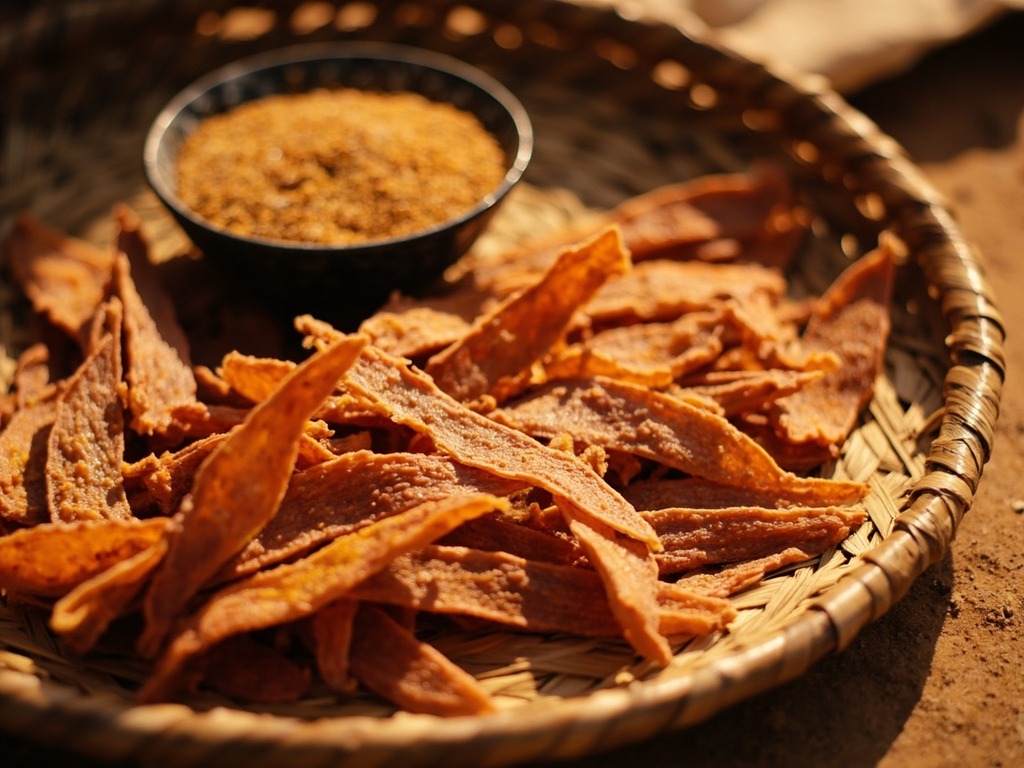
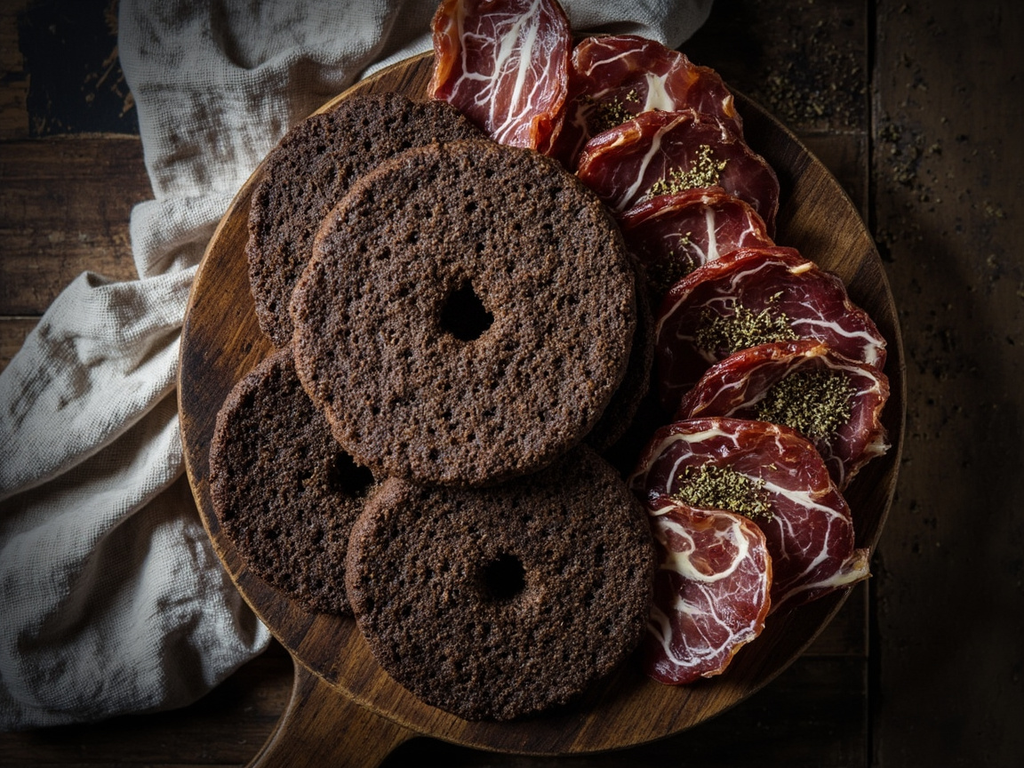
The *knäckebröd*, a rye crispbread pierced with a hole and dried until hard as wood, accompanied by meat rubbed with salt and juniper then dried. A light and indestructible provision, made for the saddlebags of northern travelers.
When I set out for Rome, I donned men's clothing to better travel the roads and deceive the curious. In my saddlebag, no delicate morsels: rye bread hard as stone, which is pierced and hung, and never molds; meat rubbed with salt and juniper, dried in the air of our winters. One breaks it with one hand on the saddle, and continues one's course — a queen on the road has no need of banquets.
- •Rye flour — as needed (bread base)
- •Water and salt — as needed (dough)
- •Sourdough (optional) — a little (light fermentation)
- •Lean meat (reindeer, beef) — one piece (preserved protein)
- •Salt and juniper berries — in abundance (curing, signature)
Hard Rye Bread and Juniper Meat for the Road
The *knäckebröd*, a rye crispbread pierced with a hole and dried until hard as wood, accompanied by meat rubbed with salt and juniper then dried. A light and indestructible provision, made for the saddlebags of northern travelers.
Why this dish? In 1654, Christina abdicated and left for Rome; for part of the journey she traveled disguised as a man, under the name Count Dohna, across Europe to Innsbruck. For long stages on horseback, nothing beats hard rye bread and dried meat, which never spoil.
When I set out for Rome, I donned men's clothing to better travel the roads and deceive the curious. In my saddlebag, no delicate morsels: rye bread hard as stone, which is pierced and hung, and never molds; meat rubbed with salt and juniper, dried in the air of our winters. One breaks it with one hand on the saddle, and continues one's course — a queen on the road has no need of banquets.
Ingredients (period version)
- Rye flour — as needed (bread base)
- Water and salt — as needed (dough)
- Sourdough (optional) — a little (light fermentation)
- Lean meat (reindeer, beef) — one piece (preserved protein)
- Salt and juniper berries — in abundance (curing, signature)
Ingredients
- Rye flour — 300 g (bread base)
- Wheat flour — 100 g (structure)
- Warm water — 200 ml (dough)
- Fine salt — 1 tsp (bread) + for curing (flavor, preservation)
- Baker's yeast — 5 g (light rise)
- Store-bought dried beef (bresaola) — 150 g (ready travel meat)
- Ground juniper berries — 1 tsp (signature)
Method
- Mix the flours, salt, yeast, and water into a firm dough. Let rest 30 minutes.
- Roll out very thinly, cut into disks, pierce a hole in the center (traditionally, to string them on a pole), and prick all over with a fork.
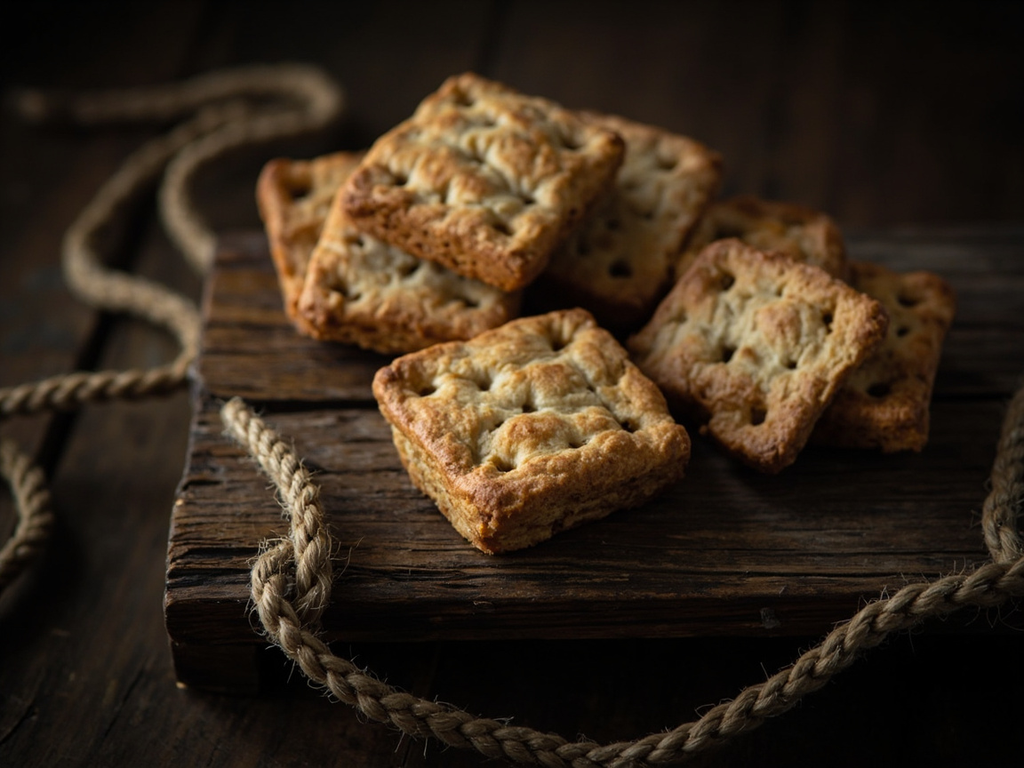
- Bake in a hot oven (220°C) for 8–10 minutes until golden and dry; let them harden as they cool.
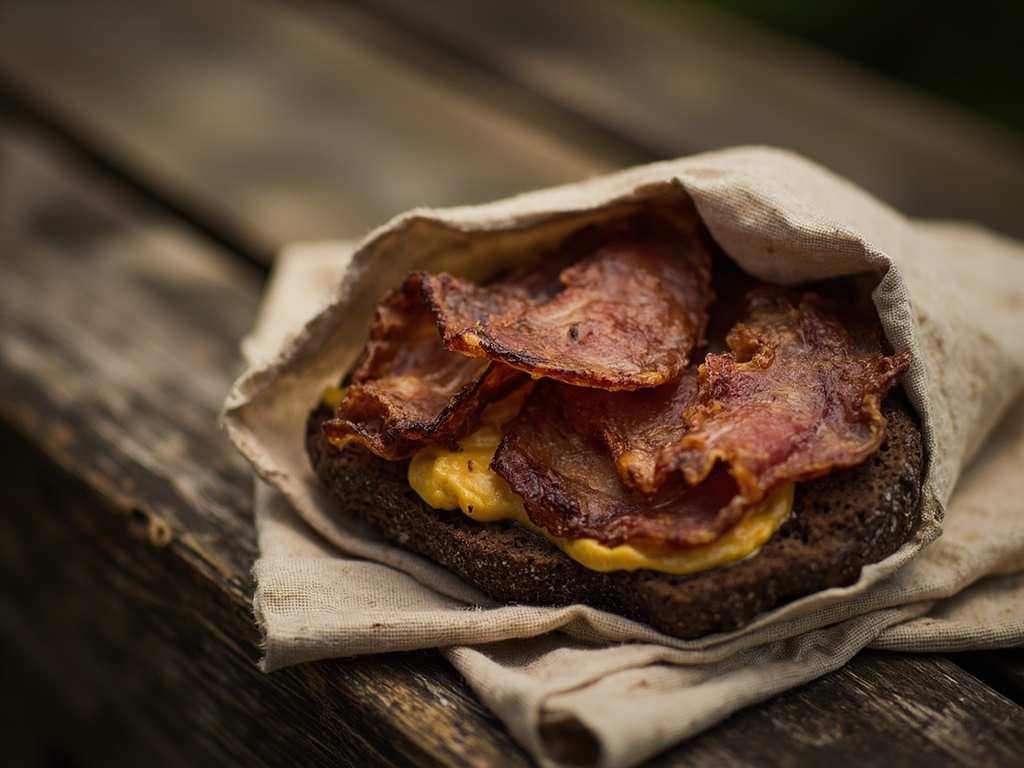
- For the quick accompaniment: arrange the dried beef slices and sprinkle with ground juniper.
- Wrap bread and meat in a cloth: there is the *färdkost*, ready for the road.
How it was made : Knäckebröd, attested in Sweden since the Middle Ages, was baked in large batches twice a year, pierced with a hole to be hung on poles under the ceiling where it kept for months. Salted and dried meat (sometimes smoked, sometimes flavored with juniper) was the preserved protein for long journeys, before the cold chain.
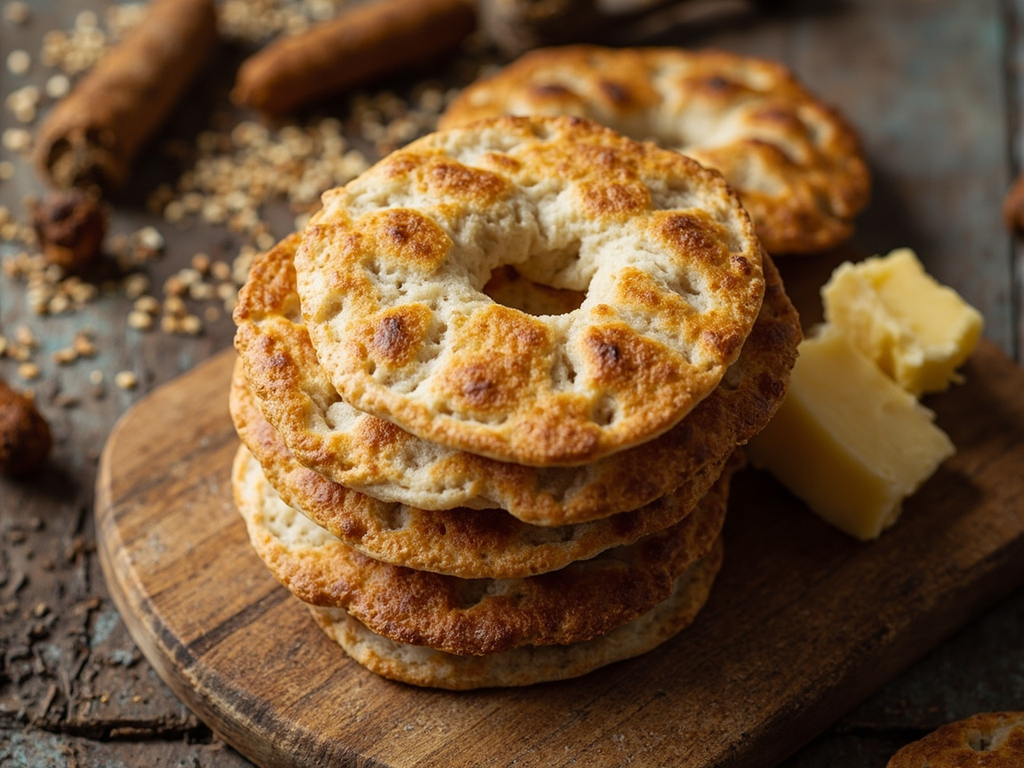
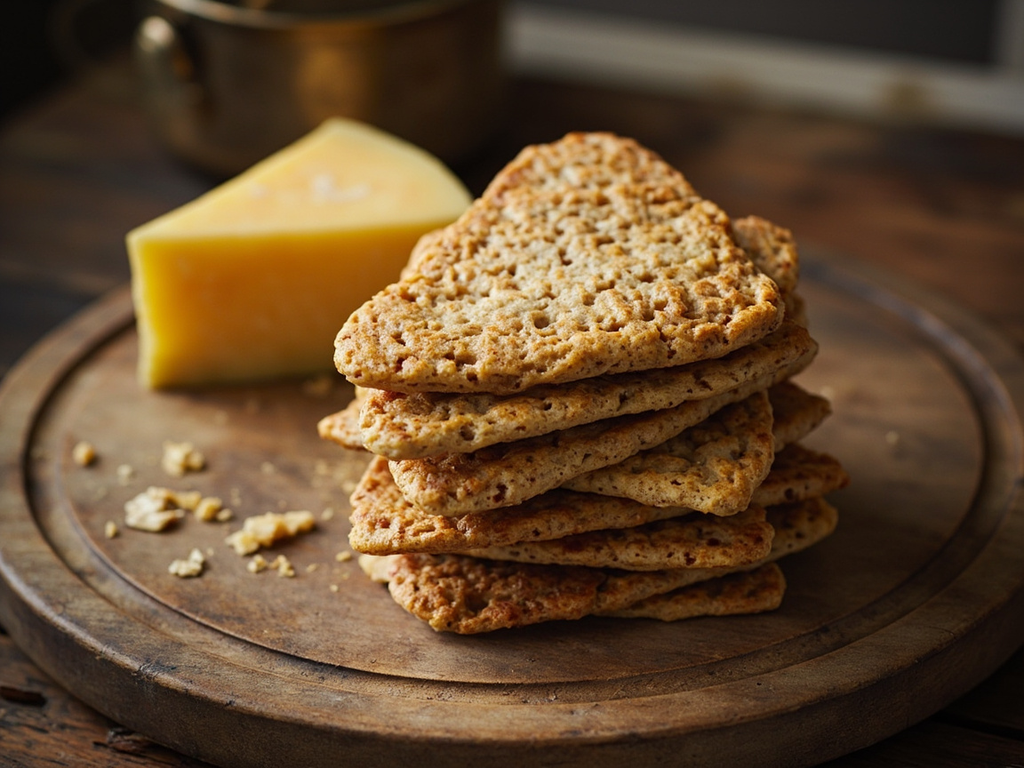
The contemporary twist : Serve the crispbreads with a juniper butter and a shaving of aged cheese: an 'explorer' snack for hiking.
Christina of Sweden · Charactorium