 flip
flipBohemian Bread Dumplings with Sauerkraut (Knödel)
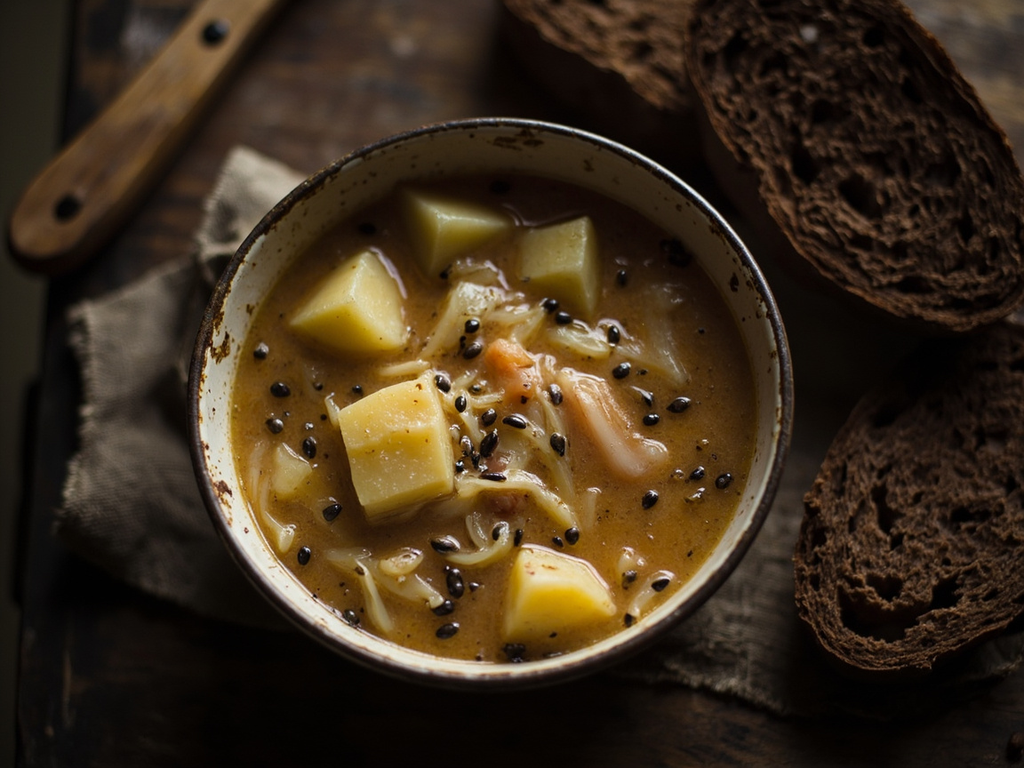
Bohemian Bread Dumplings with Sauerkraut (Knödel)
Why this dish? Gluck was born in Erasbach and grew up between Bohemia and Bavaria, where bread dumplings accompany almost every meal. This is the food of his roots, long before the splendors of Vienna and Paris.
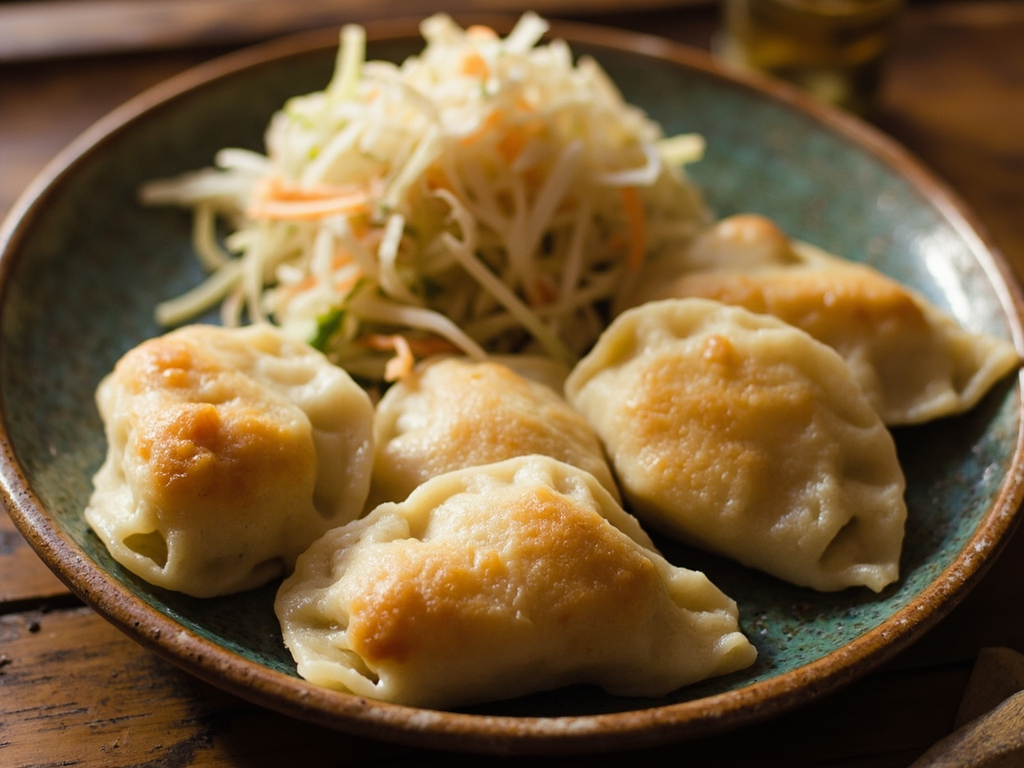
Large, soft dumplings made from stale bread, served with fermented cabbage (sauerkraut) perfumed with caraway. The quintessential home-style dish of the Bohemian lands.
They take me for a courtier, but I was born in a country where one never throws away a crumb of bread. At home, yesterday's bread became those fine dumplings my mother rolled between her hands, and we ate them with sour cabbage studded with caraway. It is simple, it is nourishing, and it keeps body and soul together through the Bohemian winters. Believe an old composer: one never forgets the taste of one's childhood, even when covered in honors.
- •Stale bread — several slices (base of dumplings)
- •Milk — enough to moisten (to soften bread)
- •Eggs — a few (binder)
- •Flour — a handful (structure)
- •Fermented cabbage — a good dish (sour accompaniment)
- •Caraway seeds — a pinch (signature spice)
Bohemian Bread Dumplings with Sauerkraut (Knödel)
Large, soft dumplings made from stale bread, served with fermented cabbage (sauerkraut) perfumed with caraway. The quintessential home-style dish of the Bohemian lands.
Why this dish? Gluck was born in Erasbach and grew up between Bohemia and Bavaria, where bread dumplings accompany almost every meal. This is the food of his roots, long before the splendors of Vienna and Paris.
They take me for a courtier, but I was born in a country where one never throws away a crumb of bread. At home, yesterday's bread became those fine dumplings my mother rolled between her hands, and we ate them with sour cabbage studded with caraway. It is simple, it is nourishing, and it keeps body and soul together through the Bohemian winters. Believe an old composer: one never forgets the taste of one's childhood, even when covered in honors.
Ingredients (period version)
- Stale bread — several slices (base of dumplings)
- Milk — enough to moisten (to soften bread)
- Eggs — a few (binder)
- Flour — a handful (structure)
- Fermented cabbage — a good dish (sour accompaniment)
- Caraway seeds — a pinch (signature spice)
Ingredients
- Stale bread, diced — 300 g (base)
- Warm milk — 200 ml (moisten)
- Eggs — 2 (binder)
- Flour — 3 tbsp (structure)
- Onion — 1 (sautéed in butter)
- Butter — 30 g (for onion)
- Raw sauerkraut — 500 g (signature fermented cabbage)
- Caraway seeds — 1 tsp (spice)
- Salt, parsley — to taste (seasoning)
Method
- Sauté the chopped onion in butter, let cool.
- Pour warm milk over the diced bread and let soften for 15 min.
- Mix bread, eggs, flour, onion, parsley, and salt to form a soft dough.
- Form large dumplings with wet hands.
- Poach for 15-20 min in a large pot of simmering salted water (they float when done).
- Meanwhile, simmer the rinsed sauerkraut with caraway for 30 min.
- Serve sliced dumplings alongside the hot cabbage.
How it was made : The Knödel is the heart of Bohemian and Bavarian cuisine: hard bread was never wasted, but transformed into poached dumplings. Cabbage was preserved all winter through fermentation in brine, a precious source of vitamins before modern canning. Caraway aided digestion of cabbage, hence its constant presence.
The contemporary twist : Roll the Knödel in breadcrumbs browned in brown butter for a crispy finish — a nod to the updated dumplings of today's bistros.
Christoph Willibald Gluck · Charactorium