 flip
flipSteamed Millet Buns (小窝头, xiǎo wōtóu)
Steamed Millet Buns (小窝头, xiǎo wōtóu)
Why this dish? During the court's flight to Xi'an in 1900, before the advance of foreign troops, Cixi is said to have tasted these humble millet buns (wotou) of the people along the way—so much so that she later demanded refined versions upon her return to the palace.
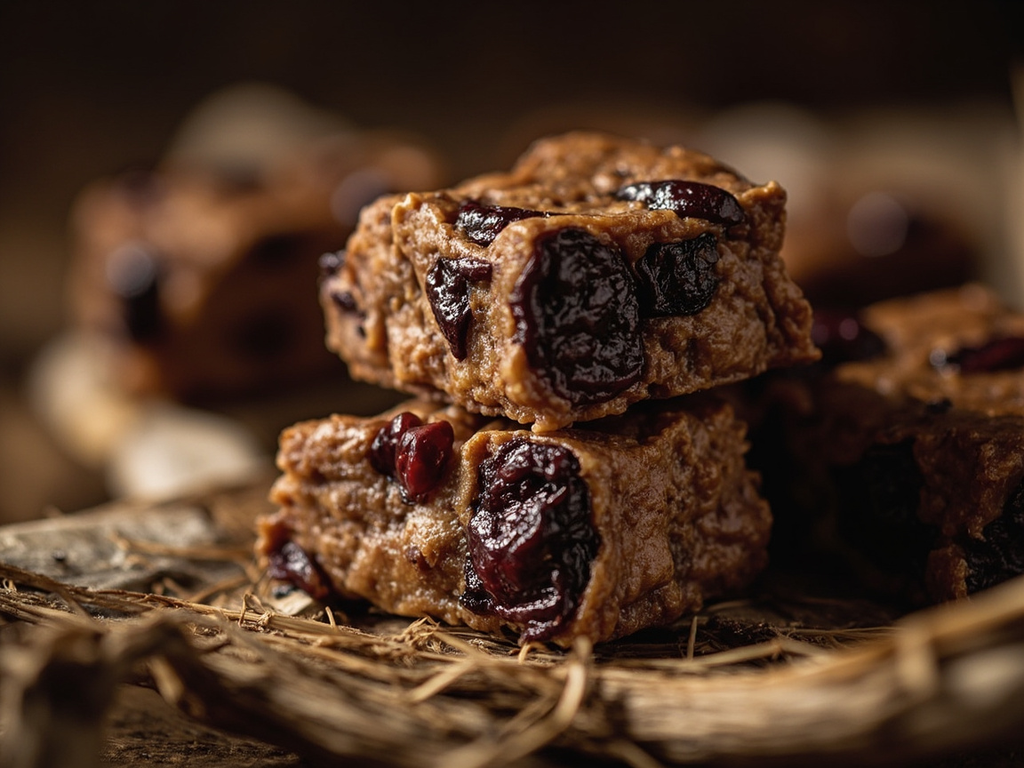
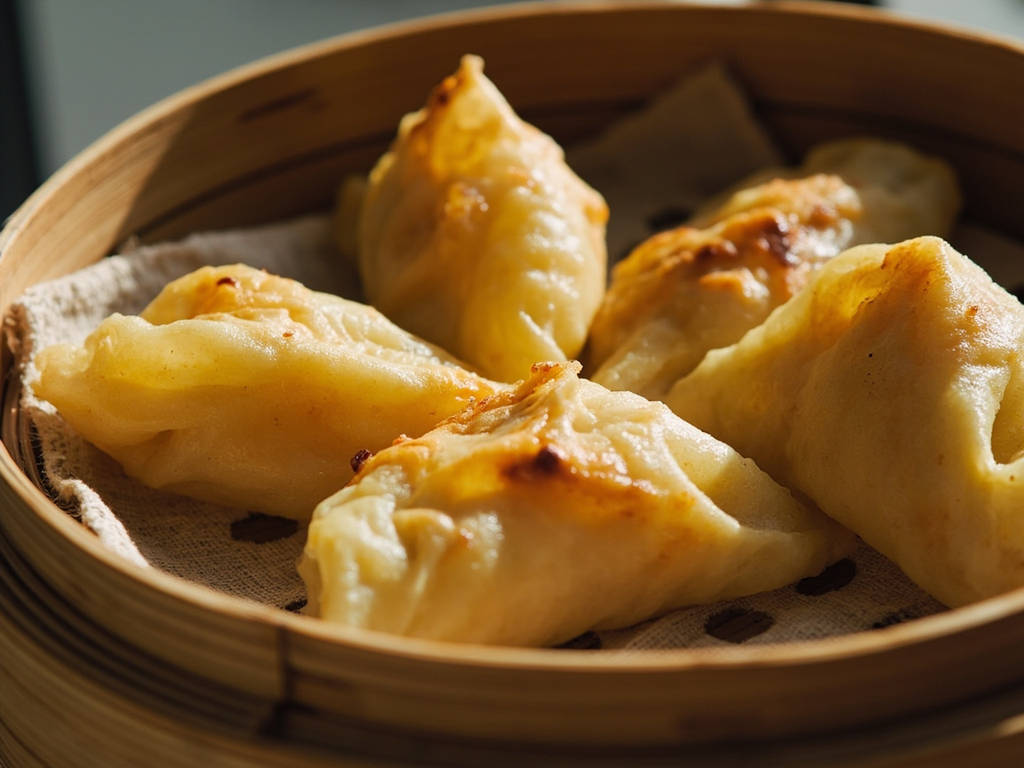
Small cones of millet (or millet) flour dough, steamed, hollow underneath, nourishing and easy to carry—the bread of roads and hard times, ennobled by an imperial memory.
One does not imagine an empress on the roads, in the dust, fleeing the barbarians—and yet. On the way westward, someone handed Me one of these little millet buns that the people eat; hunger, that day, made them exquisite. Upon Our return, We ordered them remade in Our kitchens, finer, softer—but We knew, We, where they came from. The millet flour is kneaded, shaped into small hollow cones, and steam does the rest. Keep them for the road: they hold, and they nourish.
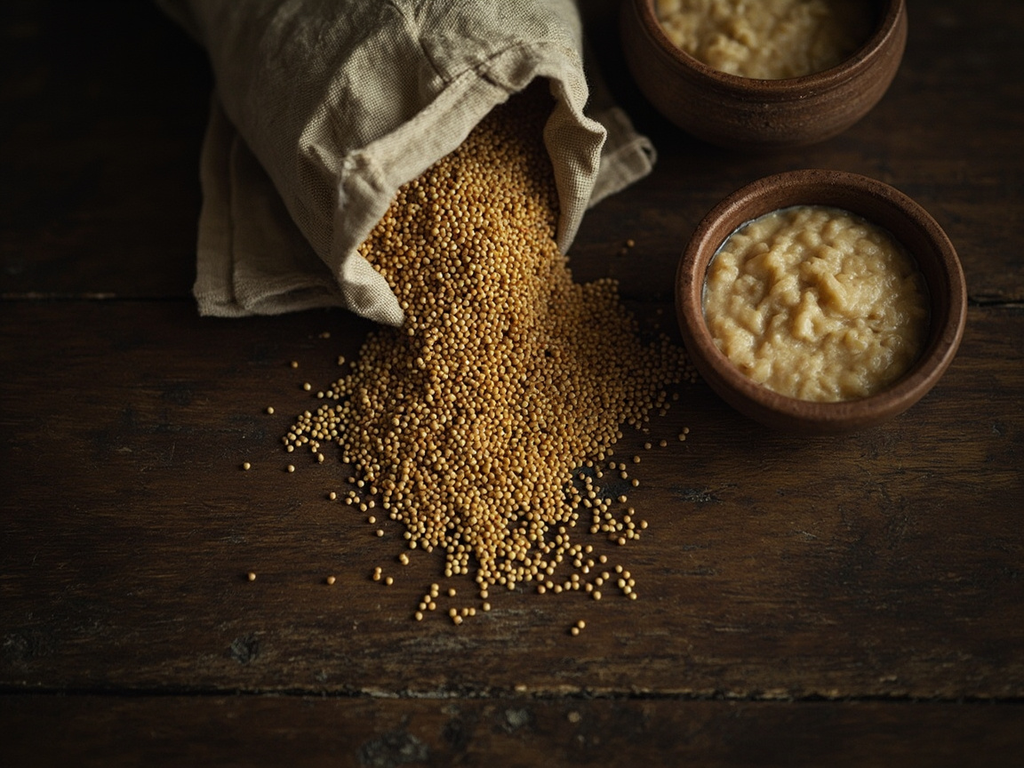
- •Millet flour (yellow millet) — a measure (base)
- •Yellow soybean flour — a little (binder and flavor)
- •Water — as needed (dough)
- •Brown sugar (jujube, sometimes) — a pinch (sweetness)
Steamed Millet Buns (小窝头, xiǎo wōtóu)
Small cones of millet (or millet) flour dough, steamed, hollow underneath, nourishing and easy to carry—the bread of roads and hard times, ennobled by an imperial memory.
Why this dish? During the court's flight to Xi'an in 1900, before the advance of foreign troops, Cixi is said to have tasted these humble millet buns (wotou) of the people along the way—so much so that she later demanded refined versions upon her return to the palace.
One does not imagine an empress on the roads, in the dust, fleeing the barbarians—and yet. On the way westward, someone handed Me one of these little millet buns that the people eat; hunger, that day, made them exquisite. Upon Our return, We ordered them remade in Our kitchens, finer, softer—but We knew, We, where they came from. The millet flour is kneaded, shaped into small hollow cones, and steam does the rest. Keep them for the road: they hold, and they nourish.
Ingredients (period version)
- Millet flour (yellow millet) — a measure (base)
- Yellow soybean flour — a little (binder and flavor)
- Water — as needed (dough)
- Brown sugar (jujube, sometimes) — a pinch (sweetness)
Ingredients
- Millet flour — 200 g (base)
- Yellow soybean flour (plain kinako) — 50 g (binder, flavor)
- Warm water — about 120 ml (dough)
- Brown sugar — 20 g (light sweetness)
- Pinch of salt — 1 (balance)
Method
- Mix the flours, sugar, and salt, then incorporate warm water to form a soft but non-sticky dough.
- Divide into small balls; shape each into a cone, hollowing the bottom with the thumb.
- Arrange in a steamer basket on paper or a leaf.
- Steam for 20 to 25 minutes.
- Let cool slightly; enjoy plain or with a little jujube paste.
How it was made : Wotou is the staple bread of the poor North, often made from millet or foxtail millet. The imperial version called "xiao wotou" (refined small wotou), associated with Cixi's return, makes it a sweeter, finer miniature—a stylized memory of a famine dish.
The contemporary twist : Served as bite-sized pieces with a dab of jujube paste, like the court version that supposedly followed the flight to Xi'an.
Cixi · Charactorium