 flip
flipWasná — bison pemmican with chokecherries
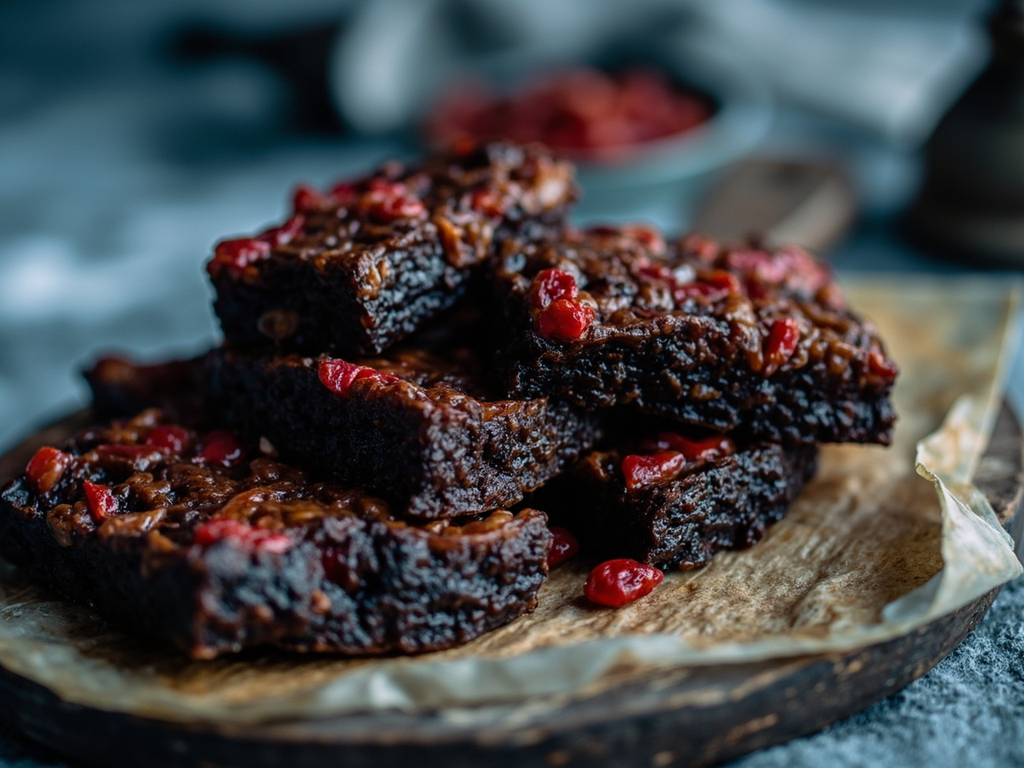
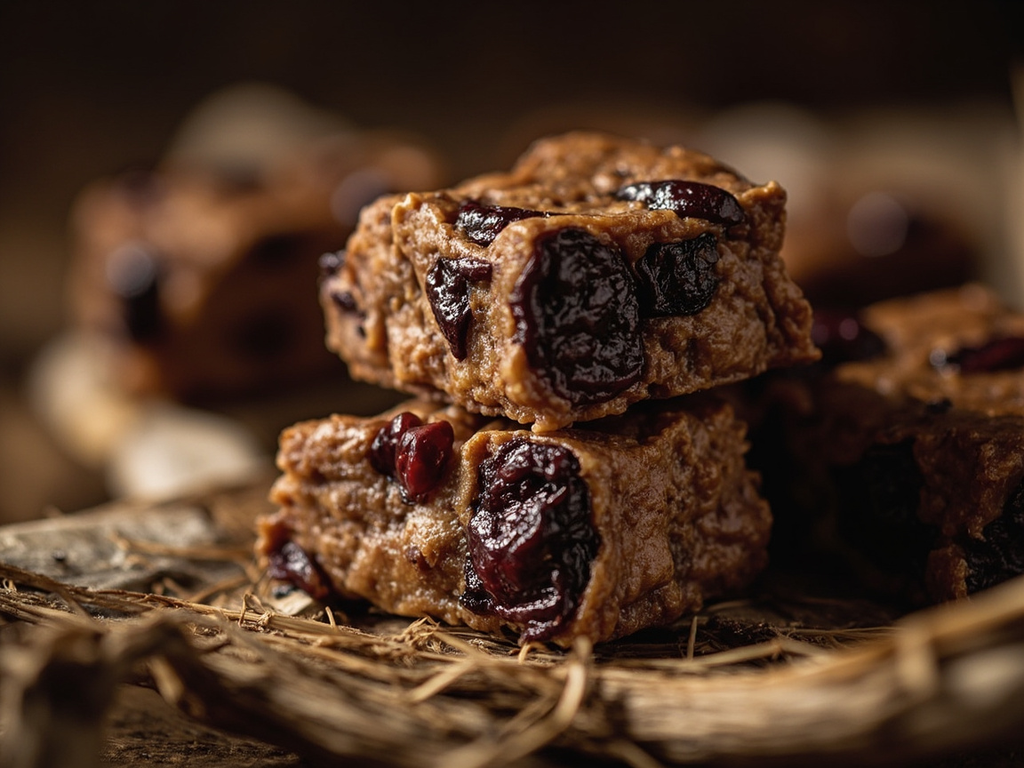
Wasná — bison pemmican with chokecherries
Why this dish? Wasná was the warrior's ration on campaign. Before Little Bighorn as in the long pursuits by the US cavalry, Crazy Horse's men carried this concentrate of meat and fat that lasts months without spoiling and sustains a man for a whole day.
Dried bison meat pounded into powder, mixed with rendered fat and crushed wild cherries. Compact, energy-dense, it keeps almost indefinitely: the perfect food for one who follows the herd or goes to war.
When we go far, we don't drag a pot. We take wasná. The women dried the meat in the wind and sun, thin as a leaf, then pounded it on the stone. We mixed it with the hot fat of the pté and the čhaŋpȟá, the cherries crushed with their pits. A man lasts a whole day on what his hand can hold — that is what made us fast when the soldiers thought us starving.
- •Dried bison meat (papa) — a large quantity, reduced to powder (base)
- •Rendered bison fat (tallow) — equal parts to the meat (binder, energy)
- •Dried chokecherries (čhaŋpȟá) — a handful, crushed pit and all (fruit, preservation)
Wasná — bison pemmican with chokecherries
Dried bison meat pounded into powder, mixed with rendered fat and crushed wild cherries. Compact, energy-dense, it keeps almost indefinitely: the perfect food for one who follows the herd or goes to war.
Why this dish? Wasná was the warrior's ration on campaign. Before Little Bighorn as in the long pursuits by the US cavalry, Crazy Horse's men carried this concentrate of meat and fat that lasts months without spoiling and sustains a man for a whole day.
When we go far, we don't drag a pot. We take wasná. The women dried the meat in the wind and sun, thin as a leaf, then pounded it on the stone. We mixed it with the hot fat of the pté and the čhaŋpȟá, the cherries crushed with their pits. A man lasts a whole day on what his hand can hold — that is what made us fast when the soldiers thought us starving.
Ingredients (period version)
- Dried bison meat (papa) — a large quantity, reduced to powder (base)
- Rendered bison fat (tallow) — equal parts to the meat (binder, energy)
- Dried chokecherries (čhaŋpȟá) — a handful, crushed pit and all (fruit, preservation)
Ingredients
- Lean dried beef or bison (unsweetened jerky style) — 250 g (base)
- Rendered beef tallow — 250 g (binder, energy)
- Unsweetened dried cherries or cranberries — 80 g (fruit, preservation)
- Salt — 1 pinch (seasoning)
Method
- Dry the meat very thin in a dehydrator or oven at 60 °C until brittle.
- Grind to a coarse powder in a mortar or food processor.
- Finely chop the dried fruit and mix with the meat powder and salt.
- Melt the tallow gently, then pour hot over the mixture, working to equal parts until a firm paste forms.
- Press into bars or balls, let set in a cool place. Keeps for weeks.
How it was made : Pemmican (from Algonquian pimîhkân) was made by all Plains nations. The meat was dried on racks, pounded, then sealed in fat inside rawhide bags (parfleches) that could last years. Chokecherry pits, toxic raw in large quantities, were crushed and dried according to precise know-how that made them safe.
The contemporary twist : Cut into energy bars in the style of 'ancestral hiking food' — the direct ancestor of the modern trail bar.
Sources : Densmore, F., 'Teton Sioux Music' (1918) · Kindscher, K., 'Edible Wild Plants of the Prairie' (1987)
Crazy Horse · Charactorium