 flip
flipApple Jelly from the Orchard
Apple Jelly from the Orchard
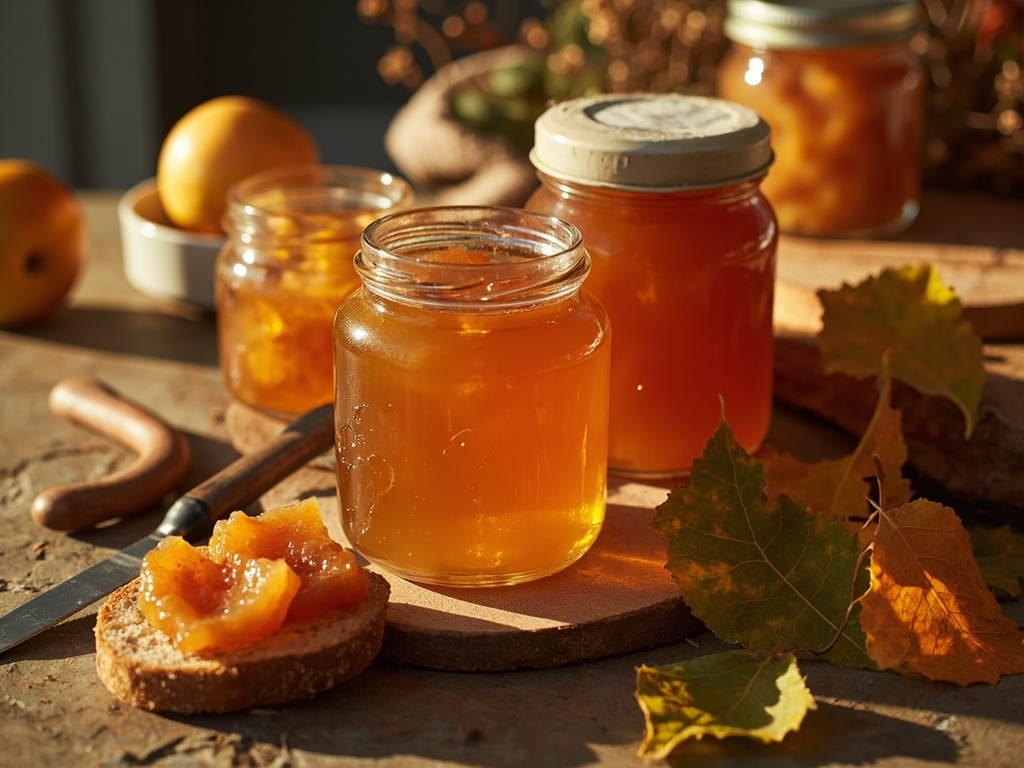
Why this dish? Monet's garden at Giverny was his great pride, orchard included. Putting apples into jelly for winter was the natural way to extend the harvest — a translucent, amber jelly spread on lunch bread or coating desserts.
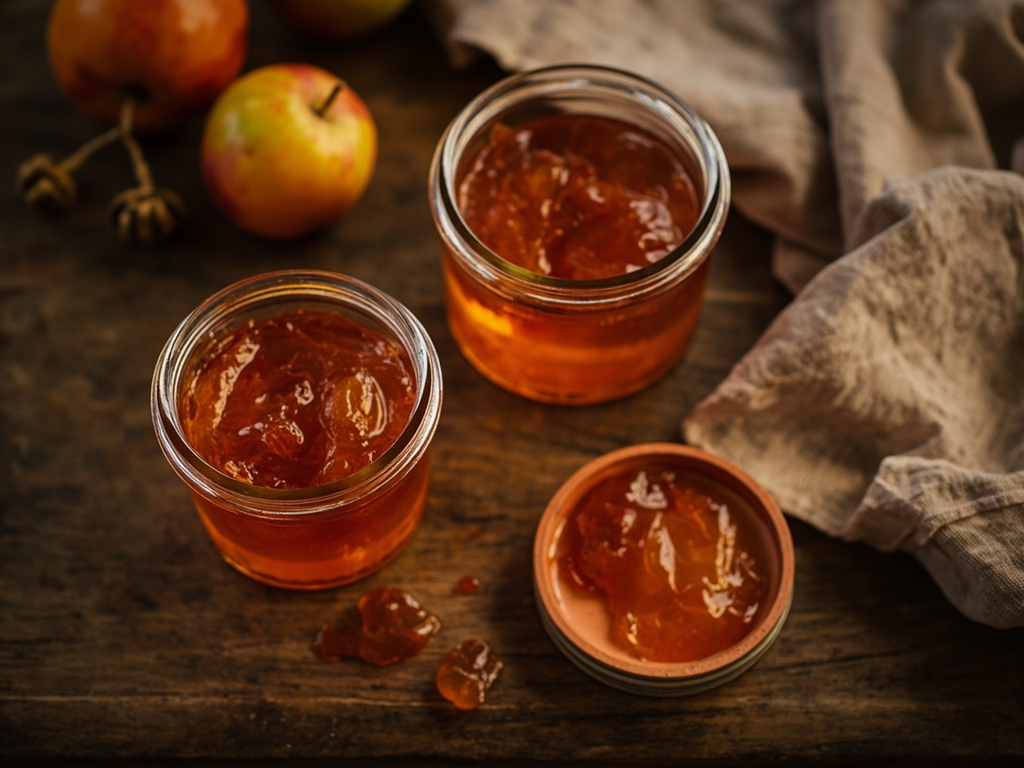
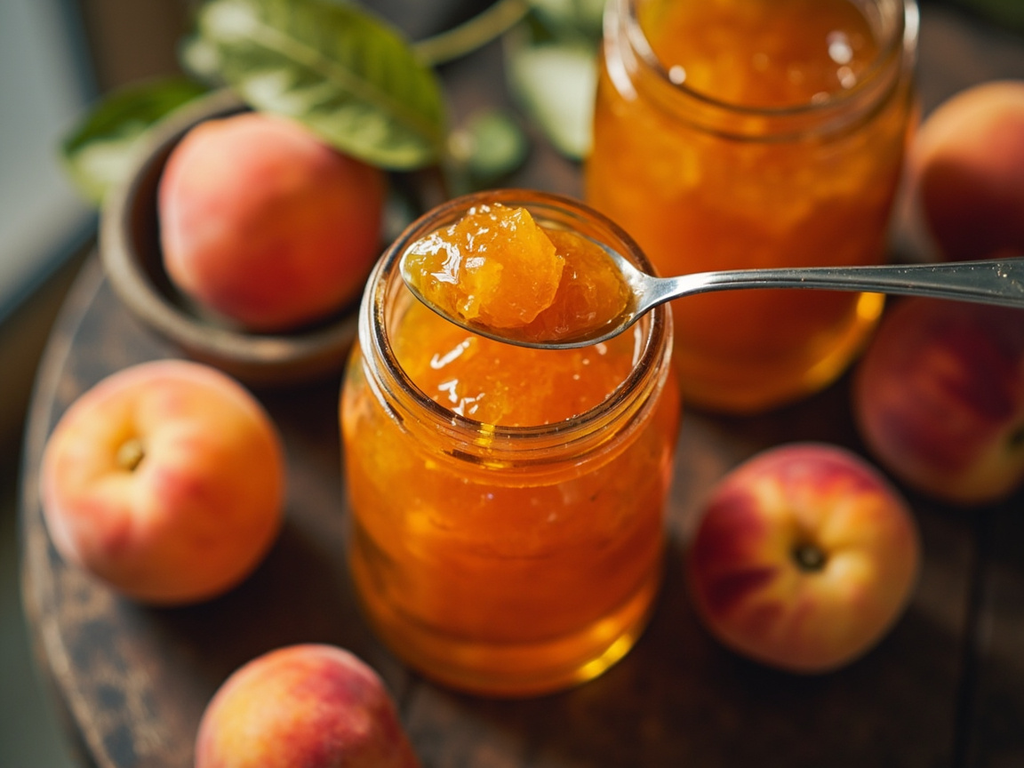
A clear, trembling jelly made from the pure juice of orchard apples, barely lifted with lemon. Naturally set thanks to the fruit's pectin, it captures light like a stained-glass window — sure to please a painter obsessed with color.
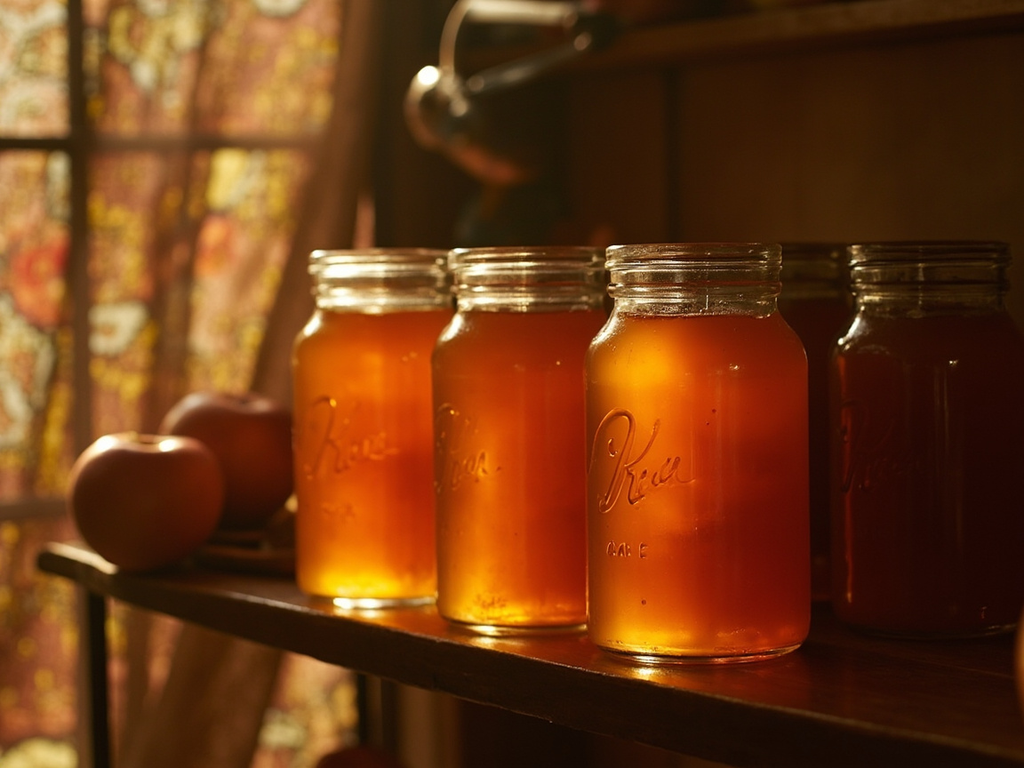
When the orchard bends under the weight of apples, we waste nothing. We let them soften gently in water, collect the clear juice without pressing — that's the secret to a clean jelly — then marry it with sugar until it coats the spoon. I want it amber, transparent, alive with light: hold it up to the window, it looks like one of my colored panes. On morning bread, it's my whole garden that I make you taste.
- •Orchard apples (slightly underripe, rich in pectin) — a full basket (fruit and natural gelling agent)
- •Spring water — to cover (extraction)
- •Sugar — equal weight to juice (preservation and sweetness)
- •Lemon — one (acidity and setting)
Apple Jelly from the Orchard
A clear, trembling jelly made from the pure juice of orchard apples, barely lifted with lemon. Naturally set thanks to the fruit's pectin, it captures light like a stained-glass window — sure to please a painter obsessed with color.
Why this dish? Monet's garden at Giverny was his great pride, orchard included. Putting apples into jelly for winter was the natural way to extend the harvest — a translucent, amber jelly spread on lunch bread or coating desserts.
When the orchard bends under the weight of apples, we waste nothing. We let them soften gently in water, collect the clear juice without pressing — that's the secret to a clean jelly — then marry it with sugar until it coats the spoon. I want it amber, transparent, alive with light: hold it up to the window, it looks like one of my colored panes. On morning bread, it's my whole garden that I make you taste.
Ingredients (period version)
- Orchard apples (slightly underripe, rich in pectin) — a full basket (fruit and natural gelling agent)
- Spring water — to cover (extraction)
- Sugar — equal weight to juice (preservation and sweetness)
- Lemon — one (acidity and setting)
Ingredients
- Apples (mix including tart varieties, unpeeled) — 2 kg (fruit and natural gelling agent)
- Water — 1.5 liters (extraction)
- Sugar — about 800 g (equal weight to filtered juice) (preservation and sweetness)
- Lemon juice — 1 lemon (acidity and setting)
Method
- Wash and cut the apples into quarters without peeling or coring (skin and seeds are rich in pectin).
- Cover with water and cook for 30-40 minutes until they collapse.
- Pour into a cloth or cheesecloth suspended and let the juice drip overnight, without pressing.
- Measure the juice, add an equal weight of sugar and the lemon juice, bring to a boil.
- Boil vigorously for 15-25 minutes until the setting point (a drop gels on a cold plate).
- Pour into hot sterilized jars, seal and invert; store in a cool, dark place.
How it was made : Jams and jellies were the great affair of autumn kitchens in the 19th century, the only way to preserve the taste of fruit until spring. They used affordable sugar and the natural pectin of apples and quinces, long before industrial gelling agents. The pots were stored in the cool pantry, lined up like jars of light.
The contemporary twist : A sprig of rosemary or a few cardamom seeds slipped in at the end of cooking, then removed, for a modern aperitif jelly on goat cheese.
Claude Monet · Charactorium