 flip
flipInkoko ya kumudzi (village chicken for special occasions)
Inkoko ya kumudzi (village chicken for special occasions)
Why this dish? Village chicken (free-range, raised on the ground) is the munani for important days in Zambia: weddings, homecomings, honor visits. For a daughter of Lusaka who became an economist invited around the world, it is the dish of family reunions, the one for which the rooster is killed to celebrate.
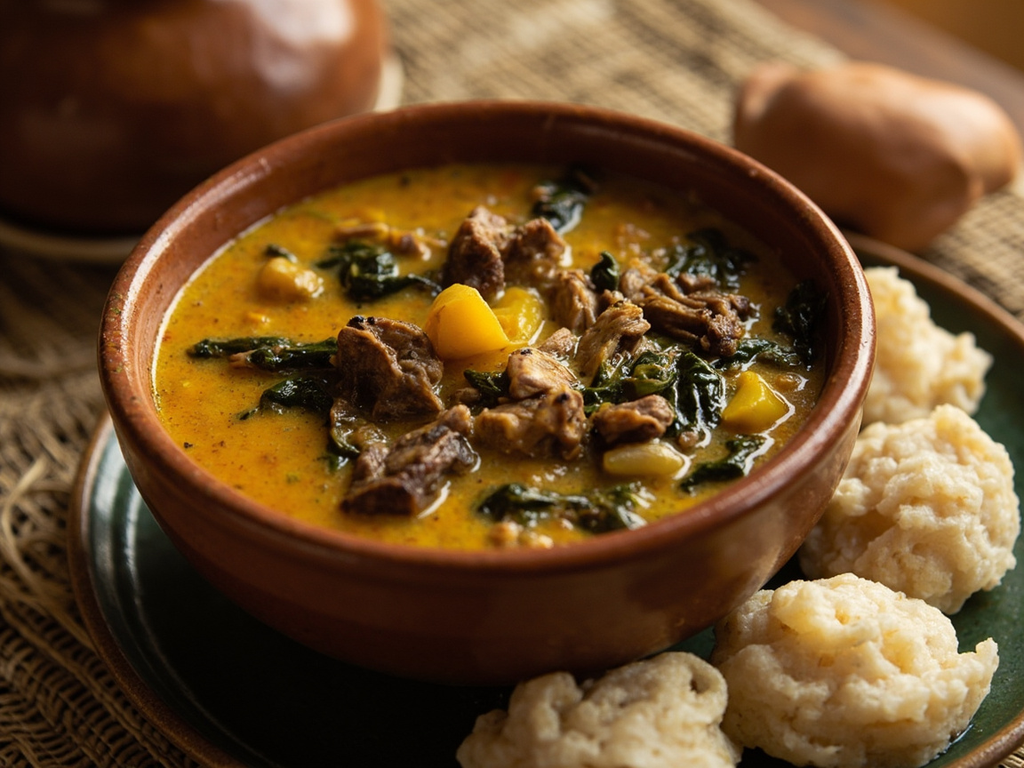
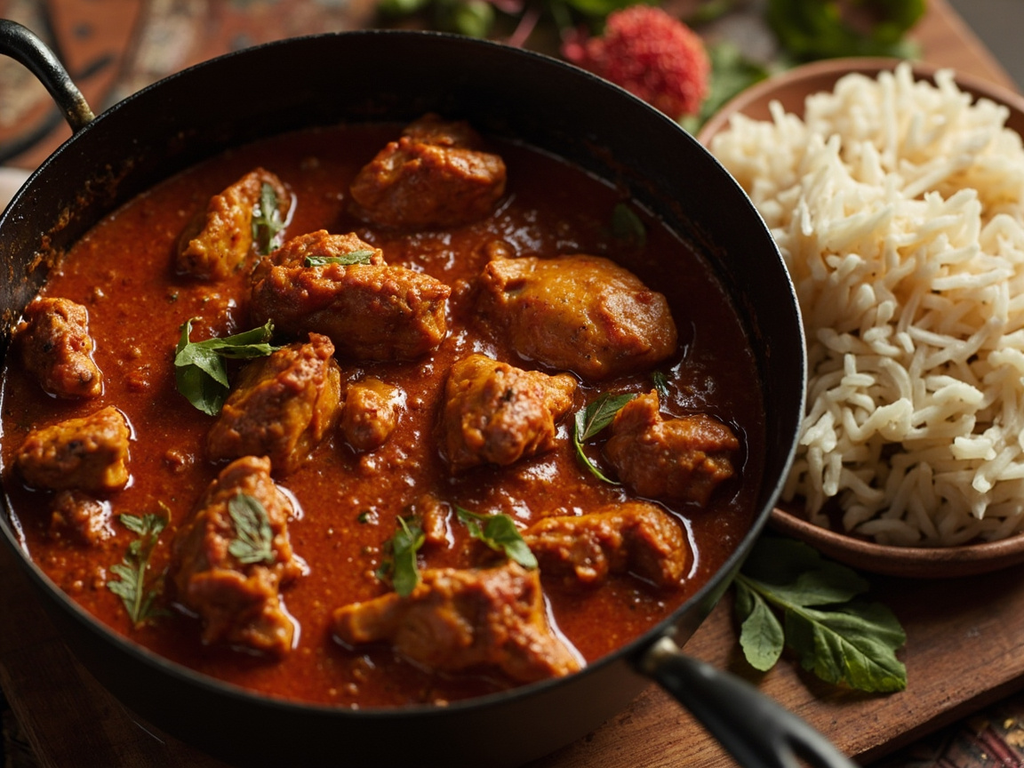
A free-range chicken slowly stewed with onion, tomato, and a hint of chili, with firm, flavorful meat, served with nshima for large gatherings.
When I return home, they don't serve me a bland factory chicken — they choose a real village rooster, one that ran and scratched the earth. Its flesh resists under the tooth, it has character, like a well-constructed argument. It is stewed long, with patience, until it gives all its flavor. Here is my lesson: what has grown freely and taken its time is always worth more than what is imported ready-made.
- •Whole village chicken — one (centerpiece)
- •Onions — two (base)
- •Tomatoes — three (sauce)
- •Fresh chili — one small (heat)
- •Salt — to taste (seasoning)
- •Oil — a little (searing)
Inkoko ya kumudzi (village chicken for special occasions)
A free-range chicken slowly stewed with onion, tomato, and a hint of chili, with firm, flavorful meat, served with nshima for large gatherings.
Why this dish? Village chicken (free-range, raised on the ground) is the munani for important days in Zambia: weddings, homecomings, honor visits. For a daughter of Lusaka who became an economist invited around the world, it is the dish of family reunions, the one for which the rooster is killed to celebrate.
When I return home, they don't serve me a bland factory chicken — they choose a real village rooster, one that ran and scratched the earth. Its flesh resists under the tooth, it has character, like a well-constructed argument. It is stewed long, with patience, until it gives all its flavor. Here is my lesson: what has grown freely and taken its time is always worth more than what is imported ready-made.
Ingredients (period version)
- Whole village chicken — one (centerpiece)
- Onions — two (base)
- Tomatoes — three (sauce)
- Fresh chili — one small (heat)
- Salt — to taste (seasoning)
- Oil — a little (searing)
Ingredients
- Free-range chicken pieces — 1.2 kg (meat)
- Onions — 2 (base)
- Ripe tomatoes — 3 (or 400 g crushed) (sauce)
- Bird's eye chili — 1 (to taste) (heat)
- Garlic — 2 cloves (aromatic)
- Oil — 2 tbsp (searing)
- Salt — 1.5 tsp (seasoning)
Method
- Salt the chicken pieces and sear them in hot oil until browned; set aside.
- Sauté the chopped onions, garlic, and chili in the same pot.
- Add the tomatoes and let reduce into a sauce for 10 minutes.
- Return the chicken, add water halfway up, salt, and simmer covered for 45 to 60 minutes.
- Uncover at the end to thicken the sauce; adjust salt.
- Serve steaming with a generous portion of nshima and a green leaf munani.
How it was made : In villages, chicken was only eaten on special occasions: raised for eggs and sacrificed to honor a guest or mark a celebration. Slow cooking over three stones in a cast iron pot, without sweet New World chili before colonial times — hot pepper spread via trade routes after the 16th century.
The contemporary twist : Rename it 'road runner' as Zambians nickname it (the chicken too fast to catch) and plate it on nshima with a cordon of sauce and sliced chili.
Dambisa Moyo · Charactorium