 flip
flipParkin (oatmeal molasses cake)
Parkin (oatmeal molasses cake)
Why this dish? Parkin is the emblematic pastry of Lancashire and Yorkshire, Marsden's home region. Its enormous advantage: it improves with age. You bake it, lock it in a tin, and it becomes better after a week—the perfect reserve treat in a northern household.
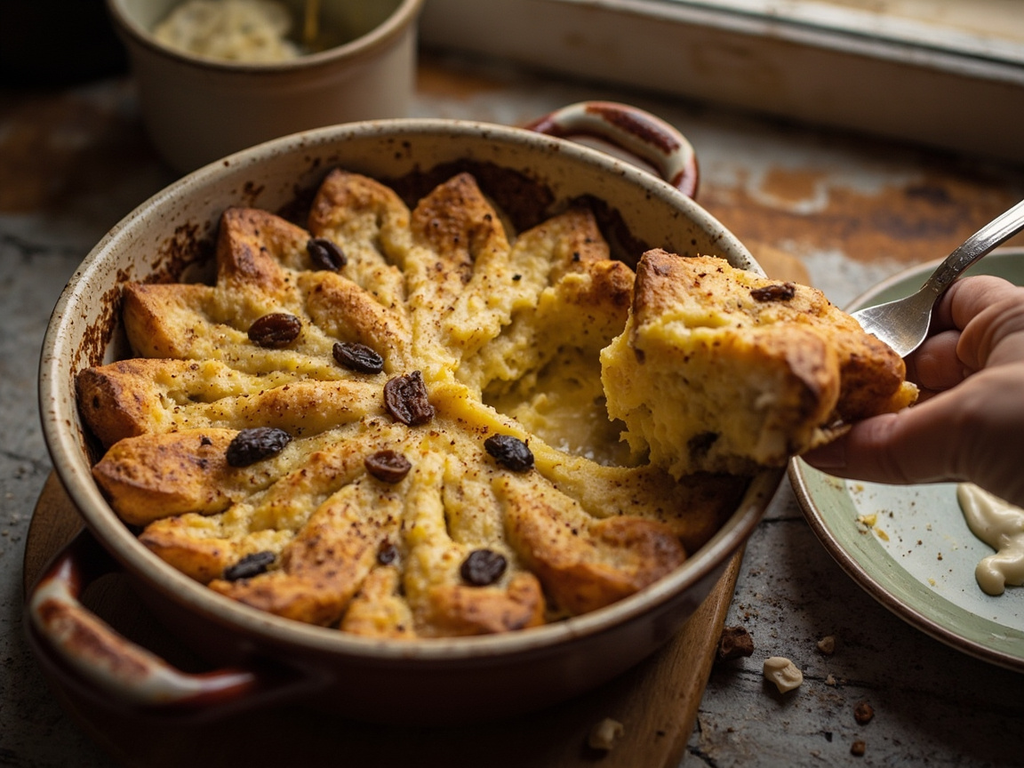
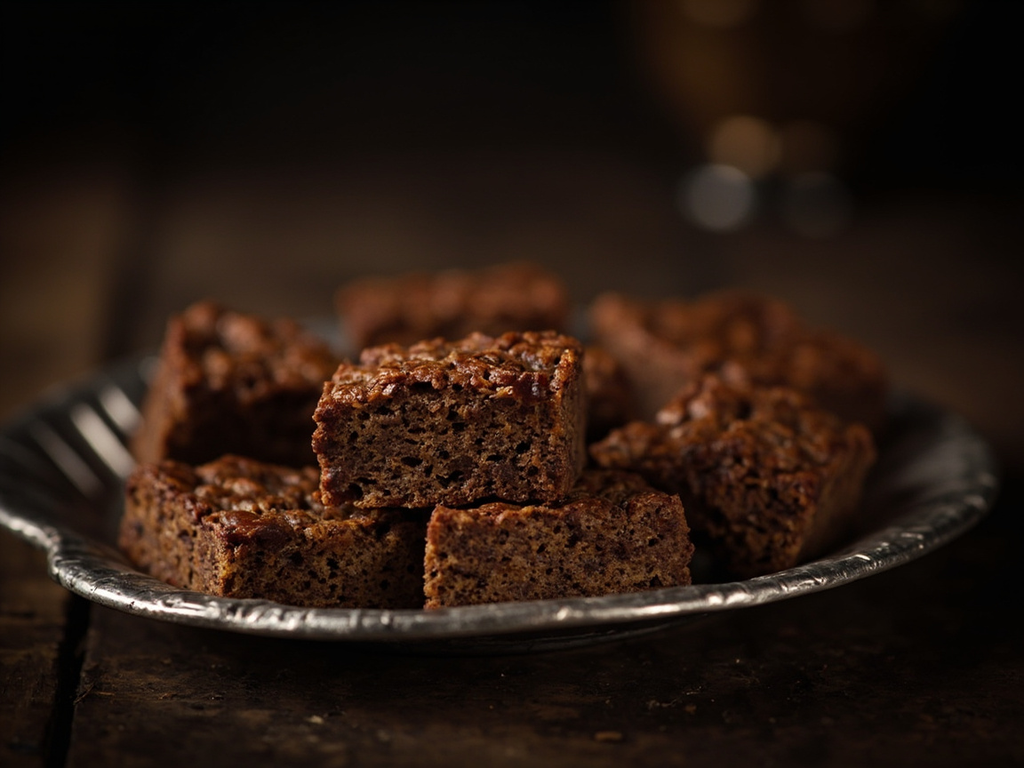
A dense, sticky cake made from oatmeal, flour, ginger and black treacle. Dark, spicy, almost caramelized, it keeps for days, softening as it ages.
Here is a cake with a rare virtue: it improves with time. Fresh from the oven it is acceptable, but locked in a tin for a week, it softens and becomes sticky, the ginger and treacle marry. My grandmother made it for Bonfire Night on the 5th of November, and stored it well in advance. Patience and good keeping: these are two principles I later found in my laboratory notebooks, where one learns that a thing left to mature at proper rest is better than a thing rushed.
- •Medium oatmeal — two cups (rustic texture)
- •Flour — one cup (structure)
- •Black treacle — a good ladleful (signature, color, moisture)
- •Golden syrup — a little (sweetness)
- •Butter or lard — a large knob (fat)
- •Ground ginger — generously (master spice)
- •Brown sugar — half a cup (sweetness)
- •Bicarbonate of soda, milk, egg, salt — as needed (leavening and binder)
Parkin (oatmeal molasses cake)
A dense, sticky cake made from oatmeal, flour, ginger and black treacle. Dark, spicy, almost caramelized, it keeps for days, softening as it ages.
Why this dish? Parkin is the emblematic pastry of Lancashire and Yorkshire, Marsden's home region. Its enormous advantage: it improves with age. You bake it, lock it in a tin, and it becomes better after a week—the perfect reserve treat in a northern household.
Here is a cake with a rare virtue: it improves with time. Fresh from the oven it is acceptable, but locked in a tin for a week, it softens and becomes sticky, the ginger and treacle marry. My grandmother made it for Bonfire Night on the 5th of November, and stored it well in advance. Patience and good keeping: these are two principles I later found in my laboratory notebooks, where one learns that a thing left to mature at proper rest is better than a thing rushed.
Ingredients (period version)
- Medium oatmeal — two cups (rustic texture)
- Flour — one cup (structure)
- Black treacle — a good ladleful (signature, color, moisture)
- Golden syrup — a little (sweetness)
- Butter or lard — a large knob (fat)
- Ground ginger — generously (master spice)
- Brown sugar — half a cup (sweetness)
- Bicarbonate of soda, milk, egg, salt — as needed (leavening and binder)
Ingredients
- Fine/medium oatmeal — 200 g (texture)
- Flour — 120 g (structure)
- Black treacle — 200 g (signature, color, moistness)
- Golden syrup — 80 g (sweetness)
- Butter — 120 g (fat)
- Ground ginger — 2 tsp (master spice)
- Brown sugar — 80 g (sweetness)
- Bicarbonate of soda — 1 tsp (leavening)
- Milk — 60 ml (binder)
- Egg — 1 (binder)
- Pinch of salt — 1 (balance)
Method
- Preheat oven to 150 °C. Line a square tin.
- Gently melt butter, treacle, golden syrup and brown sugar without boiling.
- Mix dry ingredients: oatmeal, flour, ginger, bicarbonate and salt.
- Pour the warm mixture onto the dry, add beaten egg and milk, mix to a dropping consistency.
- Pour into the tin and bake for 1 hour to 1 hour 15 minutes until firm on top.
- Let cool, then—key step—seal the parkin in an airtight container and wait at least 3 days before cutting.
How it was made : Parkin is traditionally associated with Bonfire Night on 5 November in northern England. Molasses, a cheap by-product of sugar refineries, was the everyday sweetener of the common people before white sugar became widespread.
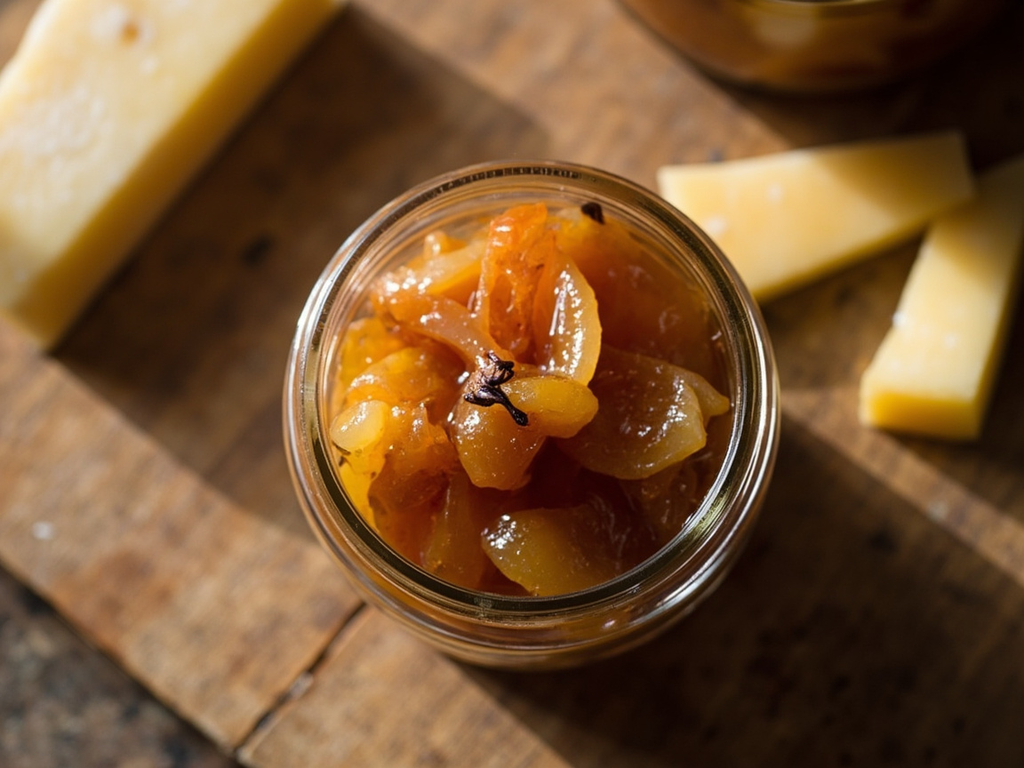
The contemporary twist : Serve it warm with a slice of melting Lancashire cheese: the sweet-savory combination is an underrated northern classic.
Ernest Marsden · Charactorium