 flip
flipMostarda di frutta di Parma
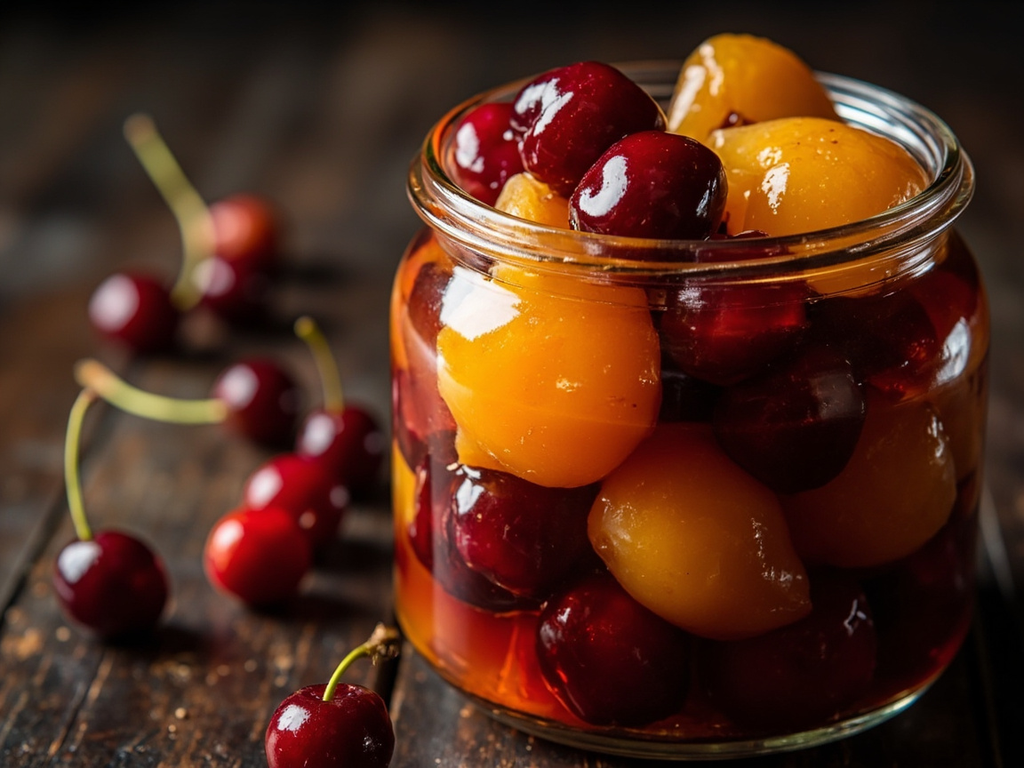
Mostarda di frutta di Parma
Why this dish? Mostarda — candied fruits spiked with mustard essence — was the preserve that allowed autumn fruits to be kept all winter and served with boiled meats and cheeses. A sweet-pungent delight from the Emilian pantry that Toscanini found on the tables of his Parmesan youth.
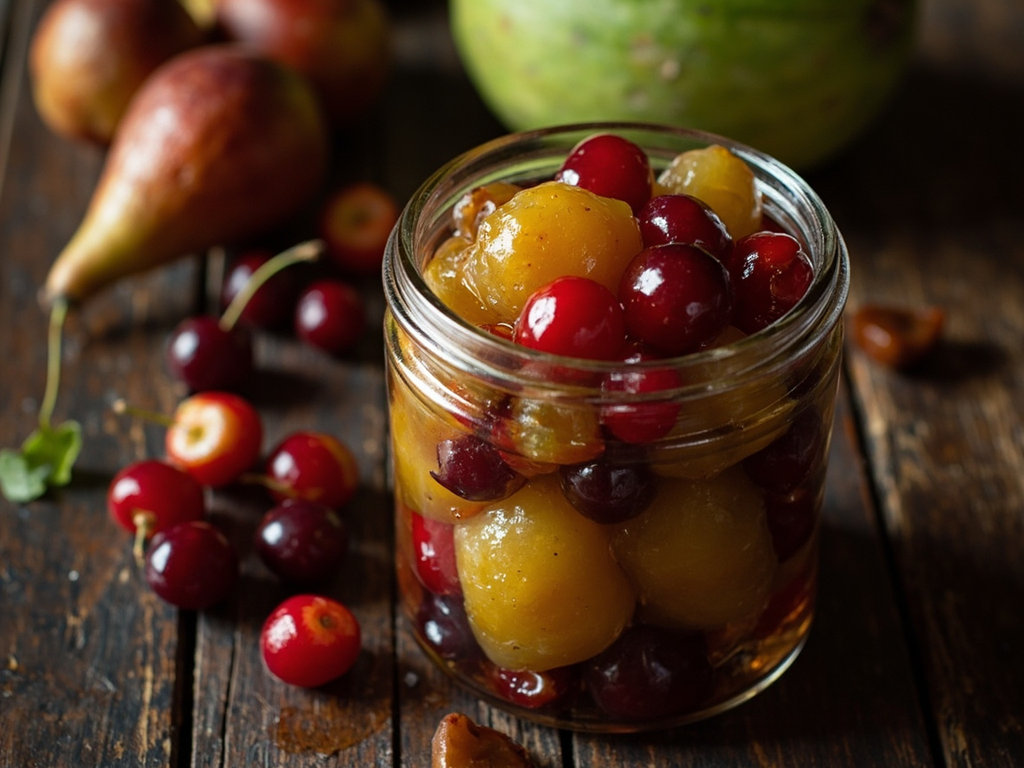
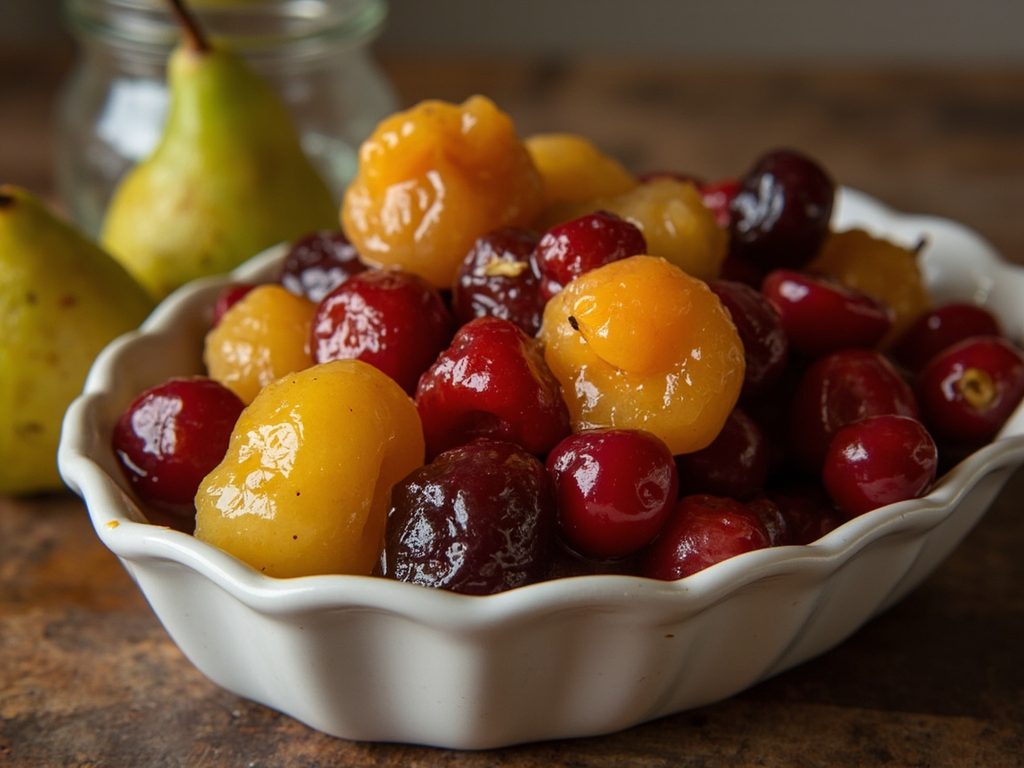
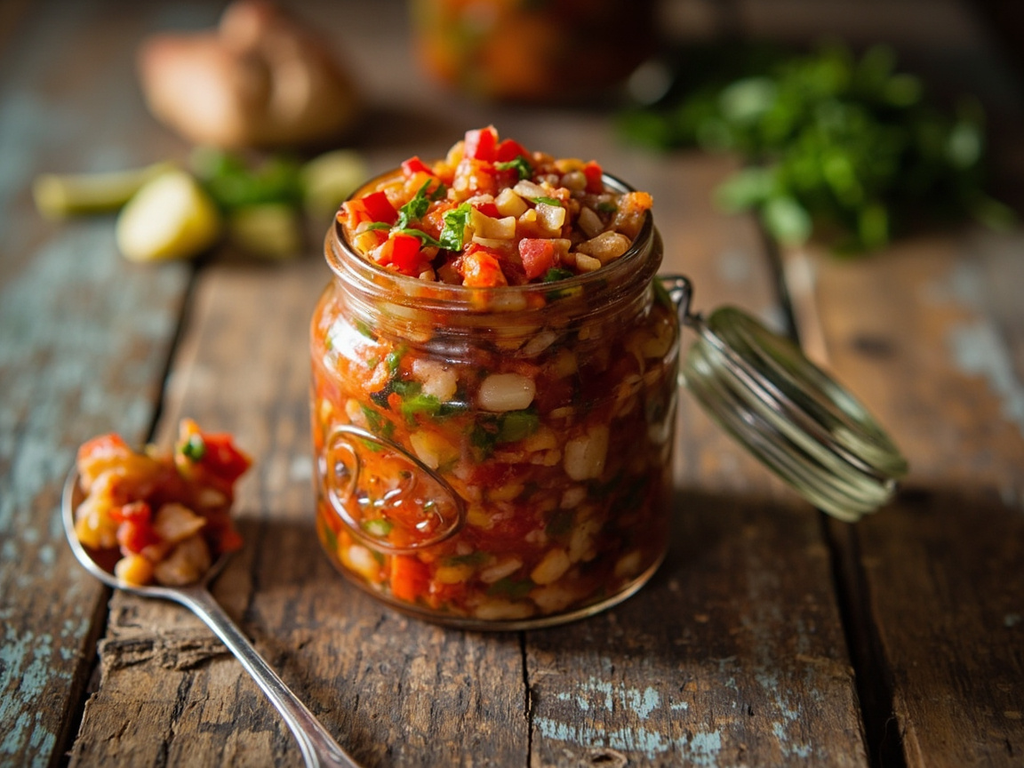
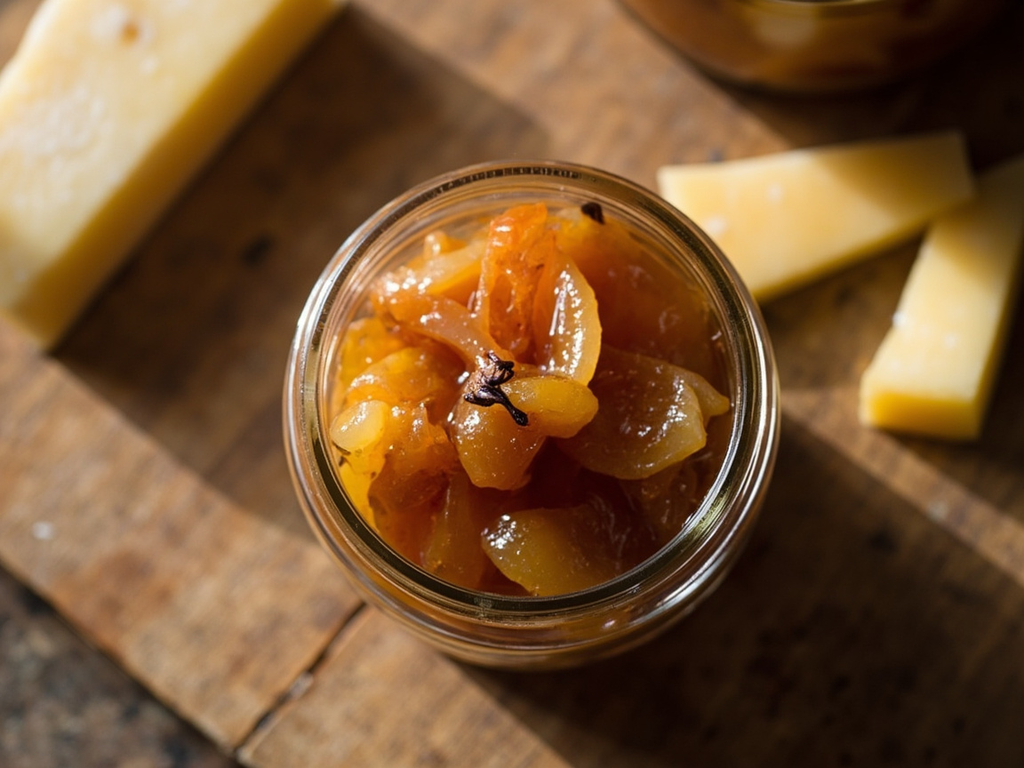
Fruits (pears, quinces, cherries) slowly candied in syrup, then awakened by a few drops of mustard essence that stings the nose. A sweet and biting preserve, served with boiled meats and, above all, with Parmigiano.
Ah, the mostarda! Believe me, it stings the nose like a conductor stings his musicians when they lag! My family prepared it in autumn, when pears and quinces abounded, to get through winter. On a shard of Parmigiano, that contrast of sweet and pungent — that's the perfect chord, the dissonance that resolves! A spoonful is enough: it's a condiment, not a dessert, don't be greedy.
- •Firm pears — several (fruit)
- •Quinces — a few (fruit)
- •Cherries or figs — a handful (fruit)
- •Sugar — equal weight of fruit (candying and preservation)
- •Mustard essence (senape) — a few drops (signature pungency)
- •Lemon — one (acidity)
Mostarda di frutta di Parma
Fruits (pears, quinces, cherries) slowly candied in syrup, then awakened by a few drops of mustard essence that stings the nose. A sweet and biting preserve, served with boiled meats and, above all, with Parmigiano.
Why this dish? Mostarda — candied fruits spiked with mustard essence — was the preserve that allowed autumn fruits to be kept all winter and served with boiled meats and cheeses. A sweet-pungent delight from the Emilian pantry that Toscanini found on the tables of his Parmesan youth.
Ah, the mostarda! Believe me, it stings the nose like a conductor stings his musicians when they lag! My family prepared it in autumn, when pears and quinces abounded, to get through winter. On a shard of Parmigiano, that contrast of sweet and pungent — that's the perfect chord, the dissonance that resolves! A spoonful is enough: it's a condiment, not a dessert, don't be greedy.
Ingredients (period version)
- Firm pears — several (fruit)
- Quinces — a few (fruit)
- Cherries or figs — a handful (fruit)
- Sugar — equal weight of fruit (candying and preservation)
- Mustard essence (senape) — a few drops (signature pungency)
- Lemon — one (acidity)
Ingredients
- Firm pears — 500 g (fruit)
- Quinces — 300 g (fruit)
- Pitted cherries (or figs) — 200 g (fruit)
- Sugar — 600 g (candying and preservation)
- Mustard essence (from pharmacy/gourmet shop) — 5 to 10 drops (signature pungency)
- Lemon juice — 1 lemon (acidity)
Method
- Cut the fruits into wedges and macerate overnight with the sugar and lemon juice.
- The next day, collect the syrup, bring to a boil, pour over the fruits; repeat this process for 3 consecutive days (slow candying method).
- On the last day, cook fruits and syrup together until the fruits are translucent.
- Off the heat and once lukewarm, incorporate the mustard essence drop by drop (caution: very strong and irritating to the eyes).
- Place in sterilized jars and seal tightly. Store in a cool place for several months.
- Serve a small spoonful with Parmigiano or boiled meats.
How it was made : Before cheap refined sugar, fruits were candied with honey or reduced grape must (sapa). Mustard essence, bought from the apothecary, preserved and enlivened the fruits; only a little was used, as the pungency cuts through the sugar. Each family kept its secret proportion.
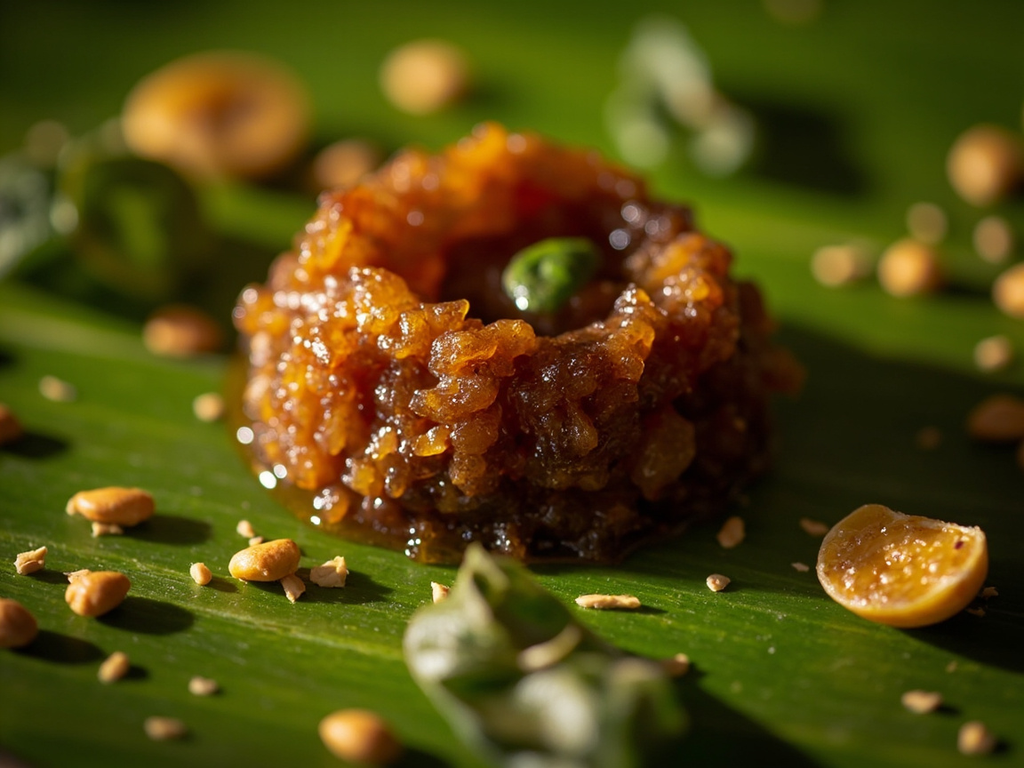
The contemporary twist : Serve the mostarda as a quenelle on a shard of 36-month aged Parmigiano for a "dissonant duo" worthy of a symphony finale.
Sources : Tradition des mostarde d'Émilie et de Lombardie · Pellegrino Artusi, La scienza in cucina e l'arte di mangiar bene, 1891
Arturo Toscanini · Charactorium