 flip
flipẸmu — fresh palm wine from the crossroads
Ẹmu — fresh palm wine from the crossroads
Why this dish? Palm wine (ọtí) is among the libations poured to Eshu, and it is the welcoming drink shared where paths cross. Sweet in the morning, sour by evening: a trickster drink that changes face with the hour — like the god himself.
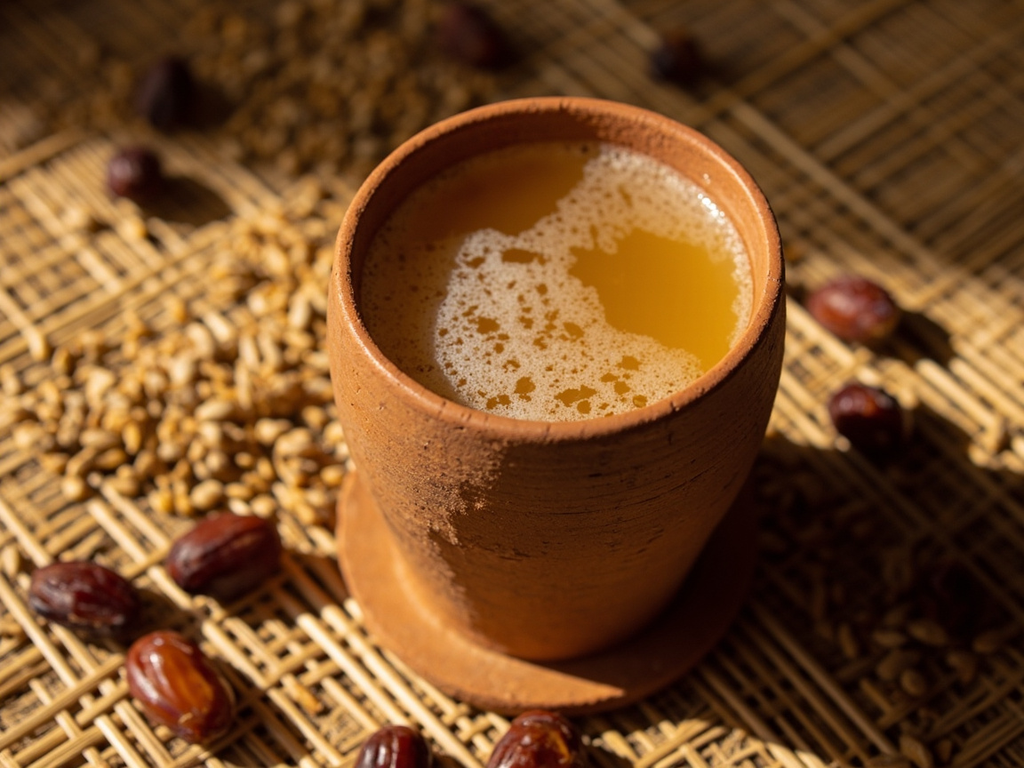
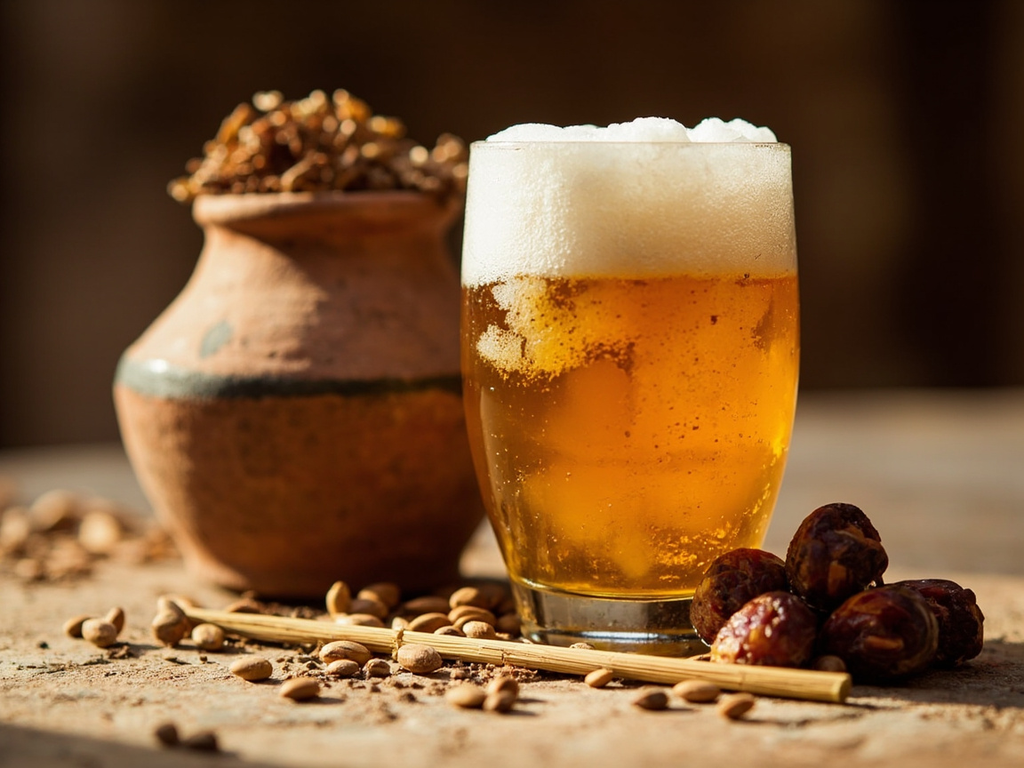
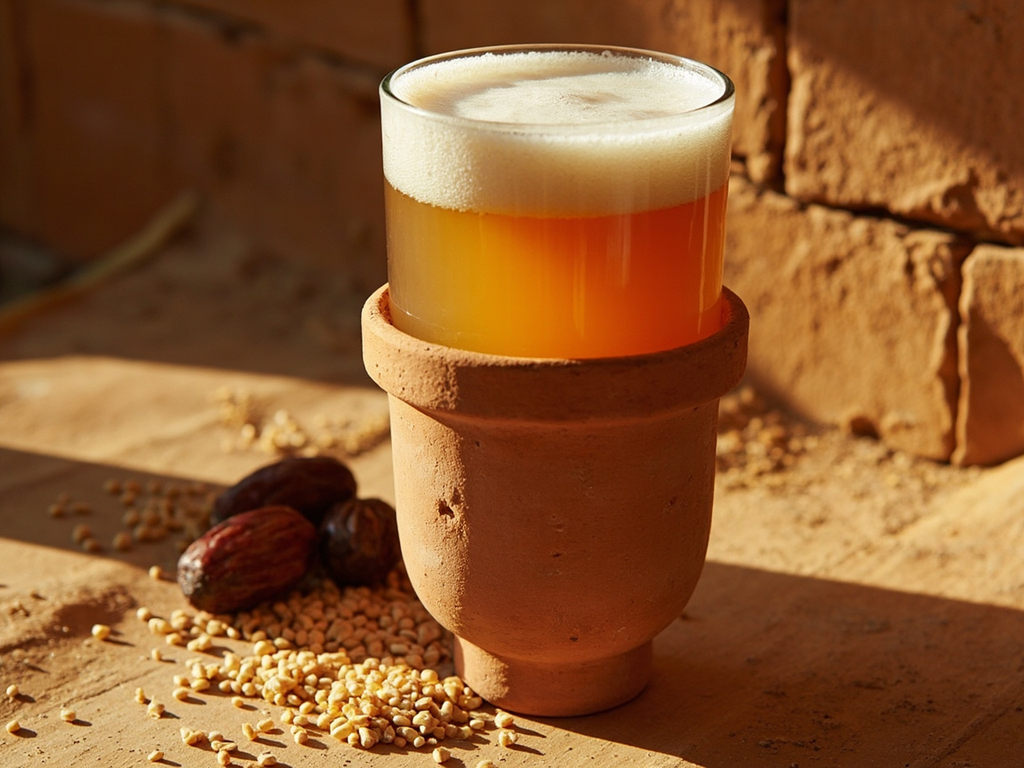
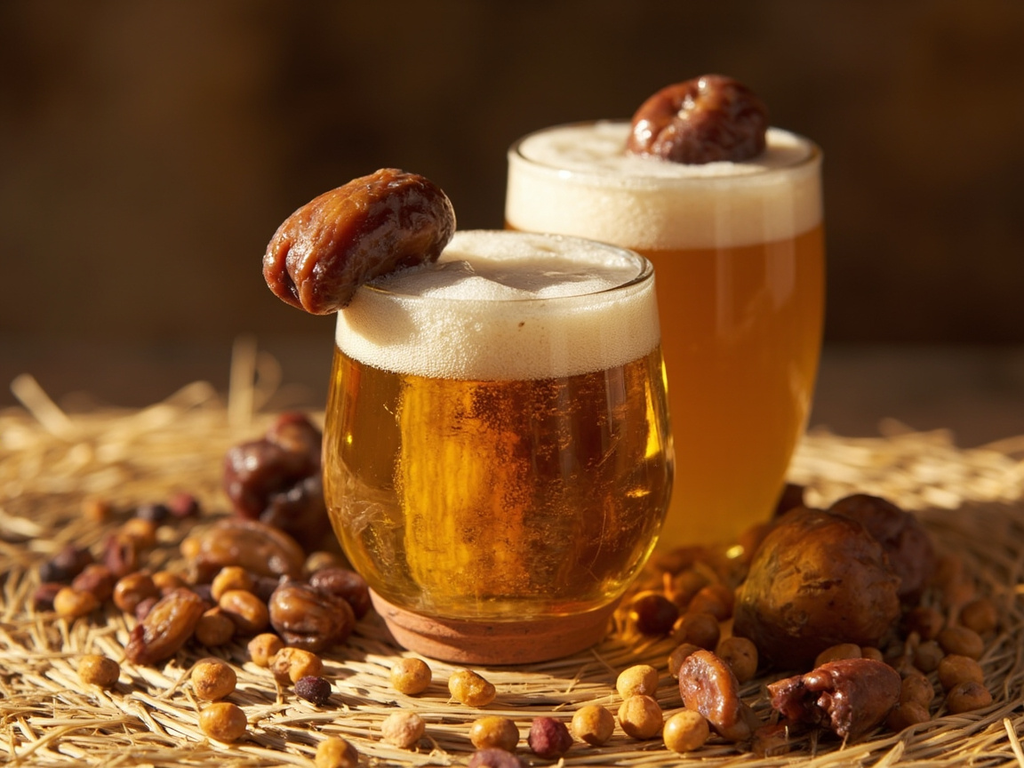
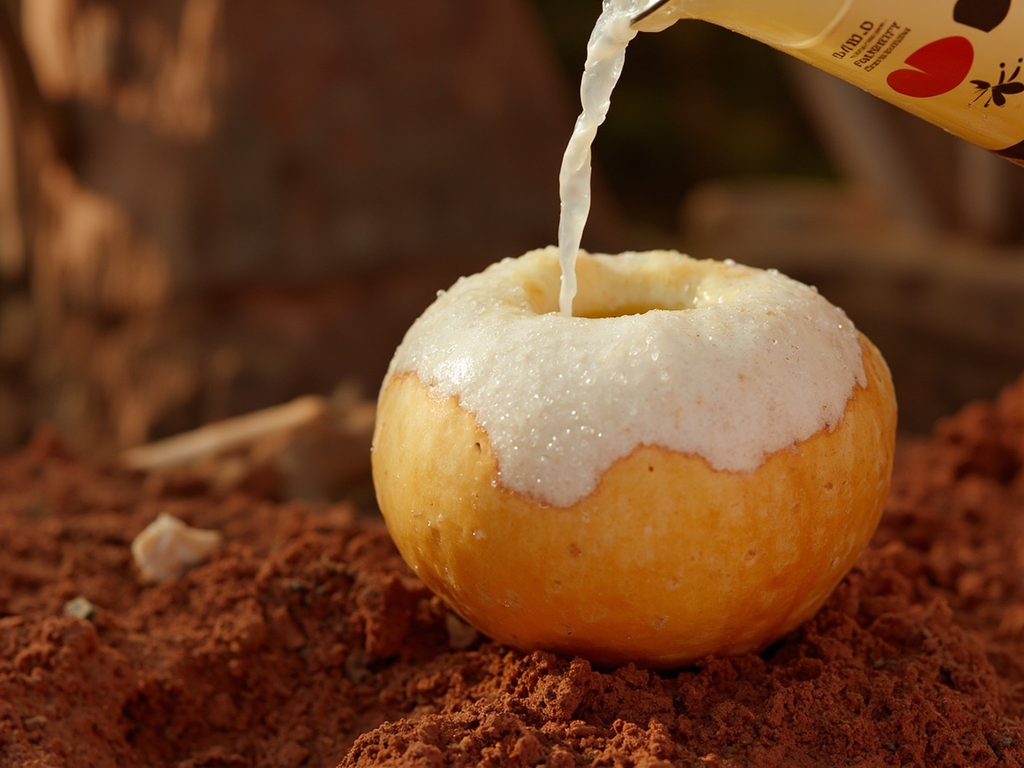
The milky sap of the palm tree, collected and left to ferment naturally: sweet and fizzy a few hours after harvest, then increasingly sour and heady as the day goes on.
Drink, but know what you drink! In the morning, ẹmu is sweet as a caress, barely tingling, almost like sweet milk that tickles the throat. But leave it in the sun until evening, and it turns sour, sharp, loosening tongues and making men speak the truth they hide — that is my work, indeed. The climber goes up the palm, cuts, ties his calabash, and the sap drips drop by drop all night. Pour me a splash first on the earth of the crossroads, then drink. He who drinks without offering stumbles on the way back.
- •Palm sap (oil palm or raffia) — one fresh calabash (drink, ferments on its own)
Ẹmu — fresh palm wine from the crossroads
The milky sap of the palm tree, collected and left to ferment naturally: sweet and fizzy a few hours after harvest, then increasingly sour and heady as the day goes on.
Why this dish? Palm wine (ọtí) is among the libations poured to Eshu, and it is the welcoming drink shared where paths cross. Sweet in the morning, sour by evening: a trickster drink that changes face with the hour — like the god himself.
Drink, but know what you drink! In the morning, ẹmu is sweet as a caress, barely tingling, almost like sweet milk that tickles the throat. But leave it in the sun until evening, and it turns sour, sharp, loosening tongues and making men speak the truth they hide — that is my work, indeed. The climber goes up the palm, cuts, ties his calabash, and the sap drips drop by drop all night. Pour me a splash first on the earth of the crossroads, then drink. He who drinks without offering stumbles on the way back.
Ingredients (period version)
- Palm sap (oil palm or raffia) — one fresh calabash (drink, ferments on its own)
Ingredients
- Fresh palm wine (African grocery) or, failing that, an evocation — 1 bottle (fermented drink)
- Calabash or earthenware cup — 1 (traditional service)
Method
- Palm wine is not made in a kitchen: the sap is collected from the palm tree and ferments on its own thanks to airborne yeasts.
- Today, obtain fresh or bottled palm wine from a West African or Caribbean grocery.
- Serve chilled in a calabash; taste, then compare the same wine drunk early (sweet) and later (sour) to understand fermentation.
- Pedagogical libation gesture: symbolically pour a few drops on the ground before drinking.
How it was made : Palm wine tapping is an ancient West African technique: the harvester (ọlọ́pa-emu) climbs the trunk, cuts the inflorescence and collects the sap in a calabash. Fermentation is spontaneous and continuous, so the alcohol content and acidity rise hour by hour — hence the custom of drinking it young. It is the alcoholic libation par excellence, much older than the rum born from plantation sugar.
The contemporary twist : For a school audience, replace with a non-alcoholic 'fake ẹmu': palm kernel juice or very diluted agave sap, lightly sparkling, served in a calabash for the sensory experience.
Sources : Jessica B. Harris, The Africa Cookbook (1998) · William Bascom, The Yoruba of Southwestern Nigeria (1969)
Eshu · Charactorium