 flip
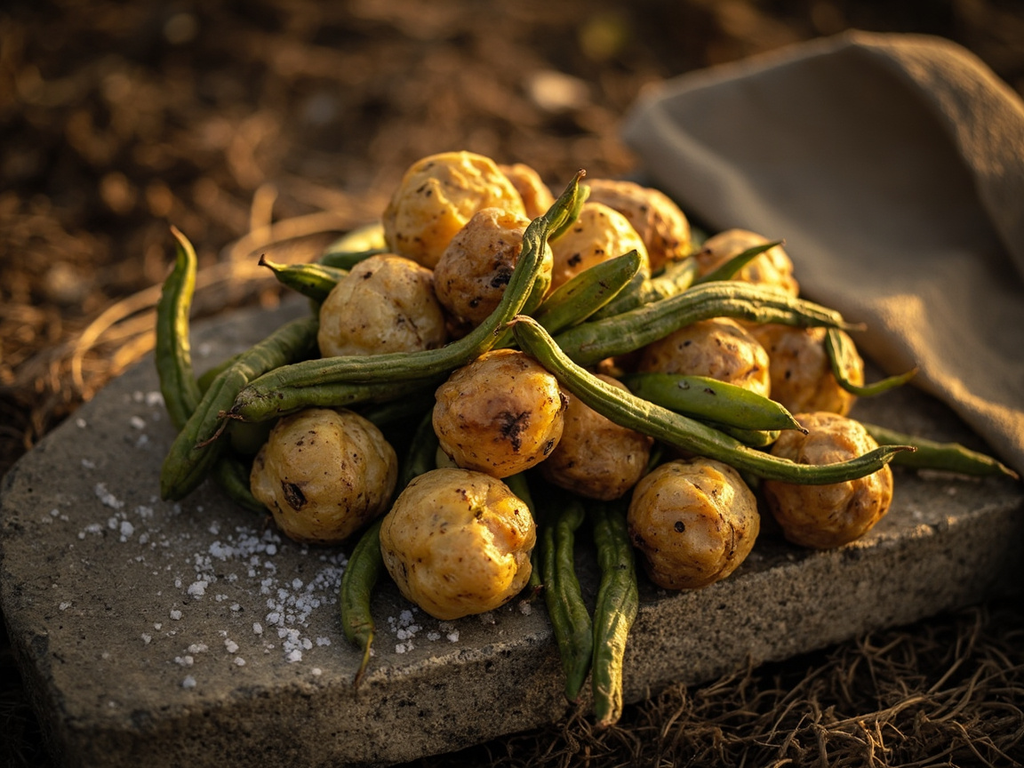
flipInspired watia — tubers baked in an earth oven
Inspired watia — tubers baked in an earth oven
Why this dish? At the end of the harvest, a small oven of earth clods was built in the field, heated with fire, then tubers were buried inside: a shared meal where thanks were given to the earth for what it had given. For a woman of Toroca whose life followed the rhythm of the agricultural seasons, this ritual cooking was a familiar gesture.
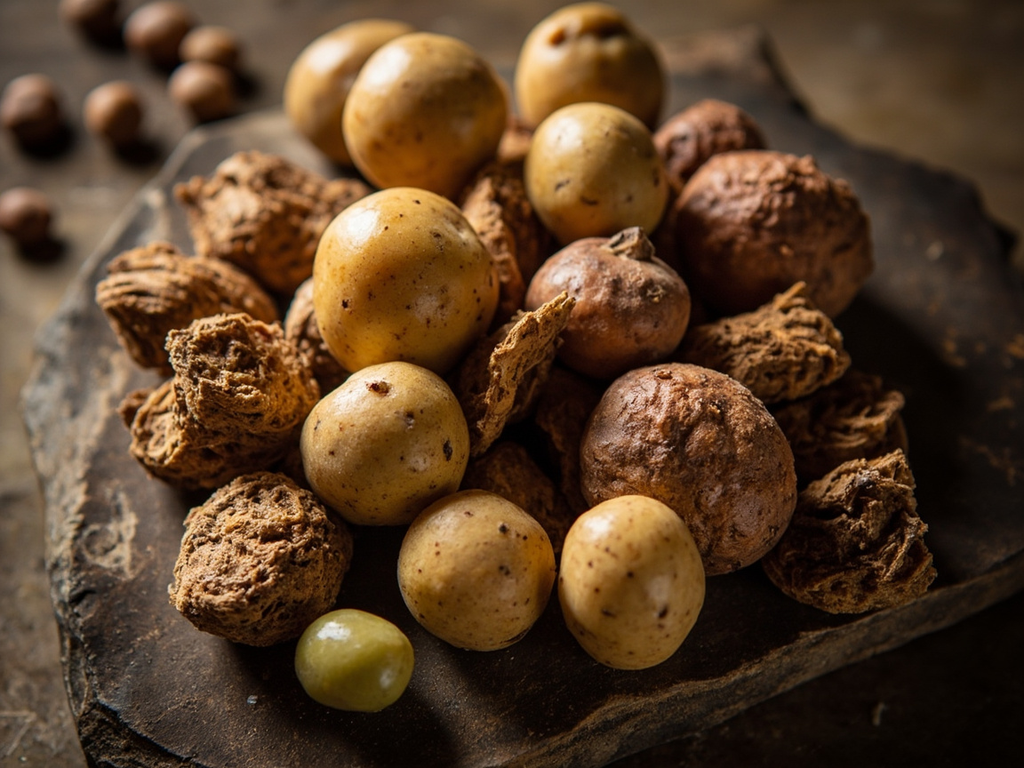
A temporary oven of earth clods, heated then collapsed over potatoes and fava beans, which cook in the heat and fragrance of the earth itself. The first tuber removed symbolically goes back to the earth, in thanks — a gesture evoked here with respect, outside any sacred rite.
When the field is harvested, the men build the little oven of clods, and we wait for it to glow like embers. We throw in the papas, we crush the earthen vault on top, and the earth cooks what it made grow — what could be fairer? The first tuber, the most beautiful, I give back to the soil and whisper my thanks, to Pachamama as to the priest's God: in our home, both eat at the same table. The rest, we share burning hot, blowing on our fingers.
- •Fresh potatoes (Andean varieties) — what the field gave (base)
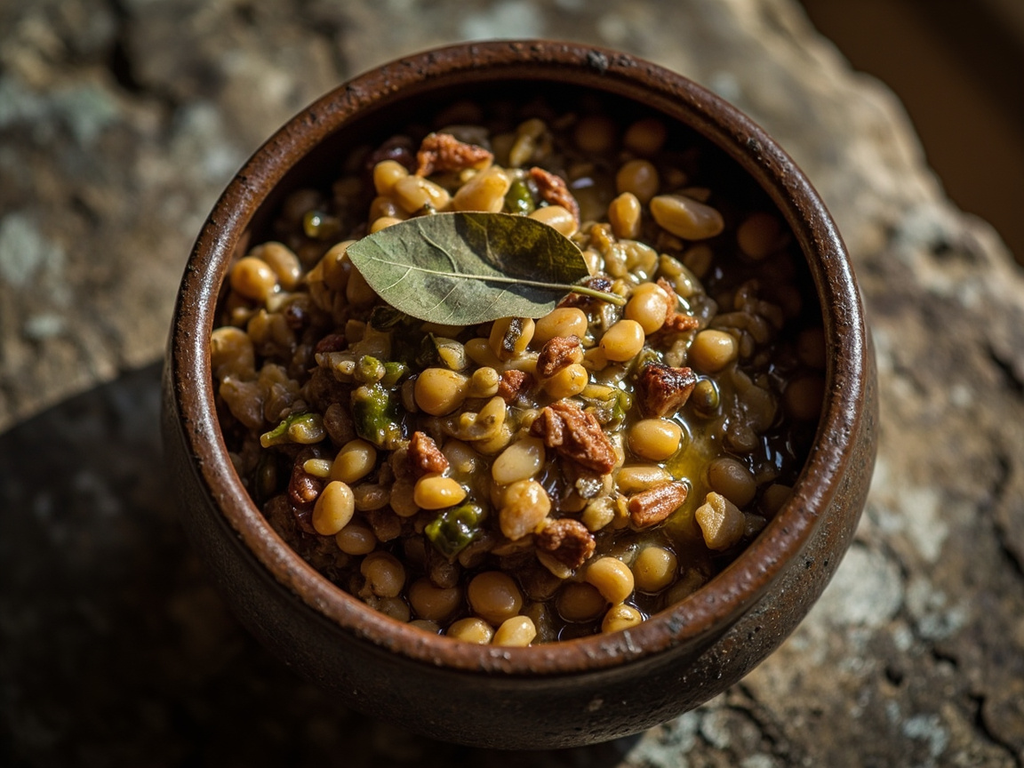
- •Fresh fava beans in pods — an armful (accompaniment)
- •Dry earth clods and wood — to build and heat the oven (cooking method)
- •Mine salt — a pinch (seasoning)
Inspired watia — tubers baked in an earth oven
A temporary oven of earth clods, heated then collapsed over potatoes and fava beans, which cook in the heat and fragrance of the earth itself. The first tuber removed symbolically goes back to the earth, in thanks — a gesture evoked here with respect, outside any sacred rite.
Why this dish? At the end of the harvest, a small oven of earth clods was built in the field, heated with fire, then tubers were buried inside: a shared meal where thanks were given to the earth for what it had given. For a woman of Toroca whose life followed the rhythm of the agricultural seasons, this ritual cooking was a familiar gesture.
When the field is harvested, the men build the little oven of clods, and we wait for it to glow like embers. We throw in the papas, we crush the earthen vault on top, and the earth cooks what it made grow — what could be fairer? The first tuber, the most beautiful, I give back to the soil and whisper my thanks, to Pachamama as to the priest's God: in our home, both eat at the same table. The rest, we share burning hot, blowing on our fingers.
Ingredients (period version)
- Fresh potatoes (Andean varieties) — what the field gave (base)
- Fresh fava beans in pods — an armful (accompaniment)
- Dry earth clods and wood — to build and heat the oven (cooking method)
- Mine salt — a pinch (seasoning)
Ingredients
- Small waxy potatoes — 800 g (base)
- Fresh fava beans in pods — 300 g (accompaniment)
- Salt and a drizzle of oil — to taste (seasoning)
- Food-grade clay or simply the home oven — depending on chosen method (cooking (if no earth oven))
Method
- Home version: preheat the oven to 220°C. Arrange unpeeled potatoes and fava beans in pods on a baking sheet, with a drizzle of oil and salt.
- Bake for 35–45 minutes, until the potato skins are wrinkled and tender inside.
- For the spirit of watia, wrap a few potatoes in leaves before baking to add fragrance.
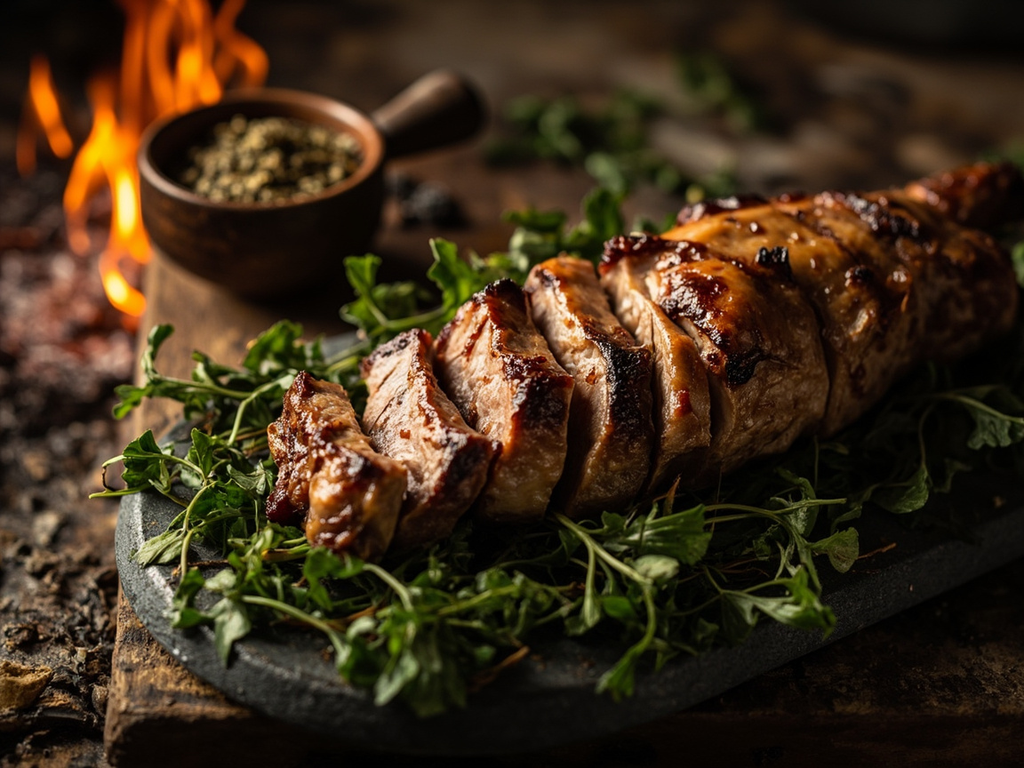
- Serve piping hot, peel with your fingers; eat the fava beans straight from their pods.
How it was made : Watia (or huatia) is an Andean field cooking method practiced at harvest time: an oven of earth clods heated until white-hot, then collapsed over the tubers. It was accompanied by gestures of gratitude to the nourishing earth, later integrated into the syncretic agricultural calendar of the colonial period.
The contemporary twist : Served with a green sauce of fresh herbs (like a mild llajwa, without chili for younger diners), watia becomes a convivial, zero-waste roasted tuber dish.
Eulalia Bermúdez · Charactorium