
Fabrizio Moncada was a Sicilian nobleman and politician from the powerful Moncada family, of Catalan origin, established in Sicily and playing a key role in the administration of the kingdom under Hispanic rule during the 15th and 16th centuries.
Fabrizio Moncada(1535 — 1579)
Fabrizio Moncada
8 min read
Frequently asked questions
Key Facts
- Member of the Moncada family, one of the most influential noble dynasties in Sicily
- The Moncada family, of Catalan origin, settled in Sicily in the 14th–15th century and acquired vast feudal estates there
- The Kingdom of Sicily came under Aragonese and then Spanish rule from 1282 onwards (the Sicilian Vespers)
- The Moncadas held positions as viceroys, captains general, and senior officers of the kingdom
- This family illustrates the intertwining of Hispanic and Italian noble elites during the Renaissance
Works & Achievements
As representative of the Moncada lineage, Fabrizio managed a vast network of feudal territories — dispensing seigneurial justice, collecting dues, and organizing local defense — serving as an intermediary between the Sicilian population and Spanish power.
As a member of the baronial arm of the Sicilian Parliament, Fabrizio Moncada took part in deliberations where the high nobility negotiated fiscal contributions (*donativi*) with the Crown and defended the traditional privileges of the island's aristocracy.
In keeping with his feudal obligations, Fabrizio provided men and resources for Philip II's campaigns in the Mediterranean, particularly in operations against Ottoman and Barbary corsairs who threatened the Sicilian coastline.
Anecdotes
Fabrizio Moncada came from one of Sicily's most powerful families, of Catalan origin, which had accompanied the kings of Aragon during the conquest of the island in the thirteenth century. As heir to this long tradition of service to the crown, he embodied throughout his life the alliance between the Sicilian nobility and the Hispanic monarchy, learning to navigate between the demands of Madrid and the interests of the local aristocracy.
During the great Ottoman siege of Malta in 1565, Sicily played a crucial role as a rear base for the Knights of Saint John and the Spanish relief forces. The Moncada family contributed to the defense effort by providing resources and men, demonstrating the commitment of the high Sicilian nobility to the struggle for control of the Mediterranean.
Fabrizio Moncada witnessed the exceptional festivities organized in Palermo to celebrate the Christian victory at Lepanto in October 1571. This naval battle, in which the Ottoman fleet was crushed by the Holy League, was felt as a deliverance in Sicily — an island on the front line for decades against Barbary raids and Ottoman pressure.
Like all great Sicilian feudal lords of his time, Fabrizio Moncada had to travel regularly to Naples or Madrid to plead his family's interests before the Council of Italy and King Philip II. These journeys, lengthy and costly, were nonetheless indispensable: without royal favor, even the most powerful families could find their titles and privileges called into question.
Primary Sources
The records of the Parliament of the Kingdom of Sicily document the presence and deliberations of the great barons during ordinary and extraordinary sessions. The Moncada family appears regularly among the members of the baronial arm, voting on *donativi* and defending the privileges of the nobility.
The Spanish royal archives at Simancas preserve the correspondence between the Crown and its viceroys in Sicily, mentioning the great noble families and their military and political services on behalf of the Catholic king.
This foundational work of Sicilian history, published in 1558 by the Dominican friar Tommaso Fazello, documents the history of Sicily's great feudal families, including the Moncada, and their role in the political and military administration of the island under Spanish rule.
The registers of the Royal Court of the Kingdom of Sicily document feudal investitures, transfers of titles, and the military obligations of the great noble families toward the Spanish Crown, establishing the rights and duties of each lineage.
Key Places
Capital of the Kingdom of Sicily and seat of the Spanish viceroy, Palermo was the center of political power where the Moncada participated in Parliament and viceregal audiences. The Palazzo dei Normanni housed the viceroy and hosted the great noble ceremonies.
Historic territory of the powerful Moncada family, who had held the county there since the 15th century. This town in the Sicilian interior was one of the heartlands of Moncada feudal power, with its castle dominating the surrounding region.
A town in eastern Sicily linked to the Moncada, who held important fiefs there. The Norman castle of Paternò, overlooking the plain of Catania at the foot of Etna, served as a seigneurial residence and a symbol of the family's power.
Sicily's principal military port and the assembly point for the Holy League fleet before the Battle of Lepanto in 1571. It was from this strategic harbor that the allied ships set sail to inflict the greatest naval defeat the Ottomans had ever suffered.
Typical Objects

The great Sicilian lords wore elaborate armor, often crafted in Milan — the European capital of armory — as symbols of their military rank. These pieces were both functional and highly decorative, adorned with engravings and gilding that attested to their owner's prestige.

The family seal bearing the Moncada arms was used to authenticate feudal deeds, official documents, and political correspondence. It symbolized the legal authority and noble legitimacy of its holder in the eyes of both his vassals and the Crown.

A symbol of knightly status and loyalty to the King of Spain, the ceremonial sword was worn at parliamentary assemblies, viceregal audiences, and official occasions. Its gilded guard and engraved blade displayed the rank of its bearer.

Royal charters granting counties, baronies, and other fiefs were the most precious documents a lord could possess. These sealed parchments provided the legal foundation for Fabrizio's authority over his Sicilian lands and people.

Catholic piety being central to aristocratic life during the Counter-Reformation, the richly illustrated book of hours accompanied the nobleman in his daily prayers and bore witness to his devotion and refined education.

The great Sicilian families sometimes fitted out their own galleys to defend their coastlines or serve the Crown during Mediterranean expeditions. These oar-powered vessels were the essential naval force of the sixteenth century and represented a considerable investment.
School Curriculum
Vocabulary & Tags
Key Vocabulary
Daily Life
Morning
Fabrizio Moncada began his day with a private Mass celebrated in his palace chapel by his personal chaplain. He would then receive reports from his stewards and estate managers on the state of his lands, settling the most pressing administrative matters and seigneurial disputes.
Afternoon
Afternoons were devoted to seigneurial audiences, where peasants, merchants, and clergy came to submit petitions and disputes, as well as to meetings with other nobles or representatives of the viceroy to deliberate on the affairs of the kingdom. Fabrizio might also indulge in falconry, the quintessential aristocratic privilege.
Evening
In the evenings, the high Sicilian nobility gathered for banquets where music, poetry, and learned conversation were the order of the day. Fabrizio Moncada sometimes received ambassadors, humanists, or churchmen in his private apartments, fully participating in the Hispano-Italian court culture of the sixteenth century.
Food
The table of a great Sicilian lord was lavish and reflected Mediterranean and Spanish influences: Mediterranean fish (tuna, swordfish), roasted meats, local vegetables, citrus fruits, and Sicilian wines. Oriental spices, almond-based confections (almond paste, *marzapane*), and sorbets made with snow from Mount Etna were prestigious delicacies reserved for the elite.
Clothing
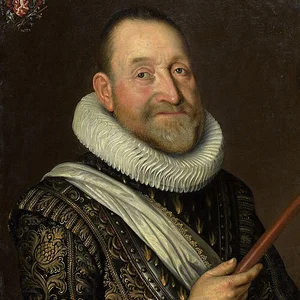
Fabrizio Moncada dressed according to sixteenth-century Hispano-Italian fashion: an embroidered slashed doublet, fitted hose, and a cloak of black velvet or silk in his house colors. Gold jewelry, chains, and gemstone buttons signaled his rank in the noble hierarchy, while the starched ruff marked his adherence to Spanish fashion.
Housing
The Moncada family owned several palaces in Sicily, notably in Palermo and Paternò, built or remodeled in the Renaissance style with colonnaded courtyards, state rooms adorned with Flemish tapestries, painted coffered ceilings, and Italian-style gardens. These residences bore witness to the family's refinement and power, rivaling the finest homes of the Neapolitan nobility.
Historical Timeline
Period Vocabulary
Liens externes & ressources
Références
Œuvres
Administration des domaines féodaux Moncada en Sicile
ca. 1555-1579
Service au Parlement du royaume de Sicile
ca. 1556-1579