 flip
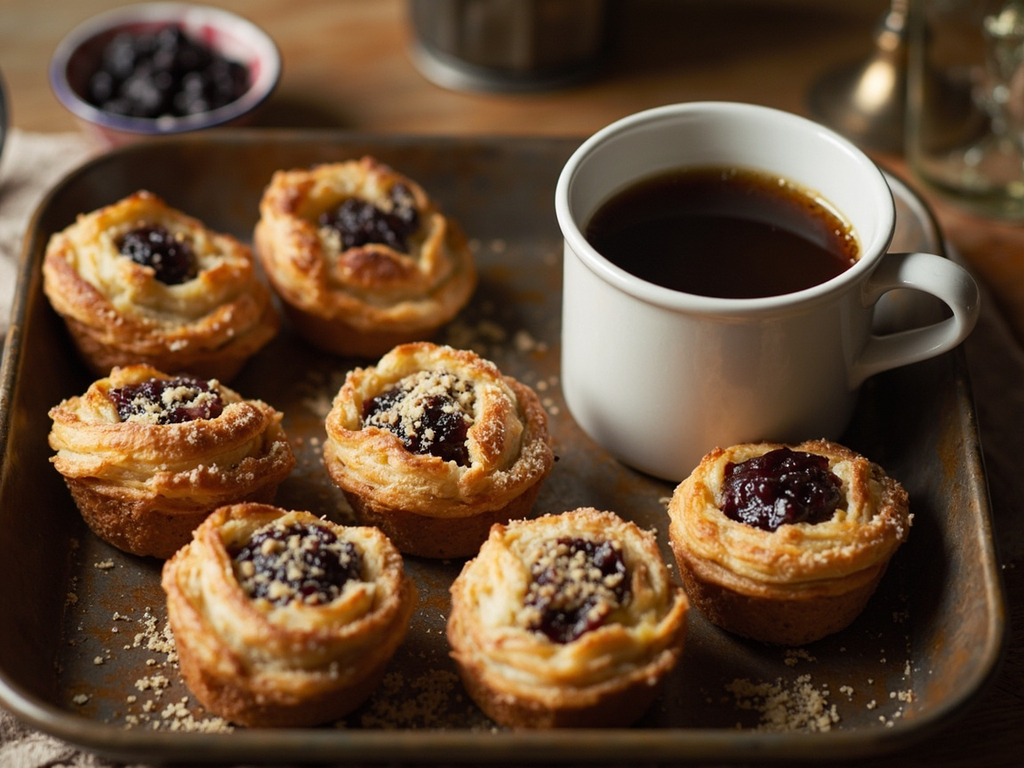
flipMaritozzi with Raisins and Pine Nuts, Souvenir of Rome
Maritozzi with Raisins and Pine Nuts, Souvenir of Rome
Why this dish? The stay in Rome in 1839-1840 was one of the happiest in Fanny's life: freed from Berlin conventions, she painted, composed, and mingled with young French artists at the Villa Medici. Her Roman travel diary records those Italian mornings when she bought these small sweet buns sold on the streets.
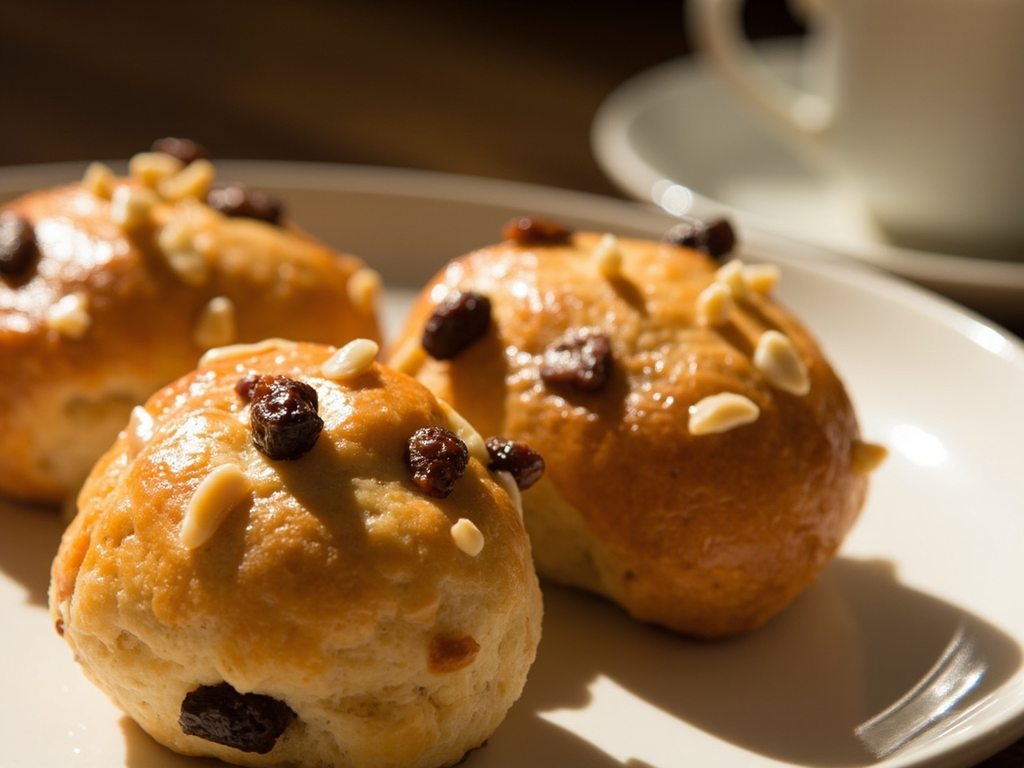
Small oval Roman brioches, soft, scented with orange zest and studded with raisins and pine nuts — the morning treat eaten on the go.
Ah, Rome! Here I breathe at last. In the morning, before climbing the Pincio with my sketchbook under my arm, I stop to buy one of those little golden buns sold at street corners, still warm, sprinkled with raisins and pine nuts. You break them with your fingers, eat them walking under the blue sky — what freedom, my friend, these Italian mornings far from the salons of Berlin!
- •Wheat flour — a pound (base)
- •Brewer's yeast — a piece (leavening)
- •Honey or sugar — a few spoonfuls (sweetness)
- •Olive oil — a drizzle (softness)
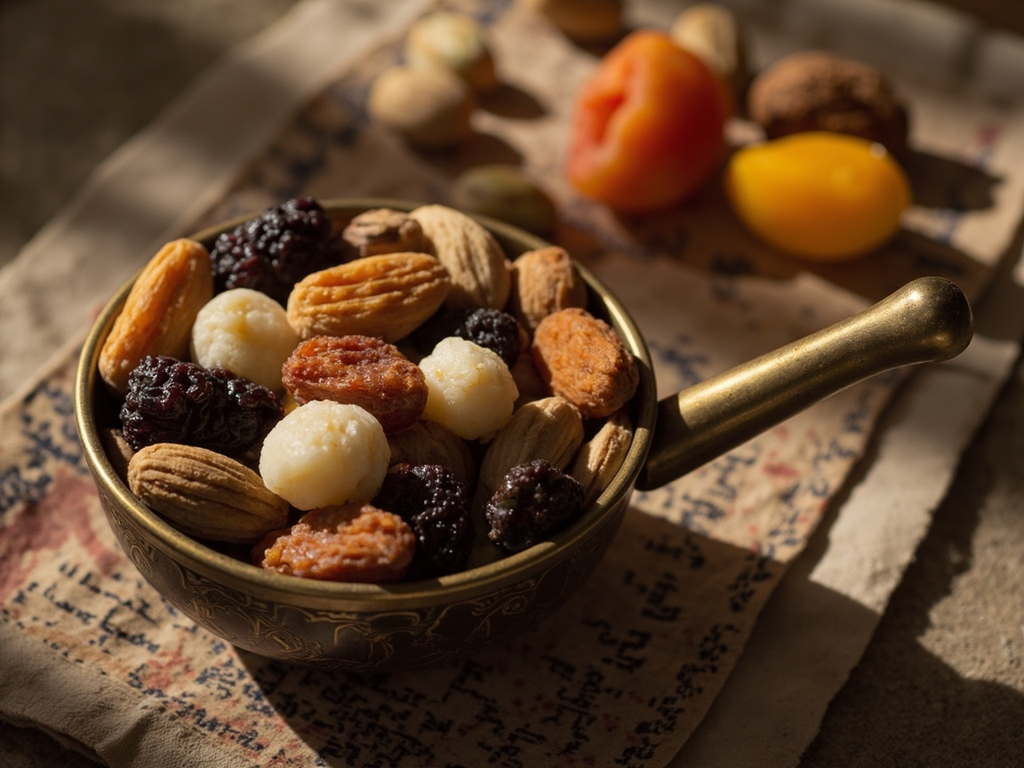
- •Raisins — a handful (garnish)
- •Pine nuts — a handful (garnish)
- •Orange zest — of one orange (flavor)
Maritozzi with Raisins and Pine Nuts, Souvenir of Rome
Small oval Roman brioches, soft, scented with orange zest and studded with raisins and pine nuts — the morning treat eaten on the go.
Why this dish? The stay in Rome in 1839-1840 was one of the happiest in Fanny's life: freed from Berlin conventions, she painted, composed, and mingled with young French artists at the Villa Medici. Her Roman travel diary records those Italian mornings when she bought these small sweet buns sold on the streets.
Ah, Rome! Here I breathe at last. In the morning, before climbing the Pincio with my sketchbook under my arm, I stop to buy one of those little golden buns sold at street corners, still warm, sprinkled with raisins and pine nuts. You break them with your fingers, eat them walking under the blue sky — what freedom, my friend, these Italian mornings far from the salons of Berlin!
Ingredients (period version)
- Wheat flour — a pound (base)
- Brewer's yeast — a piece (leavening)
- Honey or sugar — a few spoonfuls (sweetness)
- Olive oil — a drizzle (softness)
- Raisins — a handful (garnish)
- Pine nuts — a handful (garnish)
- Orange zest — of one orange (flavor)
Ingredients
- All-purpose flour T45 — 300 g (base)
- Fresh baker's yeast — 12 g (leavening)
- Sugar — 60 g (sweetness)
- Mild olive oil — 40 ml (softness)
- Warm milk — 120 ml (hydration)
- Egg — 1 (binder)
- Raisins — 50 g (garnish)
- Pine nuts — 30 g (garnish)
- Zest of one organic orange — 1 (flavor)
Method
- Dissolve the yeast in warm milk with a pinch of sugar; let foam for 10 min.
- Mix flour, sugar, orange zest, egg, olive oil, and the leaven; knead into a soft dough.
- Fold in raisins (previously soaked in warm water) and pine nuts. Let rise for 1 h 30.
- Shape into small oval shuttles, place on a baking sheet, and let rise another 45 min.
- Brush with milk and bake at 180°C for 15-18 min until golden.
- While warm, brush with a light syrup (water + sugar) for shine.
How it was made : The maritozzo is one of the oldest Roman sweets, inherited from sweet doughs eaten during Lent. The classic 19th-century version was studded with raisins, pine nuts, and sometimes candied fruit; the split filled with whipped cream is a much later 20th-century invention.
The contemporary twist : For a contemporary presentation, split them and fill with a cloud of vanilla whipped cream — the Roman version of today that Fanny never knew, but that will delight gourmands.
Sources : Fanny Hensel, Tagebücher / travel diary in Italy 1839-1840 (edition Hans-Günter Klein & Rudolf Elvers)
Fanny Mendelssohn · Charactorium