 flip
flipHoney and hazelnut cakes for the blót
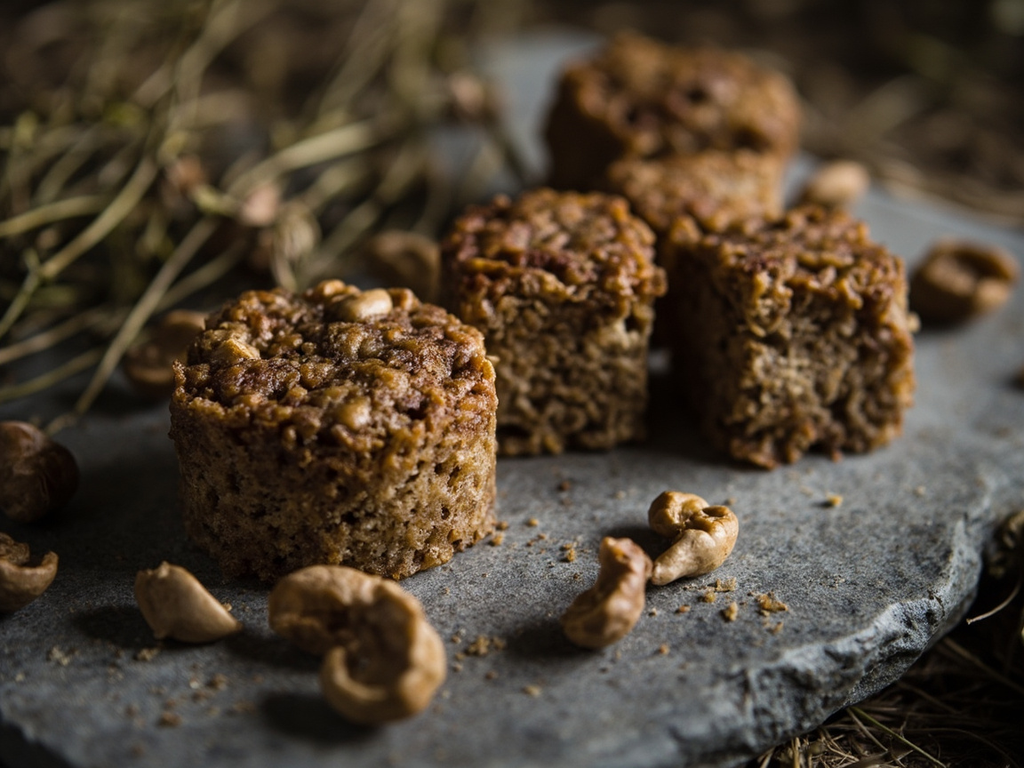
Honey and hazelnut cakes for the blót
Why this dish? The blót was the sacrifice offered to the gods to gain their favor—the best portions were dedicated. To Freyja, goddess of love, fertility, and abundance, the sweetest gifts are naturally associated: honey, grain, and forest fruits. These small cakes, shaped as a portion reserved for the goddess and set aside, evoke (without reproducing a sacred rite) the spirit of generosity in giving to the Vanir.
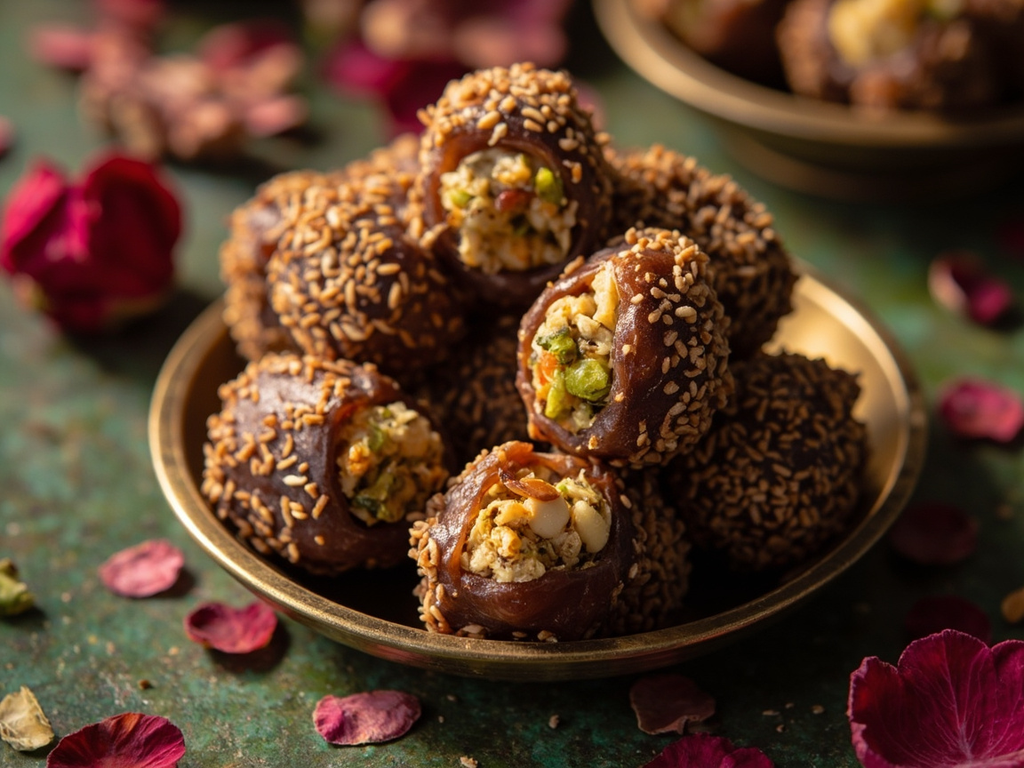
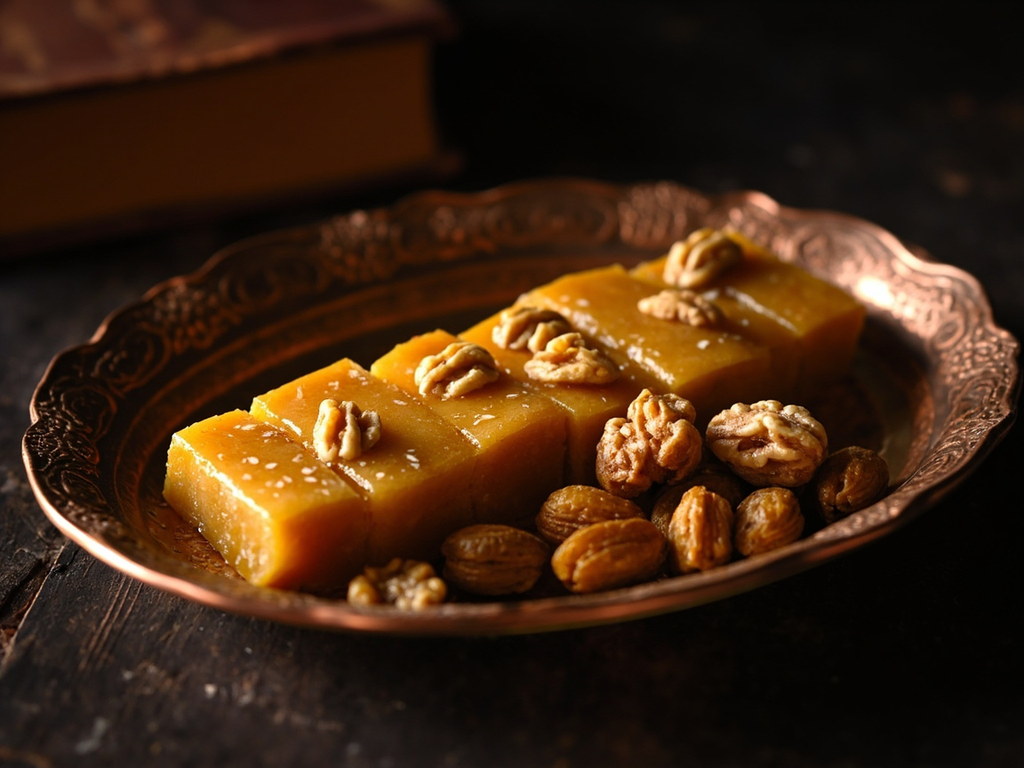
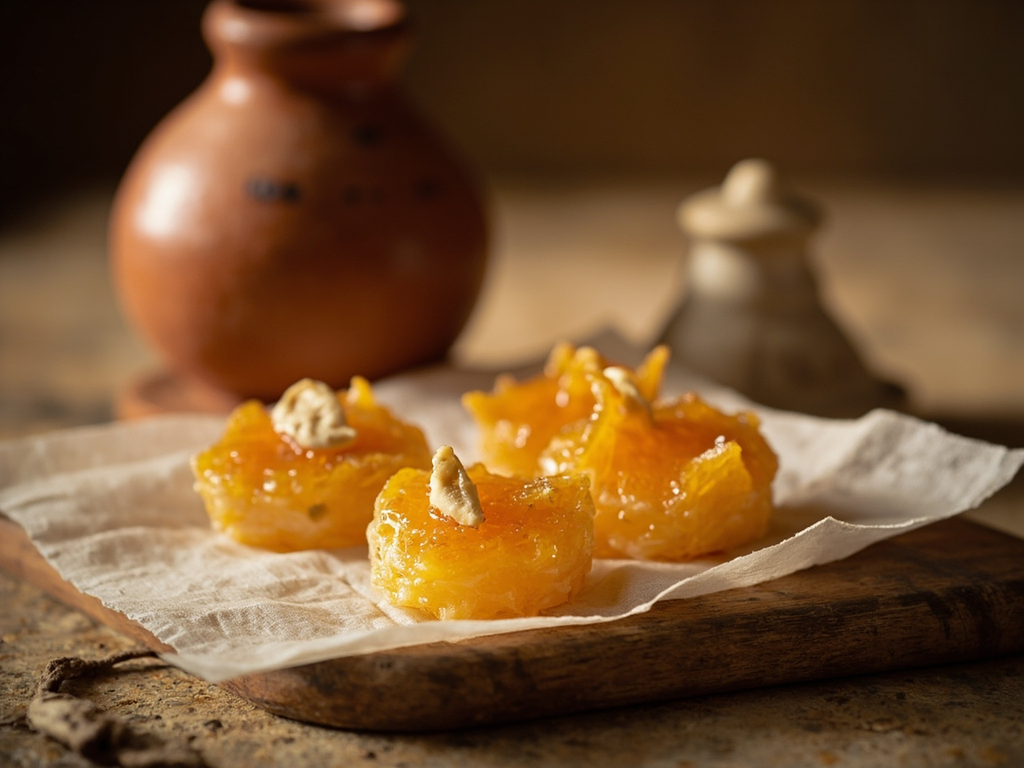
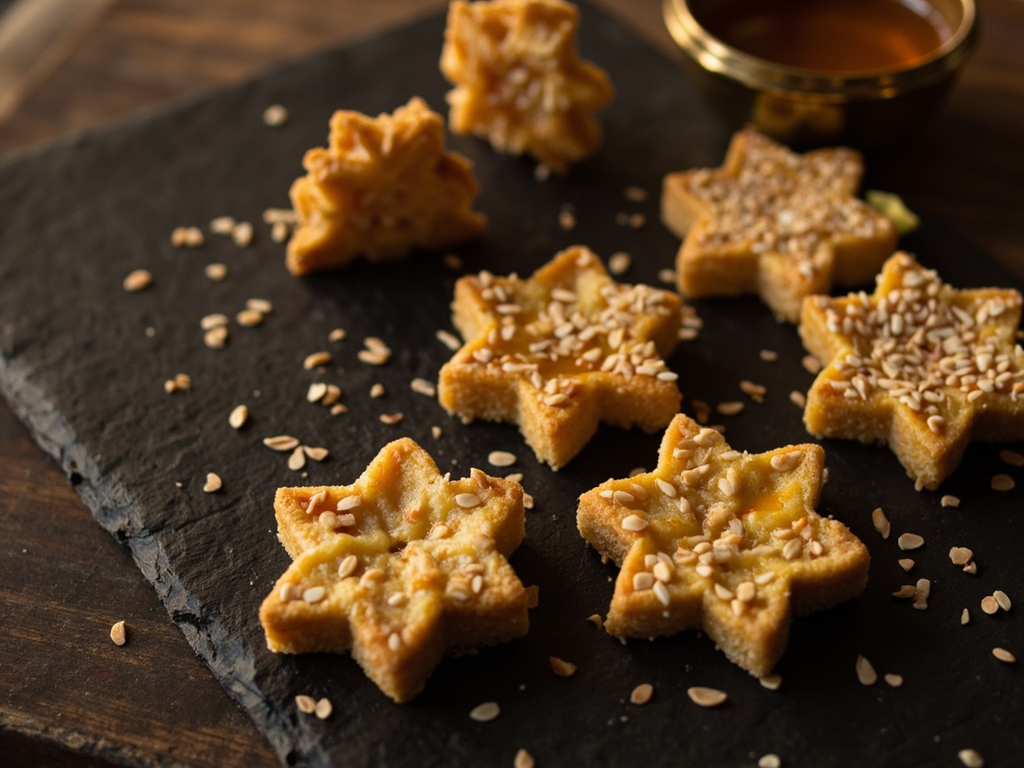
Small dense cakes of barley and rye, bound with honey, studded with crushed hazelnuts and scented with caraway. Sweet and nourishing, made to be offered—and shared.
Place these cakes on the stone, at the edge of the wood, where the wind carries prayers. They give me what is sweet, for I am the goddess who swells the grain and ripens love. Knead the barley flour with dark honey until the dough sticks to your fingers, throw in the hazelnuts from the thickets and a pinch of caraway for perfume. Give without regret, mortal: what is offered to the Vanir always returns, multiplied, to the table of those who know how to be generous.
- •Barley and rye flour — two handfuls (base)
- •Honey — generously (binder and sweetness)
- •Hazelnuts — a handful, crushed (crunch)
- •Caraway seeds — a pinch (perfume)
- •Butter — a little (softness)
Honey and hazelnut cakes for the blót
Small dense cakes of barley and rye, bound with honey, studded with crushed hazelnuts and scented with caraway. Sweet and nourishing, made to be offered—and shared.
Why this dish? The blót was the sacrifice offered to the gods to gain their favor—the best portions were dedicated. To Freyja, goddess of love, fertility, and abundance, the sweetest gifts are naturally associated: honey, grain, and forest fruits. These small cakes, shaped as a portion reserved for the goddess and set aside, evoke (without reproducing a sacred rite) the spirit of generosity in giving to the Vanir.
Place these cakes on the stone, at the edge of the wood, where the wind carries prayers. They give me what is sweet, for I am the goddess who swells the grain and ripens love. Knead the barley flour with dark honey until the dough sticks to your fingers, throw in the hazelnuts from the thickets and a pinch of caraway for perfume. Give without regret, mortal: what is offered to the Vanir always returns, multiplied, to the table of those who know how to be generous.
Ingredients (period version)
- Barley and rye flour — two handfuls (base)
- Honey — generously (binder and sweetness)
- Hazelnuts — a handful, crushed (crunch)
- Caraway seeds — a pinch (perfume)
- Butter — a little (softness)
Ingredients
- Rye flour — 100 g (base)
- Barley flour (or whole wheat) — 100 g (base)
- Honey — 100 g (binder, sweetness)
- Melted butter — 50 g (softness)
- Crushed hazelnuts — 60 g (crunch)
- Caraway seeds — 1 tsp (perfume)
- Egg — 1 (binder)
Method
- Mix the flours, crushed hazelnuts, and caraway in a bowl.
- Incorporate the honey, melted butter, and egg, then work until a soft, sticky dough forms.
- Shape small cakes about 6 cm across, slightly flattened, and place on a baking sheet.
- Bake at 180°C for 12 to 15 minutes, until golden and firm at the edges.
- Let cool: they become dense and keep for several days.
How it was made : We lack written Viking pastry recipes, but excavations have yielded flat barley and rye breads and cakes, sometimes enriched. Honey, hazelnuts, and aromatic seeds (caraway, dill) were the rare means to sweeten and flavor. The idea of a portion "set aside" for the gods during the blót is attested by sources, even if the exact composition of offerings remains reconstructed.
The contemporary twist : Glazed with a veil of warm honey upon leaving the oven and called "Folkvangr Cakes," they make a rustic and original snack.
Sources : Snorri Sturluson, Heimskringla & Edda — descriptions of the blót · Daniel Serra & Hanna Tunberg, An Early Meal – A Viking Age Cookbook (ChronoCopia, 2013)
Freya · Charactorium