 flip
flipDigestive Herbal Tea with Fennel and Caraway
Digestive Herbal Tea with Fennel and Caraway
Why this dish? Nietzsche avoided alcohol, coffee, and stimulating drinks, which he accused of clouding the mind and ruining his already tortured digestion. Carminative herb teas (fennel, caraway, anise) were the classic 19th-century domestic remedy for fragile stomachs—exactly his case.
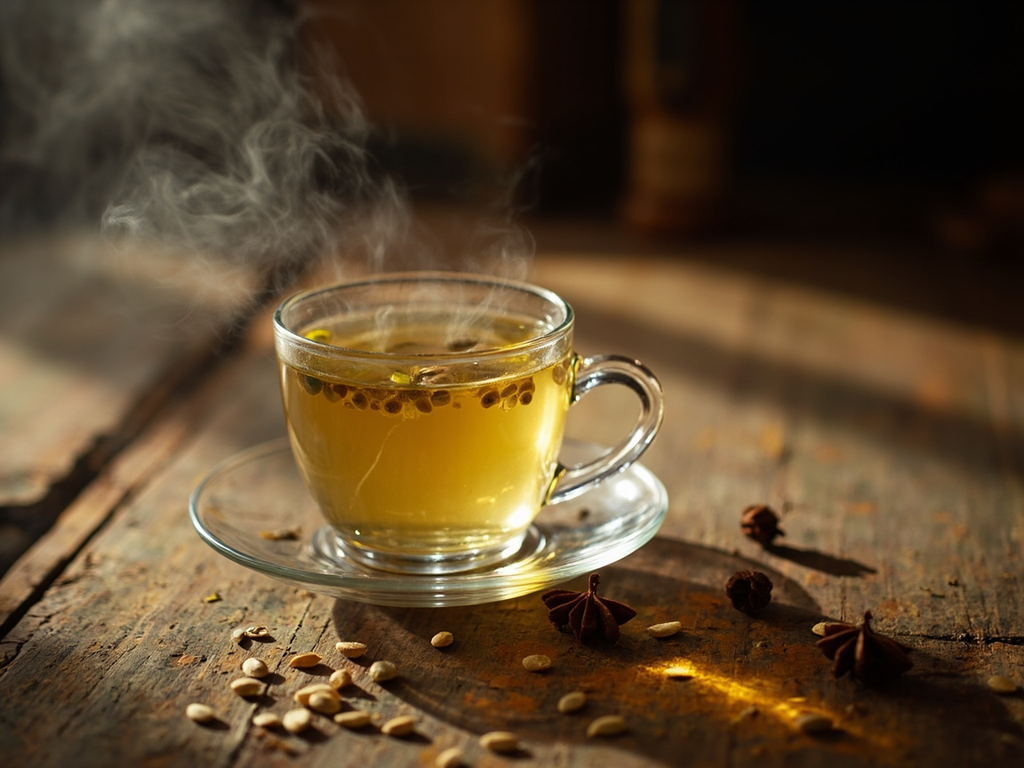
A clear, fragrant infusion of fennel, caraway, and anise seeds, slightly bitter then sweet, softened with a hint of honey. The evening drink for sensitive stomachs, soothing without exciting.
Alcohol? A poison for anyone who wants to think clearly; and coffee darkens my soul with black melancholy. I turned away from it as from a bad master. Instead, in the evening, this infusion of bitter seeds barely sweetened with a little honey—fennel, caraway, anise. It does not intoxicate, it does not whip: it soothes. And a soothed spirit, you see, is already halfway on the path to great health.
- •Fennel seeds — a pinch (mild carminative)
- •Caraway seeds — a pinch (signature digestive)
- •Anise seeds — a few (sweet fragrance)
- •Honey — just a little (sweetener)
- •Spring water — one large cup (base)
Digestive Herbal Tea with Fennel and Caraway
A clear, fragrant infusion of fennel, caraway, and anise seeds, slightly bitter then sweet, softened with a hint of honey. The evening drink for sensitive stomachs, soothing without exciting.
Why this dish? Nietzsche avoided alcohol, coffee, and stimulating drinks, which he accused of clouding the mind and ruining his already tortured digestion. Carminative herb teas (fennel, caraway, anise) were the classic 19th-century domestic remedy for fragile stomachs—exactly his case.
Alcohol? A poison for anyone who wants to think clearly; and coffee darkens my soul with black melancholy. I turned away from it as from a bad master. Instead, in the evening, this infusion of bitter seeds barely sweetened with a little honey—fennel, caraway, anise. It does not intoxicate, it does not whip: it soothes. And a soothed spirit, you see, is already halfway on the path to great health.
Ingredients (period version)
- Fennel seeds — a pinch (mild carminative)
- Caraway seeds — a pinch (signature digestive)
- Anise seeds — a few (sweet fragrance)
- Honey — just a little (sweetener)
- Spring water — one large cup (base)
Ingredients
- Fennel seeds — 1 tsp (carminative)
- Caraway seeds — 1/2 tsp (digestive)
- Green anise seeds — 1/2 tsp (flavor)
- Water — 250 ml (base)
- Honey — 1 tsp (optional) (sweetener)
- Lemon zest — a strip (optional) (freshness)
Method
- Lightly crush fennel, caraway, and anise seeds in a mortar to release their oils.
- Place them in a cup or teapot.
- Pour simmering (not boiling) water over them.
- Cover and steep for 8 to 10 minutes.
- Strain, sweeten with a little honey and, if desired, a strip of lemon zest; drink warm after meals.
How it was made : Carminative herbal teas were part of every 19th-century household's home pharmacy: seeds were crushed to better extract essential oils, then infused in hot water without boiling to avoid destroying them. Fennel and caraway were grown in gardens or bought from the apothecary.
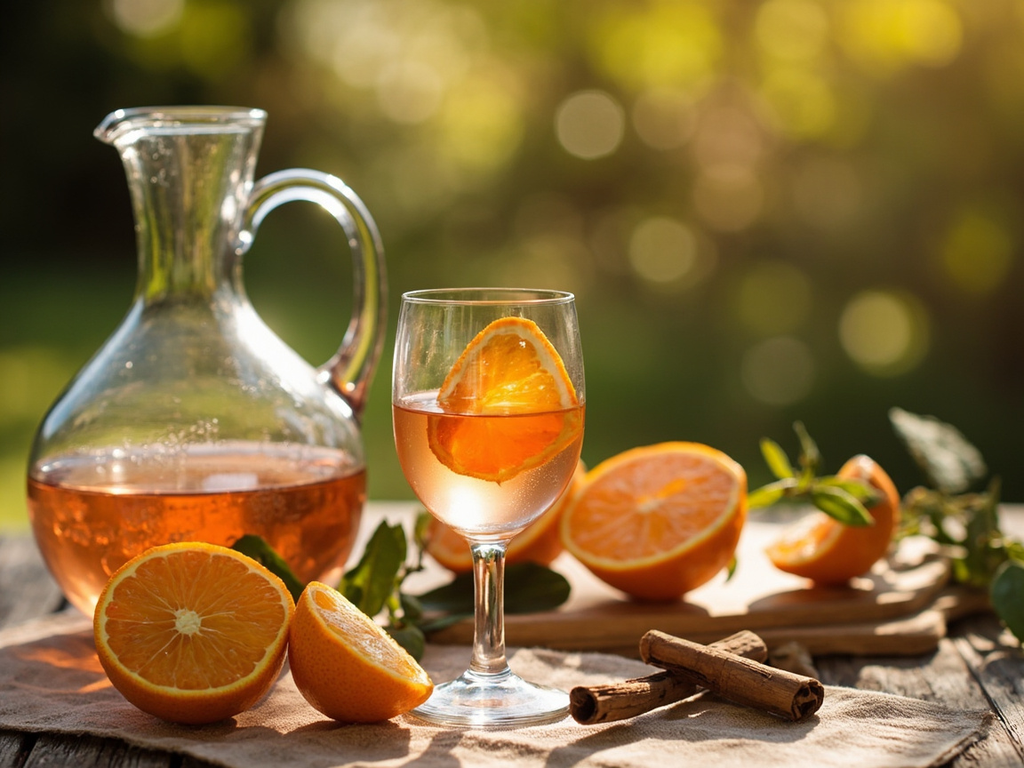
The contemporary twist : Serve lukewarm in a clear glass to reveal the pale-golden color of the infusion—the 'sober overman's drink', without a drop of alcohol.
Sources : Friedrich Nietzsche, Ecce Homo, 'Why I Am So Clever' (1888) — rejection of alcohol and stimulants · 19th-century German domestic pharmacopoeia (carminative teas: Fenchel, Kümmel, Anis)
Friedrich Nietzsche · Charactorium