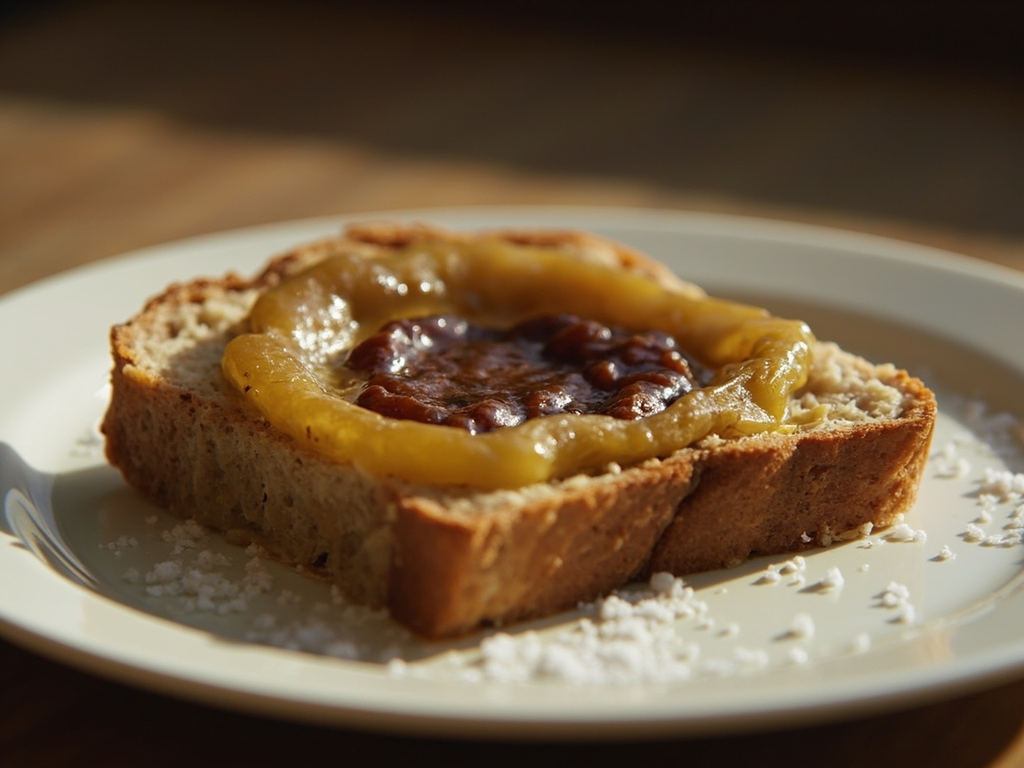
 flip
flipAkara — market bean fritters
Akara — market bean fritters
Why this dish? Akara, fried cowpea fritters, was the morning snack sold in the streets of Abeokuta by women traders — precisely those whom Funmilayo organized within the Abeokuta Women's Union. To fight the tax and colonial harassment was first to defend the livelihood of these akara and cloth sellers.
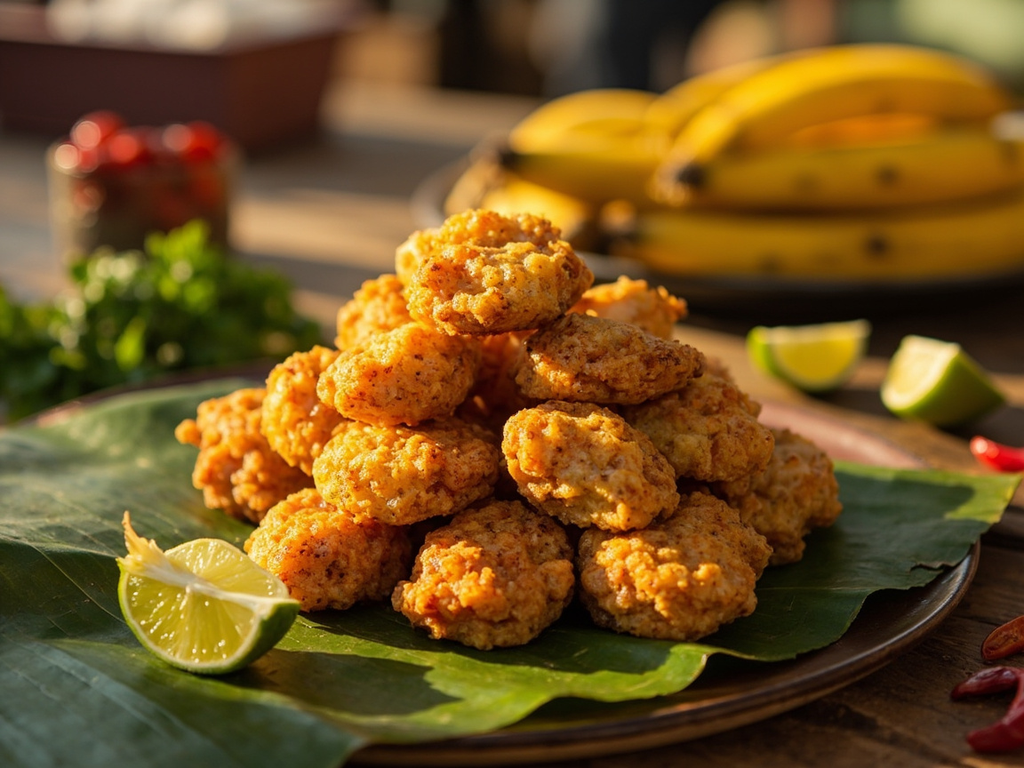
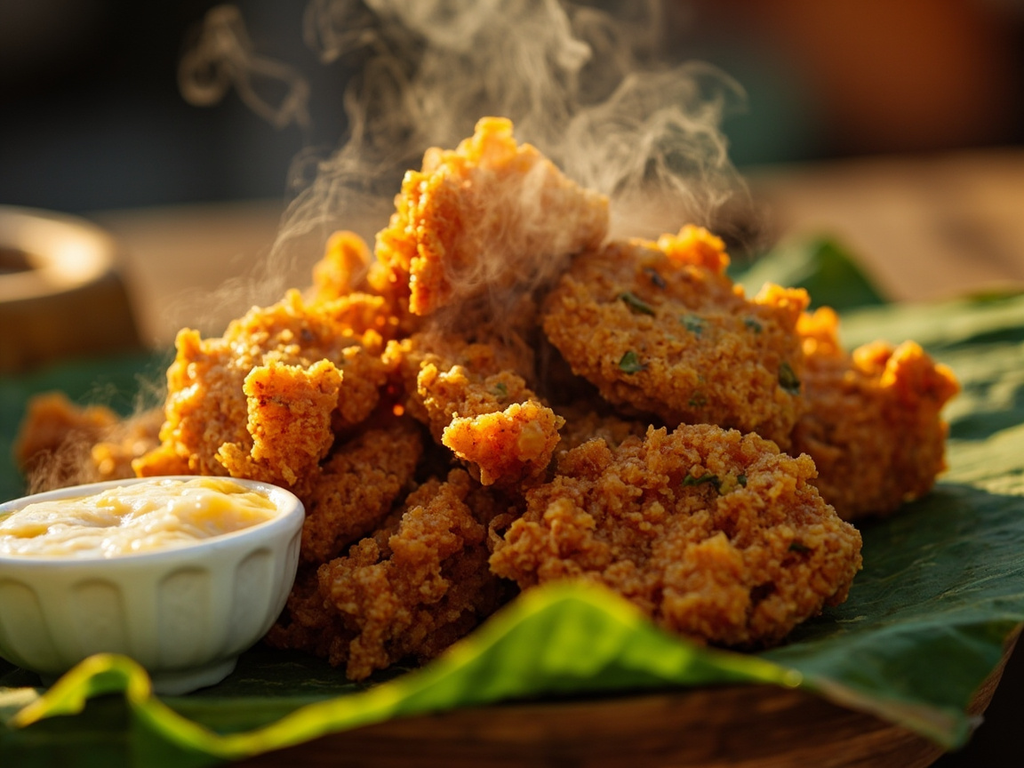
Golden, puffed balls of peeled and whipped cowpea batter, fried until crispy on the outside and soft within. Eaten piping hot at dawn with millet porridge or bread.
Do you even know who kept the markets of our city running? The women, from the first basket to the last. These fritters you see browning are thrown into the hot oil by our market sisters at cockcrow. You must whip the cowpea batter long, long, until it lightens and holds on the back of a spoon — otherwise the fritter will drink the oil instead of puffing. It was for the right of these women to live from their work, without being unjustly taxed, that I stood up.
- •Cowpea (black-eyed pea, African) — one measure, soaked (batter base)
- •Chili and onion — to taste (seasoning)
- •Dried shrimp (optional) — a pinch (umami)
- •Salt — to taste (salt)
- •Palm or peanut oil for frying — a bath (cooking)
Akara — market bean fritters
Golden, puffed balls of peeled and whipped cowpea batter, fried until crispy on the outside and soft within. Eaten piping hot at dawn with millet porridge or bread.
Why this dish? Akara, fried cowpea fritters, was the morning snack sold in the streets of Abeokuta by women traders — precisely those whom Funmilayo organized within the Abeokuta Women's Union. To fight the tax and colonial harassment was first to defend the livelihood of these akara and cloth sellers.
Do you even know who kept the markets of our city running? The women, from the first basket to the last. These fritters you see browning are thrown into the hot oil by our market sisters at cockcrow. You must whip the cowpea batter long, long, until it lightens and holds on the back of a spoon — otherwise the fritter will drink the oil instead of puffing. It was for the right of these women to live from their work, without being unjustly taxed, that I stood up.
Ingredients (period version)
- Cowpea (black-eyed pea, African) — one measure, soaked (batter base)
- Chili and onion — to taste (seasoning)
- Dried shrimp (optional) — a pinch (umami)
- Salt — to taste (salt)
- Palm or peanut oil for frying — a bath (cooking)
Ingredients
- Dried black-eyed peas (cowpeas) — 250 g (base)
- Onion — 1 small (aromatic)
- Fresh chili — 1/2 (to taste) (heat)
- Ground dried shrimp (optional) — 1 tbsp (umami)
- Salt — 1 tsp (salt)
- Neutral oil for frying — 1 liter (cooking)
Method
- Soak the cowpeas for 1-2 hours, then rub between your hands to remove the skins; rinse until the skins separate.
- Blend the peeled beans with onion and chili into a thick paste, adding very little water.
- Whisk the batter vigorously for several minutes to aerate it: it should puff up and a little batter should float in water.
- Add salt and dried shrimp.
- Heat oil to 170-180°C, drop spoonfuls of batter and fry until golden and puffed.
- Drain on paper; eat hot.
How it was made : Cowpea is an ancient African legume, predating New World beans. Peeled by hand and pounded in a mortar before the arrival of mills, it yielded a batter aerated by wrist power. Akara was sold on street corners, wrapped in a leaf, accompanied by *ogi* (fermented corn porridge) or bread.
The contemporary twist : Arrange the akara in a pyramid on a banana leaf, with a small bowl of creamy porridge for dipping — an unabashed 'street food breakfast'.
Funmilayo Ransome-Kuti · Charactorium