 flip
flipCotognata (quince paste)
Cotognata (quince paste)
Why this dish? Galileo spent his final years at Arcetri, near the convent where his daughter Maria Celeste, a nun, sent him sweets and remedies. Cotognata, a quince preserve that Tuscan convents prepared in autumn, evokes these sweet gifts from a daughter to her father.
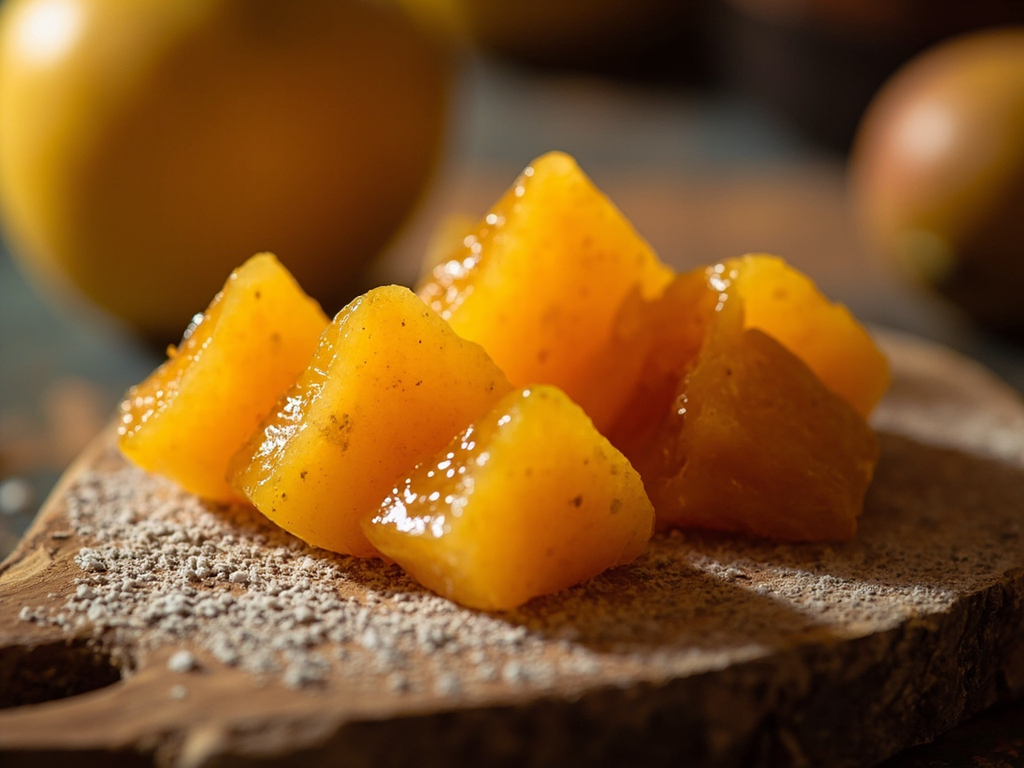
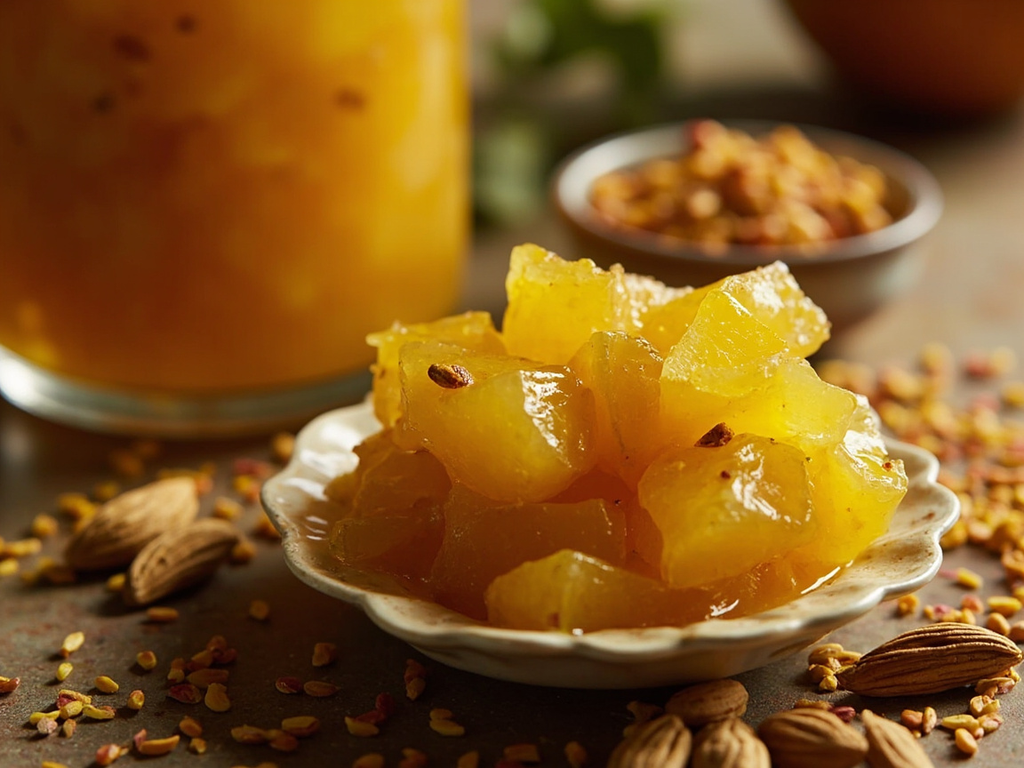
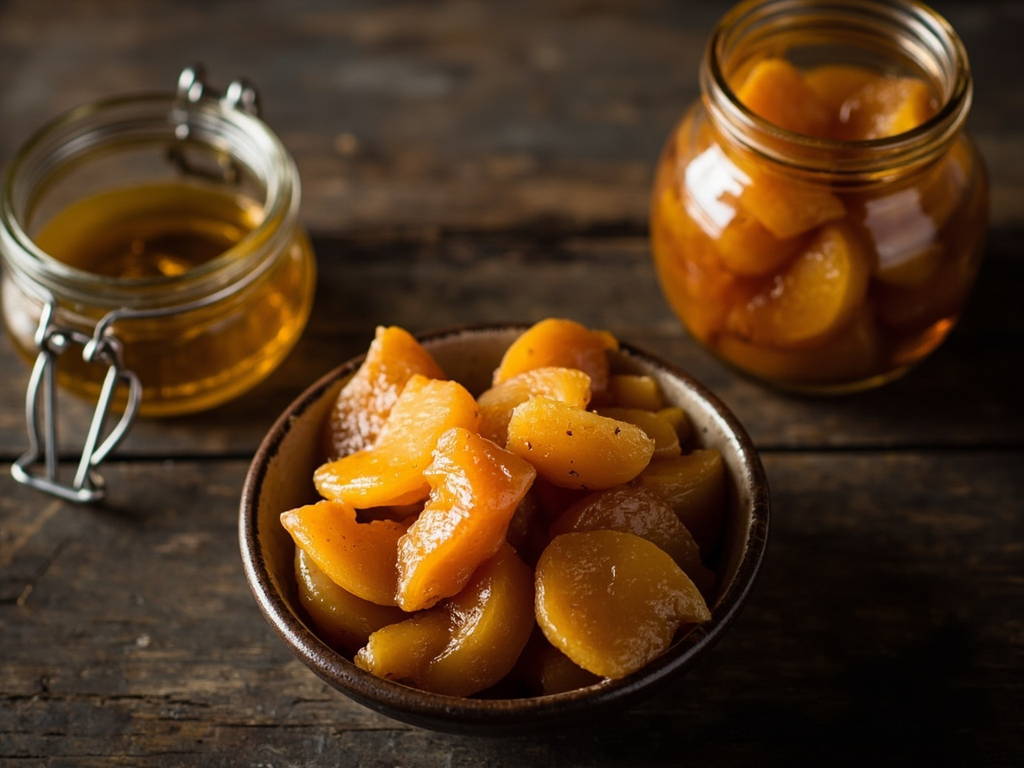
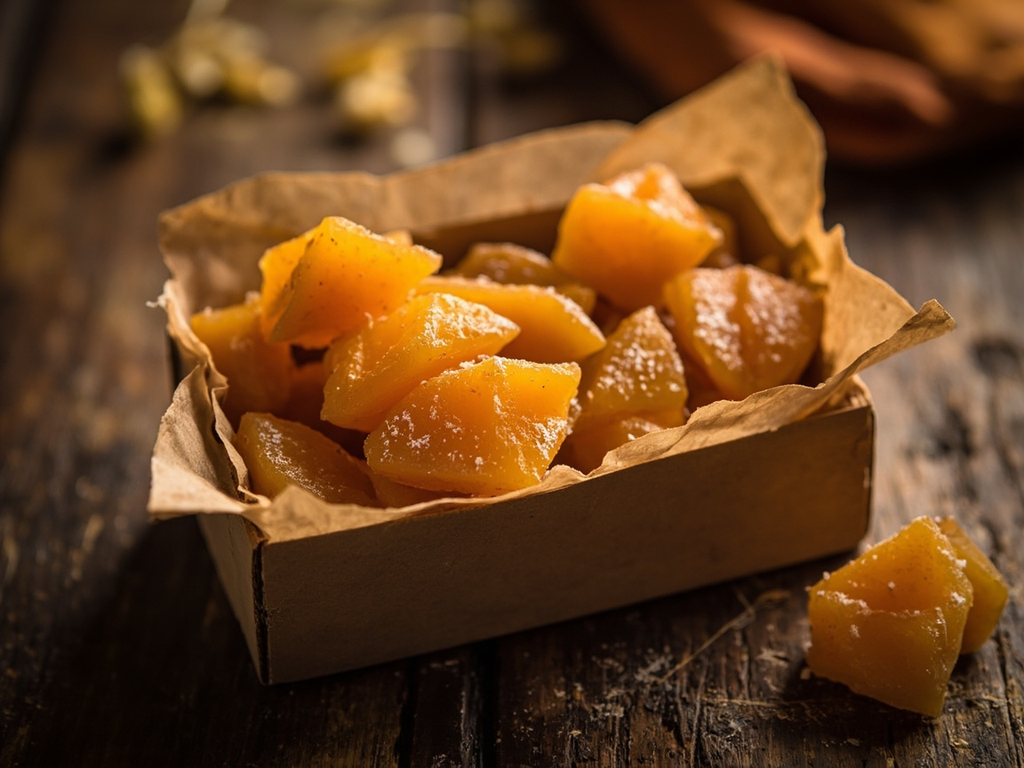
A dense, fragrant fruit paste made by cooking quinces long with sugar (or honey) until translucent, then dried and cut into diamonds. Tart, perfumed, it keeps all winter.
My dear daughter Maria Celeste, from the convent of San Matteo adjoining my house at Arcetri, would send me these quince pastes she cooked with her sisters — a gift sweeter than any letter. The fruit, hard and harsh when raw, becomes tender and amber through long cooking: a marvel of transformation I observed with the same curiosity as the phases of Venus. Cut a diamond, let it melt slowly, and think that it will last all winter without spoiling.
- •Ripe quinces — several, well-scented (base fruit)
- •Sugar (or Tuscan honey) — equal weight to pulp (preservative and sweetness)
- •Lemon zest — a little (fragrance and acidity)
Cotognata (quince paste)
A dense, fragrant fruit paste made by cooking quinces long with sugar (or honey) until translucent, then dried and cut into diamonds. Tart, perfumed, it keeps all winter.
Why this dish? Galileo spent his final years at Arcetri, near the convent where his daughter Maria Celeste, a nun, sent him sweets and remedies. Cotognata, a quince preserve that Tuscan convents prepared in autumn, evokes these sweet gifts from a daughter to her father.
My dear daughter Maria Celeste, from the convent of San Matteo adjoining my house at Arcetri, would send me these quince pastes she cooked with her sisters — a gift sweeter than any letter. The fruit, hard and harsh when raw, becomes tender and amber through long cooking: a marvel of transformation I observed with the same curiosity as the phases of Venus. Cut a diamond, let it melt slowly, and think that it will last all winter without spoiling.
Ingredients (period version)
- Ripe quinces — several, well-scented (base fruit)
- Sugar (or Tuscan honey) — equal weight to pulp (preservative and sweetness)
- Lemon zest — a little (fragrance and acidity)
Ingredients
- Quinces — 1 kg (base fruit)
- Sugar — about 700 g (depending on pulp weight) (preservation and sweetness)
- Lemon juice and zest — 1 lemon (acidity and set)
- Water — for cooking (to soften quinces)
Method
- Wash, peel, and core the quinces, cut into pieces.
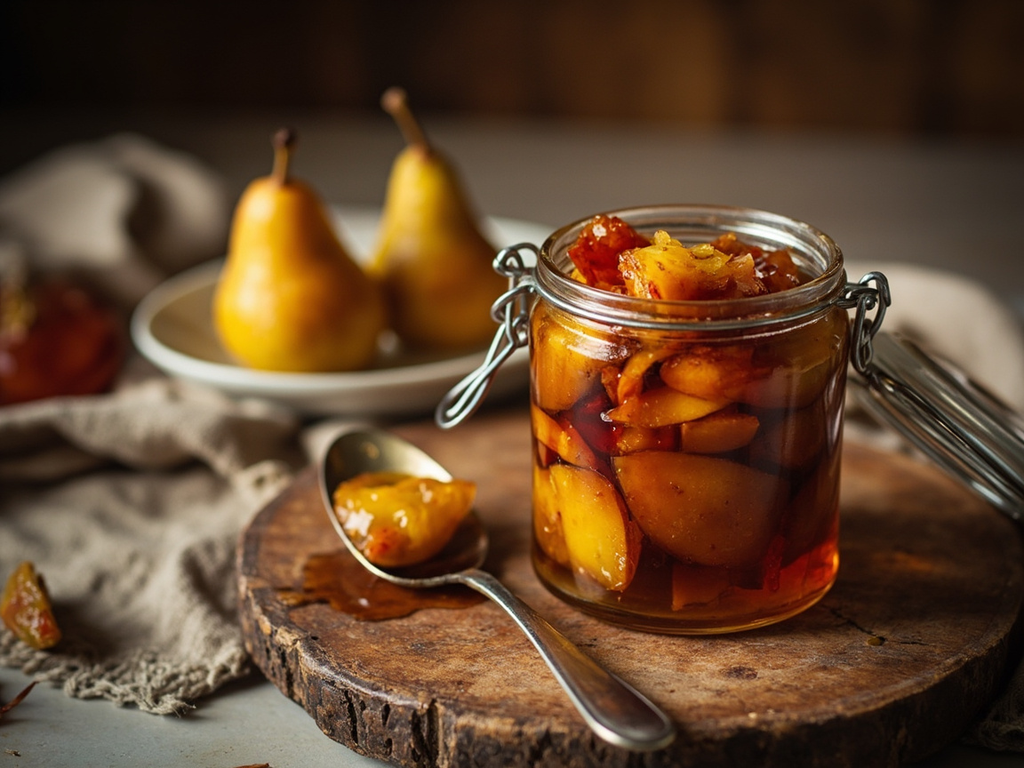
- Cook them in a little water with lemon juice until very tender (30-40 min).
- Puree finely, weigh the pulp, and add about 70% of its weight in sugar.
- Cook over low heat, stirring constantly, for 30-45 minutes until the paste pulls away from the pan and turns amber.
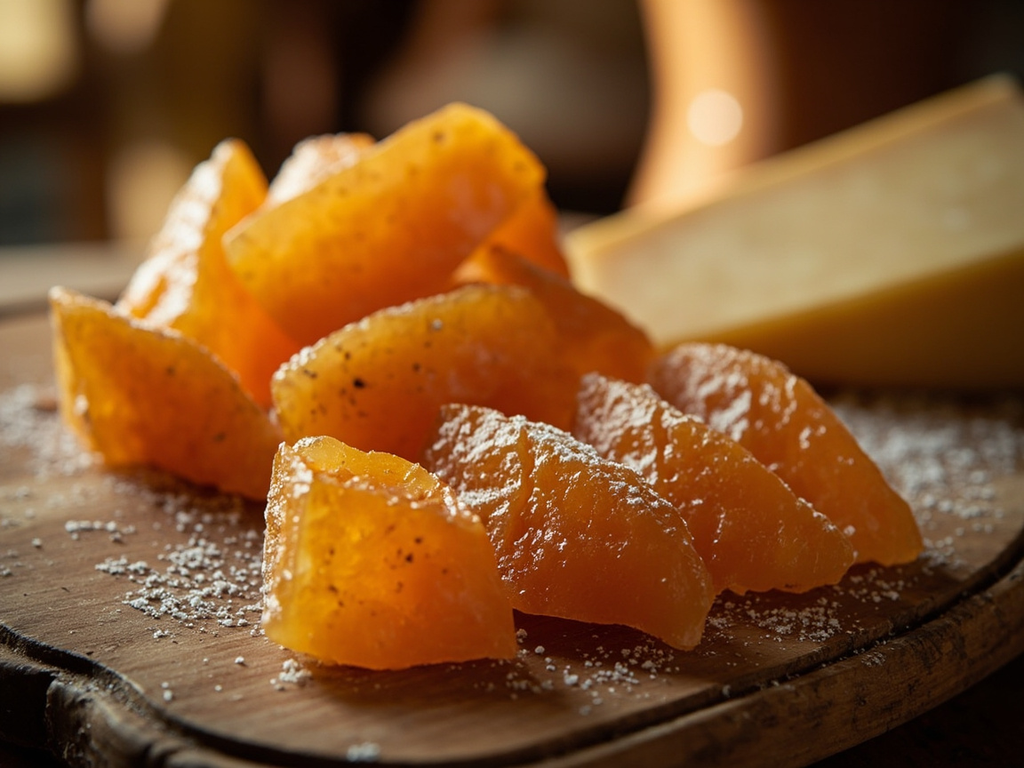
- Spread 1.5 cm thick in a lined dish, let dry 24-48 hours, then cut into diamonds and optionally roll in sugar.
How it was made : Quinces, rich in pectin, were one of the few fruits that could be preserved long before refrigeration: cooked into a firm paste, they kept for months. Tuscan convents made large supplies, and the word 'marmalade' comes from Portuguese marmelo, quince.
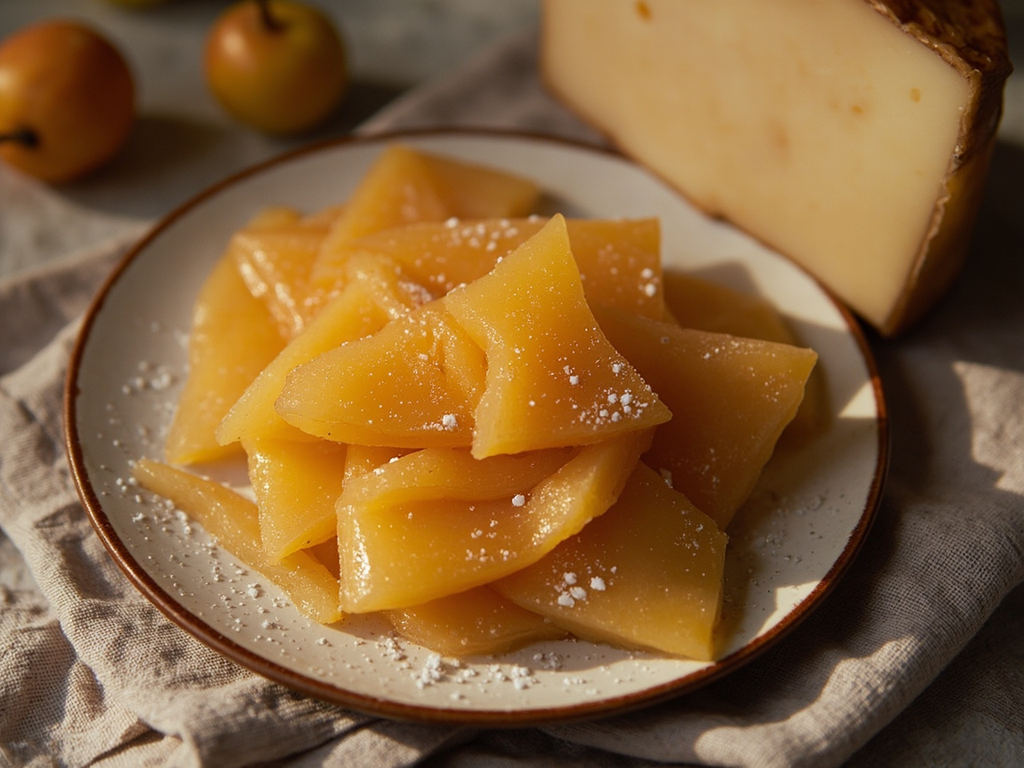
The contemporary twist : Serve in thin slices with aged pecorino, Tuscan style: the sweet-salty 'Galileo dolce' contrast.
Galileo · Charactorium