 flip
flipKoshary of the Crossroads
Koshary of the Crossroads
Why this dish? Koshary is the urban popular dish of Nasser's Egypt: food for workers, soldiers, and students in Cairo in the 1950s-60s, sold at crossroads for a few piastres. It embodies the laboring people that the 1952 revolution claimed to serve.
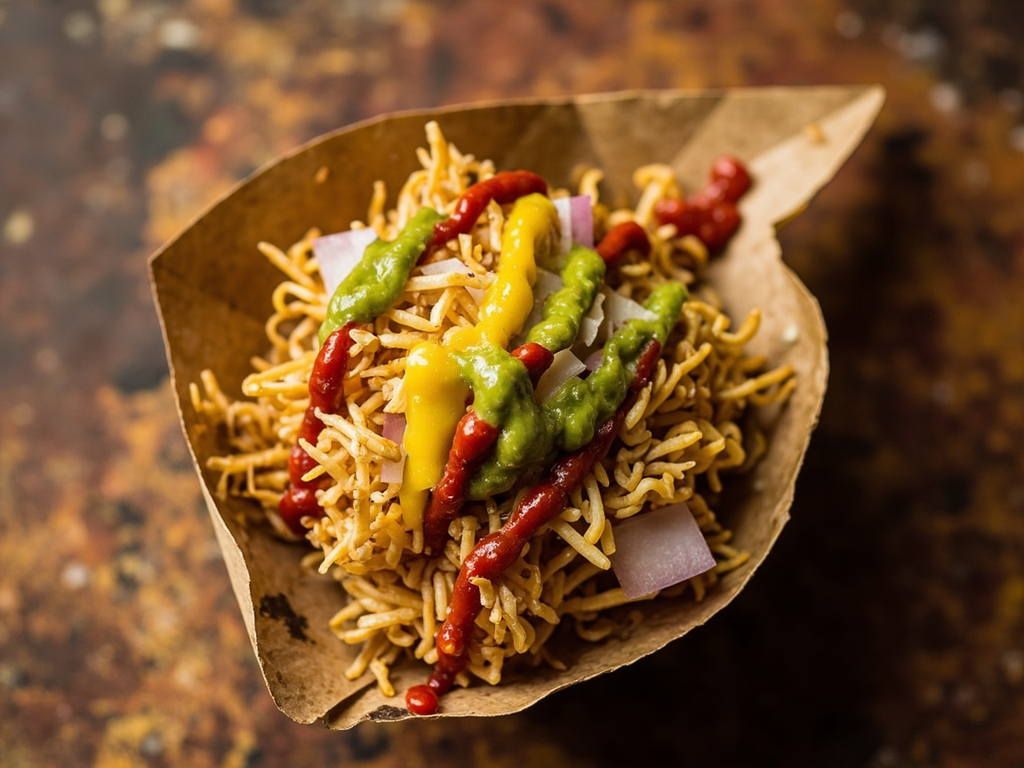
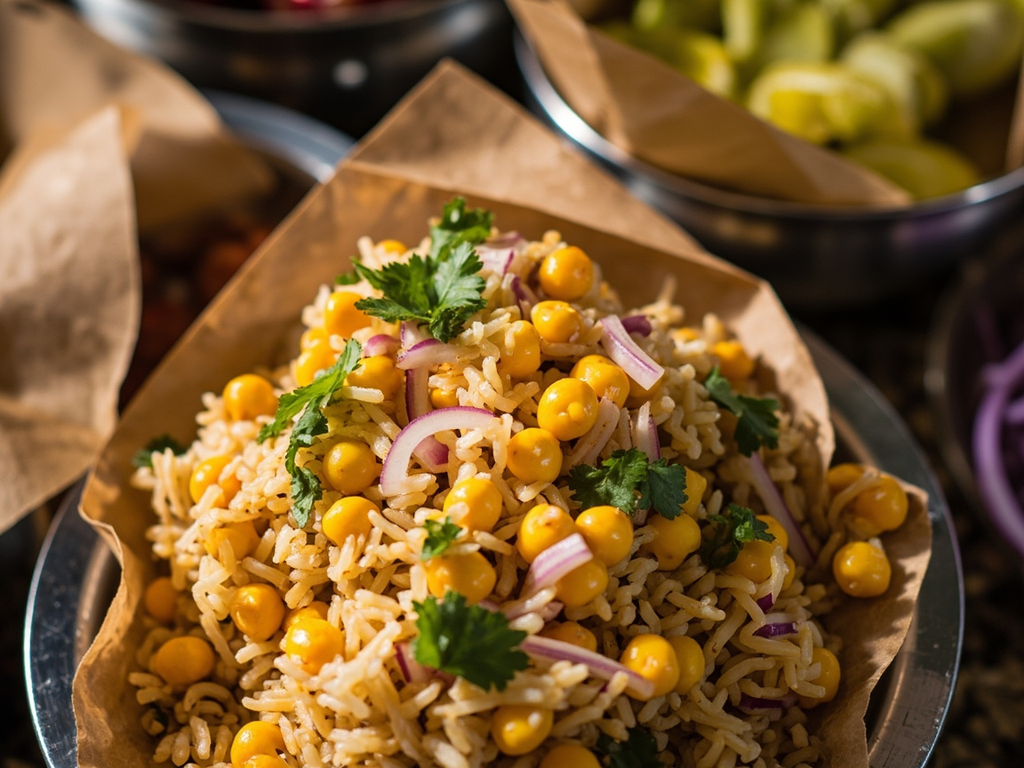
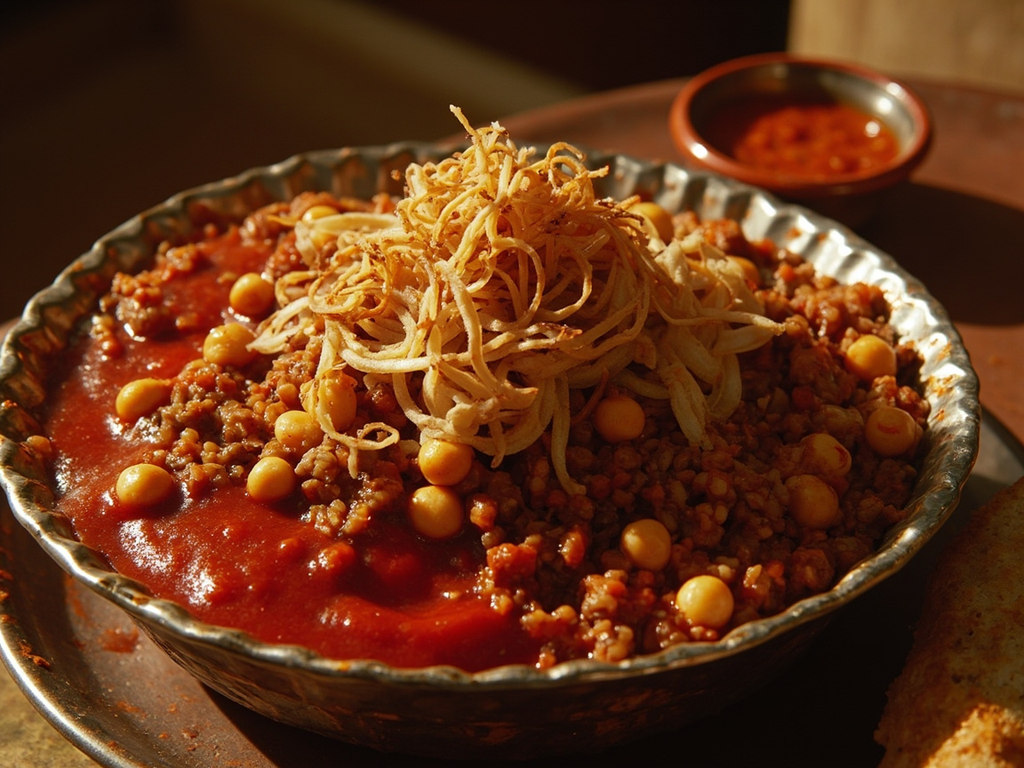
A hearty pile of rice, lentils, and pasta, drenched in vinegary tomato sauce, crowned with chickpeas and crispy fried onions, spiced with a garlicky hot sauce. The complete meal for the worker, filling and cheap.
Koshary, my friend, is the dish of the people building the dam and holding the gun. For a few piastres, the Cairo worker eats his fill, standing at the crossroads, his steaming bowl in hand. Mix the lentils of the fellah, the rice of the Delta, and the pasta of new times — pour on the red sauce, and don't forget the daqqa that stings: a working man needs fire in his belly. That is my revolution: that everyone may eat their fill.
- •Rice — one bowl (base)
- •Brown lentils — one bowl (base)
- •Short pasta and vermicelli — a handful (base)
- •Chickpeas — one ladleful, cooked (topping)
- •Onions — several, sliced (fried topping)
- •Tomatoes — ripe, made into sauce (sauce)
- •Vinegar and garlic — to taste (sour sauce)
- •Dried chili — according to courage (fire)
Koshary of the Crossroads
A hearty pile of rice, lentils, and pasta, drenched in vinegary tomato sauce, crowned with chickpeas and crispy fried onions, spiced with a garlicky hot sauce. The complete meal for the worker, filling and cheap.
Why this dish? Koshary is the urban popular dish of Nasser's Egypt: food for workers, soldiers, and students in Cairo in the 1950s-60s, sold at crossroads for a few piastres. It embodies the laboring people that the 1952 revolution claimed to serve.
Koshary, my friend, is the dish of the people building the dam and holding the gun. For a few piastres, the Cairo worker eats his fill, standing at the crossroads, his steaming bowl in hand. Mix the lentils of the fellah, the rice of the Delta, and the pasta of new times — pour on the red sauce, and don't forget the daqqa that stings: a working man needs fire in his belly. That is my revolution: that everyone may eat their fill.
Ingredients (period version)
- Rice — one bowl (base)
- Brown lentils — one bowl (base)
- Short pasta and vermicelli — a handful (base)
- Chickpeas — one ladleful, cooked (topping)
- Onions — several, sliced (fried topping)
- Tomatoes — ripe, made into sauce (sauce)
- Vinegar and garlic — to taste (sour sauce)
- Dried chili — according to courage (fire)
Ingredients
- Rice — 200 g (base)
- Brown lentils — 200 g (base)
- Short macaroni + vermicelli — 150 g (base)
- Canned chickpeas — 1 can (topping)
- Onions — 3 large, sliced (fried topping)
- Tomato purée — 400 g (sauce)
- White vinegar — 3 tbsp (sour sauce)
- Garlic — 3 cloves (sour sauce)
- Chili / harissa — to taste (fire)
- Ground cumin and coriander — 1 tsp each (spices)
Method
- Fry the sliced onions in oil until brown and crispy; drain on a cloth.
- Cook the rice, lentils, and pasta separately; warm the chickpeas.
- Prepare the sauce: sauté the garlic, add the purée, cumin, coriander, simmer 15 min.
- Mix the vinegar, crushed garlic, and chili for the spicy daqqa.
- Layer in a dish: rice, lentils, pasta, chickpeas, tomato sauce, fried onions.
- Serve with the daqqa on the side, each person drizzling as they like.
How it was made : Born in late 19th-century Egypt from the cross between Indian khichri (rice-lentils), Italian pasta, and fellah tradition, koshary was sold from carts and stalls at crossroads, served in tin bowls. Layers were ladled at high speed for the crowd of workers at lunchtime.
The contemporary twist : Served in a transparent jar to show the layers, in full street-food style — koshary keeps its pride as the people's dish.
Sources : Claudia Roden, A Book of Middle Eastern Food · Magda Mehdawy, My Egyptian Grandmother's Kitchen
Gamal Abdel Nasser · Charactorium