 flip
flipQuince Jam from Nohant
Quince Jam from Nohant
Why this dish? Sand maintained a generous vegetable garden and orchard at Nohant, and homemade jams were among the simple pleasures of her table. The quince, an autumn fruit of the Berry, was kept all winter once turned into jam or paste.
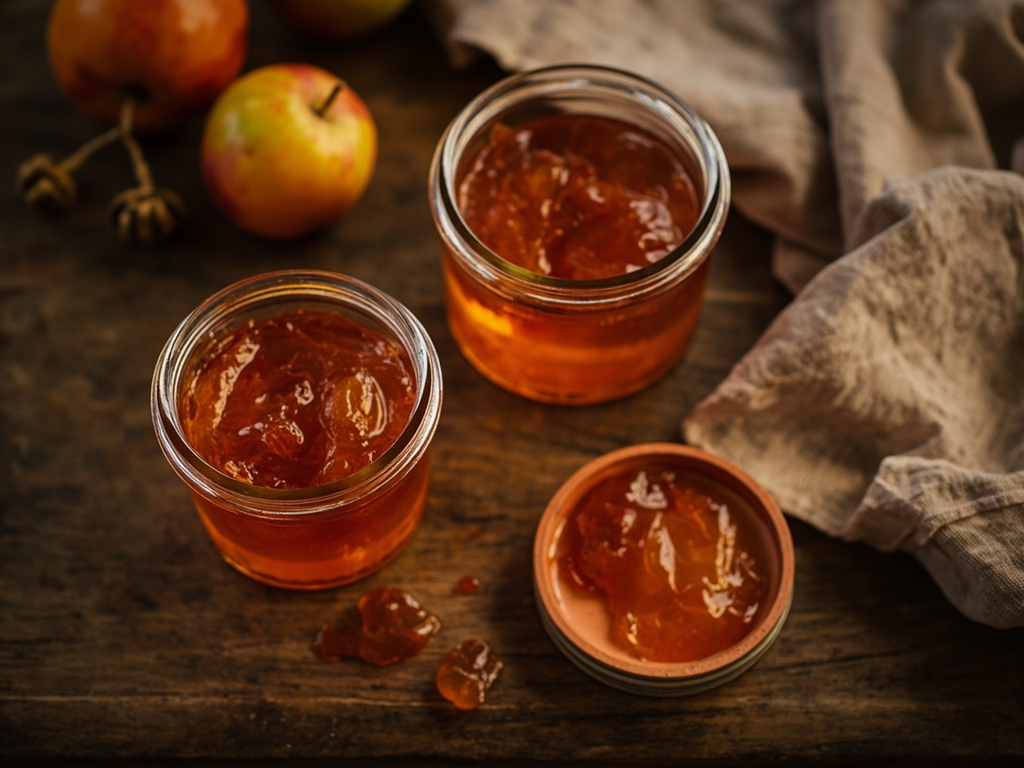
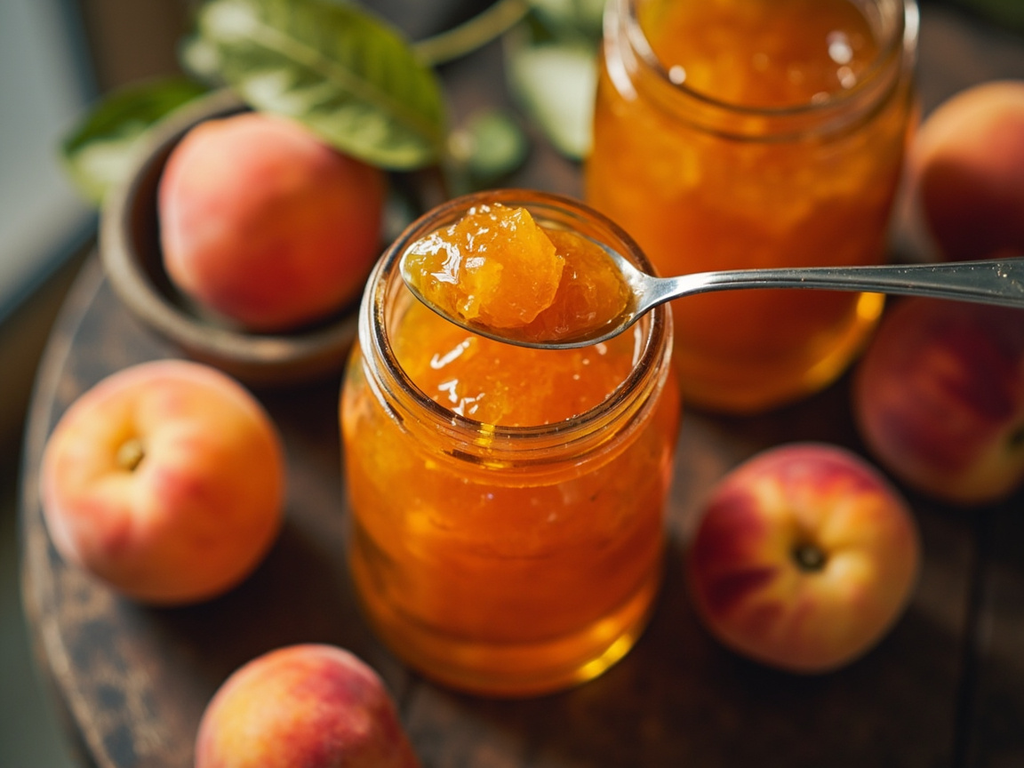
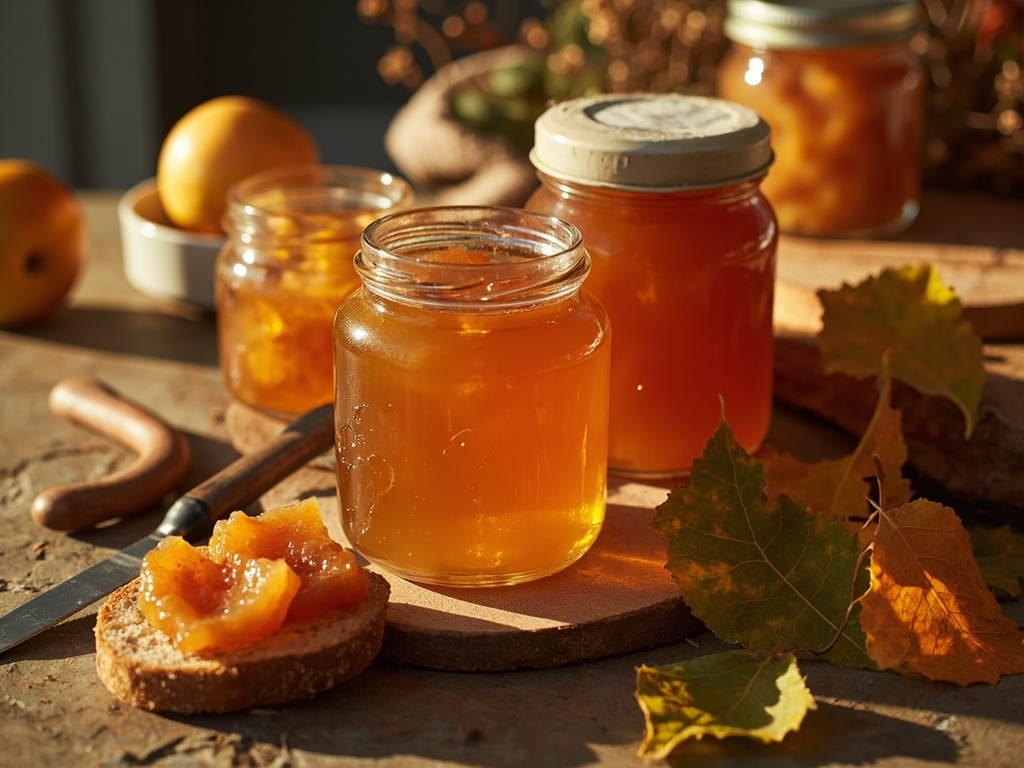
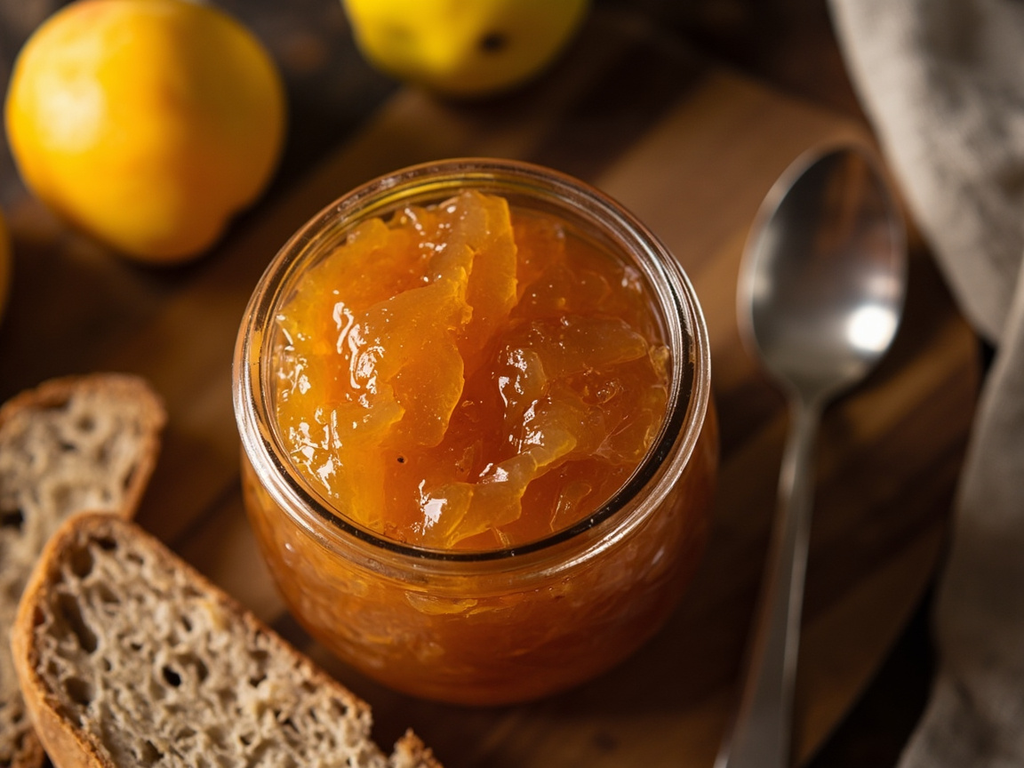
An amber, fragrant jam, where the astringent flesh of the quince turns into a translucent jelly with long cooking, brightened with a hint of lemon. It was stored in the cellar to sweeten the cold months.
In autumn, when the quinces from the orchard perfume even the house, it's cauldron day at Nohant. I watch over the cooking myself, for this stubborn fruit requires patience: you must let it confit for a long time until it takes on that beautiful old-gold hue. We fill the pots, seal them with paper, and all winter long, a spoonful on brown bread reminds you of the sweetness of fine days. Nothing seems more precious to me than a well-stocked cellar when the north wind blows.
- •Ripe quinces from the orchard — a basketful (base fruit)
- •Sugar — almost equal weight (preservation and sweetness)
- •Water — as needed (cooking)
- •Lemon — one (acidity and set)
Quince Jam from Nohant
An amber, fragrant jam, where the astringent flesh of the quince turns into a translucent jelly with long cooking, brightened with a hint of lemon. It was stored in the cellar to sweeten the cold months.
Why this dish? Sand maintained a generous vegetable garden and orchard at Nohant, and homemade jams were among the simple pleasures of her table. The quince, an autumn fruit of the Berry, was kept all winter once turned into jam or paste.
In autumn, when the quinces from the orchard perfume even the house, it's cauldron day at Nohant. I watch over the cooking myself, for this stubborn fruit requires patience: you must let it confit for a long time until it takes on that beautiful old-gold hue. We fill the pots, seal them with paper, and all winter long, a spoonful on brown bread reminds you of the sweetness of fine days. Nothing seems more precious to me than a well-stocked cellar when the north wind blows.
Ingredients (period version)
- Ripe quinces from the orchard — a basketful (base fruit)
- Sugar — almost equal weight (preservation and sweetness)
- Water — as needed (cooking)
- Lemon — one (acidity and set)
Ingredients
- Quinces — 1 kg (peeled weight) (base fruit)
- Sugar — 800 g (preservation and sweetness)
- Water — 50 cl (cooking)
- Lemon juice — 1 lemon (acidity and set)
Method
- Peel and core the quinces, cut into dice; reserve the seeds and peels in a muslin bag (they are rich in pectin).
- Cook the dice with water and the bag for about 30 minutes until tender.
- Remove the bag, add the sugar and lemon juice, then continue cooking over low heat, stirring.
- Let confit for 45 minutes to 1 hour until the jam coats a spoon and takes on an amber color; test on a cold plate.
- Pour boiling into sterilized jars, seal immediately, and turn upside down to create a vacuum.
How it was made : Without refrigeration, jam was an essential method of preservation: sugar, increasingly accessible in the 19th century thanks to beet sugar, allowed summer and autumn fruits to be kept. The jars were sealed with a round of paper soaked in eau-de-vie and a cloth cover tied on.
The contemporary twist : Add a cinnamon stick and a few crushed cardamom pods at the end of cooking for a spiced quince jam, served with aged goat cheese.
George Sand · Charactorium