 flip
flipBuna — Coffee from Harar, Ceremony in Three Rounds
Buna — Coffee from Harar, Ceremony in Three Rounds
Why this dish? Before being crowned, the young Tafari Makonnen spent his childhood and youth in Harar, a city in eastern Ethiopia where his father Ras Makonnen was governor — and Harar is one of the birthplaces of coffee in the world. The buna ceremony, where green beans are roasted in front of guests, is the soul of Ethiopian hospitality that surrounded his life.
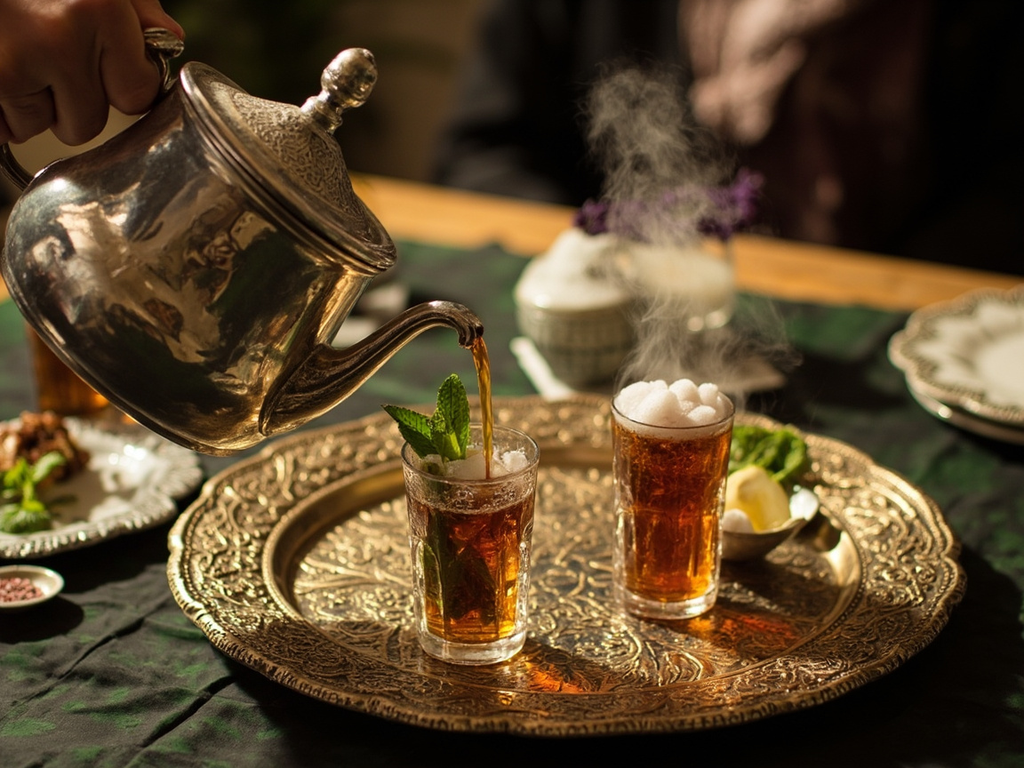
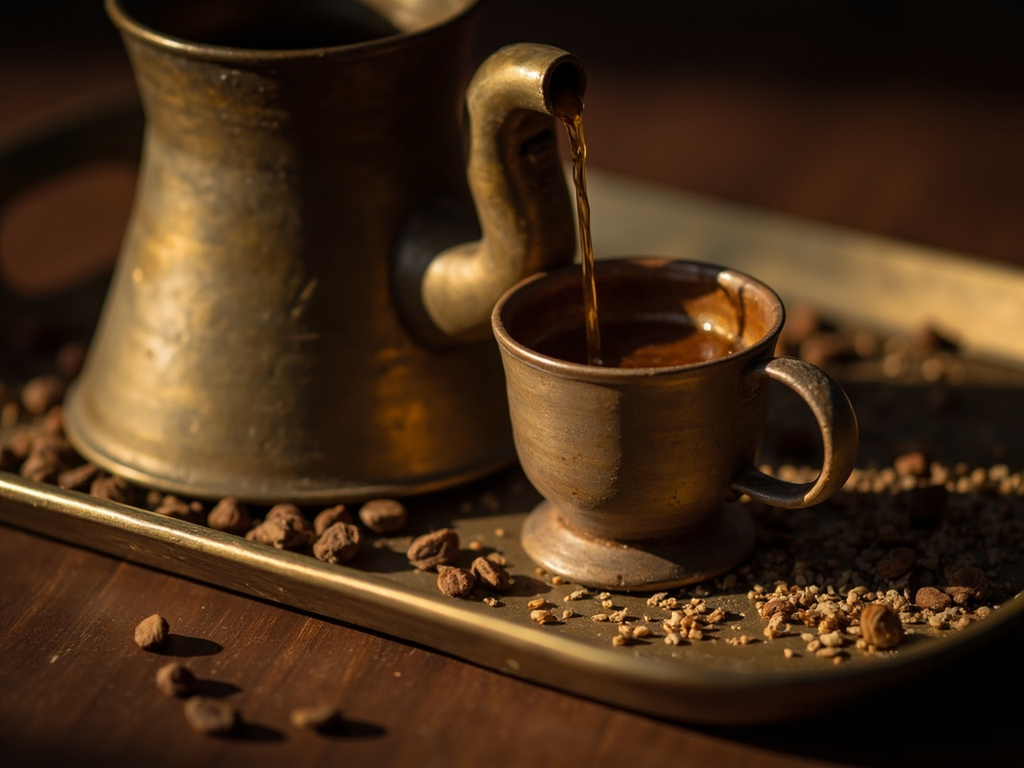
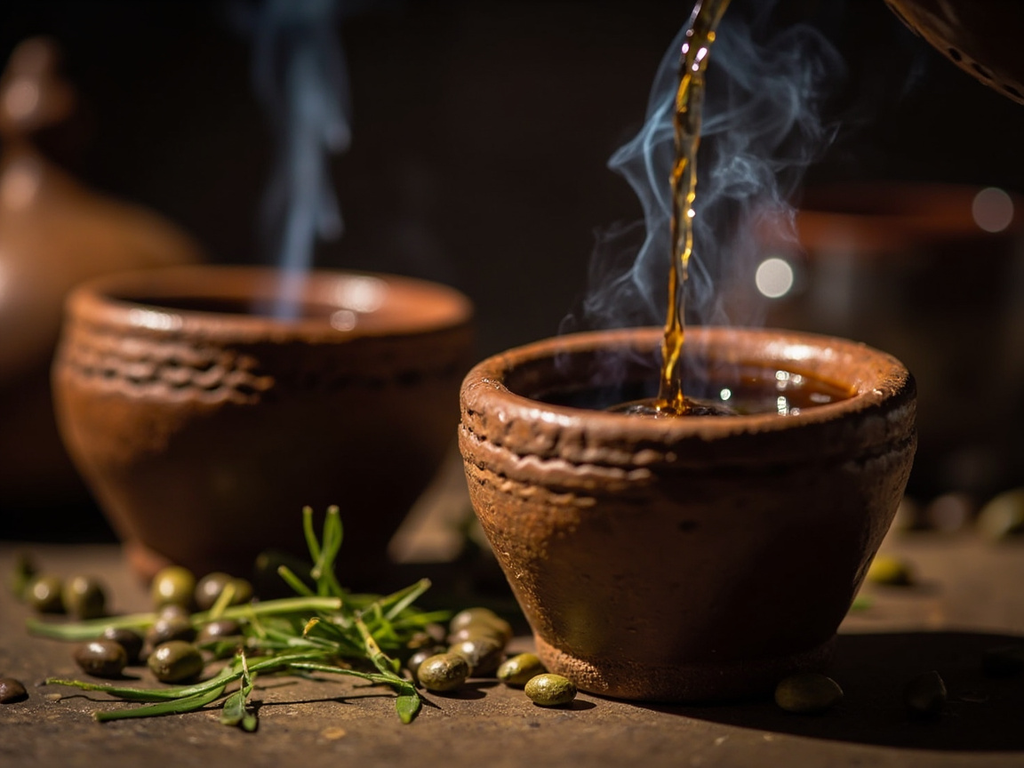
Coffee prepared before the guests' eyes: green beans pan-roasted, pounded, infused in a clay jebena, and poured from a height in three ritual rounds (abol, tona, baraka). Full-bodied, deeply aromatic, frankly bitter.
Coffee was born from Our lands, and nowhere is it honored as in Harar, the city of My childhood. The green beans are roasted right there, before the guest, so that he may breathe the blessed smoke; they are pounded, thrown into the clay jebena, and the brew is poured from on high, in a steady stream, into small handleless cups. Three rounds follow — abol, tona, baraka — and to leave before the third, the blessing, would offend the house. Sit down, the incense burns, time holds no sway here.
- •Green coffee from Harar — a handful (beans to roast)
- •Water — according to jebena size (infusion)
- •Incense and herbs (optional) — a little (ceremonial ambiance)
Buna — Coffee from Harar, Ceremony in Three Rounds
Coffee prepared before the guests' eyes: green beans pan-roasted, pounded, infused in a clay jebena, and poured from a height in three ritual rounds (abol, tona, baraka). Full-bodied, deeply aromatic, frankly bitter.
Why this dish? Before being crowned, the young Tafari Makonnen spent his childhood and youth in Harar, a city in eastern Ethiopia where his father Ras Makonnen was governor — and Harar is one of the birthplaces of coffee in the world. The buna ceremony, where green beans are roasted in front of guests, is the soul of Ethiopian hospitality that surrounded his life.
Coffee was born from Our lands, and nowhere is it honored as in Harar, the city of My childhood. The green beans are roasted right there, before the guest, so that he may breathe the blessed smoke; they are pounded, thrown into the clay jebena, and the brew is poured from on high, in a steady stream, into small handleless cups. Three rounds follow — abol, tona, baraka — and to leave before the third, the blessing, would offend the house. Sit down, the incense burns, time holds no sway here.
Ingredients (period version)
- Green coffee from Harar — a handful (beans to roast)
- Water — according to jebena size (infusion)
- Incense and herbs (optional) — a little (ceremonial ambiance)
Ingredients
- Green coffee (ideally from Harar/Ethiopia) — 60 g (to roast yourself)
- Water — 600 ml (infusion)
- Sugar or a pinch of salt (regional variation) — to taste (traditional seasoning)
Method
- Dry-roast green beans in a cast-iron pan over medium heat, stirring, until they brown and release aroma (let guests inhale the smoke).
- Coarsely pound the beans in a mortar (or grind coarsely).
- Bring water to a simmer in a jebena (or small saucepan), add ground coffee, and let infuse/simmer gently for a few minutes.
- Let the grounds settle, then pour from a height in a steady stream into small handleless cups.
- Serve three successive rounds — abol, tona, baraka — each slightly weaker, optionally adding a little sugar.
How it was made : The coffee ceremony can last one to two hours: the hostess spreads fresh herbs on the floor, burns incense, washes the green beans, then roasts them in front of everyone. The long-spouted clay jebena and the high pour are characteristic. Ethiopian coffee, whose discovery legend attributes to the goatherd Kaldi, is traditionally drunk very strong, sometimes salted or buttered depending on the region.
The contemporary twist : No green coffee? Lightly re-roast already roasted beans in a pan to revive aromas, and serve in three small cups to honor the abol-tona-baraka rhythm.
Haile Selassie · Charactorium