 flip
flipRugbrød — Sourdough Rye Bread for the Road
Rugbrød — Sourdough Rye Bread for the Road
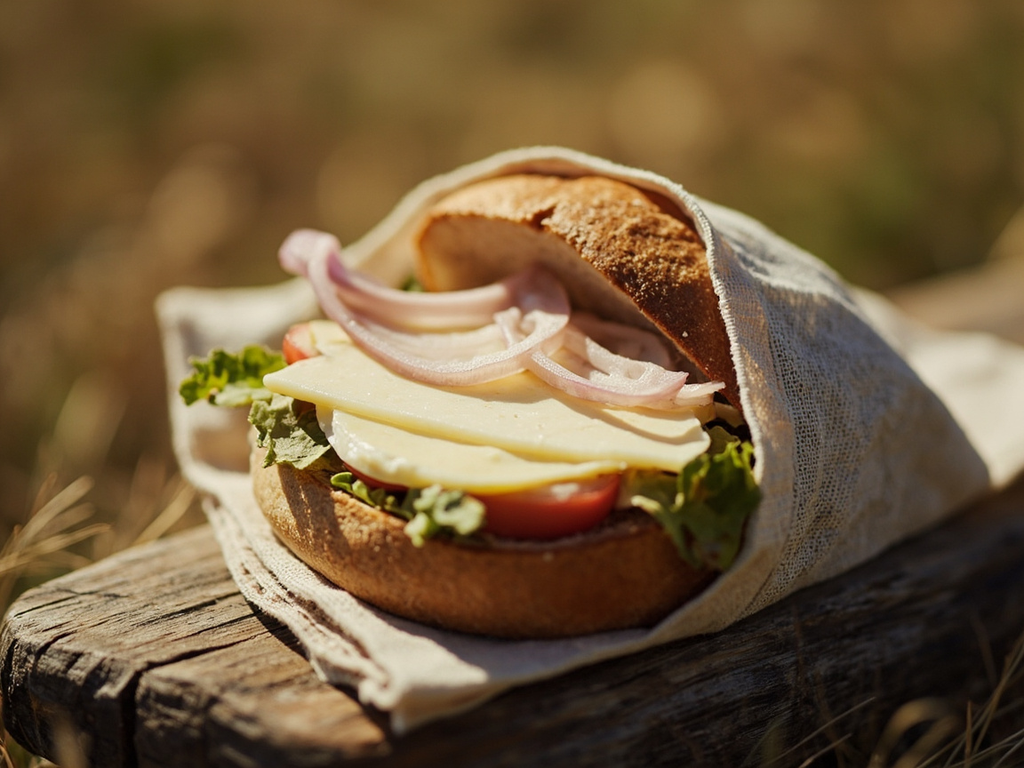
Why this dish? Andersen was an indefatigable traveler, crossing Europe with his leather trunk all the way to Rome. The dense rugbrød, which keeps for weeks without going stale, was the bread a Dane carried on the long roads of the 19th century.
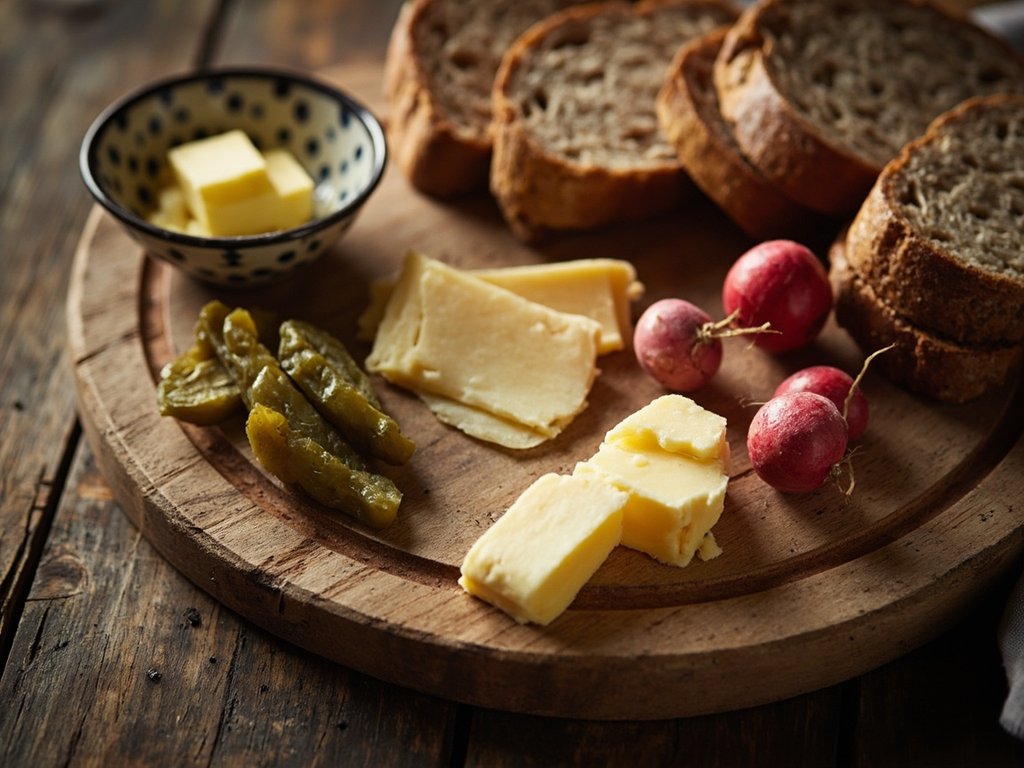
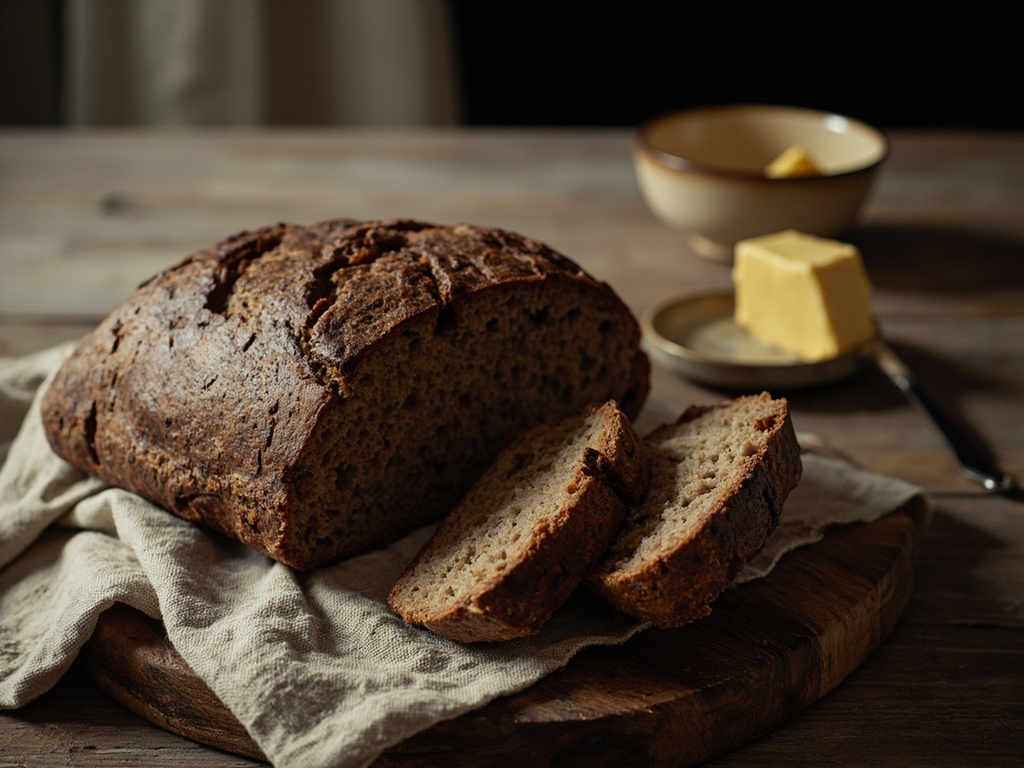
A black rye bread, dense and moist, leavened with natural sourdough and loaded with whole grains. Its compact crumb keeps very long and slices thin: it is the foundation of every Danish meal and the ideal traveler's bread.
I traveled Europe with my trunk full, from Copenhagen to the warm stones of Rome, and always the rye bread of my country seemed made for the road: black, dense, it does not spoil like the white bread of cities. We kneaded it with the old sourdough kept from one batch to the next, and waited patiently for it to rise. Slice it thin, butter it, and it will carry you far. Believe a man who has worn out many shoes: a good rye bread is the most faithful of companions.
- •Rye sourdough (surdej) — a good kept portion (fermentation)
- •Whole rye flour — in abundance (structure)
- •Cracked rye grains — one part (texture)
- •Salt — as needed (flavor and preservation)
- •Water — warm (hydration)
Rugbrød — Sourdough Rye Bread for the Road
A black rye bread, dense and moist, leavened with natural sourdough and loaded with whole grains. Its compact crumb keeps very long and slices thin: it is the foundation of every Danish meal and the ideal traveler's bread.
Why this dish? Andersen was an indefatigable traveler, crossing Europe with his leather trunk all the way to Rome. The dense rugbrød, which keeps for weeks without going stale, was the bread a Dane carried on the long roads of the 19th century.
I traveled Europe with my trunk full, from Copenhagen to the warm stones of Rome, and always the rye bread of my country seemed made for the road: black, dense, it does not spoil like the white bread of cities. We kneaded it with the old sourdough kept from one batch to the next, and waited patiently for it to rise. Slice it thin, butter it, and it will carry you far. Believe a man who has worn out many shoes: a good rye bread is the most faithful of companions.
Ingredients (period version)
- Rye sourdough (surdej) — a good kept portion (fermentation)
- Whole rye flour — in abundance (structure)
- Cracked rye grains — one part (texture)
- Salt — as needed (flavor and preservation)
- Water — warm (hydration)
Ingredients
- Active rye sourdough starter — 150 g (fermentation)
- Whole rye flour — 500 g (structure)
- Cracked rye grains (or flakes) — 200 g, soaked (texture)
- Salt — 15 g (flavor and preservation)
- Warm water — 600 ml (hydration)
Method
- The night before, mix the starter, part of the flour and water; let ferment overnight. Soak the cracked grains separately.
- The next day, add the remaining flour, soaked grains, salt, and water to form a thick, sticky dough (it does not knead like wheat bread).
- Pour into a well-greased loaf pan, smooth the wet surface with a spoon.
- Let rise 3 to 5 hours, until the dough swells and cracks on the surface.
- Bake at moderate heat (about 180 °C) for nearly 1.5 hours; let cool completely and rest a day before slicing thin.
How it was made : Rugbrød was baked in large spaced-out batches because its dense sourdough crumb kept for weeks: it was sliced day by day for smørrebrød. The rye sourdough, maintained from one bake to the next, gave the characteristic acidity and aided preservation, valuable before refrigeration and for long journeys.
The contemporary twist : Add flax and pumpkin seeds from Nordic gardens to the dough for a modern 'seeded' rye bread, sliced into dipping sticks for appetizers.
Hans Christian Andersen · Charactorium