 flip
flipImu Fish and Lūʻau
Imu Fish and Lūʻau
Why this dish? At the great stops of Hiʻiaka's journey, the chiefs (aliʻi) open the imu in her honor. Patron of hula, she dances while steam rises from the stones: fish and young taro leaves steamed in the earth oven are the heart of the festive feast.
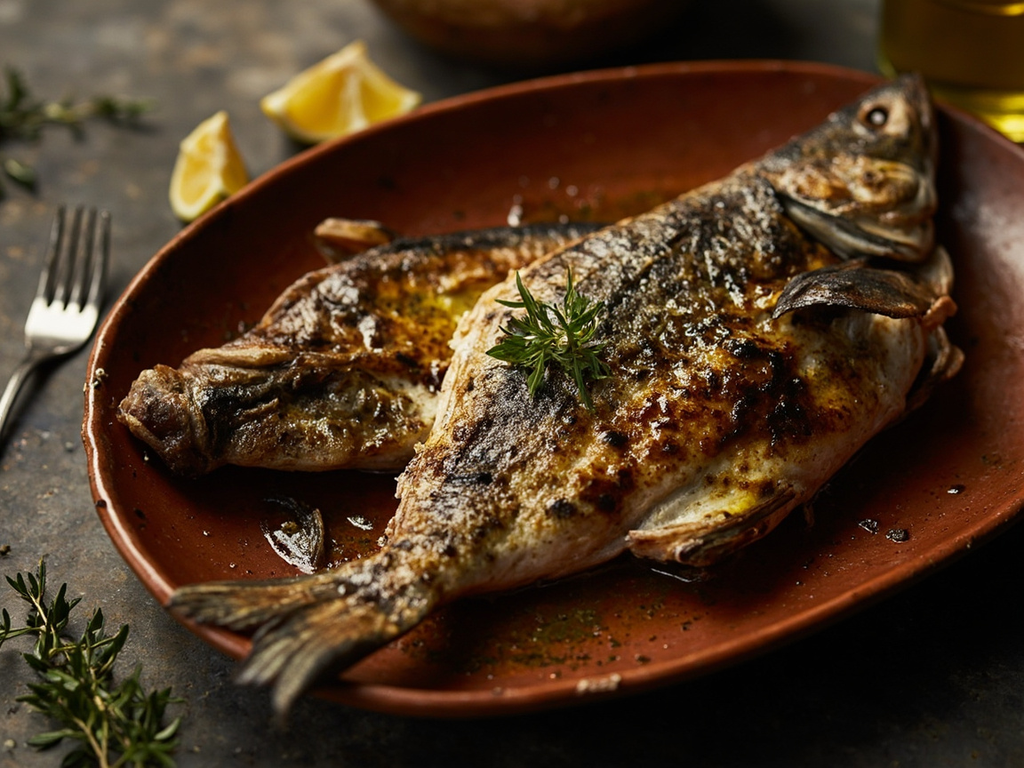
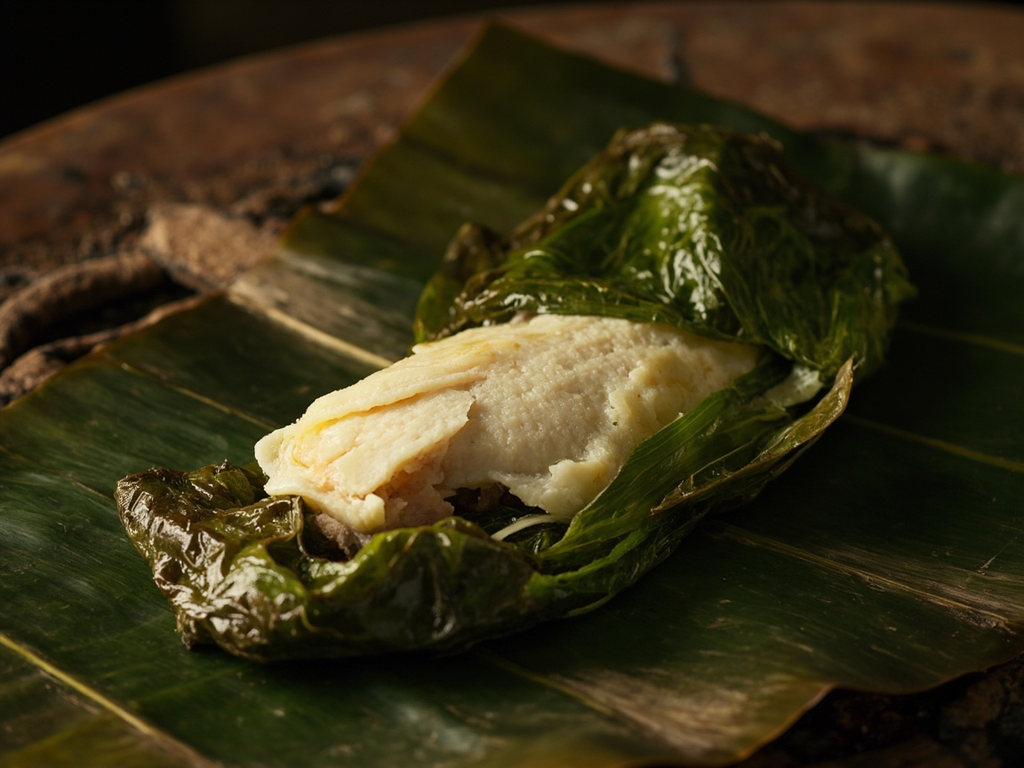
Fish fillets wrapped in young taro leaves (lūʻau) and ti leaves, placed on hot stones and steamed until tender. Salted with sea salt harvested from lava tide pools.
Listen to the stones crackle, traveler: the imu is opened for you. I wrap the iʻa in the tenderest lūʻau leaves, lay it on the ti, and the earth does the rest while I strike the ground with my feet for the hula. The salt I take from the lava hollows where the sea has dried it — nothing else, for the fish's flesh and the leaf suffice. When we lift the leaves and the steam burns your face, it means the gods have eaten before us.
- •Fresh reef fish (iʻa) — according to the catch (protein)
- •Young taro leaves (lūʻau) — a large handful (melting wrapper (toxic raw, safe when well cooked))
- •Ti leaves — a few (cooking wrap)
- •Sea salt (paʻakai) — a pinch (seasoning)
Imu Fish and Lūʻau
Fish fillets wrapped in young taro leaves (lūʻau) and ti leaves, placed on hot stones and steamed until tender. Salted with sea salt harvested from lava tide pools.
Why this dish? At the great stops of Hiʻiaka's journey, the chiefs (aliʻi) open the imu in her honor. Patron of hula, she dances while steam rises from the stones: fish and young taro leaves steamed in the earth oven are the heart of the festive feast.
Listen to the stones crackle, traveler: the imu is opened for you. I wrap the iʻa in the tenderest lūʻau leaves, lay it on the ti, and the earth does the rest while I strike the ground with my feet for the hula. The salt I take from the lava hollows where the sea has dried it — nothing else, for the fish's flesh and the leaf suffice. When we lift the leaves and the steam burns your face, it means the gods have eaten before us.
Ingredients (period version)
- Fresh reef fish (iʻa) — according to the catch (protein)
- Young taro leaves (lūʻau) — a large handful (melting wrapper (toxic raw, safe when well cooked))
- Ti leaves — a few (cooking wrap)
- Sea salt (paʻakai) — a pinch (seasoning)
Ingredients
- Firm white fish fillets (snapper, sea bream) — 600 g (protein)
- Young spinach or chard leaves (if lūʻau unavailable) — 300 g (wrapper (lūʻau must cook 1 h; spinach is a safe substitute))
- Banana leaves or parchment paper — as needed (papillote)
- Fleur de sel — 1 tsp (seasoning)
Method
- Lightly salt the fish.
- Wrap it in several layers of green leaves, then in a banana leaf or well-sealed parchment paper.
- Steam: in the oven at 180 °C for 35 to 45 minutes, or steam on the stovetop, to mimic the moist heat of the imu.
- If using real taro leaves (lūʻau), extend cooking to at least 1 hour: raw they contain irritating oxalate crystals, destroyed by long cooking.
- Open the papillote at the table to release the fragrant steam.
How it was made : The feast (ʻahaʻaina, ancestor of the modern lūʻau) cooked for hours in the imu: stones heated red-hot, foods wrapped in leaves, everything covered with mats and earth to trap the steam. For a goddess, fish and vegetables would have been favored; note that pork and banana were once kapu to women.
The contemporary twist : Presented as an individual papillote tied with a strip of ti leaf, opened before the guest: the theater of steam replaces the great earth oven.
Sources : Margaret Titcomb, Native Use of Fish in Hawaii · E. S. Craighill Handy, The Hawaiian Planter
Hiʻiaka · Charactorium