 flip
flipKeke hīnau — hīnau berry cakes
Keke hīnau — hīnau berry cakes
Why this dish? Hīnau berries, ground and baked into cakes, were travel and storage food. On long paths — including the mythical soul road to Te Reinga, the cape from which the dead leap to Hine-nui-te-pō — a durable bread was needed.
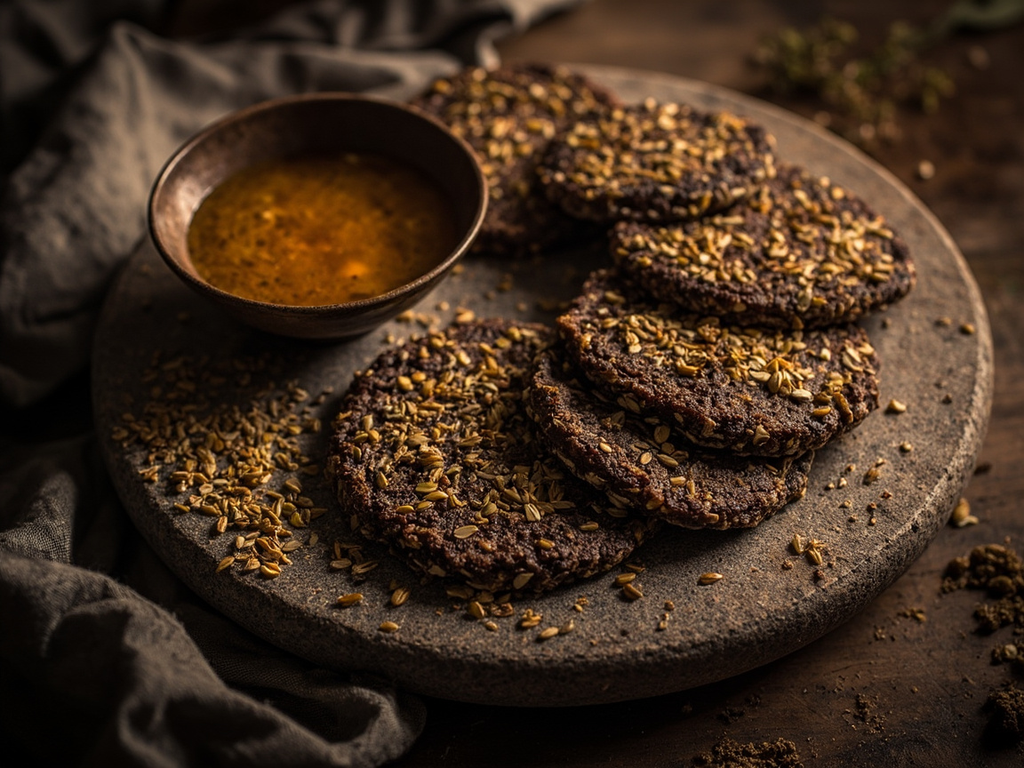
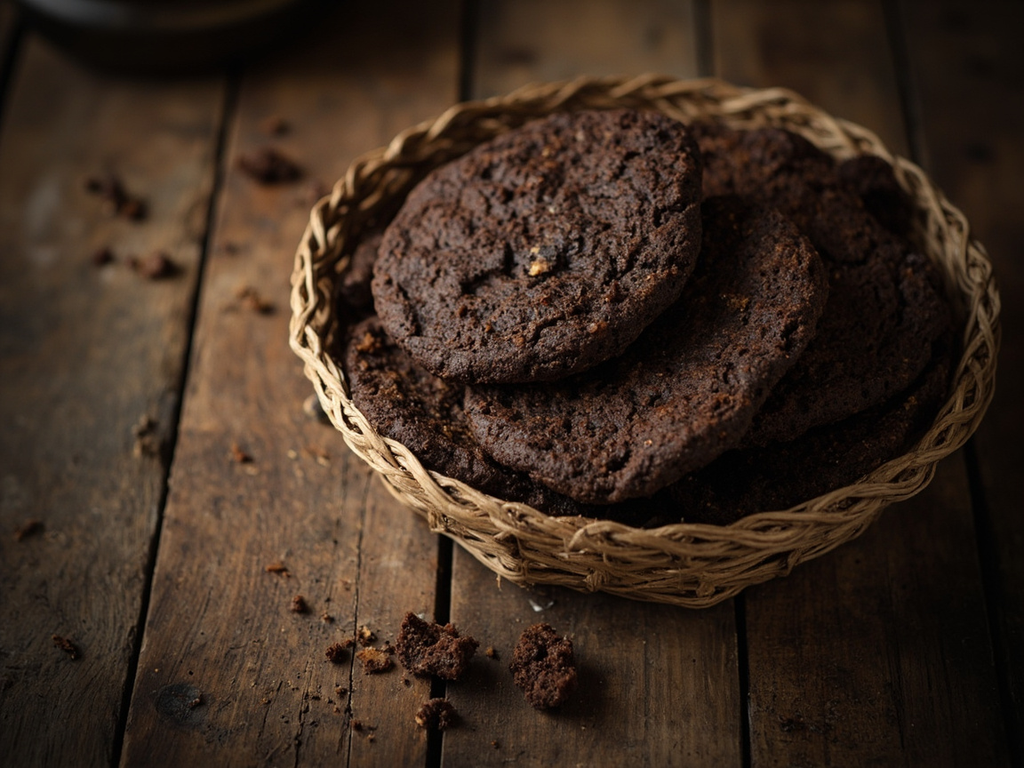
A dark flour from hīnau berries, bound with water and baked into dense cakes in the earth oven. Rustic, slightly bitter and woody: the compact bread that fits in a traveler's bag.
The path of souls is long, child, from Te Reinga to me. And the paths of the living are no shorter. To walk, you need a kai that does not spoil: so we beat the hīnau berries, separate the dark flour, wash away its bitterness, and bake it into cakes in the umu. Hard as stone, they keep for whole moons in the woven basket. Chew slowly — this bread is not for pleasure, it is for going far.
- •Hīnau berries (Elaeocarpus dentatus) — a large basket (travel flour)
- •Water (repeated washes) — abundant (remove bitterness)
- •Wrapping leaves — a few (cooking in the umu)
Keke hīnau — hīnau berry cakes
A dark flour from hīnau berries, bound with water and baked into dense cakes in the earth oven. Rustic, slightly bitter and woody: the compact bread that fits in a traveler's bag.
Why this dish? Hīnau berries, ground and baked into cakes, were travel and storage food. On long paths — including the mythical soul road to Te Reinga, the cape from which the dead leap to Hine-nui-te-pō — a durable bread was needed.
The path of souls is long, child, from Te Reinga to me. And the paths of the living are no shorter. To walk, you need a kai that does not spoil: so we beat the hīnau berries, separate the dark flour, wash away its bitterness, and bake it into cakes in the umu. Hard as stone, they keep for whole moons in the woven basket. Chew slowly — this bread is not for pleasure, it is for going far.
Ingredients (period version)
- Hīnau berries (Elaeocarpus dentatus) — a large basket (travel flour)
- Water (repeated washes) — abundant (remove bitterness)
- Wrapping leaves — a few (cooking in the umu)
Ingredients
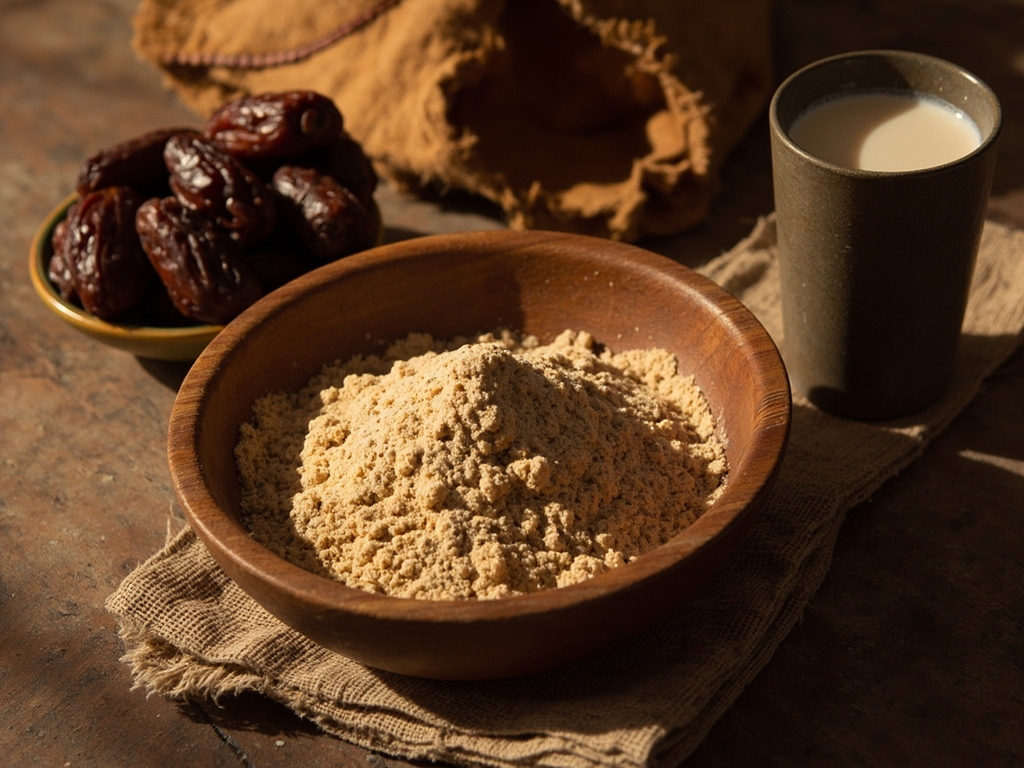
- Chestnut flour (evokes the dark woody flour of hīnau) — 200 g (base of the cake)
- Whole rye flour — 50 g (rusticity and structure)
- Warm water — 150 ml approx. (binder)
- Salt — 1 pinch (seasoning)
- Honey — 1 tsp (optional) (balance bitterness)
Method
- Mix the chestnut and rye flours with the salt.
- Add warm water gradually (and honey if you want to sweeten) until a firm, pliable, non-sticky dough forms.
- Shape into cakes about 1 cm thick.
- Cook dry in a very hot pan, 4 to 5 minutes per side, or wrapped and steamed to remain dense as in the umu.
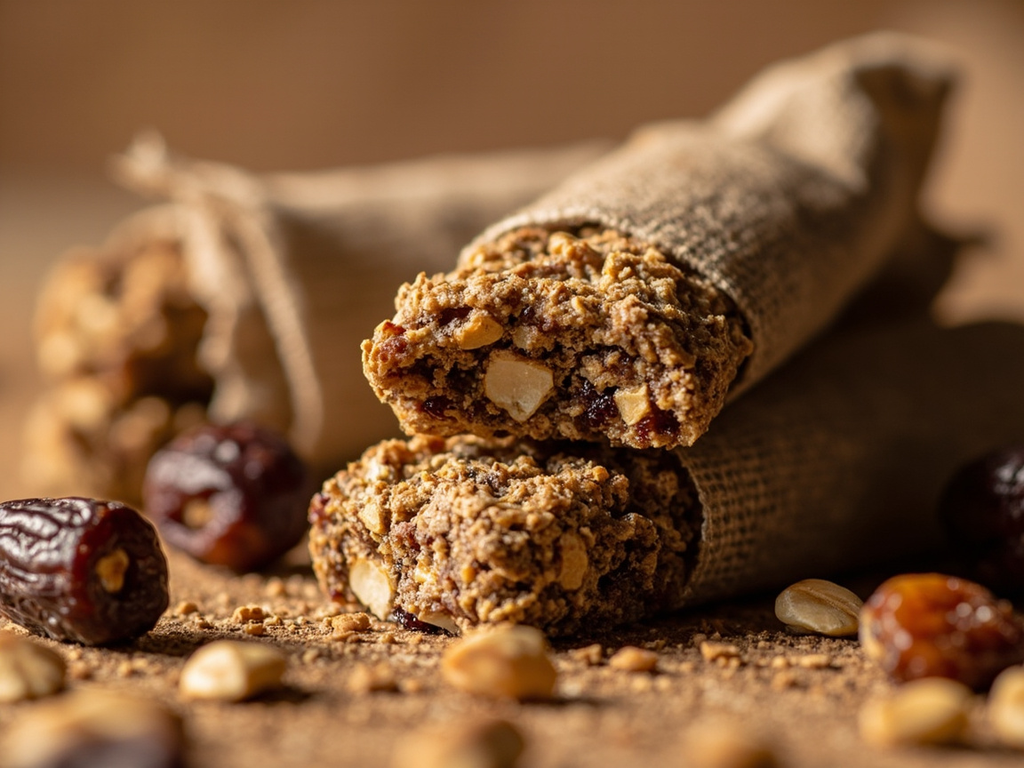
- Let cool completely: they harden and keep for several days in a cloth — true travel provision.
How it was made : Hīnau flour required long work: collecting fallen berries, drying, grinding, then repeated washes to remove bitterness before baking into cakes in the umu. It was both a reserve and festive food, sometimes served at hākari. Chestnut, dark and woody, is an accessible modern evocation.
The contemporary twist : Cut the cooled cakes into dippers, serve with smoked eel (r3) or a little huahua: the traveler's provision becomes a sharing board.
Sources : Elsdon Best, Forest Lore of the Maori (1942), on hīnau · Te Ara — The Encyclopedia of New Zealand, « Plant foods »
Hine-nui-te-pō · Charactorium