 flip
flipLake Hāngī — kumara, eel, and birds steamed in the earth
Lake Hāngī — kumara, eel, and birds steamed in the earth
Why this dish? On Mokoia Island, where Hinemoa swam to join Tutanekai, they prepared the hāngī of great reunions. It is the meal of the gathered clan, shared when love or peace triumphs over prohibitions — exactly the spirit of its legend.
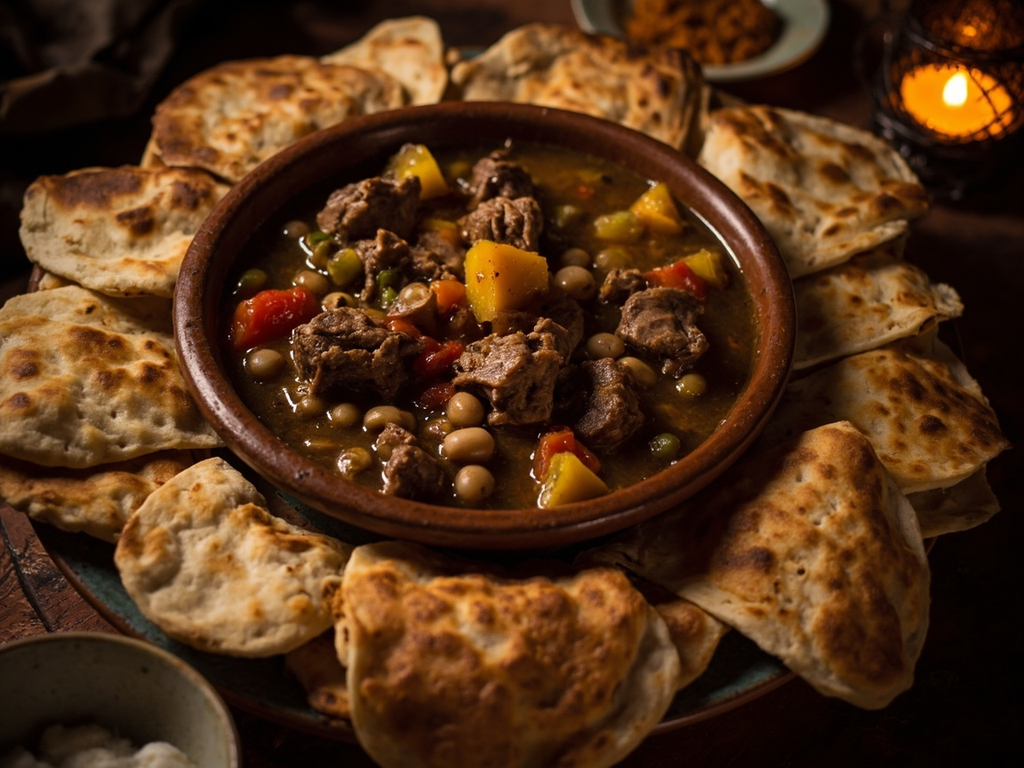
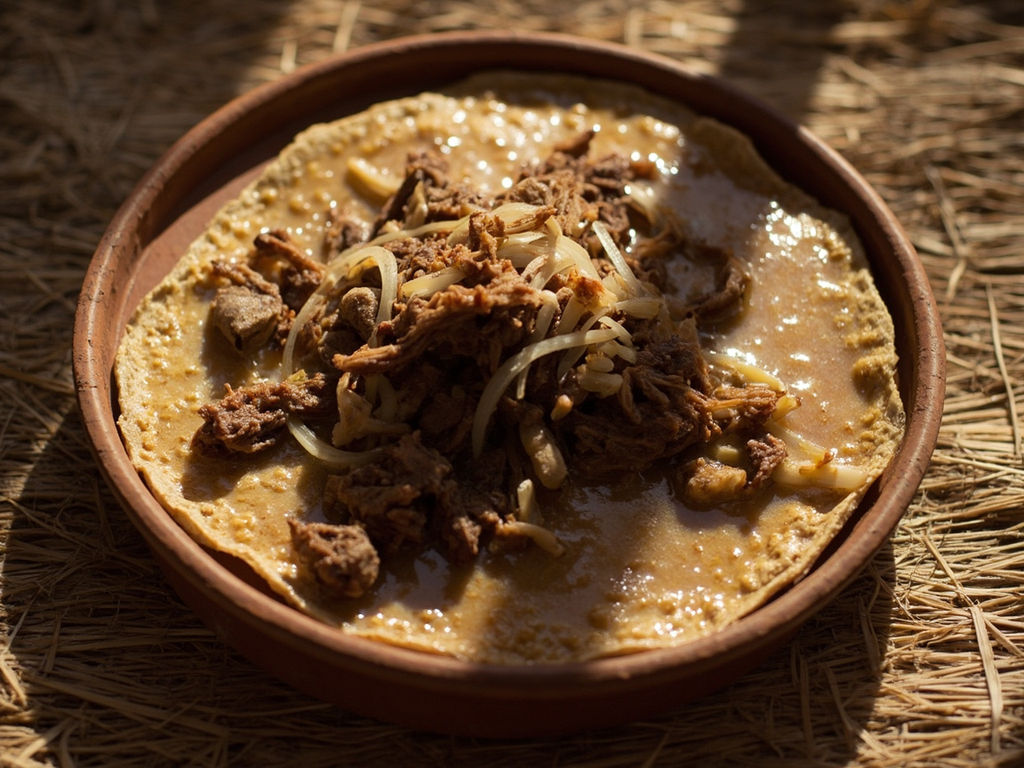
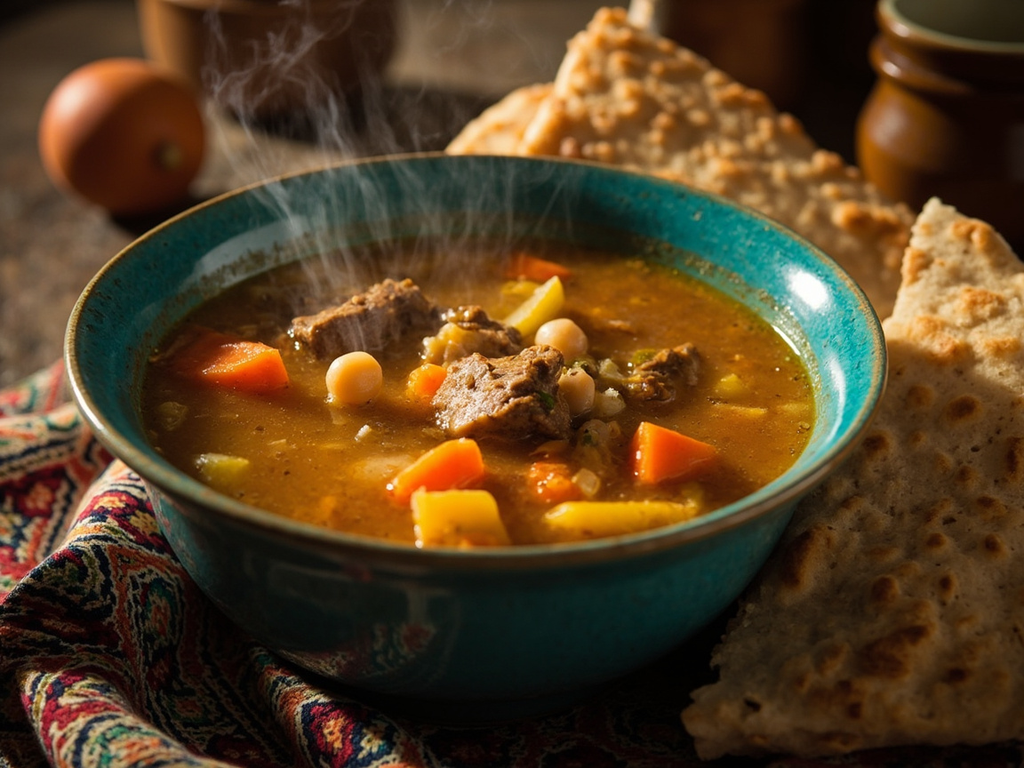
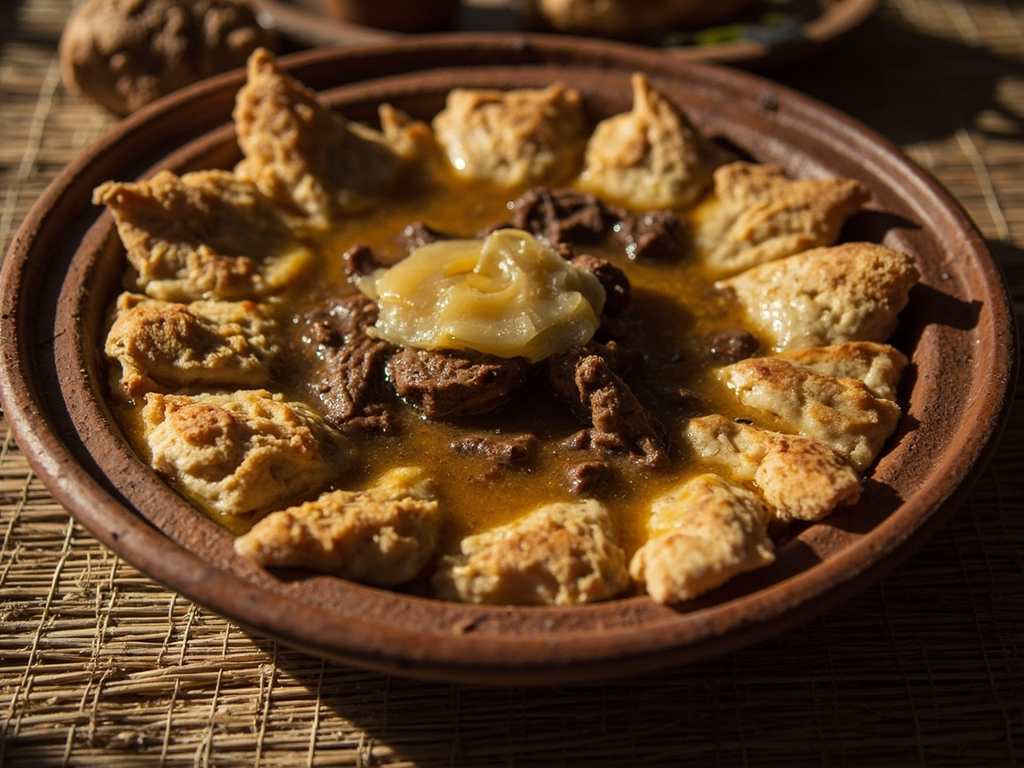
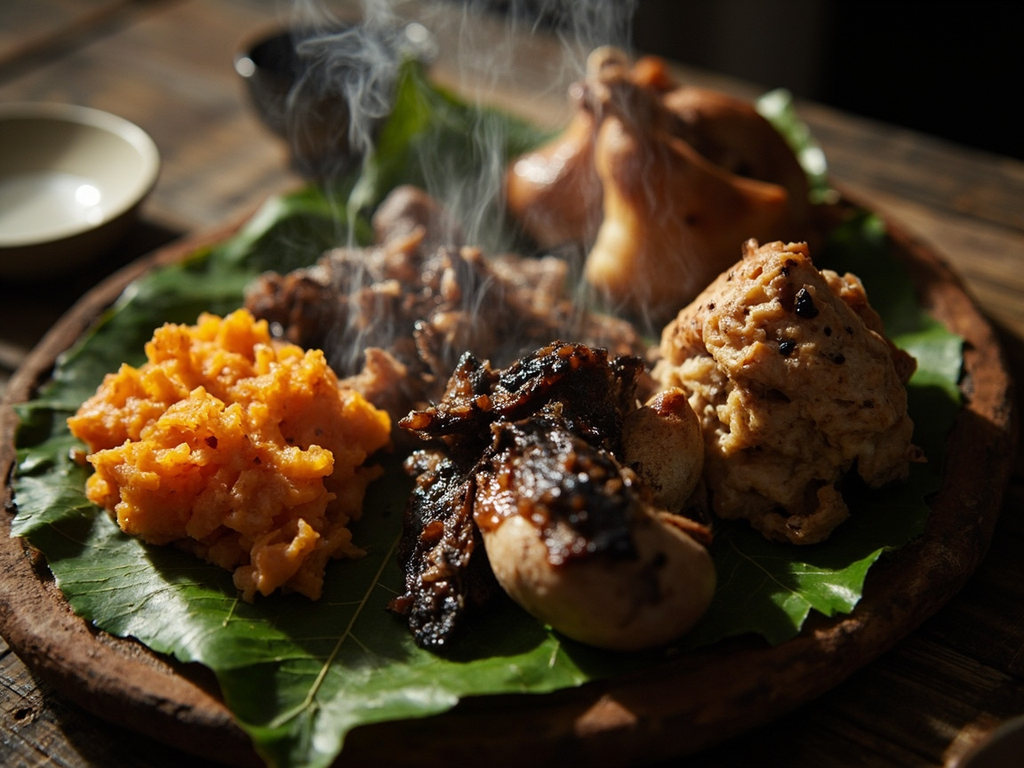
The great Māori feast: kumara, lake eels, and forest birds cook together underground on a bed of hot stones, in a steam perfumed with green leaves. A slow cooking that brings together all the flavors of the lake and forest in one steaming dish.
Approach, and do not fear the smoke rising from the earth. When I had crossed the dark waters of Rotorua and warmed my limbs in the spring of Waikimihia, this was the meal prepared to celebrate Tutanekai and me. See how the men roll the reddened stones into the bottom of the pit; we lay the kumara, the fat lake eel, and the bird taken from the forest, wrapped in fresh leaves. Then we sprinkle water, cover with earth, and wait while singing: the captive steam does the rest, and the earth itself becomes our cooking pot.
- •Kumara (sweet potato, attested before European arrival) — one basket (staple starch)
- •Lake eel (tuna) — several, gutted (fatty, umami flesh)
- •Forest birds (kererū, other manu) — according to catch (festive meat)
- •Fern root (aruhe) — a few roots (nourishing supplement)
- •Volcanic stones — a whole hearth (heat source)
- •Fresh green leaves — full armfuls (wrapping and fragrant steam)
Lake Hāngī — kumara, eel, and birds steamed in the earth
The great Māori feast: kumara, lake eels, and forest birds cook together underground on a bed of hot stones, in a steam perfumed with green leaves. A slow cooking that brings together all the flavors of the lake and forest in one steaming dish.
Why this dish? On Mokoia Island, where Hinemoa swam to join Tutanekai, they prepared the hāngī of great reunions. It is the meal of the gathered clan, shared when love or peace triumphs over prohibitions — exactly the spirit of its legend.
Approach, and do not fear the smoke rising from the earth. When I had crossed the dark waters of Rotorua and warmed my limbs in the spring of Waikimihia, this was the meal prepared to celebrate Tutanekai and me. See how the men roll the reddened stones into the bottom of the pit; we lay the kumara, the fat lake eel, and the bird taken from the forest, wrapped in fresh leaves. Then we sprinkle water, cover with earth, and wait while singing: the captive steam does the rest, and the earth itself becomes our cooking pot.
Ingredients (period version)
- Kumara (sweet potato, attested before European arrival) — one basket (staple starch)
- Lake eel (tuna) — several, gutted (fatty, umami flesh)
- Forest birds (kererū, other manu) — according to catch (festive meat)
- Fern root (aruhe) — a few roots (nourishing supplement)
- Volcanic stones — a whole hearth (heat source)
- Fresh green leaves — full armfuls (wrapping and fragrant steam)
Ingredients
- Sweet potatoes (kumara if possible) — 1 kg, in large chunks (staple starch)
- Smoked eel or mackerel fillets (or salmon as substitute) — 500 g (fatty, umami flesh)
- Chicken or duck thighs (substitute for birds) — 4 (festive meat)
- Green cabbage or banana leaves — 1 pack (wrapping for steam)
- Water — 1 cup (generates steam)
- Sea salt — 1 tsp (seasoning)
Method
- Preheat the oven to 160 °C (gentle cooking that mimics earth steam).
- Line a large Dutch oven with cabbage or banana leaves.
- Place sweet potato chunks at the bottom, then poultry thighs, and finally eel (or fish) on top; season with salt.
- Pour in the water, cover with more leaves, then seal tightly with the lid.
- Bake for 1.5 to 2 hours, until everything is tender and infused with the vegetal aroma.
- Serve directly from the pot, placed in the center of the table, for everyone to help themselves — as in the hākari.
How it was made : The authentic hāngī is made in a pit (umu) where stones are heated until white-hot. Food placed on the stones, covered with leaves and then earth, cooks slowly in its own steam for several hours. The technique is still alive in New Zealand today.
The contemporary twist : Arranged on a large smoked wooden board with a few green leaves underneath, the 'oven hāngī' retains all its sharing spirit without digging up the garden.
Sources : Elsdon Best, Forest Lore of the Maori (1942) · Sir George Grey, Polynesian Mythology (1855) — legend of Hinemoa and Tutanekai
Hinemoa · Charactorium