 flip
flipLongjing Green Tea Brewed in a Glass (龙井茶, lóngjǐngchá)
Longjing Green Tea Brewed in a Glass (龙井茶, lóngjǐngchá)
Why this dish? Tea is the silent companion of the chess player: it occupies the hands during reflection, hydrates without weighing down, and supports concentration over games lasting several hours. Longjing, China's great green tea, is the most emblematic of the country — a cup placed near the chessboard is almost a cliché image of Chinese chess.
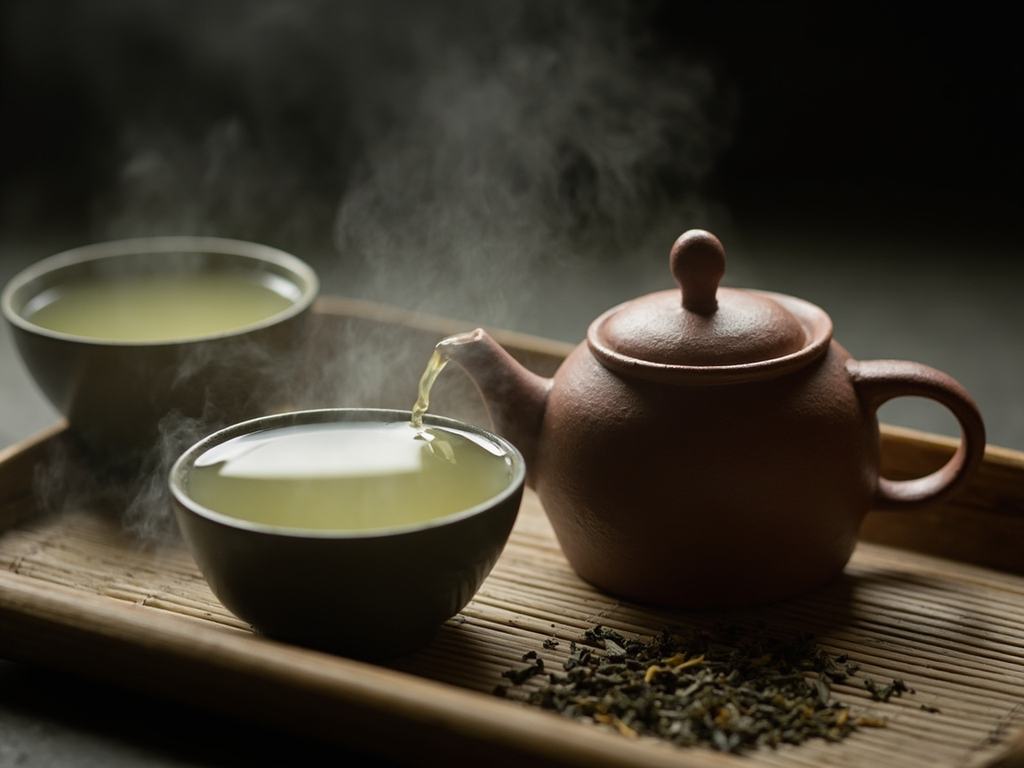
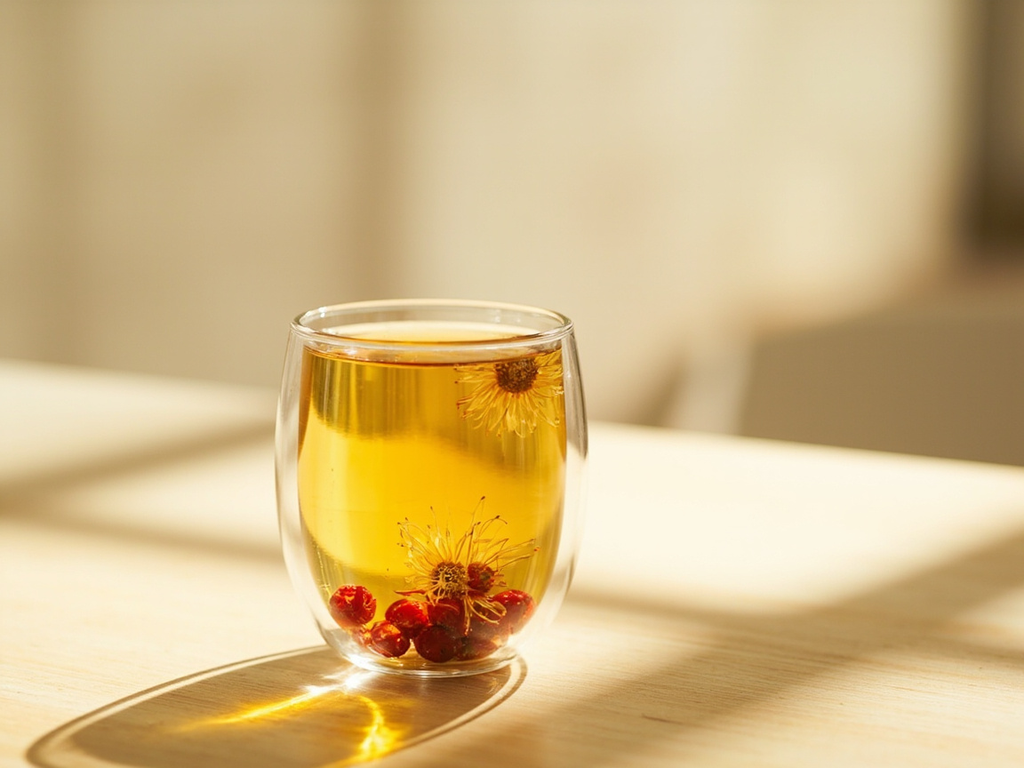
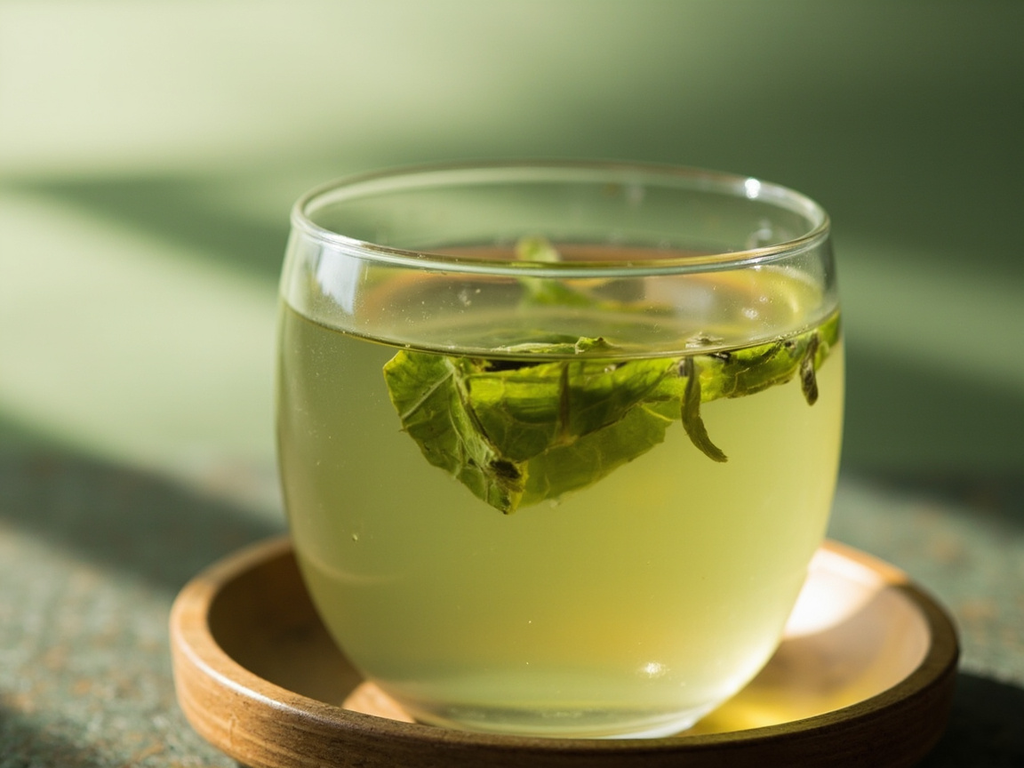
Flat Longjing green tea leaves infused directly in a glass, without a filter, in water not too hot. The yellow-green liquor is mild, grassy, with a noble bitterness and a round umami (the "freshness" of the tea). Sipped slowly, with hot water added to the same leaves.
During a game, my hands need something to do and my mind needs a thread to hold onto: a glass of tea does both. You don't drown it in boiling water — that burns the leaves and makes it too bitter; you let the water cool a bit first. The Longjing leaves dance and slowly sink to the bottom, and as long as there's color, I top up with hot water. A game is three or four glasses on the same leaves — and the time to think between sips.
- •Longjing green tea (flat leaves) — a pinch (infusion)
- •Spring water — a glass (base, ideally slightly cooled)
Longjing Green Tea Brewed in a Glass (龙井茶, lóngjǐngchá)
Flat Longjing green tea leaves infused directly in a glass, without a filter, in water not too hot. The yellow-green liquor is mild, grassy, with a noble bitterness and a round umami (the "freshness" of the tea). Sipped slowly, with hot water added to the same leaves.
Why this dish? Tea is the silent companion of the chess player: it occupies the hands during reflection, hydrates without weighing down, and supports concentration over games lasting several hours. Longjing, China's great green tea, is the most emblematic of the country — a cup placed near the chessboard is almost a cliché image of Chinese chess.
During a game, my hands need something to do and my mind needs a thread to hold onto: a glass of tea does both. You don't drown it in boiling water — that burns the leaves and makes it too bitter; you let the water cool a bit first. The Longjing leaves dance and slowly sink to the bottom, and as long as there's color, I top up with hot water. A game is three or four glasses on the same leaves — and the time to think between sips.
Ingredients (period version)
- Longjing green tea (flat leaves) — a pinch (infusion)
- Spring water — a glass (base, ideally slightly cooled)
Ingredients
- Longjing green tea (or other quality Chinese green tea) — 3 g (1 heaped tsp) (infusion)
- Filtered water at ~80 °C — 200 ml (gentle infusion without burnt bitterness)
Method
- Boil water then let it cool to about 80 °C (1-2 min off the heat): boiling water would "cook" the leaves.
- Place the leaves at the bottom of a clear glass.
- First pour a little water to moisten the leaves, swirl, then fill the glass.
- Let the leaves open and sink for 1-2 min; drink leaving the leaves at the bottom.
- Replenish with hot water 2 to 3 times on the same leaves as long as the liquor remains fragrant.
How it was made : Longjing ("Dragon Well"), from the Hangzhou area, is one of China's most renowned green teas, appreciated by scholars and offered at official meetings. The direct infusion in a glass, without a teapot, is the traditional way to enjoy fine green teas and admire the leaves dancing.
The contemporary twist : A thermos of Longjing placed at the edge of the chessboard: the most Chinese and most zen accessory of the tournament player.
Hou Yifan · Charactorium