 flip
flipDal Tadka and Basmati Rice (dal-chawal)
Dal Tadka and Basmati Rice (dal-chawal)
Why this dish? This is the meal every night, from Delhi to Mumbai: soft lentils and rice, what every household in the North puts on the table when the day is done. For a filmmaker returning late from an editing session, dal-chawal is no-fuss comfort, the dish that asks nothing of you.
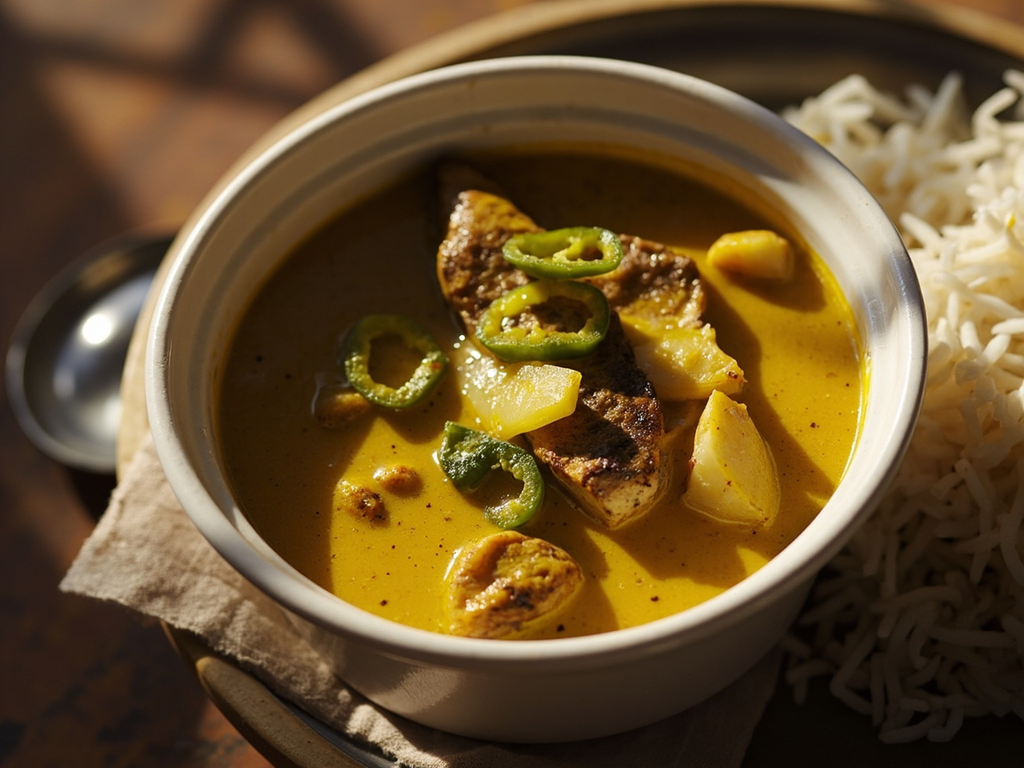
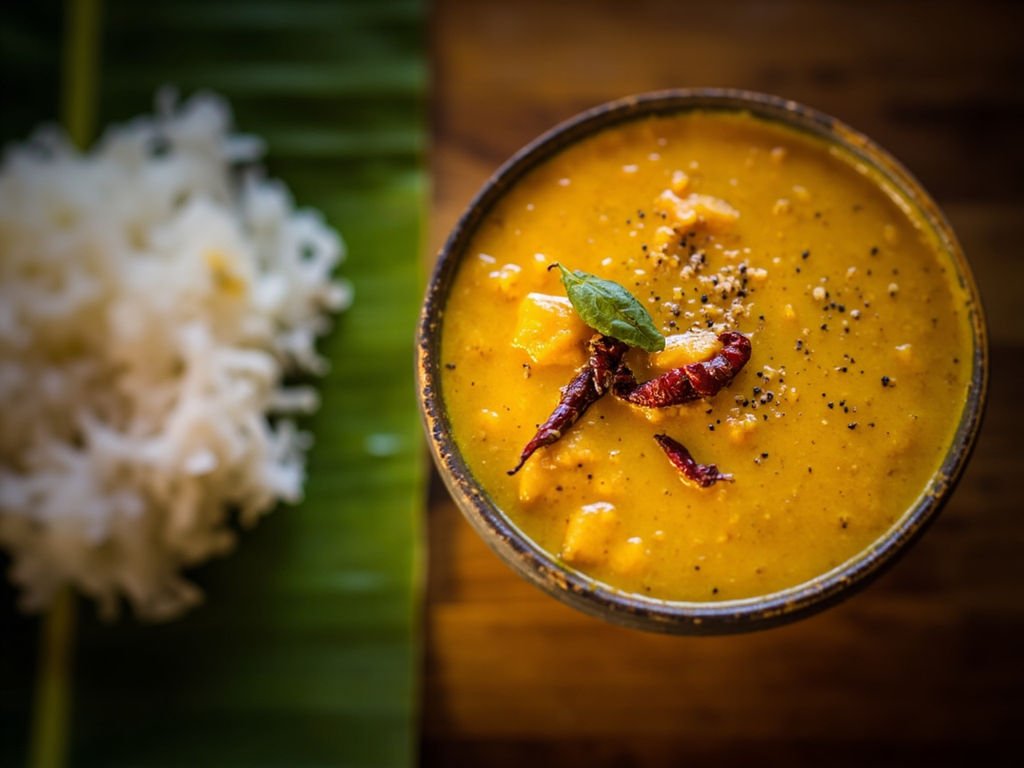
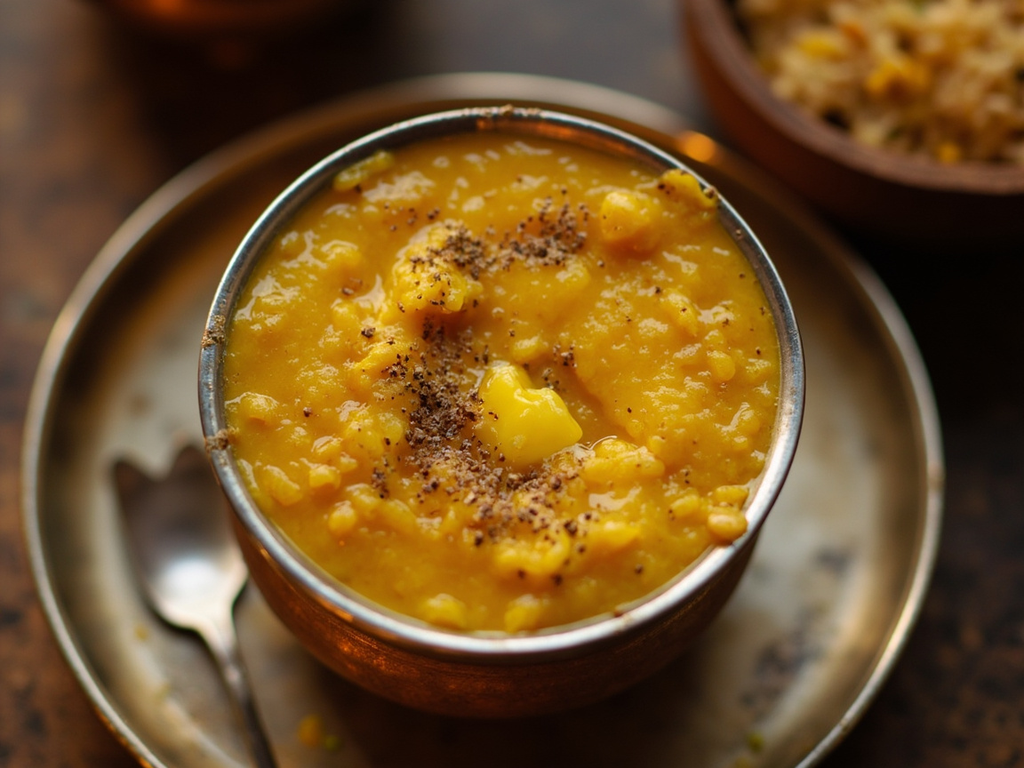
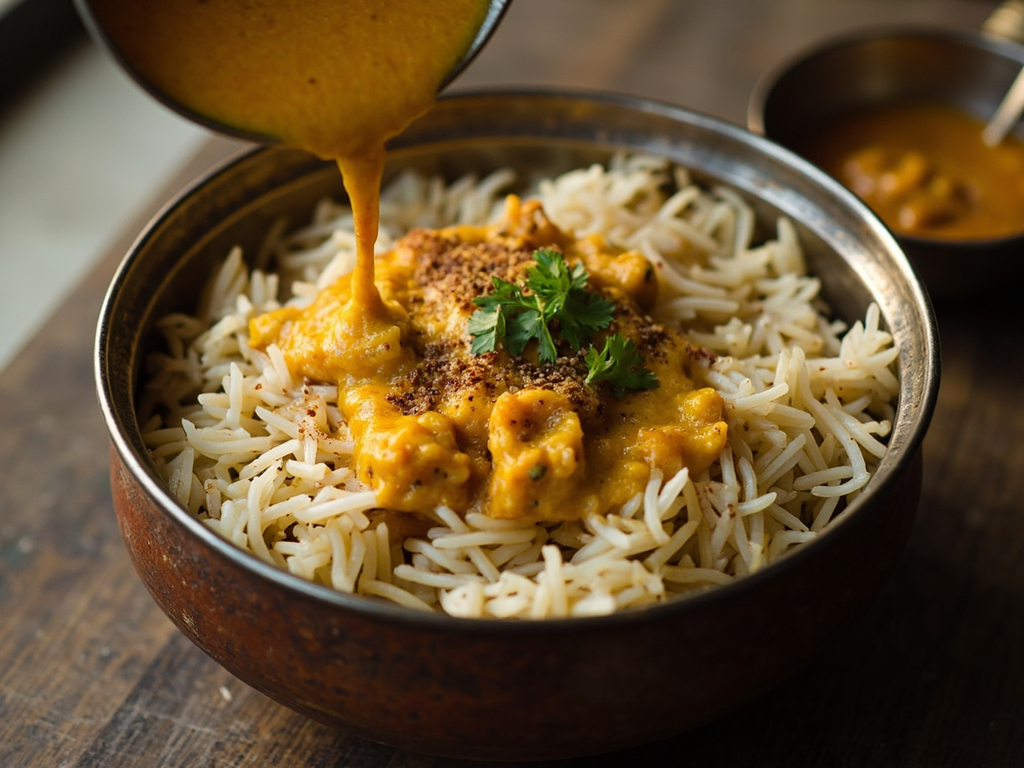
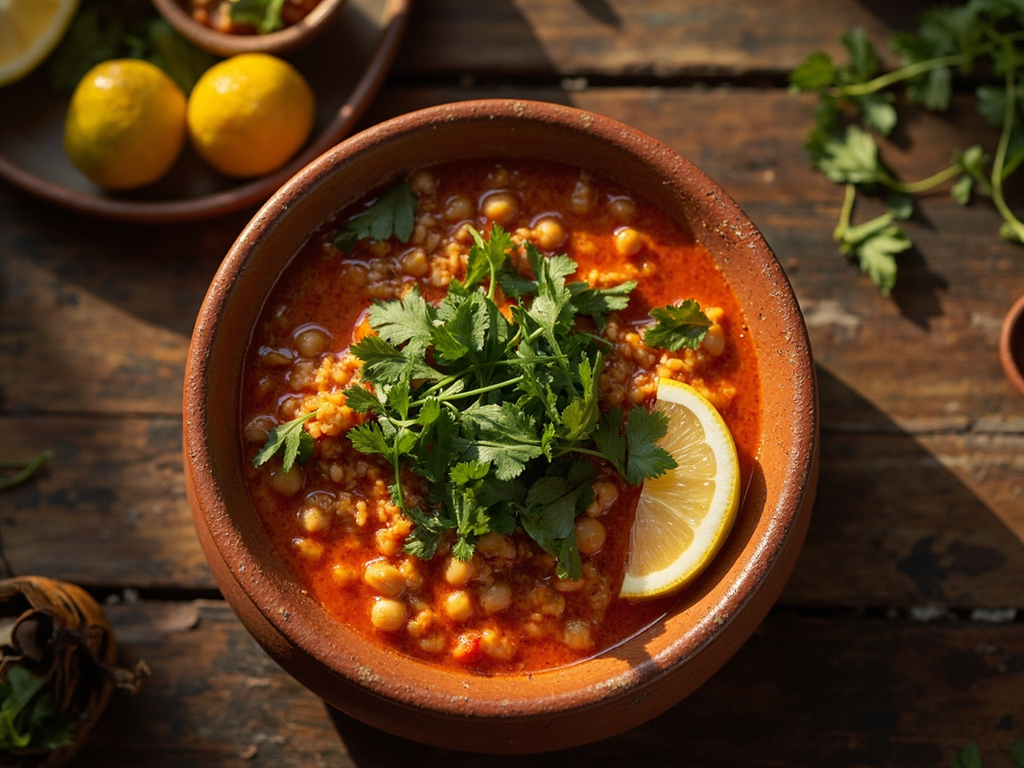
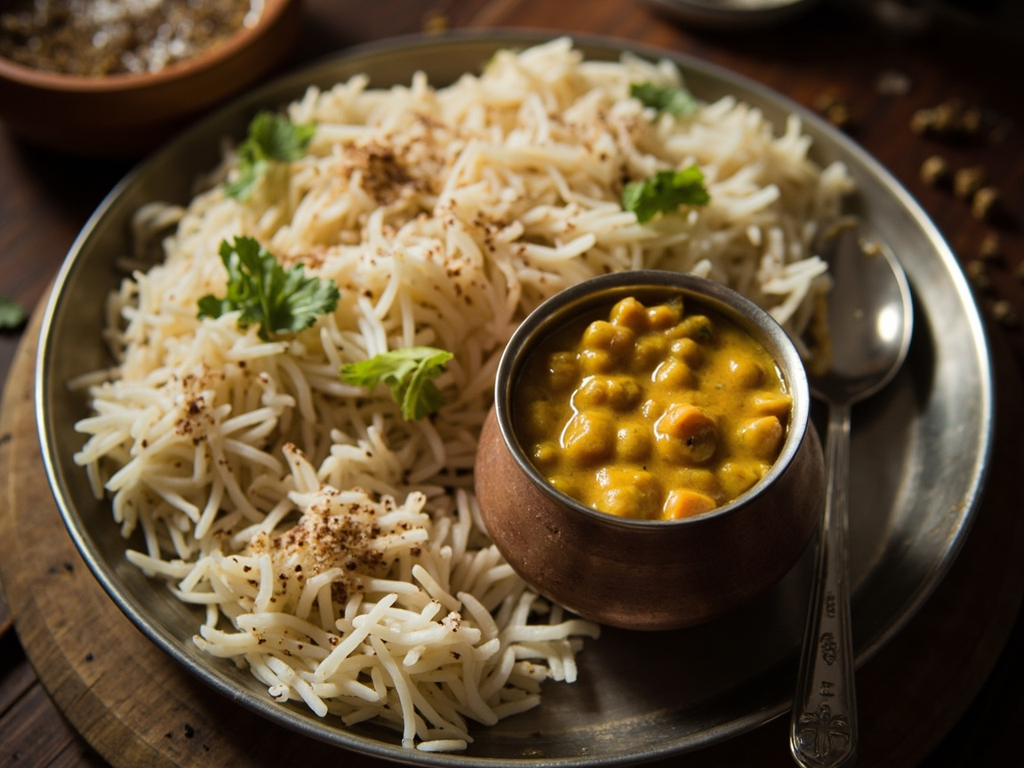
Lentils cooked until they dissolve into velvet, awakened by a chhonk of ghee, cumin, and golden garlic, served over long, fragrant basmati rice. The quintessential home-cooked dish of northern India.
You know, I can be shooting in the far reaches of Kashmir or lost on a road in Punjab, and I always come back to this bowl of dal. My mother used to say lentils don't like to be rushed: you let them melt slowly, like a story that takes its time. The secret is the tadka you pour at the very end — the sizzling ghee, the crackling cumin, and suddenly the whole kitchen smells like home. Eat it with warm rice, no fork, with your fingers; that's when it truly feels like home.
- •Red lentils (masoor) or toor dal — a large bowl (protein base)
- •Fresh or powdered turmeric — a generous pinch (color and earthiness)
- •Ghee — a few spoonfuls (fat for tadka)
- •Cumin seeds — one spoonful (chhonk spice)
- •Garlic and ginger — to taste (aromatics)
- •Asafoetida (hing) — a pinch (roundness, digestion)
- •Basmati rice — as needed (accompaniment)
Dal Tadka and Basmati Rice (dal-chawal)
Lentils cooked until they dissolve into velvet, awakened by a chhonk of ghee, cumin, and golden garlic, served over long, fragrant basmati rice. The quintessential home-cooked dish of northern India.
Why this dish? This is the meal every night, from Delhi to Mumbai: soft lentils and rice, what every household in the North puts on the table when the day is done. For a filmmaker returning late from an editing session, dal-chawal is no-fuss comfort, the dish that asks nothing of you.
You know, I can be shooting in the far reaches of Kashmir or lost on a road in Punjab, and I always come back to this bowl of dal. My mother used to say lentils don't like to be rushed: you let them melt slowly, like a story that takes its time. The secret is the tadka you pour at the very end — the sizzling ghee, the crackling cumin, and suddenly the whole kitchen smells like home. Eat it with warm rice, no fork, with your fingers; that's when it truly feels like home.
Ingredients (period version)
- Red lentils (masoor) or toor dal — a large bowl (protein base)
- Fresh or powdered turmeric — a generous pinch (color and earthiness)
- Ghee — a few spoonfuls (fat for tadka)
- Cumin seeds — one spoonful (chhonk spice)
- Garlic and ginger — to taste (aromatics)
- Asafoetida (hing) — a pinch (roundness, digestion)
- Basmati rice — as needed (accompaniment)
Ingredients
- Red lentils (masoor dal) — 200 g (base)
- Turmeric powder — 1/2 tsp (color)
- Ghee (or clarified butter) — 3 tbsp (tadka)
- Cumin seeds — 1 tsp (tadka)
- Garlic — 3 cloves, sliced (aromatic)
- Fresh ginger — 1 piece (2 cm), grated (aromatic)
- Asafoetida — 1 pinch (flavor)
- Tomato — 1, crushed (acidity (modern touch))
- Fresh coriander — 1 handful (finish)
- Basmati rice — 250 g (accompaniment)
Method
- Rinse the lentils, cover with water, add turmeric and a little salt, bring to a simmer and cook for 20-25 minutes until they break down. Whisk to a velvety consistency.
- Cook the basmati rice in salted water, then fluff with a fork.
- Prepare the chhonk: heat ghee, crackle the cumin seeds, add asafoetida, garlic, and ginger, then the tomato, until the garlic is golden and fragrant.
- Pour this hot tadka over the lentils, stir, and garnish with coriander.
- Serve the dal over or alongside the rice in a bowl.
How it was made : Dal-chawal has been a staple across North India for centuries: every family has its preferred lentil and its own tadka. In the past, spices were ground in a stone mortar (sil-batta) and cooking was done over wood or dried cow-dung fires, which gave the dal a subtle smoky note.
The contemporary twist : A squeeze of lime juice and a sprinkle of coriander just before serving; as a nod to cinema, serve it in an old stacked tiffin carrier, like those taken to film sets.
Imtiaz Ali · Charactorium