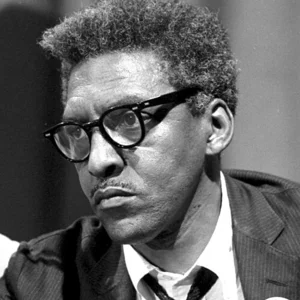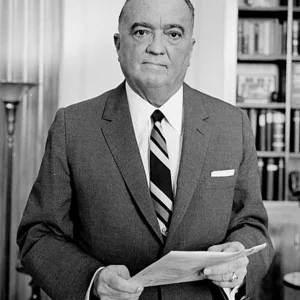

J. Edgar Hoover was the first director of the Federal Bureau of Investigation (FBI), which he led from 1924 until his death in 1972. A powerful and controversial figure, he modernized the American federal police while conducting intrusive political surveillance of numerous citizens and activists.
J. Edgar Hoover(1895 — 1972)
J. Edgar Hoover
États-Unis
6 min read
Frequently asked questions
Key Facts
- Appointed director of the Bureau of Investigation in 1924, which became the FBI in 1935
- Led the FBI without interruption for 48 years, until his death in 1972
- Launched the federal crackdown on organized crime in the 1930s (Dillinger, Prohibition-era gangsters)
- Established the COINTELPRO program (1956–1971) to surveil and destabilize political activists, including Martin Luther King
- Placed singer Billie Holiday under surveillance, partly because of her song 'Strange Fruit' denouncing lynchings
Works & Achievements
Hoover transformed a corrupt bureau into a professional agency, recruiting qualified agents and imposing rigorous discipline.
He centralized millions of fingerprints at the national level, making the FBI a world reference in criminal identification.
Hoover founded one of the first forensic science laboratories, dedicated to the ballistic, chemical, and documentary analysis of evidence.
He created a training center for police officers from across the country, spreading modern and standardized investigation methods.
Hoover staged the hunt for famous gangsters like Dillinger or “Baby Face” Nelson, forging the heroic myth of the G-men.
Best-selling book in which Hoover denounces the communist threat in the United States, contributing to the climate of fear of the Cold War.
Secret program of surveillance and destabilization targeting political activists, civil rights movements, and opponents, revealed after his death.
Anecdotes
At 29, in 1924, Hoover took charge of the Bureau of Investigation (which would become the FBI in 1935). He remained in this position for 48 years, under eight different presidents, from Calvin Coolidge to Richard Nixon, becoming one of the most powerful and feared officials in the United States.
Obsessed with record-keeping, Hoover built a vast archive system. He had millions of fingerprints centralized and, in 1932, created a scientific police laboratory, one of the first in the world, to analyze evidence, ballistics, and documents.
In the 1930s, Hoover launched a major media campaign against the gangsters of Prohibition. His agents, nicknamed the “G-men” (Government men), hunted down famous criminals such as John Dillinger, gunned down in 1934 outside a Chicago movie theater.
In the 1950s and 1960s, Hoover used the FBI to spy on civil rights activists. He had Martin Luther King wiretapped and tried to discredit him, wrongly believing the movement to be infiltrated by communists.
Hoover was so powerful that even presidents hesitated to dismiss him, fearing the secret files he was rumored to have compiled on them. When he died in 1972, his body lay in state at the Capitol, a rare honor reserved for the most eminent figures.
Primary Sources
The purpose of this new counterintelligence endeavor is to expose, disrupt, misdirect, discredit, and otherwise neutralize the activities of black nationalist organizations and their leaders.
Communism, in reality, is not a political party. It is a way of life, a deadly and contagious disease that threatens the entire world.
King, there is only one thing left for you to do. You know what it is. You have exactly 34 days in which to do it.
Too many people have been spied upon by too many government agencies, and too much information has been collected about them.
Key Places
Hoover's birthplace, where he lived and worked his entire life. As the federal capital, it is home to the FBI headquarters and the institutions of American power.
The Department of Justice building in Washington where Hoover ran the Bureau for decades. The new headquarters, completed in 1975, now bears his name.
The university in Washington where Hoover earned a law degree in 1916 while working at the Library of Congress.
The stage for clashes between the FBI and the gangsters of the Prohibition era. It was here that John Dillinger was gunned down by federal agents in 1934.
A historic cemetery in Washington where Hoover was buried in 1972. He rests there near his family.
Typical Objects

Cardboard card bearing the prints of all ten fingers, filed in the FBI's central registry. Hoover made it the key tool of modern criminal identification.
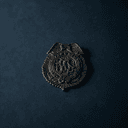
Official insignia of the federal agents, a symbol of the agency's authority. It identified the “G-men” during arrests and searches.
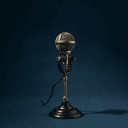
A surveillance device used to secretly record conversations. Hoover used it on a massive scale, sometimes illegally, against activists and opponents.

An archive folder holding secret information on public figures, activists or politicians. These files were the source of Hoover's power and of the fear he inspired.
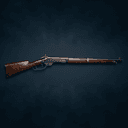
The iconic automatic weapon of the Prohibition years, used by gangsters and federal agents alike. The “Tommy gun” symbolizes the fight against organized crime.

An indispensable office tool for drafting the FBI's countless reports, memoranda and files. It embodies the meticulous bureaucracy that Hoover imposed.
School Curriculum
Vocabulary & Tags
Key Vocabulary
Tags
Daily Life
Morning
Hoover rose early and arrived at the FBI headquarters in Washington by early morning. He began by reading the overnight reports from his agents and combed meticulously through the press to monitor his agency's image.
Afternoon
The afternoon was devoted to meetings, signing countless memorandums, and overseeing ongoing investigations. A stickler for order, he annotated documents personally and sent back any that contained the slightest mistake.
Evening
In the evening, Hoover often dined at a restaurant or club in the company of Clyde Tolson, his deputy and inseparable friend. He enjoyed following horse racing and would sometimes visit the racetracks.
Food
Hoover enjoyed the classic American fare of Washington's restaurants, steaks and hearty dishes. Mindful of his weight in his later years, he occasionally followed strict diets imposed by his doctor.
Clothing
Always impeccable, Hoover wore well-cut dark suits, a white shirt, and a tie. He demanded the same strict attire from his agents, making the dark suit the FBI's unofficial uniform.
Housing
A bachelor all his life, he lived for a long time with his mother and then, after her death, in a comfortable house in Washington. His home was decorated with mementos, trophies, and objects tied to his career.
Historical Timeline
Period Vocabulary
Liens externes & ressources
Références
Œuvres
Réorganisation et modernisation du FBI
1924-1935
Création du fichier central d'empreintes digitales
1924
Laboratoire scientifique du FBI
1932
Académie nationale du FBI
1935
Campagne contre les « ennemis publics »
1933-1936
« Masters of Deceit »
1958
COINTELPRO
1956-1971