 flip
flipSpruce Beer from a Port Call, Antiscorbutic Decoction
Spruce Beer from a Port Call, Antiscorbutic Decoction
Why this dish? During stops in wooded lands—such as Lituya Bay in Alaska or the coasts of Kamchatka—sailors brewed a beer from conifer needles, rich in vitamin C, to fight scurvy. Cook had praised it, and Enlightenment expeditions imitated him.
A lightly fermented beverage made from conifer needles, molasses, and water. Bitter and resinous, strongly antiscorbutic, brewed ashore when they called at forested regions.
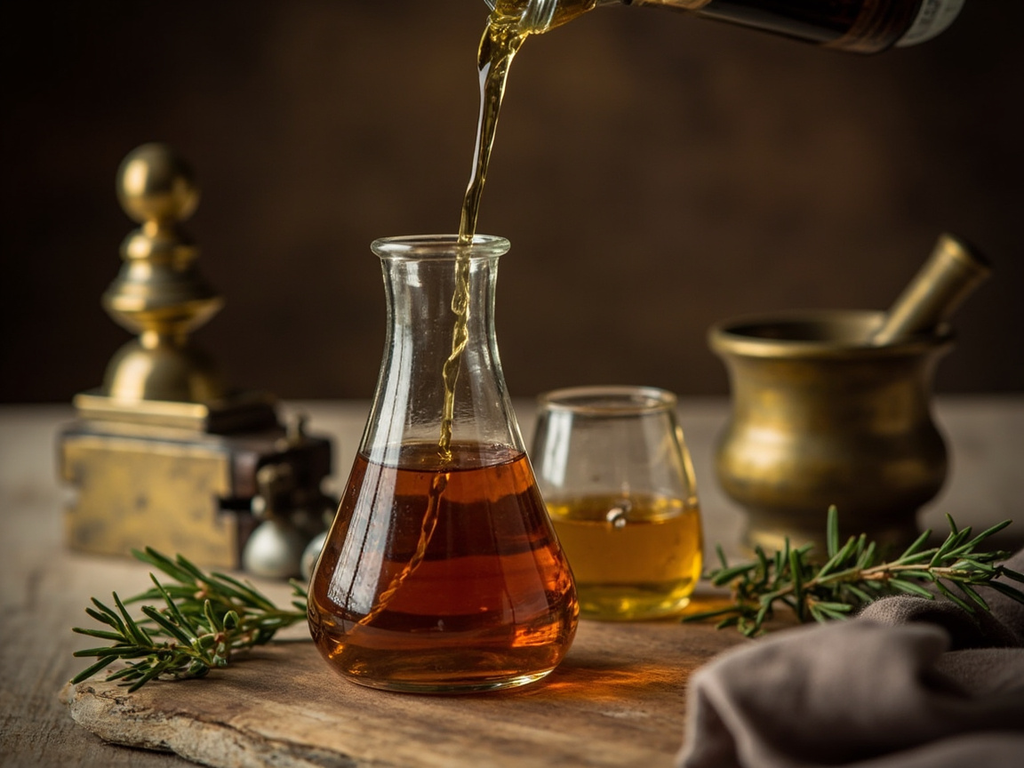
When we anchored in those wild bays surrounded by immense forests, I sent men to cut young fir shoots. They are boiled at length, molasses is mixed in, a little leaven, and the liquor is left to work for a few days in a barrel. It smells of resin and is very harsh, I grant you; but Captain Cook praised its merits, and I have never scorned a remedy that keeps my men on their feet. At sea, today's bitterness saves tomorrow's life.
- •Young spruce or fir shoots — a good armful (antiscorbutic, bitterness)
- •Molasses (or sugar) — a pot (sugar for fermentation)
- •Water — a small barrel (base)
- •Brewer's yeast — a little (fermentation)
Spruce Beer from a Port Call, Antiscorbutic Decoction
A lightly fermented beverage made from conifer needles, molasses, and water. Bitter and resinous, strongly antiscorbutic, brewed ashore when they called at forested regions.
Why this dish? During stops in wooded lands—such as Lituya Bay in Alaska or the coasts of Kamchatka—sailors brewed a beer from conifer needles, rich in vitamin C, to fight scurvy. Cook had praised it, and Enlightenment expeditions imitated him.
When we anchored in those wild bays surrounded by immense forests, I sent men to cut young fir shoots. They are boiled at length, molasses is mixed in, a little leaven, and the liquor is left to work for a few days in a barrel. It smells of resin and is very harsh, I grant you; but Captain Cook praised its merits, and I have never scorned a remedy that keeps my men on their feet. At sea, today's bitterness saves tomorrow's life.
Ingredients (period version)
- Young spruce or fir shoots — a good armful (antiscorbutic, bitterness)
- Molasses (or sugar) — a pot (sugar for fermentation)
- Water — a small barrel (base)
- Brewer's yeast — a little (fermentation)
Ingredients
- Young edible spruce tips (in spring) — 2 large handfuls (flavor, vitamin C)
- Molasses — 150 g (sugar for fermentation)
- Water — 2 L (base)
- Brewer's or baker's yeast — 1/2 tsp (light fermentation)
- Lemon juice — 1 (acidity, freshness)
Method
- Identify with certainty an edible conifer (spruce/fir Abies)—avoid yew, toxic; if in doubt, abstain.
- Boil the shoots in water for 20 minutes, then strain the decoction.
- Dissolve the molasses in the still-warm liquid; let cool to lukewarm.
- Add the yeast and lemon juice; cover with a cloth.
- Let ferment for 2 to 3 days at room temperature (very low alcohol drink).
- Strain and serve chilled; keep refrigerated and consume quickly.
How it was made : 'Spruce beer' was a famous antiscorbutic of 18th-century exploration, praised by Cook who brewed it at every wooded stop. Conifer needles are rich in vitamin C, making it an empirically effective remedy long before science explained scurvy. Fermentation was short and alcohol very low.
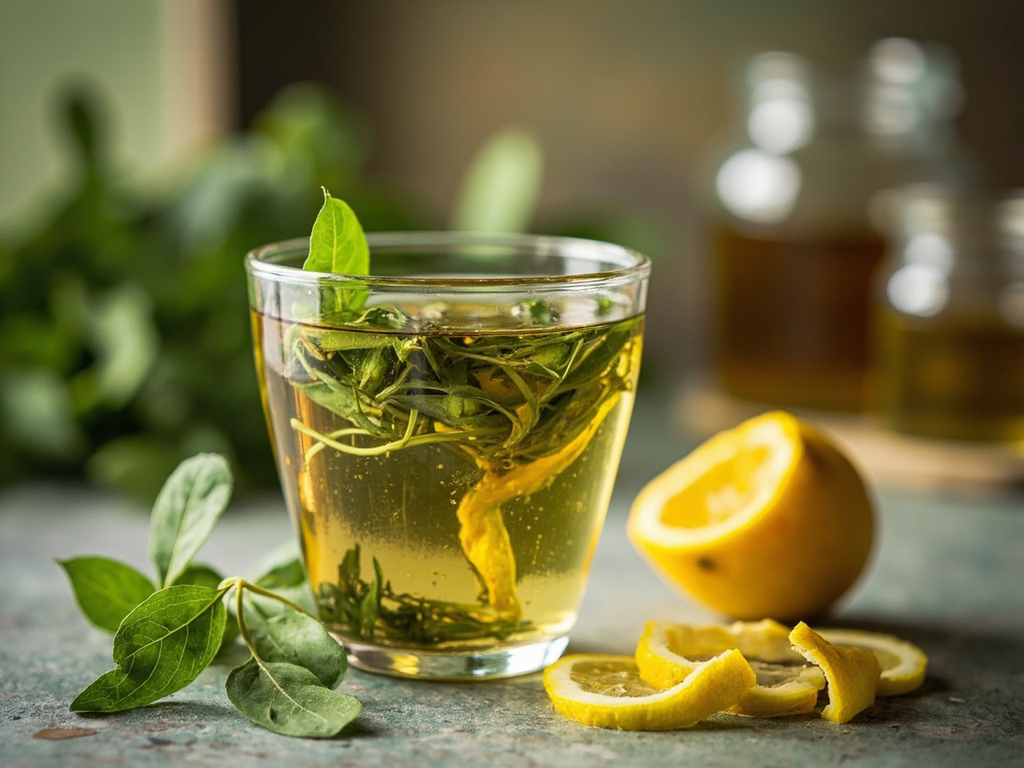
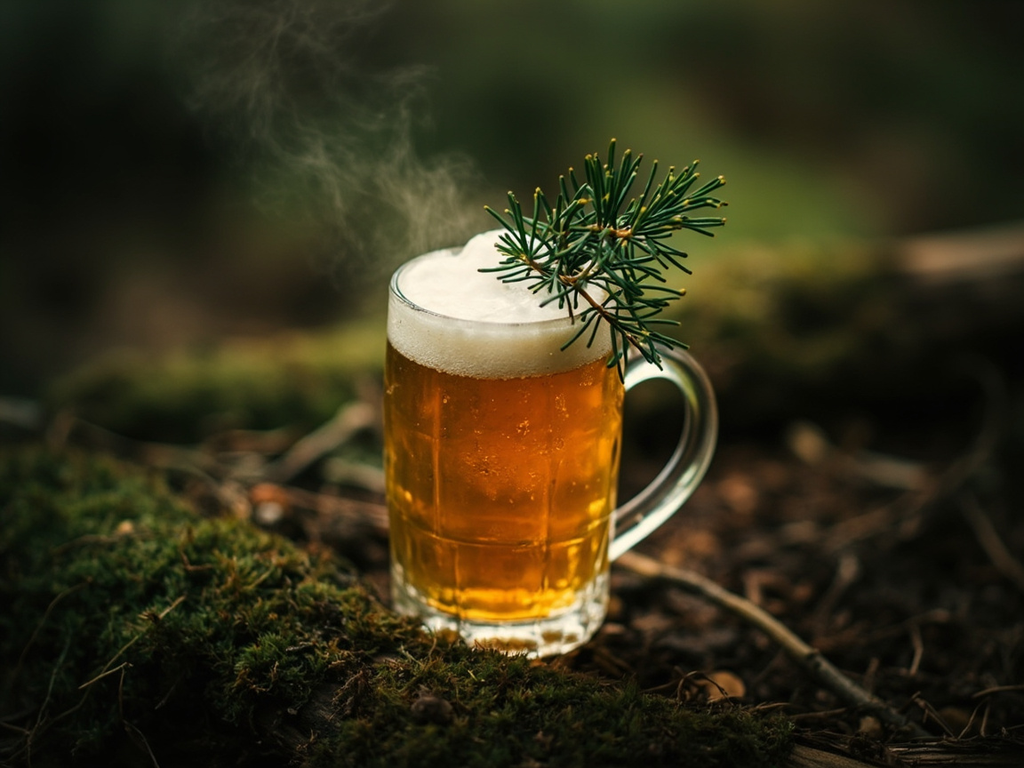
The contemporary twist : Serve ice-cold in a stoneware mug with a young spruce sprig placed on top, like a 'forest beer'—the distant ancestor of today's resinous craft sodas.
Jean-François de La Pérouse · Charactorium