 flip
flipTokaji aszú (Tokaj sweet wine, for the toast)
Tokaji aszú (Tokaj sweet wine, for the toast)
Why this dish? National Hungarian pride nicknamed "the wine of kings, the king of wines," Tokaji is THE wine a Hungarian host serves to honor guests. At von Neumann's receptions, raising a glass of this golden nectar was to bring a piece of Hungary to Princeton.
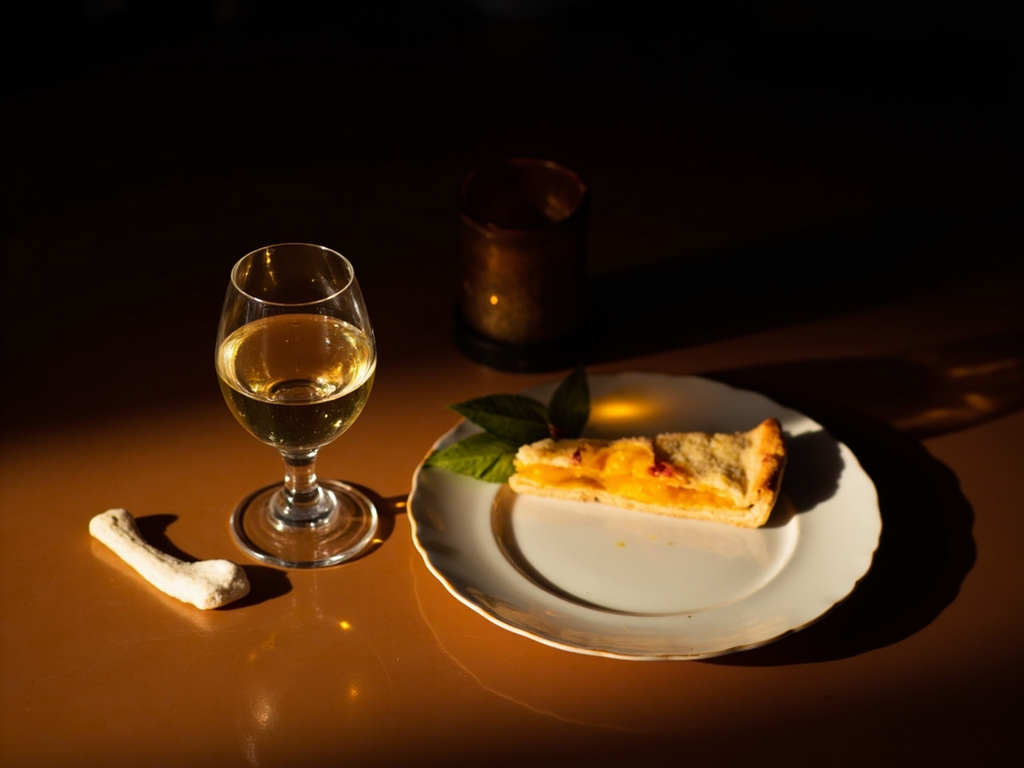
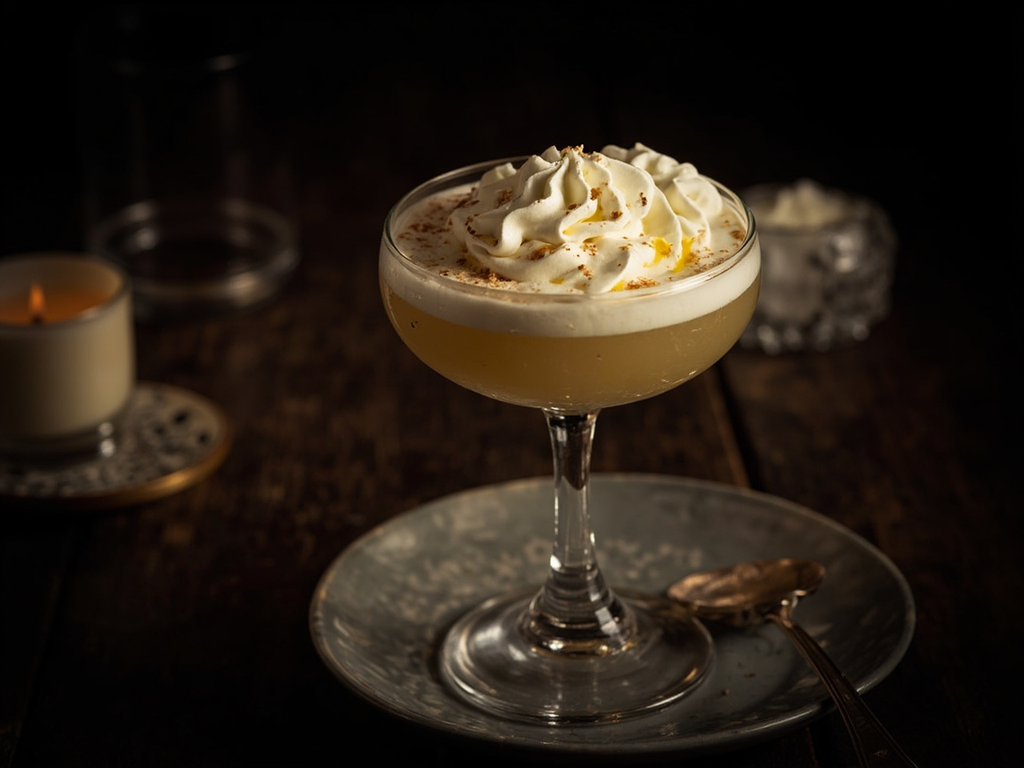
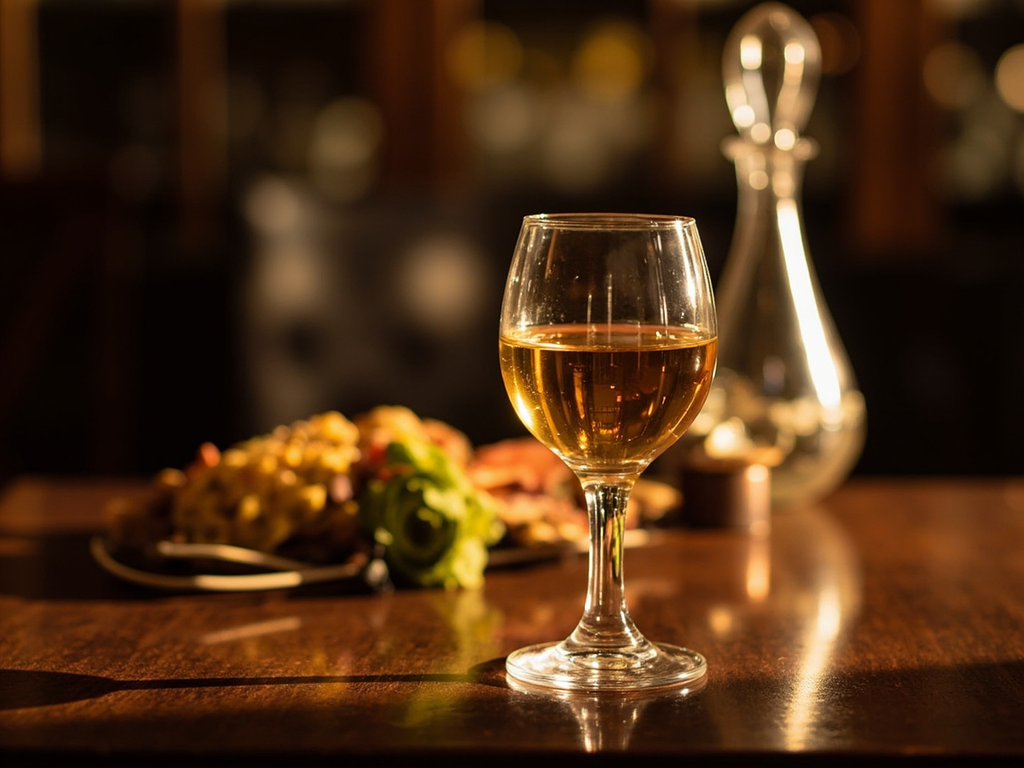
A golden liqueur wine made from grapes affected by noble rot. Rich, honeyed, balanced by lively acidity, served chilled in small glasses at the end of a meal or for a toast. (For adults only; younger ones can toast with grape juice.)
Allow me to raise my glass. This golden nectar is Tokaji — we say the wine of kings and the king of wines, and for once the phrase doesn't exaggerate. It's made from shriveled grapes, almost rotten on the vine, and from this apparent decay comes a prodigious honeyed sweetness: nature solves a problem there that no engineer would have dared to pose. At table, I would pour only a finger, in a small glass, to salute a friend or celebrate a new idea. Egészségedre! — to your health, as they say in Budapest.
- •Furmint and Hárslevelű grapes affected by noble rot (aszú) — selectively harvested berry by berry (concentrated sweet material)
- •Must or base wine — according to the measure of baskets (puttony) (maceration medium)
Tokaji aszú (Tokaj sweet wine, for the toast)
A golden liqueur wine made from grapes affected by noble rot. Rich, honeyed, balanced by lively acidity, served chilled in small glasses at the end of a meal or for a toast. (For adults only; younger ones can toast with grape juice.)
Why this dish? National Hungarian pride nicknamed "the wine of kings, the king of wines," Tokaji is THE wine a Hungarian host serves to honor guests. At von Neumann's receptions, raising a glass of this golden nectar was to bring a piece of Hungary to Princeton.
Allow me to raise my glass. This golden nectar is Tokaji — we say the wine of kings and the king of wines, and for once the phrase doesn't exaggerate. It's made from shriveled grapes, almost rotten on the vine, and from this apparent decay comes a prodigious honeyed sweetness: nature solves a problem there that no engineer would have dared to pose. At table, I would pour only a finger, in a small glass, to salute a friend or celebrate a new idea. Egészségedre! — to your health, as they say in Budapest.
Ingredients (period version)
- Furmint and Hárslevelű grapes affected by noble rot (aszú) — selectively harvested berry by berry (concentrated sweet material)
- Must or base wine — according to the measure of baskets (puttony) (maceration medium)
Ingredients
- Tokaji aszú wine (commercial bottle) — 1 bottle of 50 cl (to serve)
- Ice cubes (for the bucket, not in the glass) — as needed (chilled service)
- Non-alcoholic alternative: white grape juice + lemon zest — to taste (family-friendly option)
Method
- Chill the bottle to 10-12 °C (ice bucket or refrigerator for 1 hour), without freezing.
- Serve a small amount (5-6 cl) in sweet wine glasses, at the end of the meal.
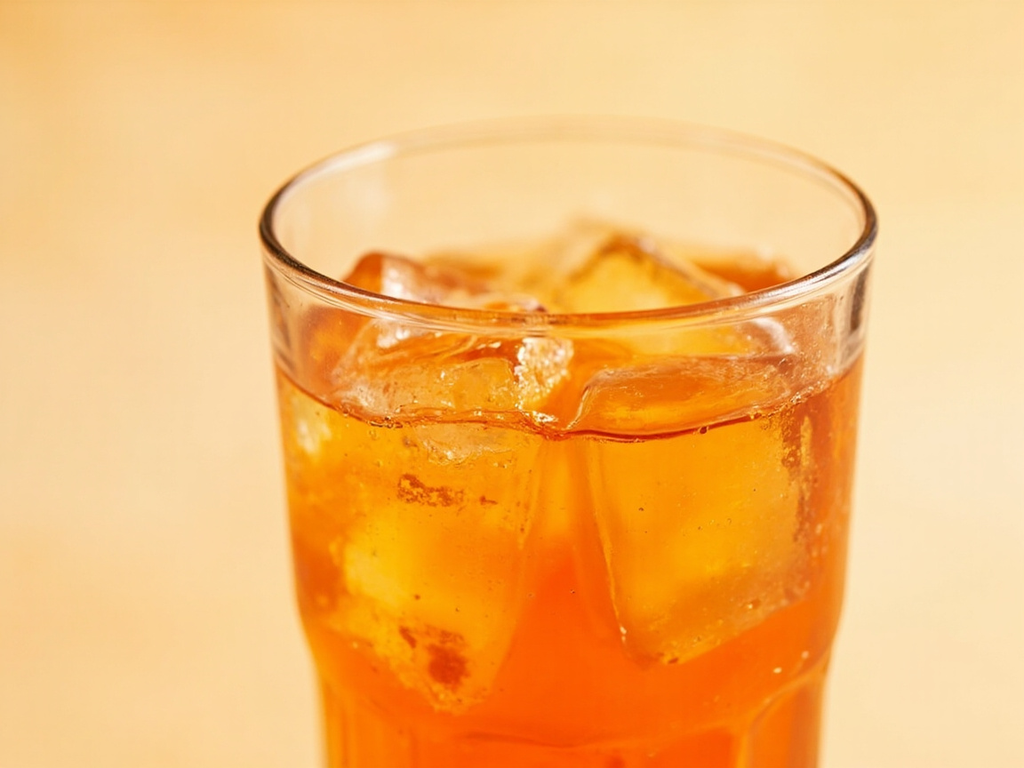
- Observe the golden color and aromas of honey and apricot before tasting.
- For a family toast, replace with white grape juice enhanced with a lemon zest, served well chilled in the same small glasses.
How it was made : Tokaji aszú has been produced in the Tokaj region since the 17th century; it is among the world's first noble rot wines. The sugar concentration was traditionally measured in puttony (baskets of shriveled grapes added to the must). A prestige wine of European courts, it was the viticultural pride of von Neumann's native Hungary.
The contemporary twist : Pair a small glass of Tokaji with a slice of Dobos: the bitter caramel and honeyed wine respond beautifully to each other.
Sources : Hugh Johnson, The World Atlas of Wine (on Tokaj) · Histoire documentée du vignoble de Tokaj
John von Neumann · Charactorium