 flip
flipPoi Taro — fermented taro paste
Poi Taro — fermented taro paste
Why this dish? Fermenting taro into poi was a vital preservation technique for sea voyages. For a crossing as long as Kupe's from Hawaiki to Aotearoa, this compact, nutritious fermented paste was an emergency reserve when dried fish and fresh water ran short. It is literally the food that enabled the colonization of the Pacific.
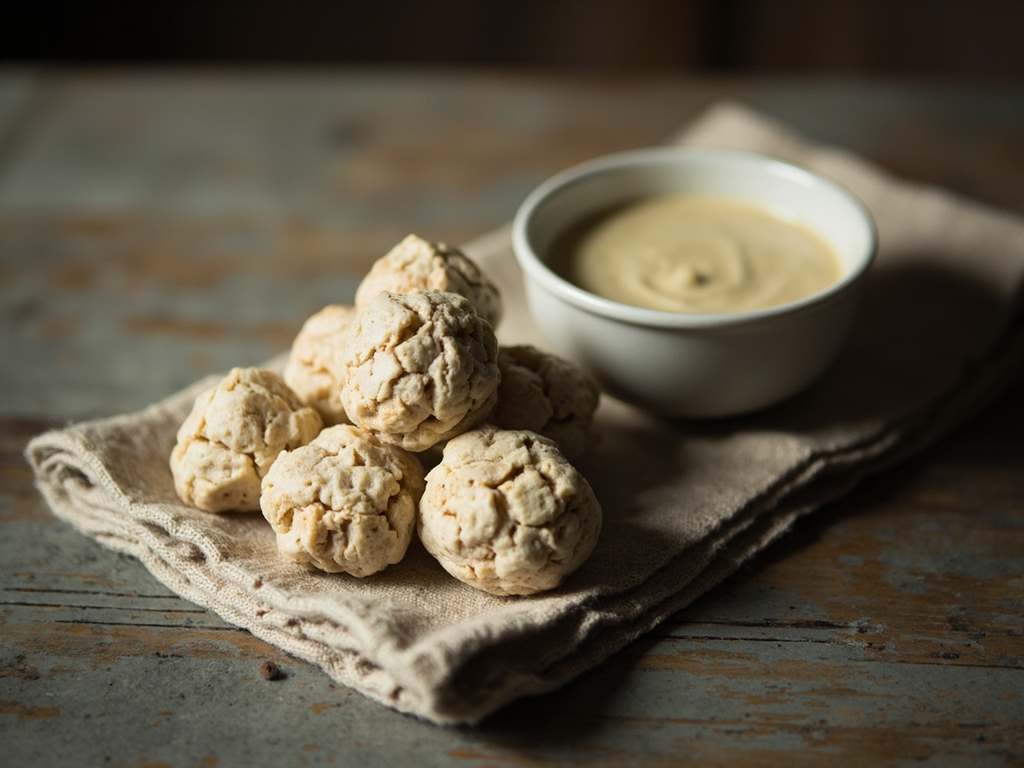
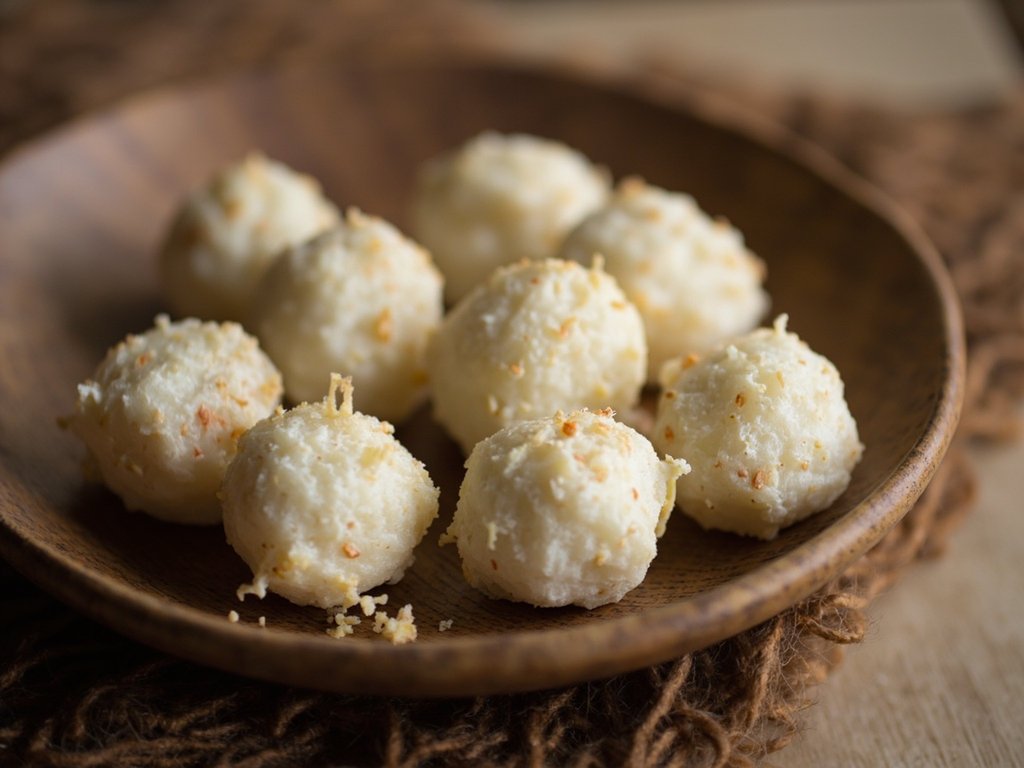
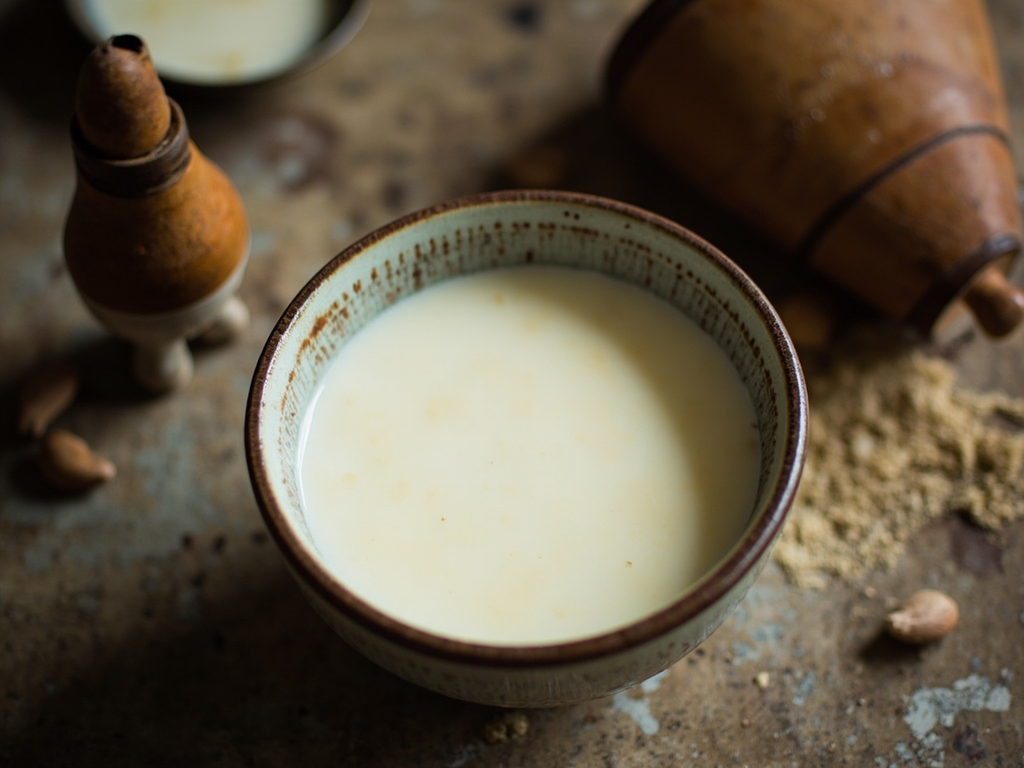
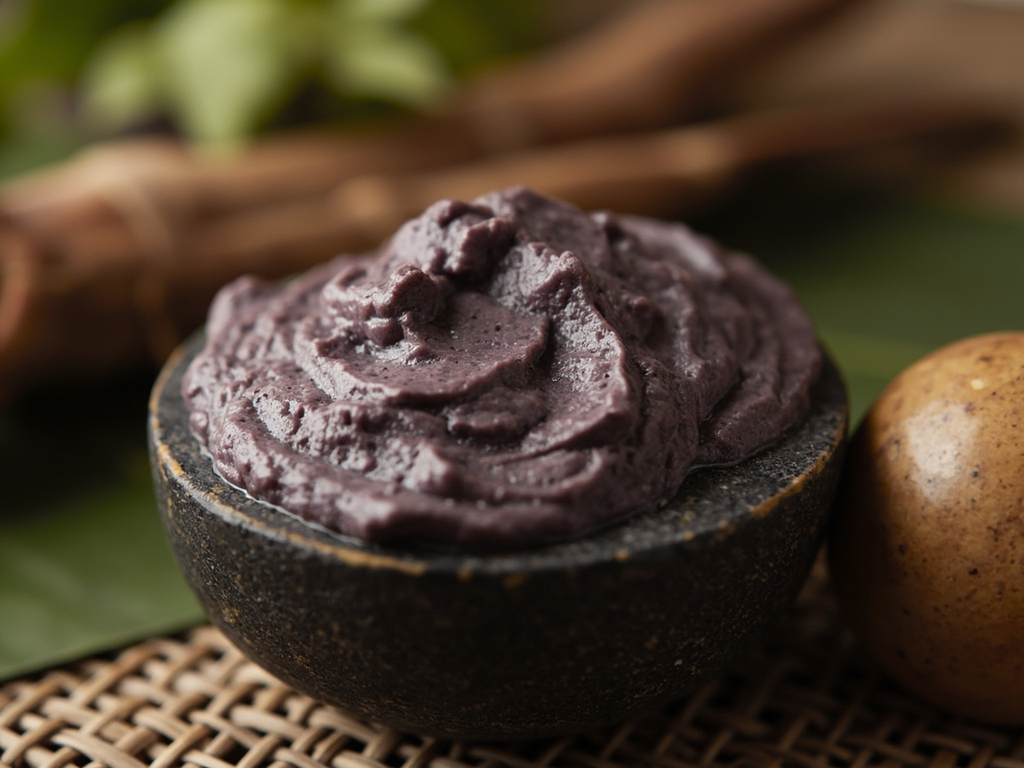
A thick, smooth paste made by cooking taro then pounding it for a long time, left to ferment naturally for one to several days. Fermentation gives it a characteristic tangy flavor and greatly extends its shelf life. Eaten plain or accompanied by fish.
Poi is the wisdom of the ancestors turned into paste. Before the waka left the shores of Hawaiki, the taro was cooked in the umu, then the women pounded it on the great flat stone, long, long, until it became smooth as the lagoon surface in the morning. It was wrapped tightly in ti leaves and left for time to do its work. After two days, three days, the poi turns sour — and that is when it is good, that is when it lasts. On the waka, when there is nothing else, poi keeps you standing.
- •Taro cooked in the umu — Several large roots (Starchy base)
- •Fresh water — A little (Adjust texture)
Poi Taro — fermented taro paste
A thick, smooth paste made by cooking taro then pounding it for a long time, left to ferment naturally for one to several days. Fermentation gives it a characteristic tangy flavor and greatly extends its shelf life. Eaten plain or accompanied by fish.
Why this dish? Fermenting taro into poi was a vital preservation technique for sea voyages. For a crossing as long as Kupe's from Hawaiki to Aotearoa, this compact, nutritious fermented paste was an emergency reserve when dried fish and fresh water ran short. It is literally the food that enabled the colonization of the Pacific.
Poi is the wisdom of the ancestors turned into paste. Before the waka left the shores of Hawaiki, the taro was cooked in the umu, then the women pounded it on the great flat stone, long, long, until it became smooth as the lagoon surface in the morning. It was wrapped tightly in ti leaves and left for time to do its work. After two days, three days, the poi turns sour — and that is when it is good, that is when it lasts. On the waka, when there is nothing else, poi keeps you standing.
Ingredients (period version)
- Taro cooked in the umu — Several large roots (Starchy base)
- Fresh water — A little (Adjust texture)
Ingredients
- Fresh taro — 1 kg (Base)
- Filtered water — 100-200 ml (Adjust consistency)
Method
- Peel taro and cut into large chunks. Steam or boil in water for 30 to 40 minutes until very tender (falls apart with a fork).
- Drain and, while still hot, mash with a pestle in a mortar (or in a food processor using pulse mode). Gradually add a drizzle of water while mashing to obtain a smooth, thick, elastic paste.
- For a fresh version (sweet poi): serve immediately, plain or with fish.
- For the traditional fermented version: place the paste in a container covered with a clean cloth and let ferment at room temperature for 1 to 3 days. The paste will become slightly sour — this is the sign that fermentation has occurred.
- Taste each day: at 1 day the flavor is sweet-sour, at 3 days it is distinctly tangy. Serve at the desired consistency and acidity.
How it was made : Taro poi (distinct from the more liquid Hawaiian poi) was a preserved preparation widespread in Polynesia. Pounding cooked taro on large stone slabs (*papa ku'i 'ai*) was rhythmic communal work. Natural lactic fermentation allowed the paste to keep for several weeks in tropical conditions — a decisive advantage for open-ocean voyages. Archaeological remains of taro-pounding stones have been found throughout Polynesia.
The contemporary twist : Serve quenelles of fresh poi on a small slate plate, with a drizzle of coconut cream and a few crumbles of dried fish — between tradition and tapas.
Sources : Pollock, Nancy J. “These Roots Remain: Food Habits in Islands of the Central and Eastern Pacific since Western Contact”. University of Hawaii Press, 1992. · Kirch, Patrick V. “On the Road of the Winds: An Archaeological History of the Pacific Islands”. University of California Press, 2000.
Kupe · Charactorium