 flip
flipHypocras
Hypocras
Why this dish? At the end of royal banquets, hypocras was served—a sweet, spiced wine that closed the meal and aided digestion. Although Louis IX, out of temperance, always diluted his own wine with water, this prestigious drink honored the ambassadors and great lords received at his court—a showcase of Capetian refinement.
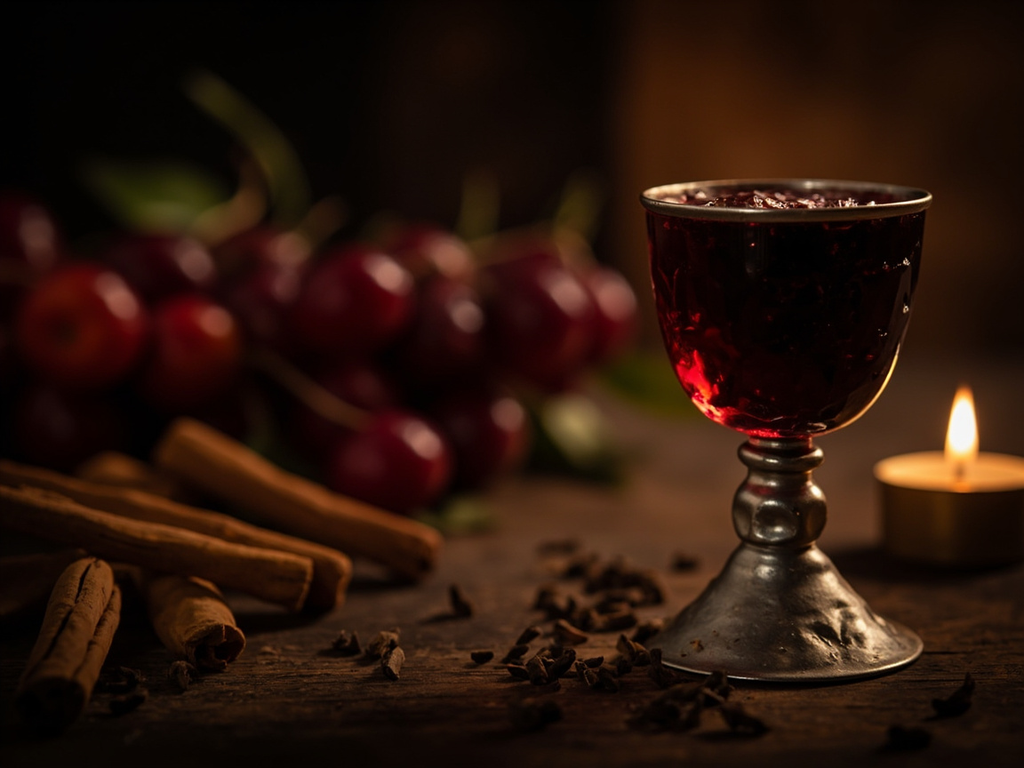
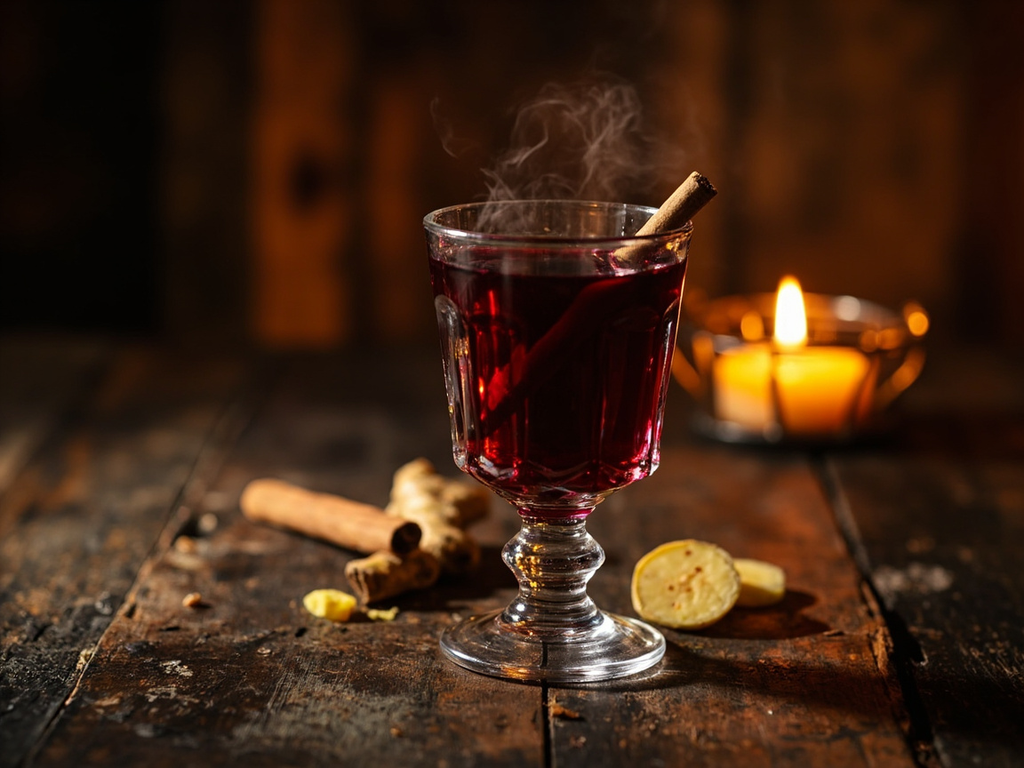
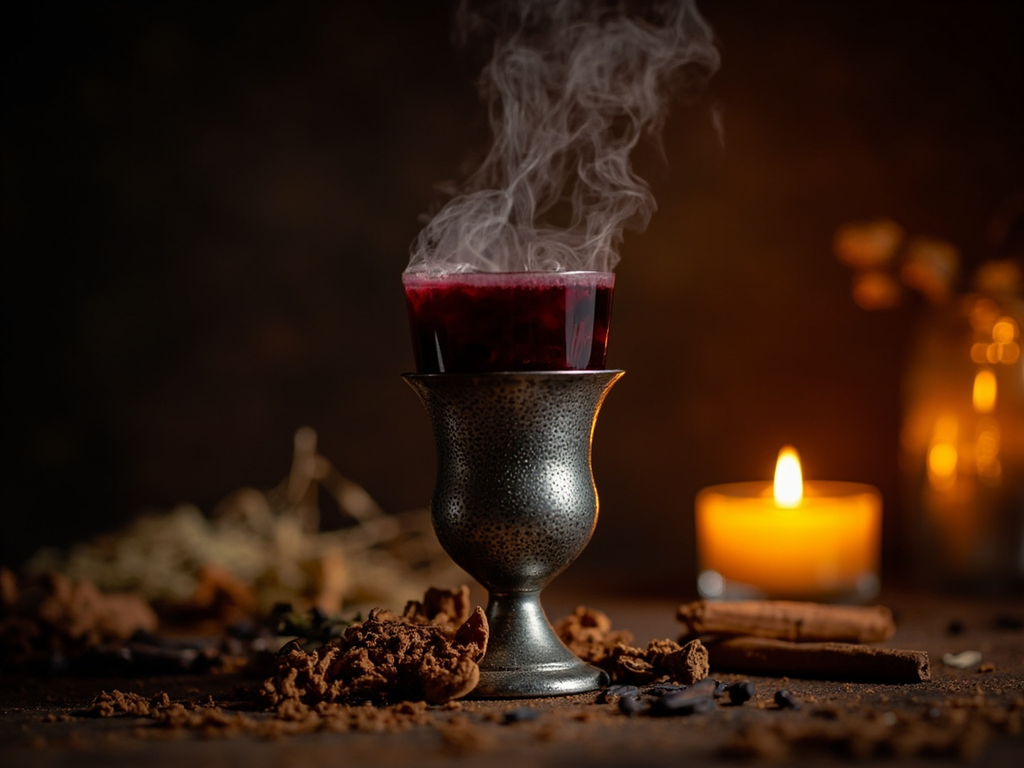
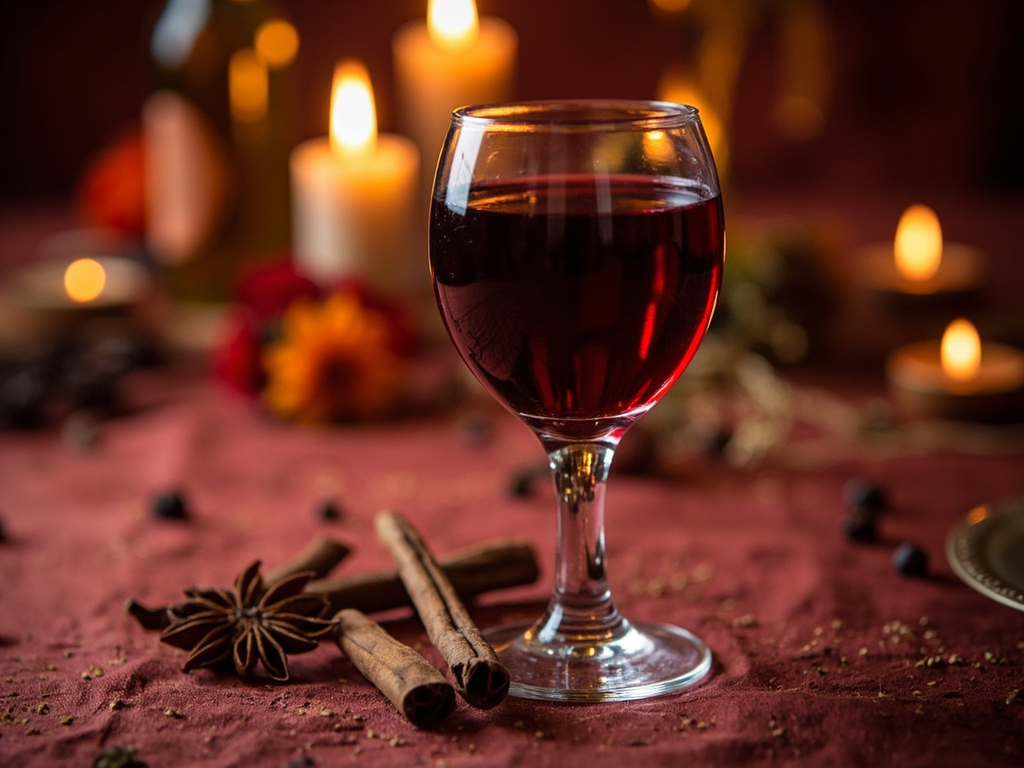
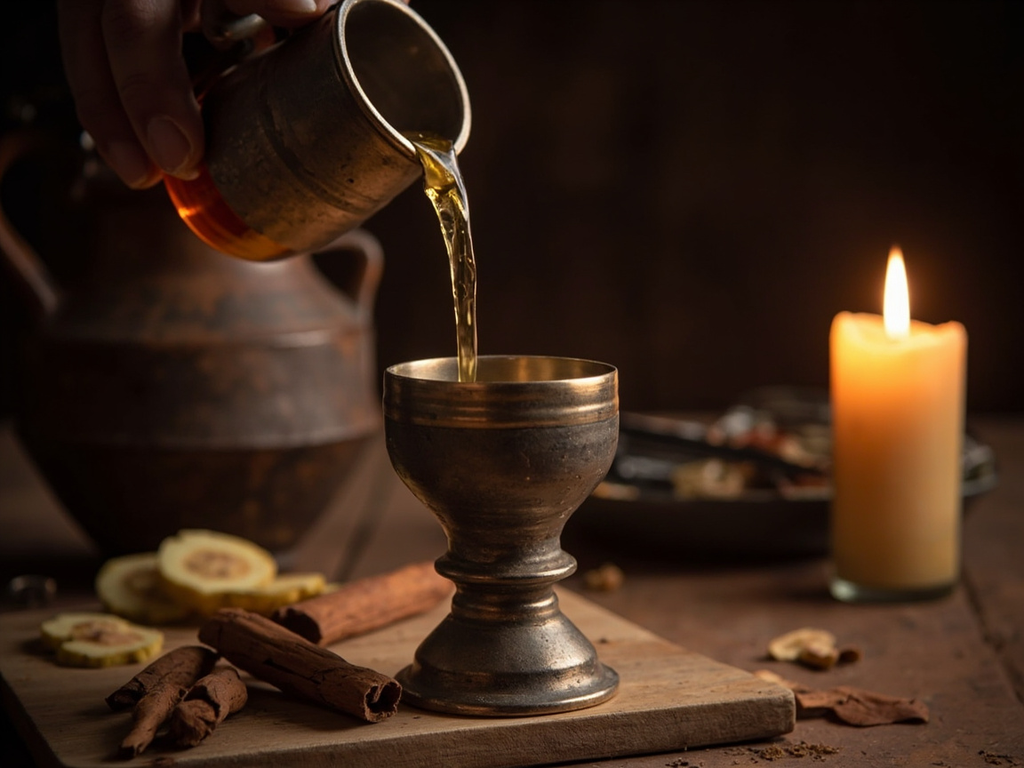
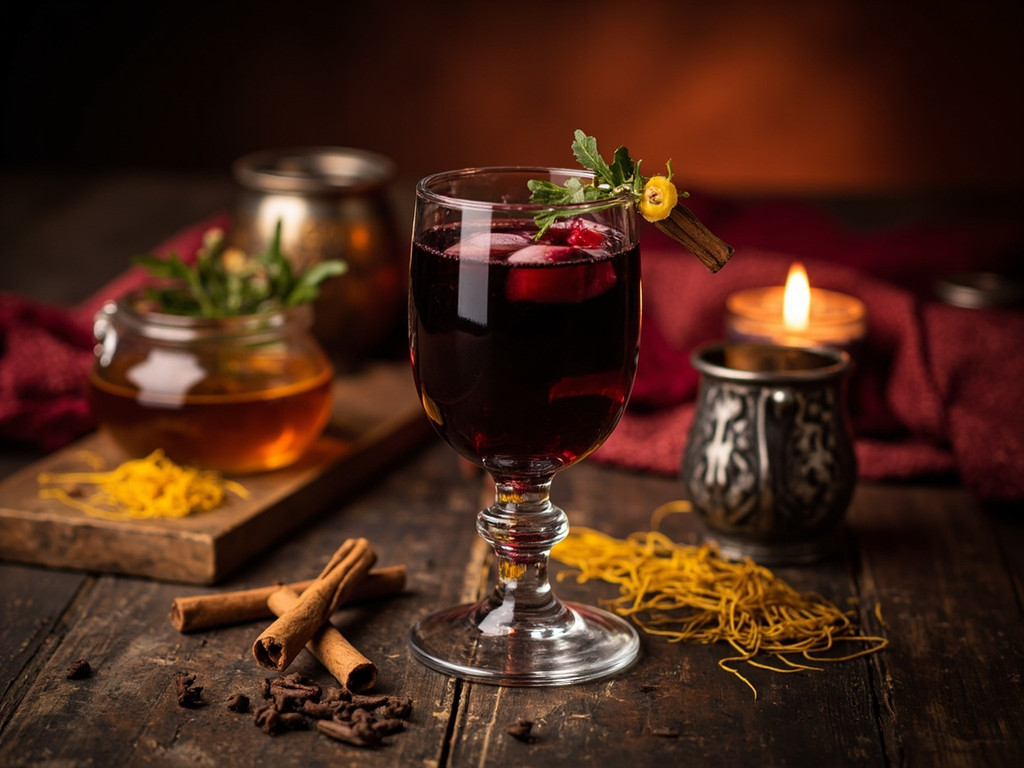
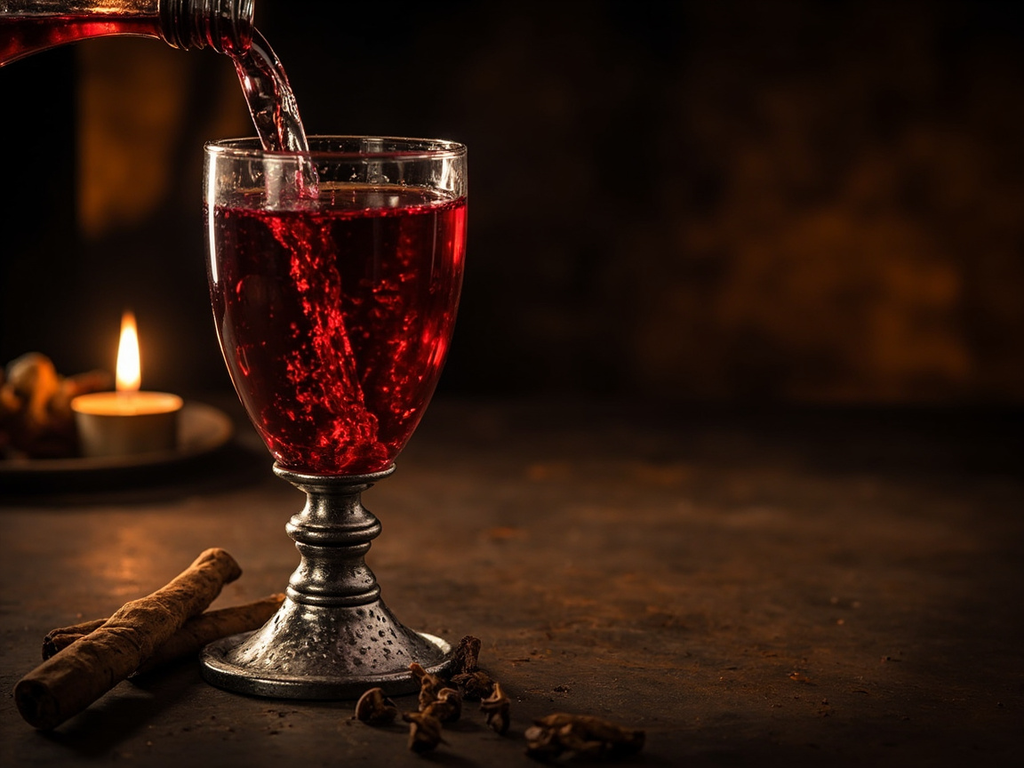
Wine sweetened with honey and long-infused with noble spices (cinnamon, ginger, grains of paradise, cloves), then filtered until clear. The showpiece drink of the Middle Ages.
When the meal draws to a close, hypocras is presented—that wine which the apothecaries marry with honey and fine spices of the East, and which they pour through the sleeve until it is clear as ruby. My guests love it greatly, and I have it poured liberally for them. As for me, I scarcely touch it without softening it with clear water, for I hold drunkenness an enemy to the reason that a king must keep sharp. Know, however, that nothing warms the stomach better after good cheer.
- •Good wine — a pitcher (base)
- •Honey (or sugar) — as needed (sweetness)
- •Cinnamon — one stick (master spice)
- •Ginger — a piece (warmth)
- •Grains of paradise — a few grains (noble pungency)
- •Cloves — a few (perfume)
Hypocras
Wine sweetened with honey and long-infused with noble spices (cinnamon, ginger, grains of paradise, cloves), then filtered until clear. The showpiece drink of the Middle Ages.
Why this dish? At the end of royal banquets, hypocras was served—a sweet, spiced wine that closed the meal and aided digestion. Although Louis IX, out of temperance, always diluted his own wine with water, this prestigious drink honored the ambassadors and great lords received at his court—a showcase of Capetian refinement.
When the meal draws to a close, hypocras is presented—that wine which the apothecaries marry with honey and fine spices of the East, and which they pour through the sleeve until it is clear as ruby. My guests love it greatly, and I have it poured liberally for them. As for me, I scarcely touch it without softening it with clear water, for I hold drunkenness an enemy to the reason that a king must keep sharp. Know, however, that nothing warms the stomach better after good cheer.
Ingredients (period version)
- Good wine — a pitcher (base)
- Honey (or sugar) — as needed (sweetness)
- Cinnamon — one stick (master spice)
- Ginger — a piece (warmth)
- Grains of paradise — a few grains (noble pungency)
- Cloves — a few (perfume)
Ingredients
- Full-bodied red wine — 750 ml (base)
- Honey — 80 g (sweetness)
- Cinnamon — 1 stick (master spice)
- Fresh ginger — 4 slices (warmth)
- Grains of paradise (or long pepper) — 6 grains, crushed (pungency)
- Cloves — 3 (perfume)
Method
- Gently warm (do not boil) the wine with the honey until dissolved.
- Remove from heat, add all spices, cover, and let infuse cold for at least 12 hours (ideally overnight).
- Strain carefully through a fine cloth (the ancient "sleeve of Hippocrates" that gave the drink its name) until clear.
- Serve chilled or slightly warm, in very small amounts, at the end of the meal.
How it was made : Hypocras ("ypocras") takes its name from Hippocrates, alluding to the pointed filtering bag. As much a medicinal drink as a festive one, its recipes circulated as early as the 13th century; each household had its own jealously guarded spice blend.
The contemporary twist : For a family or school table, replace the wine with red grape juice or cloudy apple juice: same spices, same cold infusion, zero alcohol—a "children's hypocras" perfectly medieval in spirit.
Sources : Le Ménagier de Paris · Medieval apothecary collections on spiced wine
Louis IX (Saint Louis) · Charactorium