 flip
flipArbois Cherry Preserve
Arbois Cherry Preserve
Why this dish? Arbois, Pasteur's hometown, has been famous for its cherries for centuries. Preserving fruit in sugar to last through the year is an ancestral form of conservation — exactly the problem Pasteur would revolutionize with pasteurization. This preserve connects his Jura family table to his scientific obsession: preventing food from spoiling.
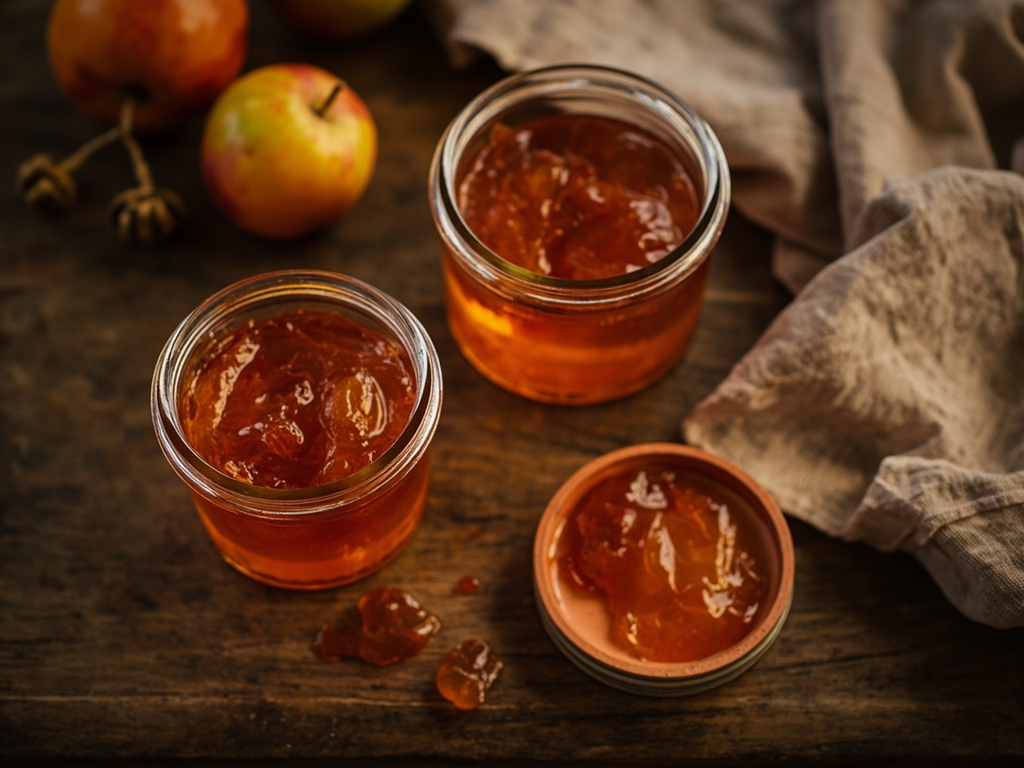
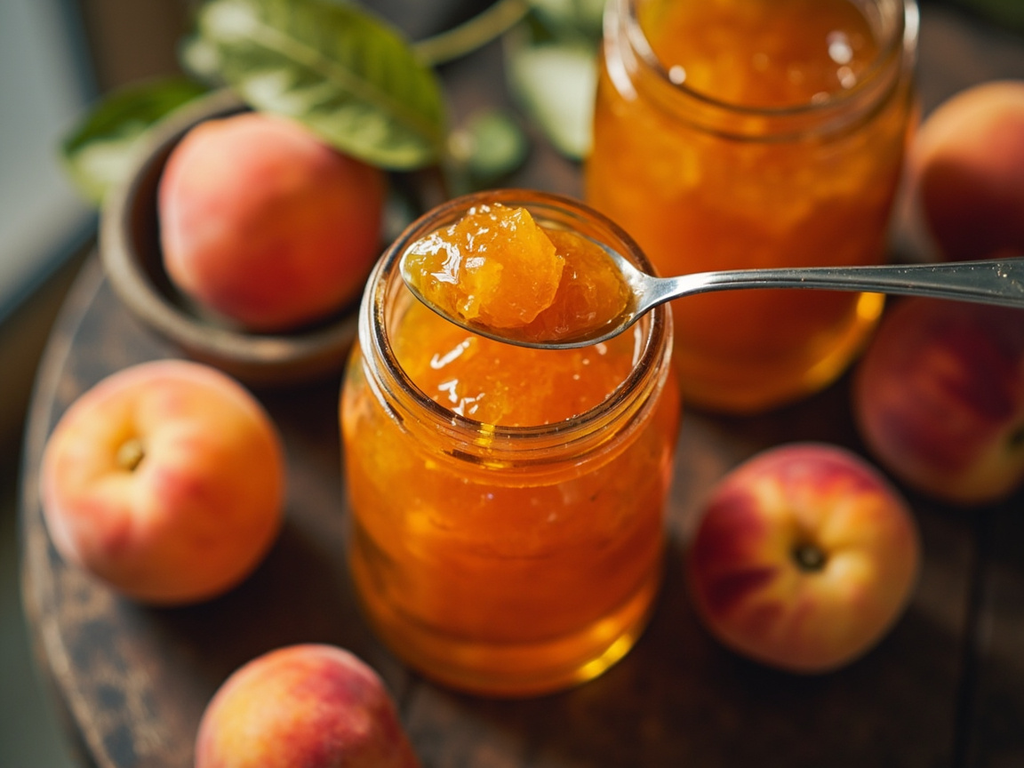
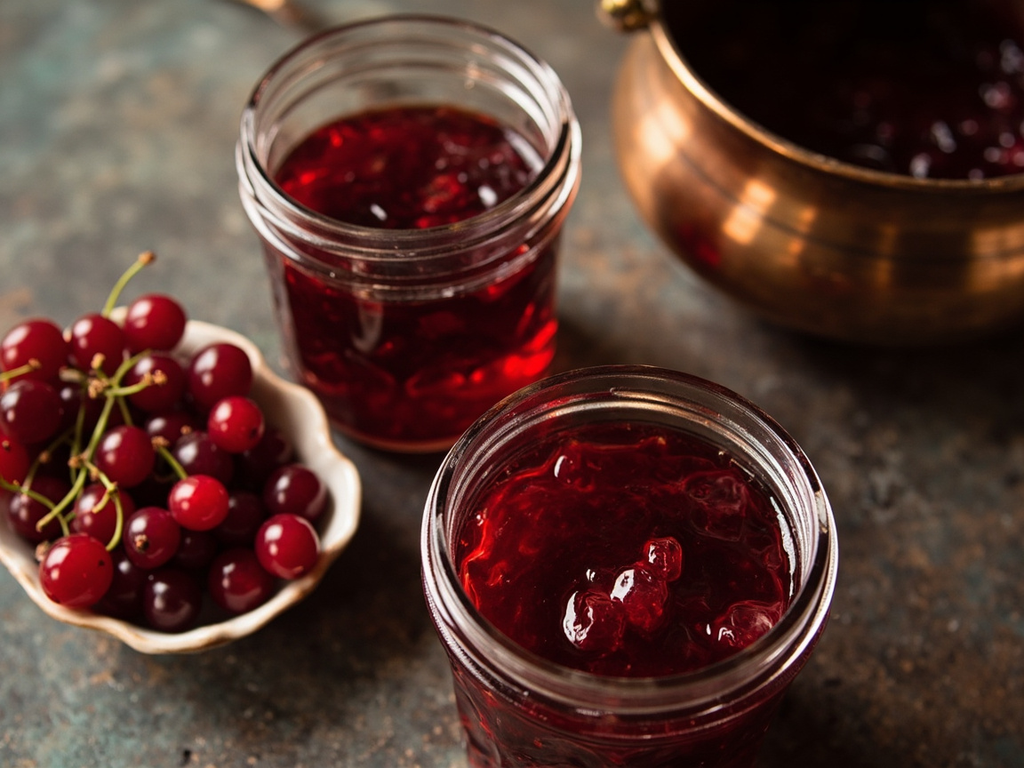
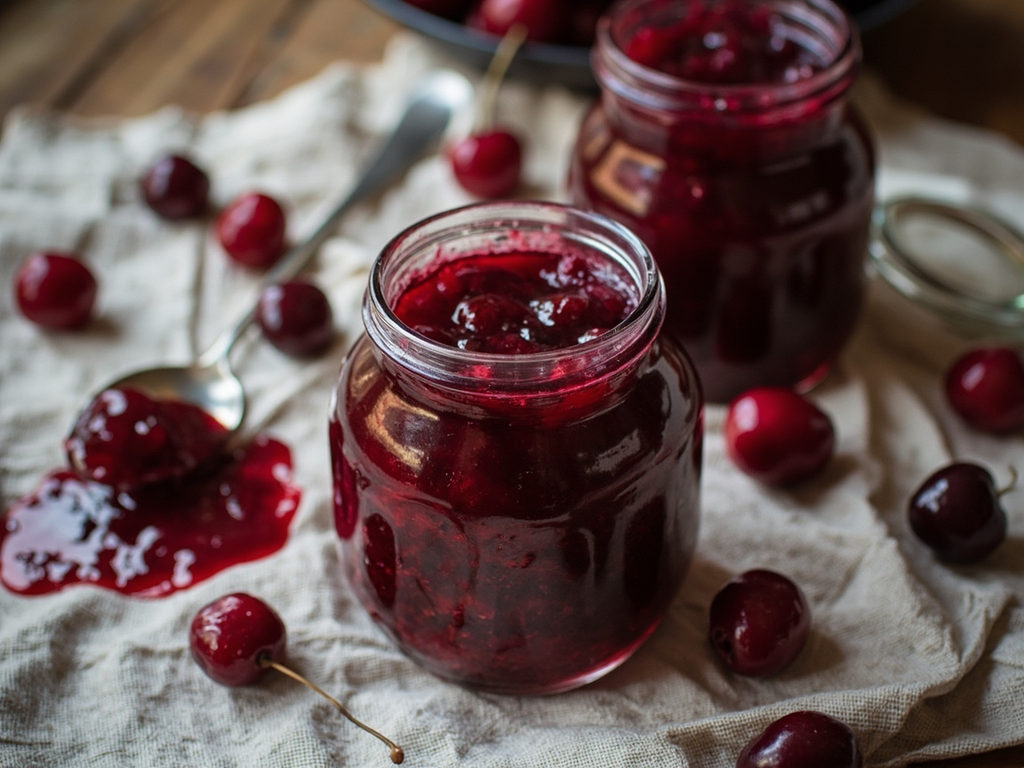
Jura cherries cooked slowly with sugar until they form a shiny preserve, potted and stored for winter. A lively balance between sugar and fruit acidity.
When summer came, we harvested the cherries from our orchards in Arbois, and made pots for the whole winter. The secret, you see, lies in the sugar and a good, honest boil: both drive out what would turn the fruit. Many years later, I understood that it was the germs of the air that corrupted our provisions, and that heat knew how to destroy them. Cover your pots well, keep them cool and dark, and in January you will have the taste of our June sun.
- •Ripe Arbois cherries — a large basket (fruit)
- •Sugar — almost as much as the fruit (preservative and binder)
- •Redcurrant or lemon juice — a dash (acidity and setting)
Arbois Cherry Preserve
Jura cherries cooked slowly with sugar until they form a shiny preserve, potted and stored for winter. A lively balance between sugar and fruit acidity.
Why this dish? Arbois, Pasteur's hometown, has been famous for its cherries for centuries. Preserving fruit in sugar to last through the year is an ancestral form of conservation — exactly the problem Pasteur would revolutionize with pasteurization. This preserve connects his Jura family table to his scientific obsession: preventing food from spoiling.
When summer came, we harvested the cherries from our orchards in Arbois, and made pots for the whole winter. The secret, you see, lies in the sugar and a good, honest boil: both drive out what would turn the fruit. Many years later, I understood that it was the germs of the air that corrupted our provisions, and that heat knew how to destroy them. Cover your pots well, keep them cool and dark, and in January you will have the taste of our June sun.
Ingredients (period version)
- Ripe Arbois cherries — a large basket (fruit)
- Sugar — almost as much as the fruit (preservative and binder)
- Redcurrant or lemon juice — a dash (acidity and setting)
Ingredients
- Pitted cherries — 1 kg (fruit)
- Granulated sugar — 800 g (preservative and binder)
- Lemon juice — 1/2 lemon (acidity and gelling)
Method
- Pit the cherries and place them in a bowl with the sugar and lemon juice. Let macerate for a few hours (or overnight).
- Pour everything into a preserving pan or large saucepan and bring to a boil.
- Cook over high heat, skimming, until a drop placed on a cold plate sets (about 20-30 minutes).
- Sterilize the jars and lids by scalding them.
- Pour the boiling jam into the jars, seal immediately, and turn the jars upside down for a few minutes to create a vacuum.
- Let cool, label, and store away from light.
How it was made : Before modern canning, fruits were preserved with sugar (jams) or alcohol. Cooking and sugar destroyed or prevented the growth of microorganisms — an empirical knowledge that Pasteur's work on fermentations and the destruction of germs by heat would later explain and systematize with pasteurization.
The contemporary twist : Sterilized as a 'homage' in a gentle water bath (home pasteurization spirit) and served on a slice of milk-soaked French toast, another period treat.
Louis Pasteur · Charactorium