 flip
flipCoco Quemado (Grilled Coconut Sweet)
Coco Quemado (Grilled Coconut Sweet)
Why this dish? Between Havana, Marianao, and later Miami, coconut and cane sweets accompanied an entire Cuban life—sold on street corners, offered to visitors. A sweet note to close the table of one who kept, even in exile, the taste of the island.
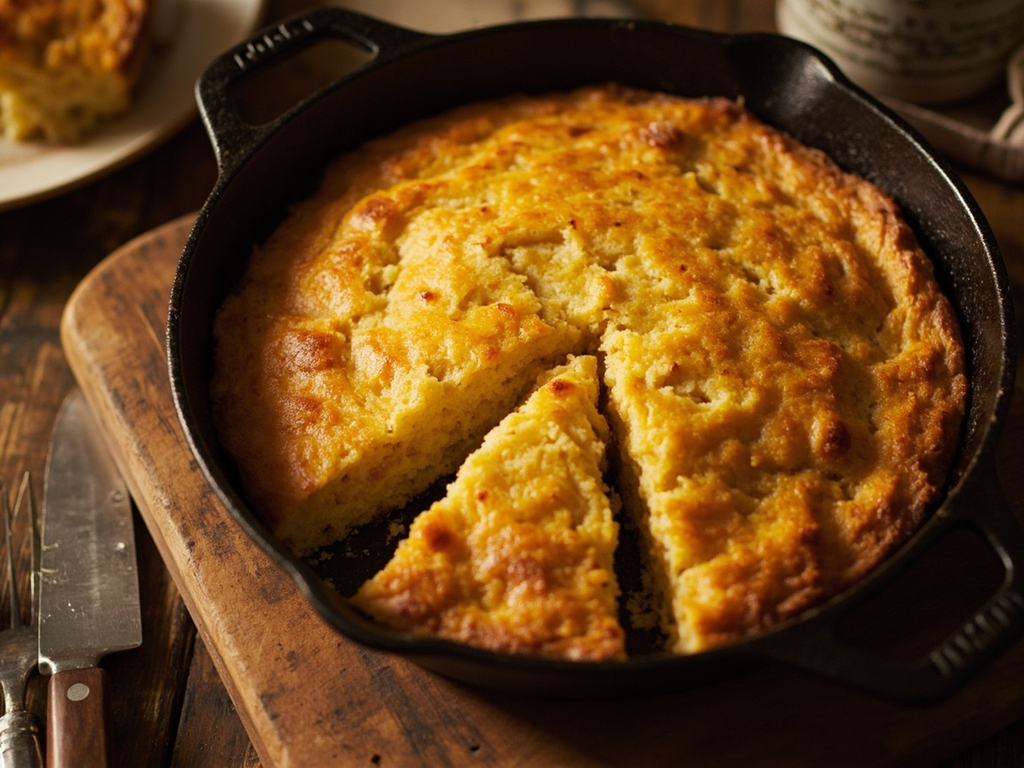
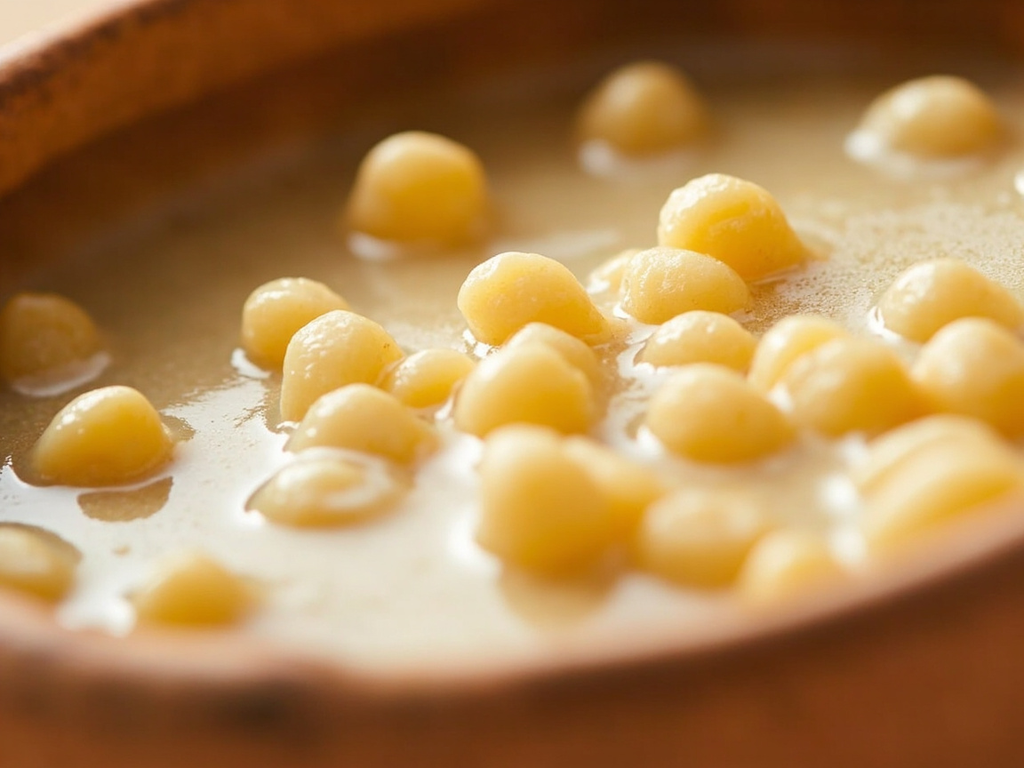
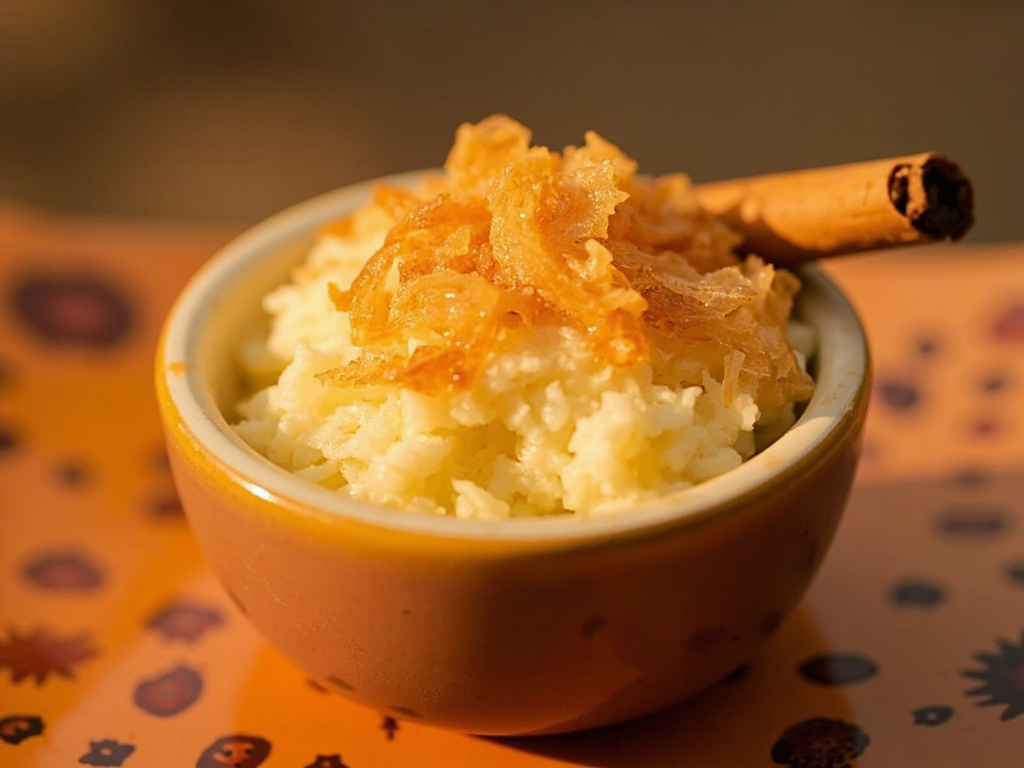
Grated coconut slowly cooked in a cane sugar syrup perfumed with cinnamon, until it caramelizes and takes on a golden hue. Dense, melting, intensely sweet.
To finish, a little sweetness—for one does not leave a Cuban house with a bitter mouth. *Coco quemado*, we would cook it very slowly, the grated coconut in its cane syrup, with a cinnamon stick and a hint of zest, until it took on that amber color and clung to the bottom of the pot. On the street, they sold it in little trays, and even in Miami, far from everything, it was enough for me to smell it to find myself, for an instant, back on the patio in Marianao.
- •Fresh grated coconut — the flesh of one nut (base)
- •Cane sugar — generous portions (syrup and caramel)
- •Cinnamon stick — a piece (perfume)
- •Lime zest — a little (freshness)
- •Water — a splash (syrup)
Coco Quemado (Grilled Coconut Sweet)
Grated coconut slowly cooked in a cane sugar syrup perfumed with cinnamon, until it caramelizes and takes on a golden hue. Dense, melting, intensely sweet.
Why this dish? Between Havana, Marianao, and later Miami, coconut and cane sweets accompanied an entire Cuban life—sold on street corners, offered to visitors. A sweet note to close the table of one who kept, even in exile, the taste of the island.
To finish, a little sweetness—for one does not leave a Cuban house with a bitter mouth. *Coco quemado*, we would cook it very slowly, the grated coconut in its cane syrup, with a cinnamon stick and a hint of zest, until it took on that amber color and clung to the bottom of the pot. On the street, they sold it in little trays, and even in Miami, far from everything, it was enough for me to smell it to find myself, for an instant, back on the patio in Marianao.
Ingredients (period version)
- Fresh grated coconut — the flesh of one nut (base)
- Cane sugar — generous portions (syrup and caramel)
- Cinnamon stick — a piece (perfume)
- Lime zest — a little (freshness)
- Water — a splash (syrup)
Ingredients
- Fresh grated coconut (or unsweetened dried coconut, rehydrated) — 250 g (base)
- Blond cane sugar — 200 g (syrup and caramel)
- Water — 150 ml (syrup)
- Cinnamon stick — 1 (perfume)
- Lime zest — 1/2 (freshness)
- Egg yolk (optional) — 1 (creamier binder)
Method
- In a heavy-bottomed saucepan, dissolve the sugar in the water with the cinnamon and zest; bring to a simmer to make a syrup.
- Add the grated coconut and mix.
- Cook over low heat, stirring often, for 25–35 minutes, until the syrup thickens and the coconut turns golden and lightly caramelizes.
- Off the heat, if desired, stir in the beaten egg yolk to bind (return to very low heat for 2 minutes without boiling).
- Remove the cinnamon stick, pour into a dish or small cups.
- Let cool slightly: *coco quemado* is eaten warm or cold, with a spoon.
How it was made : *Coco quemado* (or *coco rallado*) is a Creole dessert born from the abundance of coconut and cane sugar, two pillars of the Antillean economy. Sold by street vendors, it belongs to the great family of *dulces caseros* (homemade sweets) that every Cuban family makes in its own way.
The contemporary twist : Serve it as a warm quenelle on a shortbread cookie, with a few toasted coconut shavings and a grating of fresh lime zest on top.
Lydia Cabrera · Charactorium