 flip
flipPaita sweets — cocadas of exile
Paita sweets — cocadas of exile
Why this dish? Exiled and impoverished, Manuela spent her final years in the small port of Paita, Peru, where she earned a living selling tobacco and sweets she made herself. These cocadas with cane sugar are the concrete taste of this dignified and industrious end of life, far from the glory of the camps.
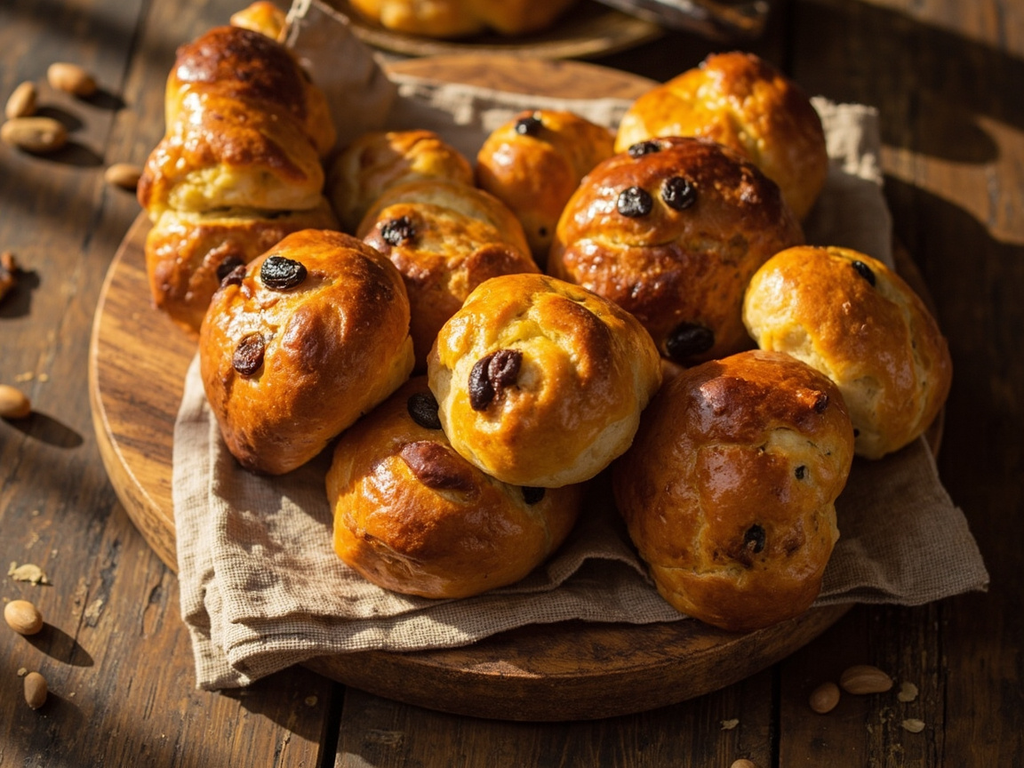
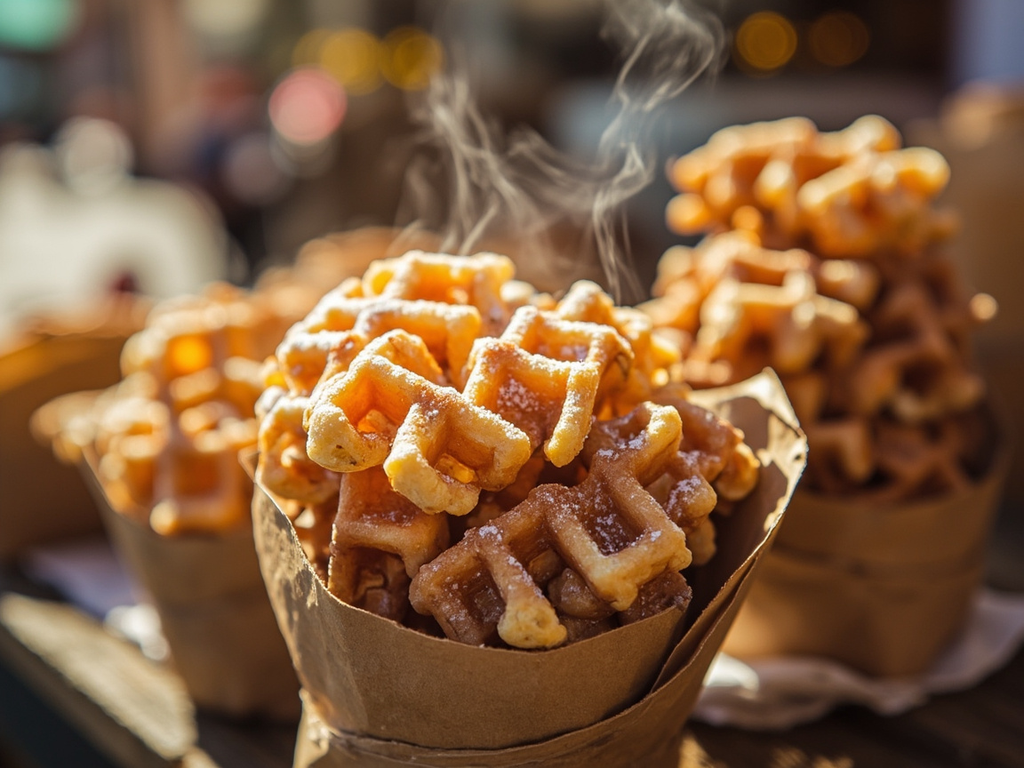
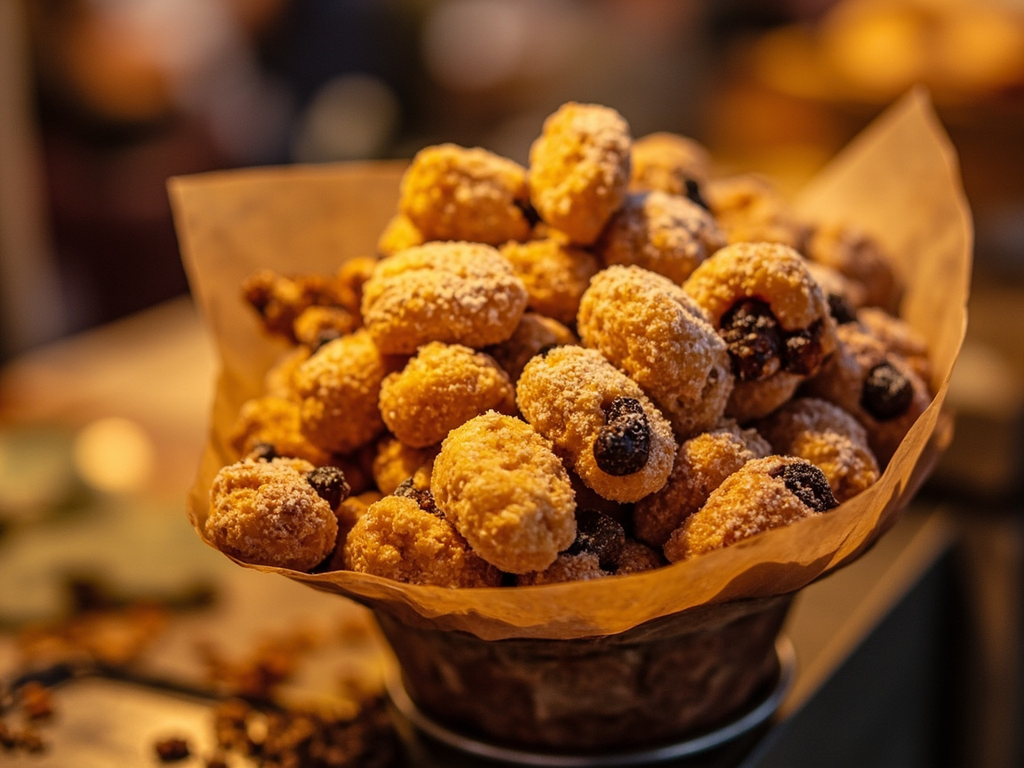
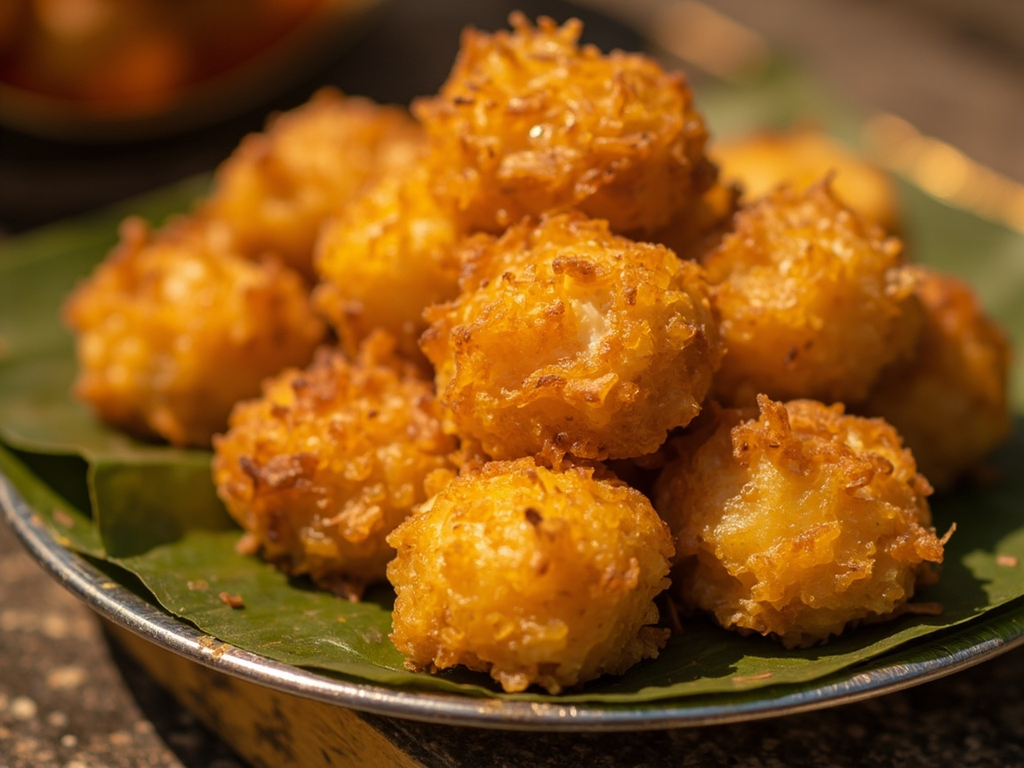
Small bites of grated coconut caramelized with cane sugar, browned in the oven or pan: the kind of sweet a fallen Libertadora sold at her doorstep in Paita.
They knew me as Libertadora, and here I am in Paita selling tobacco and confections to live — well, so be it, I make my dulces with my own hands and I am not ashamed. I grate the coconut, melt it in panela syrup until it browns and perfumes the whole port, then shape these little bites that the sailors buy from me. Fortune has turned its back on me, you see, but neither my pride nor the taste of sugar has left me.
- •Fresh grated coconut — a good amount (base)
- •Panela or cane sugar — generous parts (caramel)
- •Water — a little (syrup)
- •Cinnamon — a pinch (flavor)
Paita sweets — cocadas of exile
Small bites of grated coconut caramelized with cane sugar, browned in the oven or pan: the kind of sweet a fallen Libertadora sold at her doorstep in Paita.
Why this dish? Exiled and impoverished, Manuela spent her final years in the small port of Paita, Peru, where she earned a living selling tobacco and sweets she made herself. These cocadas with cane sugar are the concrete taste of this dignified and industrious end of life, far from the glory of the camps.
They knew me as Libertadora, and here I am in Paita selling tobacco and confections to live — well, so be it, I make my dulces with my own hands and I am not ashamed. I grate the coconut, melt it in panela syrup until it browns and perfumes the whole port, then shape these little bites that the sailors buy from me. Fortune has turned its back on me, you see, but neither my pride nor the taste of sugar has left me.
Ingredients (period version)
- Fresh grated coconut — a good amount (base)
- Panela or cane sugar — generous parts (caramel)
- Water — a little (syrup)
- Cinnamon — a pinch (flavor)
Ingredients
- Grated coconut (preferably fresh) — 250 g (base)
- Panela or brown sugar — 200 g (caramel)
- Water — 100 ml (syrup)
- Cinnamon powder + 1 egg yolk (binder, optional) — 1 pinch (flavor / structure)
Method
- Make a syrup: heat sugar/panela with water and cinnamon until dissolved and slightly thickened.
- Add grated coconut and stir over low heat until the mixture browns and pulls away from the pan.
- Off the heat, optionally stir in egg yolk for structure.
- Spoon small bites onto wax paper or an oiled plate.
- Let cool and harden (or brown a few minutes in the oven).
How it was made : Cocadas are a popular sweet throughout the Hispanic American coast, sold at stalls and markets. Coconut was cooked in panela (unrefined cane sugar) syrup, sometimes colored with caramel or flavored with cinnamon. It was a humble confection, exactly the kind of street trade Manuela lived by in Paita.
The contemporary twist : Arrange three cocadas on a banana leaf with a sprig of dried tobacco (non-edible, decorative) — a tribute to the exiled Libertadora's stall.
Sources : Alfonso Rumazo González, Manuela Sáenz: la Libertadora del Libertador (biography)
Manuela Sáenz · Charactorium