 flip
flipJamaican Market Escovitch Fish
Jamaican Market Escovitch Fish
Why this dish? For Black Roadways, her study of Jamaican folk life, and for her Anansi stories, Beckwith traveled markets and country roads. Escovitch fish, fried then drenched in spiced vinegar to keep for days in the heat, is exactly the road food she observed.
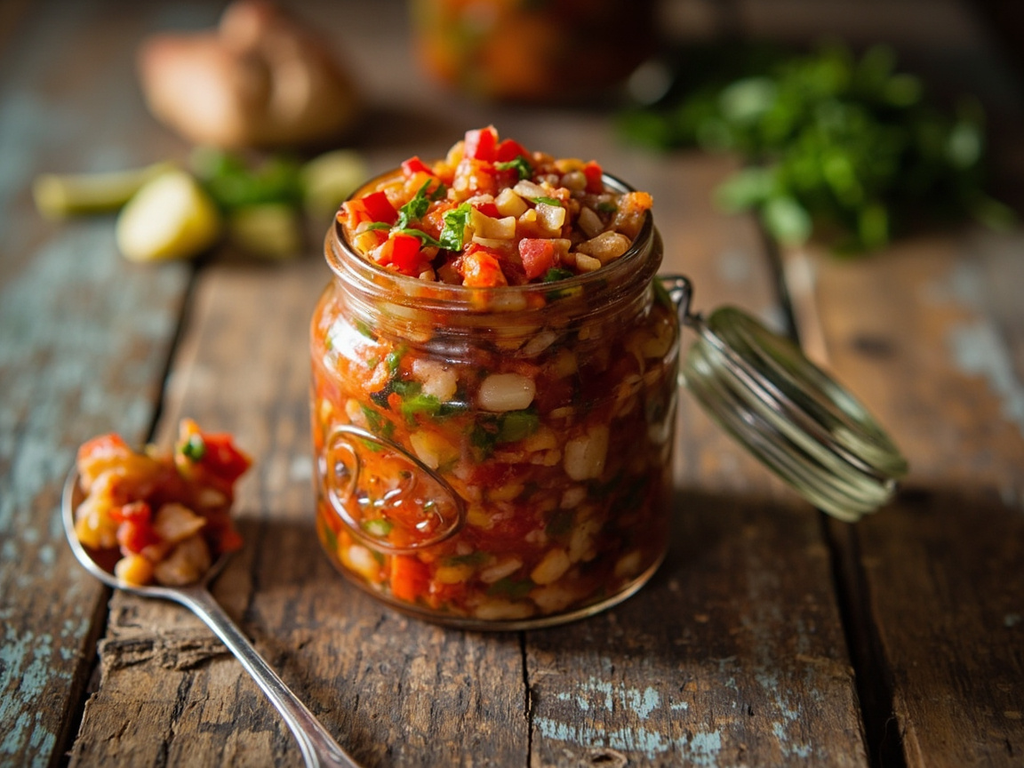
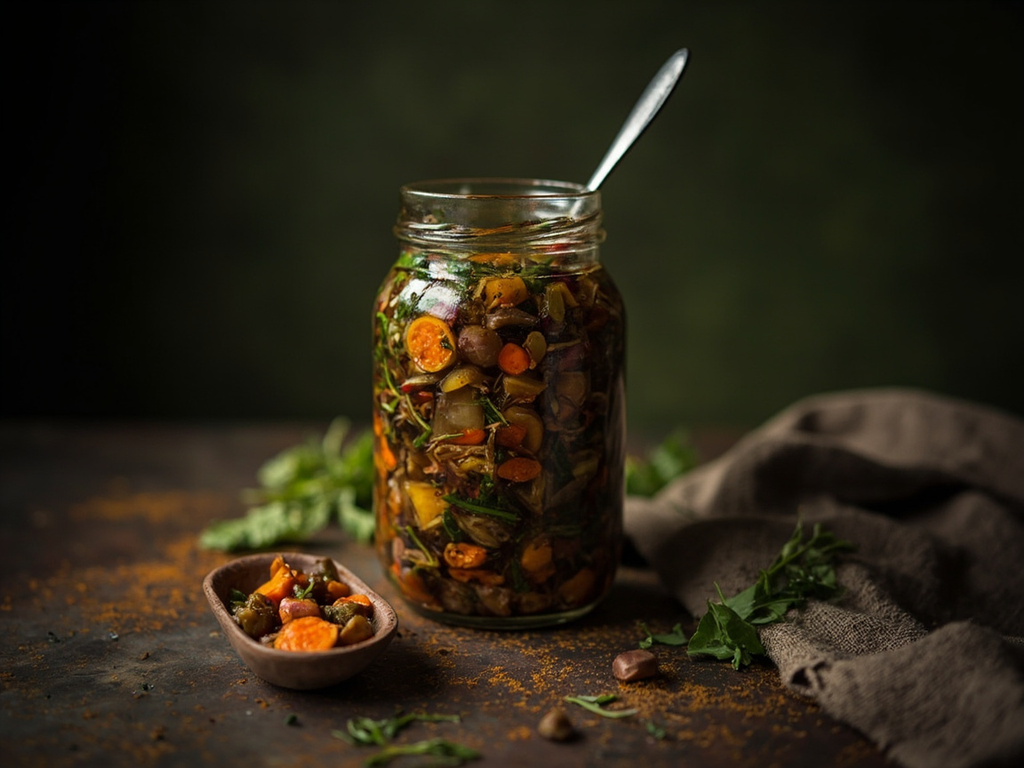
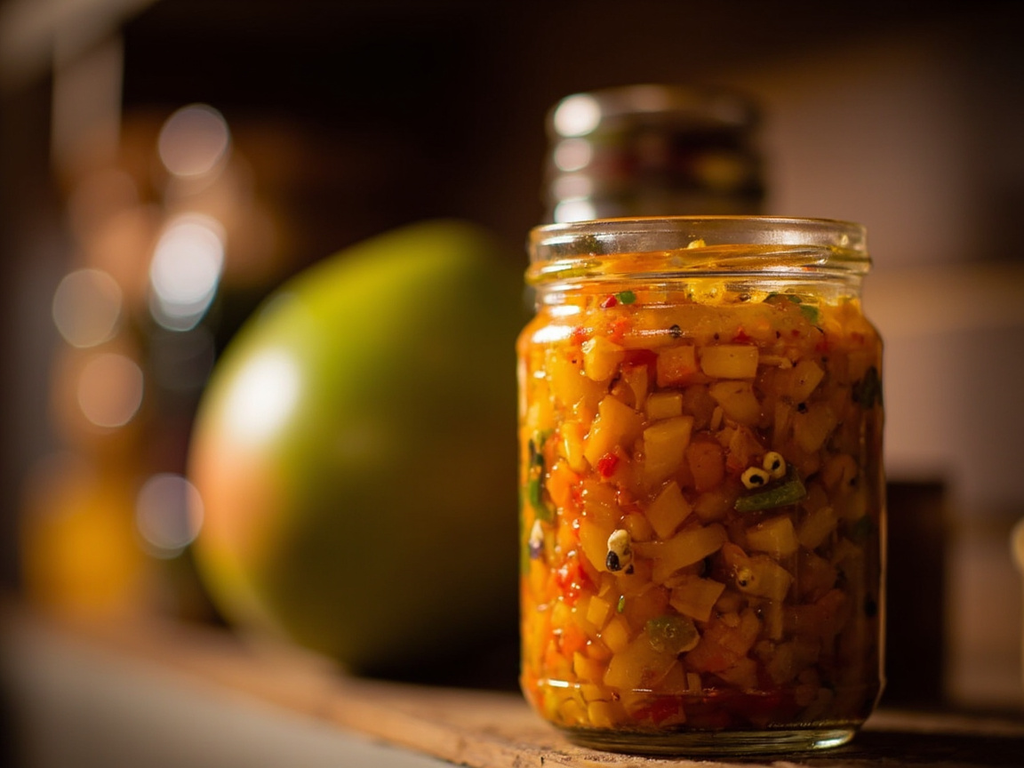
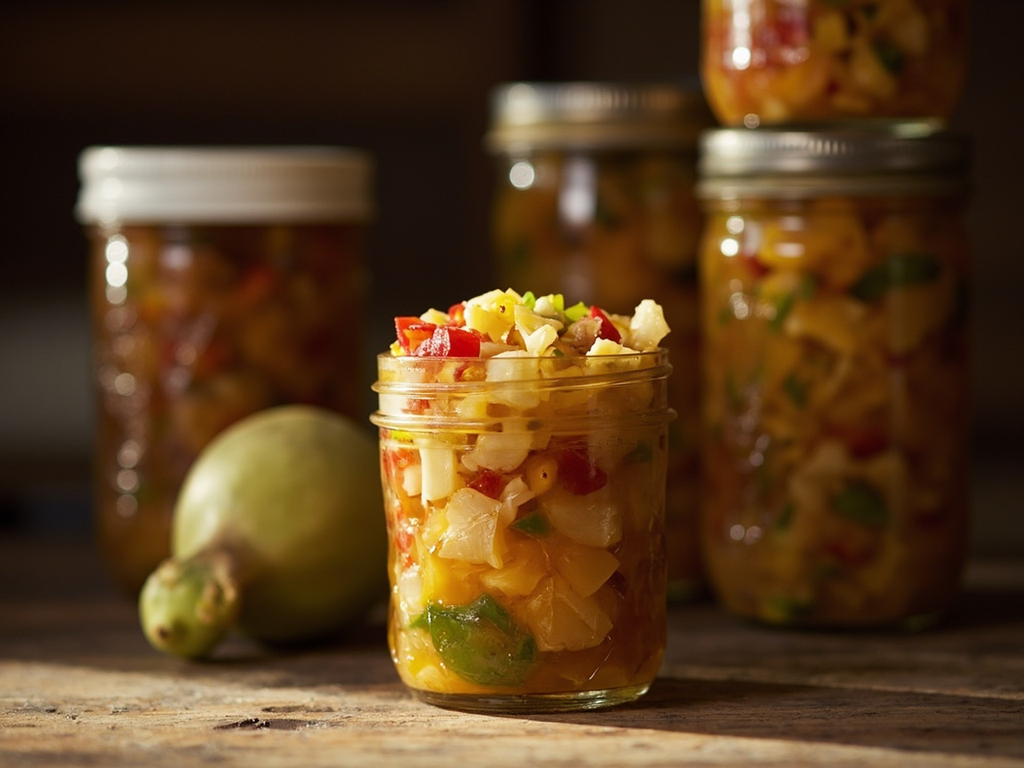
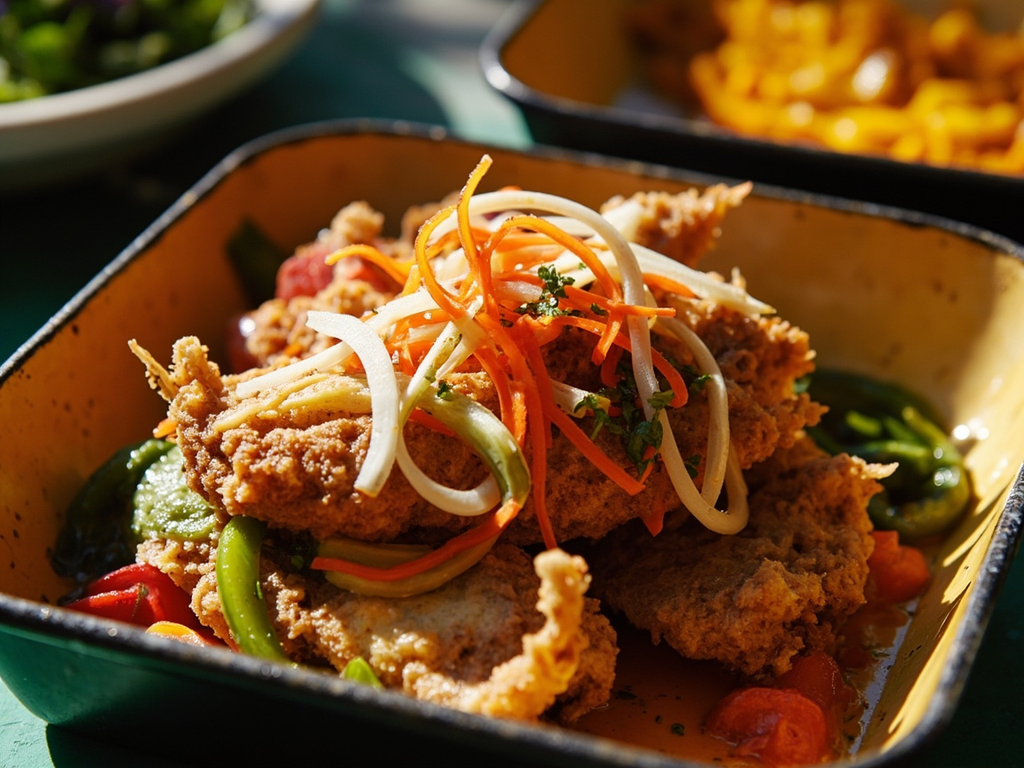
Fish fried until crispy, topped with a sharp vinegar simmered with onion, scotch bonnet pepper, and allspice berries. The acid 'cooks' the fish a second time and preserves it: it is eaten cold, even better the next day.
On the island paths, where I was told the tricks of Anansi the spider, I tasted this fish that the market women prepared in advance. It is fried until golden, then covered while hot with a vinegar where onion, allspice, and that little biting pepper sing. Treated thus, it keeps without ice in the great heat, and each passing day makes it better. It is the food of walking people, and of storytellers who have no time to cook twice.
- •Whole fish (snapper) — according to the catch (base)
- •Vinegar — enough to cover (preservation and acidity)
- •Scotch bonnet pepper — 1 to 2 (heat)
- •Onion — 2 (aromatic)
- •Allspice (pimento) berries — a handful (signature island spice)
- •Salt — to taste (seasoning)
Jamaican Market Escovitch Fish
Fish fried until crispy, topped with a sharp vinegar simmered with onion, scotch bonnet pepper, and allspice berries. The acid 'cooks' the fish a second time and preserves it: it is eaten cold, even better the next day.
Why this dish? For Black Roadways, her study of Jamaican folk life, and for her Anansi stories, Beckwith traveled markets and country roads. Escovitch fish, fried then drenched in spiced vinegar to keep for days in the heat, is exactly the road food she observed.
On the island paths, where I was told the tricks of Anansi the spider, I tasted this fish that the market women prepared in advance. It is fried until golden, then covered while hot with a vinegar where onion, allspice, and that little biting pepper sing. Treated thus, it keeps without ice in the great heat, and each passing day makes it better. It is the food of walking people, and of storytellers who have no time to cook twice.
Ingredients (period version)
- Whole fish (snapper) — according to the catch (base)
- Vinegar — enough to cover (preservation and acidity)
- Scotch bonnet pepper — 1 to 2 (heat)
- Onion — 2 (aromatic)
- Allspice (pimento) berries — a handful (signature island spice)
- Salt — to taste (seasoning)
Ingredients
- Fish fillets or small whole snappers — 600 g (base)
- White vinegar — 200 ml (preservation and acidity)
- Scotch bonnet pepper — 1 (whole, not pierced for milder heat) (heat)
- Sliced onions — 2 (aromatic)
- Allspice berries — 1 tbsp (signature spice)
- Carrot, julienned — 1 (crunchy garnish)
- Oil for frying, salt — as needed (cooking and seasoning)
Method
- Salt the fish, pat dry, and fry in hot oil until golden and crispy. Set aside in a shallow dish.
- In a saucepan, heat the vinegar with onions, carrot, allspice berries, and whole scotch bonnet; let simmer for 3 to 4 minutes.
- Pour this boiling vinegar and vegetables over the fish, covering it.
- Let cool, then rest for at least a few hours, ideally overnight, in the refrigerator.
- Serve cold, with bread or crackers.
How it was made : Escovitch descends from Iberian escabèche, brought to the Caribbean: without refrigeration, frying followed by an acidic vinegar bath was a real preservation technique in the tropics. Allspice (pimento), endemic to the island, is its essential local note.
The contemporary twist : Plate the fish on the pickled onion like a hot-cold ceviche, with a drizzle of reduced vinegar as a mirror: the humble Jamaican market goes bistro.
Sources : Martha Warren Beckwith, Black Roadways: A Study of Jamaican Folk Life, 1929 · Martha Warren Beckwith, Jamaica Anansi Stories, 1924
Martha Beckwith · Charactorium