 flip
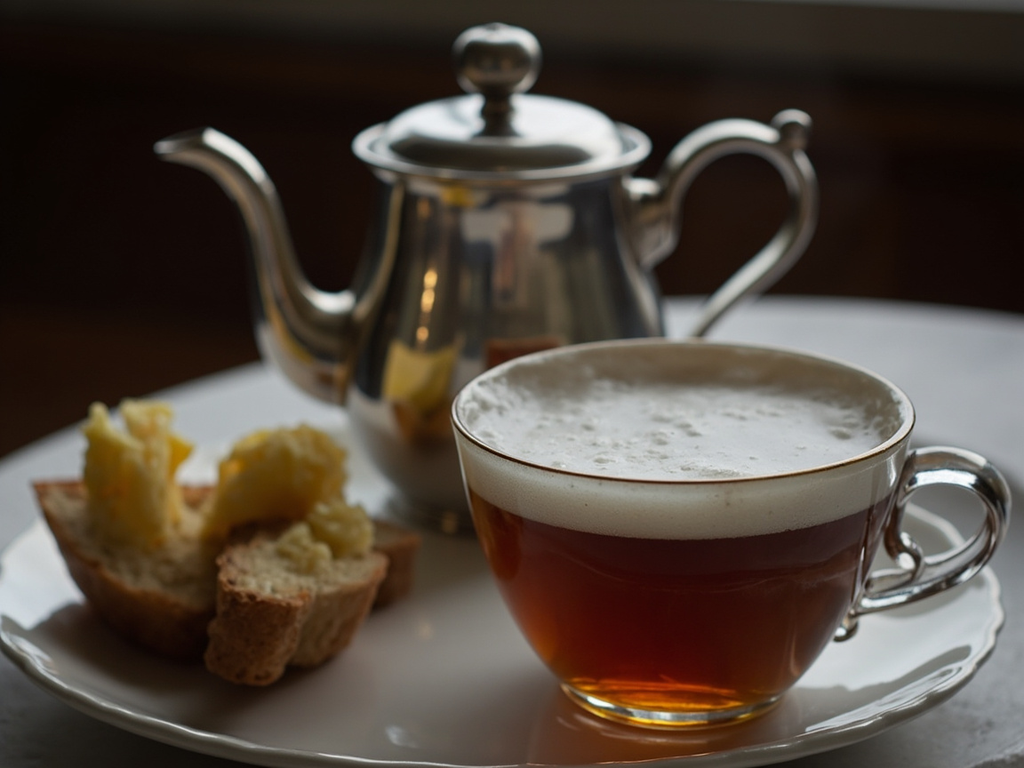
flipEvening Tea and Buttered Bread
Evening Tea and Buttered Bread
Why this dish? Tea figures explicitly in Mary's daily diet. At the dissenting circles of Newington Green, where she frequented Richard Price and the radicals, tea accompanied philosophical conversations. It was the social beverage par excellence of British Enlightenment intellectuals, cheaper than wine and conducive to debate.
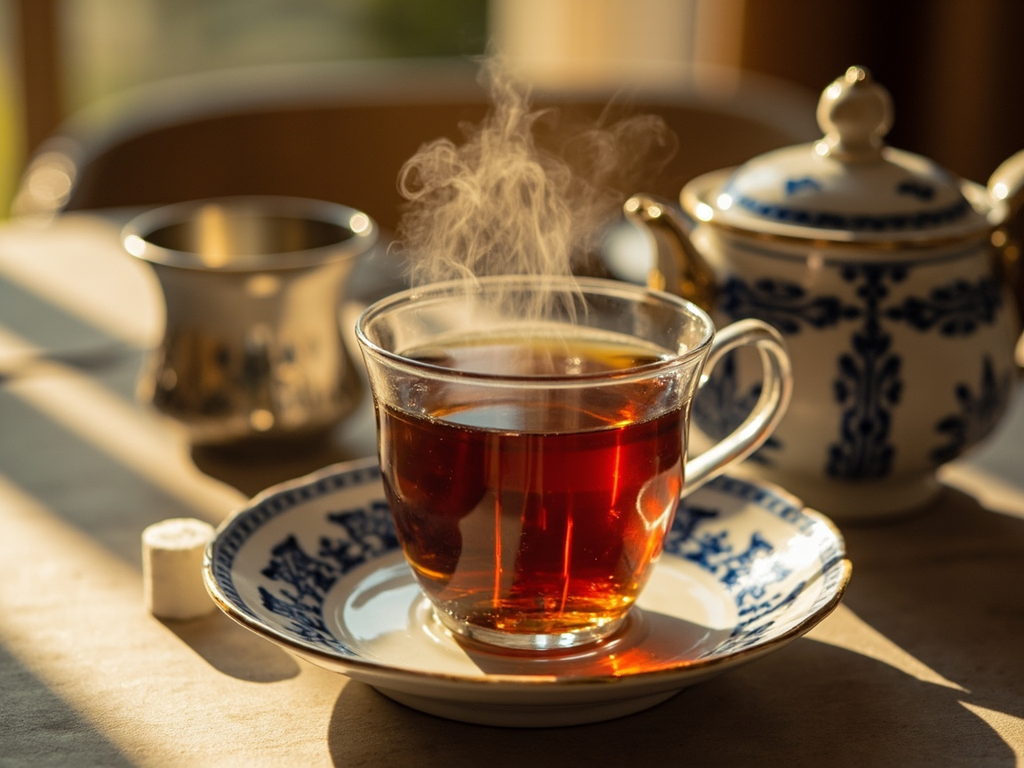
Strong black tea, softened with a little milk and sugar, served with slices of buttered bread. The ritual of mind as much as palate: around the teapot friendships and ideas were forged.
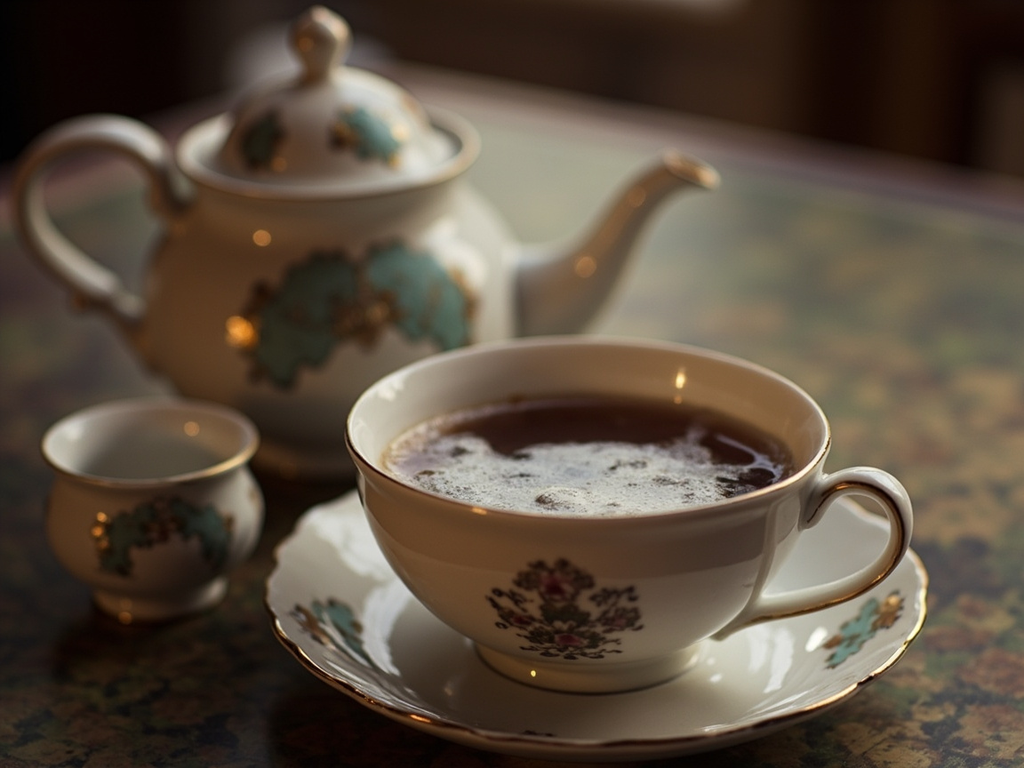
Pour the boiling water over the leaves and let it steep the time of a well-formed thought — neither too short, nor too long. It is around this teapot, at Newington Green, that I heard the finest discourses on liberty and debated reason with men who deigned to listen to me. A slice of buttered bread, a little milk in the cup, and there is enough to sustain conversation without burdening the purse. Believe me, one converses better sober than drunk.
- •Chinese black tea — one spoonful of leaves per cup (beverage)
- •Boiling water — according to number of guests (infusion)
- •Milk — a cloud (softener)
- •Cane sugar — to taste (sweetness)
- •Wheat bread — a few slices (accompaniment)
- •Fresh butter — to spread generously (accompaniment)
Evening Tea and Buttered Bread
Strong black tea, softened with a little milk and sugar, served with slices of buttered bread. The ritual of mind as much as palate: around the teapot friendships and ideas were forged.
Why this dish? Tea figures explicitly in Mary's daily diet. At the dissenting circles of Newington Green, where she frequented Richard Price and the radicals, tea accompanied philosophical conversations. It was the social beverage par excellence of British Enlightenment intellectuals, cheaper than wine and conducive to debate.
Pour the boiling water over the leaves and let it steep the time of a well-formed thought — neither too short, nor too long. It is around this teapot, at Newington Green, that I heard the finest discourses on liberty and debated reason with men who deigned to listen to me. A slice of buttered bread, a little milk in the cup, and there is enough to sustain conversation without burdening the purse. Believe me, one converses better sober than drunk.
Ingredients (period version)
- Chinese black tea — one spoonful of leaves per cup (beverage)
- Boiling water — according to number of guests (infusion)
- Milk — a cloud (softener)
- Cane sugar — to taste (sweetness)
- Wheat bread — a few slices (accompaniment)
- Fresh butter — to spread generously (accompaniment)
Ingredients
- Black tea leaves (Congou/Keemun type) — 1 tsp per cup (beverage)
- Simmering water — 200 ml per cup (infusion)
- Whole milk — 1 splash (softener)
- Sugar — to taste (sweetness)
- Country bread — 2 slices per person (accompaniment)
- Salted butter — as desired (accompaniment)
Method
- Scald the teapot, add the tea leaves (1 tsp per cup).
- Pour the simmering water and steep 3–5 minutes.
- Meanwhile, generously butter slices of fresh bread.
- Strain the tea into cups, add a splash of milk and sugar to taste, and serve at once with the buttered bread.
How it was made : In the 18th century, tea arrived via the East India Company and remained expensive enough to be kept under lock in tea caddies. It was morally debated: some saw it as a costly vice, others as a virtuous alternative to alcohol. Sugar, imported from West Indian plantations, already fueled a moral debate among abolitionists that Mary and her circles knew well.
The contemporary twist : Arrange the buttered bread as thin soldiers aligned beside a steaming cup, in the spirit of a minimalist afternoon tea before its time.
Sources : C. Anne Wilson, Food and Drink in Britain (1973) · Markman Ellis et al., Empire of Tea (2015)
Mary Wollstonecraft · Charactorium