 flip
flipThe White Mouse's Gin
The White Mouse's Gin
Why this dish? Nancy Wake's taste for a good drink is legendary and well documented: she had a reputation as a party girl from her pre-war life in Marseille and Paris, and her love of gin accompanied her even in the worst moments of the maquis. A stiff drink was her way of coping and boosting morale.
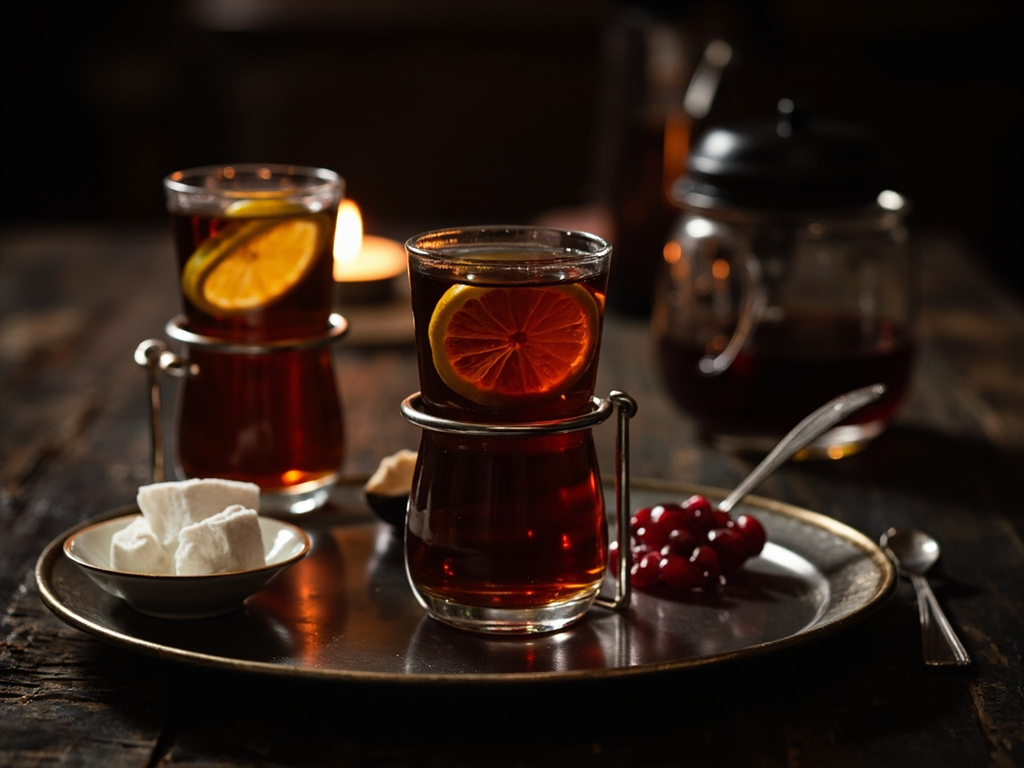
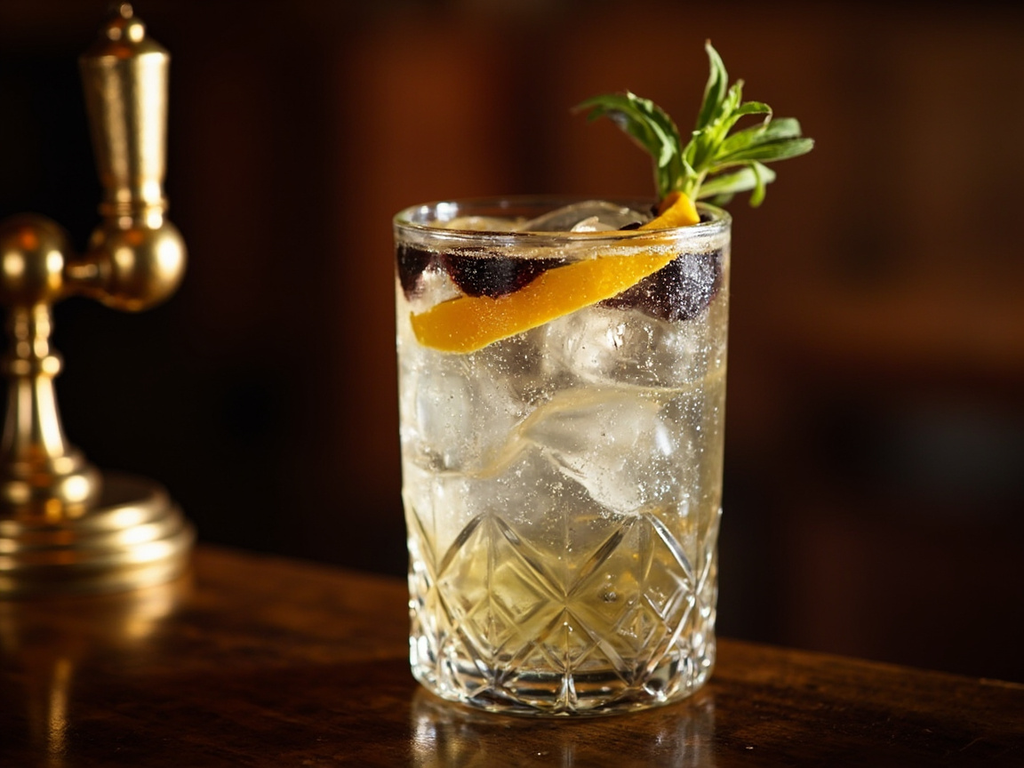
A gin lengthened with tonic water, brightened with a squeeze of citrus—the simple, bitter, lively drink of a woman who never refused a glass.
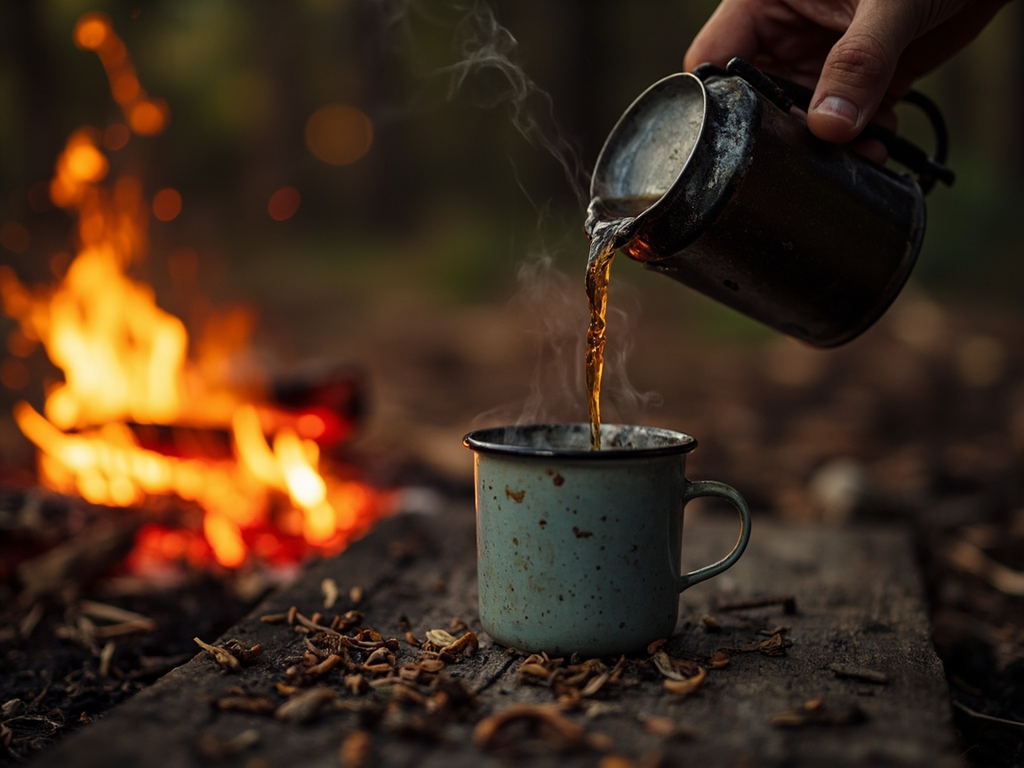
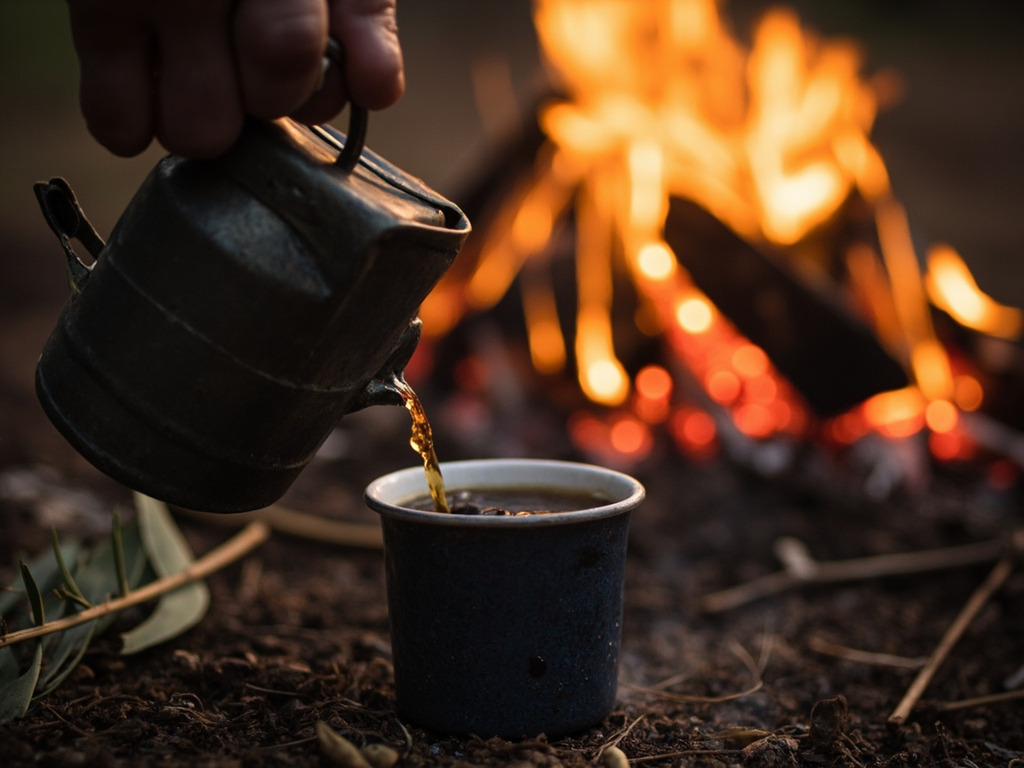
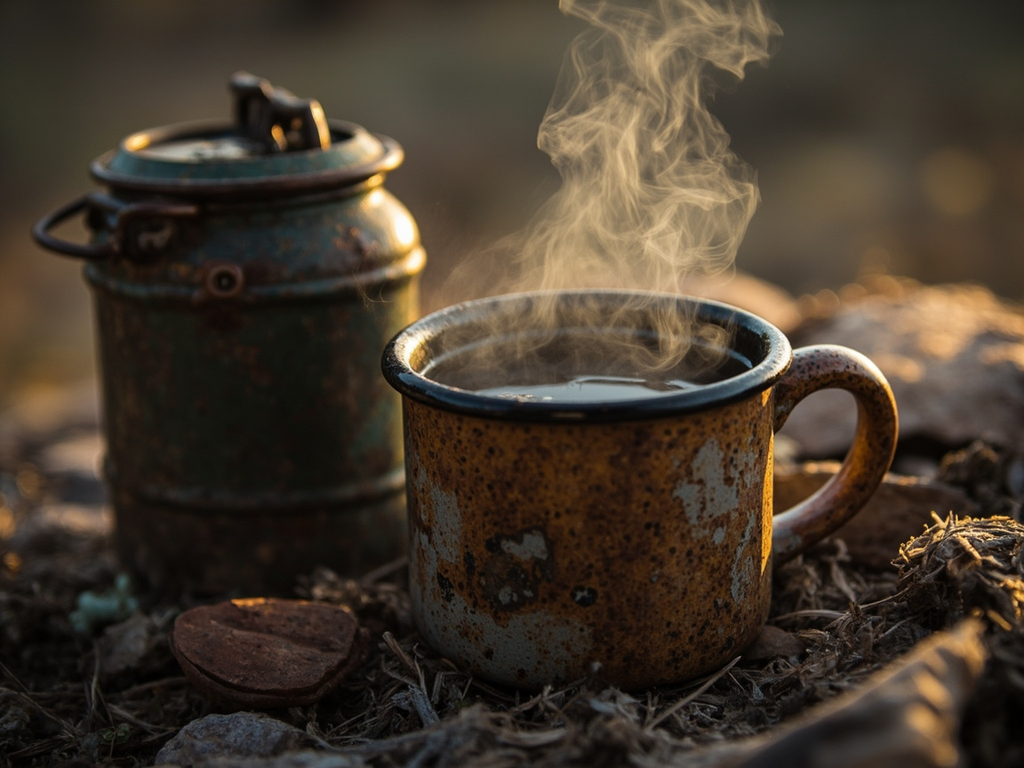
Let's get this straight: I fought hard, but I also knew how to have fun hard. A good stiff gin, that's what puts a girl back on her feet after a night in the mud. In Marseille, in my Henri's time, we drank elegant things in crystal glasses; in the maquis, it was out of a mess tin, but the principle was the same. Serve it cold, put a twist in if you have one, and drink to the health of those who are no longer here. Cheers!
- •Gin — a good splash (base spirit)
- •Tonic water (quinquina) — to lengthen (bitterness and bubbles)
- •Lemon — a squeeze (acidity)
- •Ice — if available (coolness)
The White Mouse's Gin
A gin lengthened with tonic water, brightened with a squeeze of citrus—the simple, bitter, lively drink of a woman who never refused a glass.
Why this dish? Nancy Wake's taste for a good drink is legendary and well documented: she had a reputation as a party girl from her pre-war life in Marseille and Paris, and her love of gin accompanied her even in the worst moments of the maquis. A stiff drink was her way of coping and boosting morale.
Let's get this straight: I fought hard, but I also knew how to have fun hard. A good stiff gin, that's what puts a girl back on her feet after a night in the mud. In Marseille, in my Henri's time, we drank elegant things in crystal glasses; in the maquis, it was out of a mess tin, but the principle was the same. Serve it cold, put a twist in if you have one, and drink to the health of those who are no longer here. Cheers!
Ingredients (period version)
- Gin — a good splash (base spirit)
- Tonic water (quinquina) — to lengthen (bitterness and bubbles)
- Lemon — a squeeze (acidity)
- Ice — if available (coolness)
Ingredients
- Gin — 5 cl (base spirit)
- Tonic water — 12 cl (bitterness and bubbles)
- Lime or lemon — 1 wedge + zest (acidity and aroma)
- Ice cubes — a handful (coolness)
- Non-alcoholic version (for young readers) — replace gin with juniper-and-cucumber flavored sparkling water (family-friendly alternative)
Method
- Fill a tall glass with ice cubes.
- Pour the gin over the ice.
- Gently top up with tonic to preserve the bubbles.
- Squeeze a lemon wedge, add a zest for aroma.
- Stir once, without breaking the effervescence, and serve immediately.
- For family audiences, prepare the non-alcoholic version with flavored sparkling water.
How it was made : The gin and tonic originated from quinine (cinchona) which the British consumed as an antimalarial in their colonies, sweetened with gin to make it palatable. Between the wars, it became a chic drink in the bars of Marseille and London—two cities Nancy Wake knew by heart.
The contemporary twist : Served in a large balloon glass with a juniper berry and a cucumber slice, named 'White Mouse' on the bar chalkboard.
Sources : Nancy Wake, The White Mouse (autobiography, 1985) · Peter FitzSimons, Nancy Wake (2001)
Nancy Wake · Charactorium